
SAS Celebrates 80 Years of Global Aviation Legacy With Historic Scandinavia to New York Anniversary Flights
SAS Celebrates 80 Years of Global Aviation Legacy With Historic Scandinavia to New York Anniversary Flights

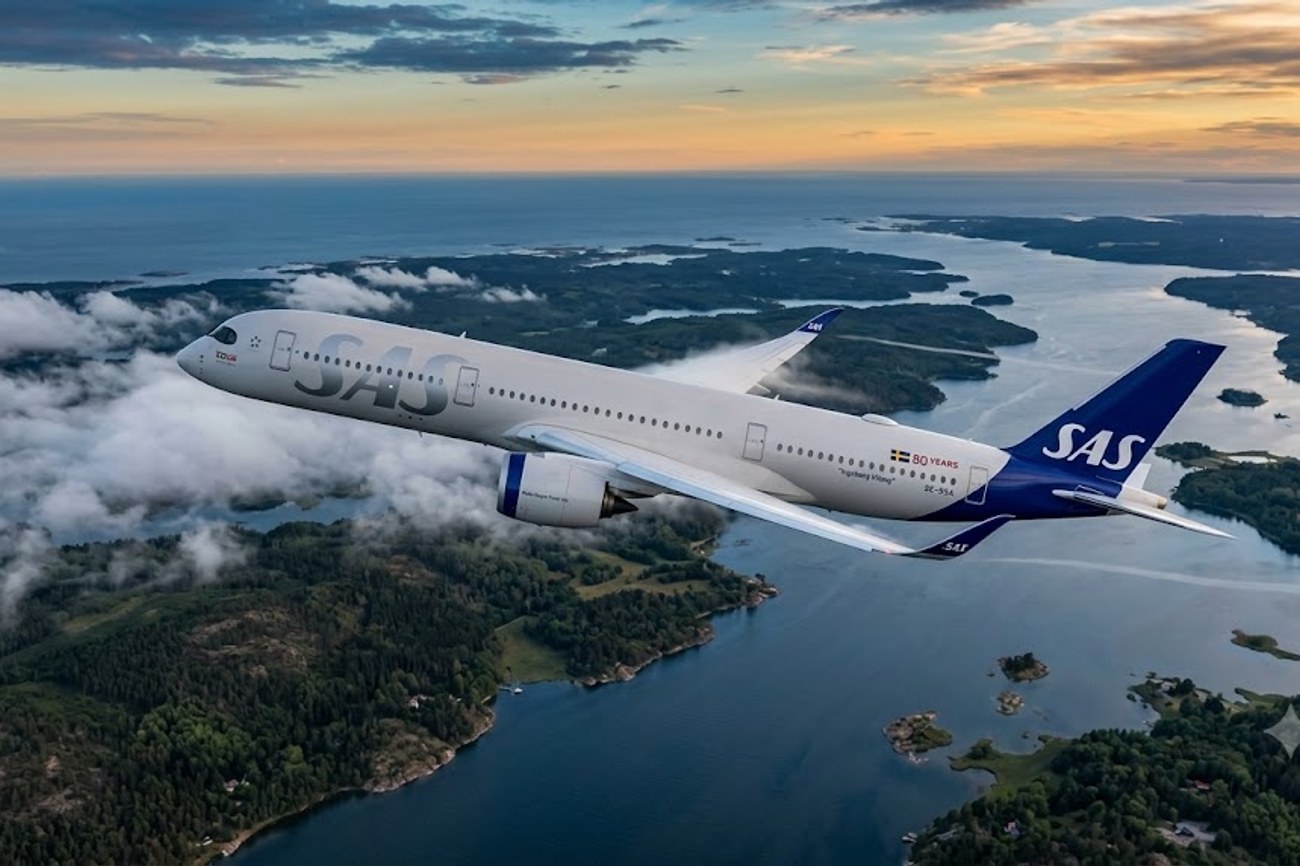
Image generated by AI
The first flight from Stockholm to New York in 1946 took 25 hours and required stops in Scotland and Canada just to make the crossing. While modern travelers complain about a slight delay in the lounge, the 28 passengers aboard the DC-4 aircraft, named Dan Viking, endured a grueling multi-stage odyssey that departed Bromma Airport on 17 September 1946 before finally touching down at New York’s LaGuardia Airport.
The Nordic Gateway Evolution
The current aviation climate in Scandinavia is shifting from a legacy of endurance to one of extreme efficiency. SAS is currently marking 80 years of operation, a milestone that serves as a mirror to how the Nordic region has integrated into the global economy. What began as a collaborative effort between Scandinavian nations to pool resources and bridge the Atlantic has evolved into a sophisticated network that now connects Oslo, Stockholm, and Copenhagen to New York in under eight hours.
This transition is not merely about speed; it is about a fundamental shift in how the world accesses the North. For decades, the region was viewed as a remote periphery. However, the airline's historical pivot in the 1950s—introducing the polar route—effectively shrank the planet, positioning Scandinavia as a strategic midpoint between East and West. Today, the focus has shifted toward a massive fleet overhaul. The airline is integrating up to 40 Airbus widebody aircraft and 55 Embraer E195-E2 regional jets, alongside a renewed Airbus A320neo fleet. This is one of the most aggressive modernization efforts in the carrier's history, designed to move away from the fuel-heavy giants of the past toward leaner, more sustainable aviation.
What Makes the Scandinavian Flight Experience Different
Traveling through the Nordic hubs is less about the flight itself and more about the adherence to a specific philosophy of minimalism and functionality. Unlike the opulent, often overwhelming nature of Middle Eastern or Asian hubs, the experience in Copenhagen, Oslo, and Stockholm is defined by "Scandinavian design principles." This manifests in everything from the ergonomic seating and muted color palettes of the cabins to the streamlined, stress-free flow of the airport terminals.
The region's approach to hospitality is rooted in a lack of pretension. There is a distinct cultural preference for efficiency and egalitarianism; the service is professional and polished but avoids the performative luxury found in other global carriers. This ethos extends to the airline's historical contributions to the industry, such as being a founding member of the Star Alliance in the 1990s and the creation of the EuroBonus program. These initiatives were designed to make the act of traveling as frictionless as possible, reflecting the broader Nordic societal goal of removing unnecessary barriers.
For those visiting the region, the flight is the first introduction to the local psyche: a blend of high-tech innovation and a deep, quiet respect for order and nature. To understand the scale of this connectivity, one can look at the official Visit Denmark or Visit Norway portals, which highlight how these air links feed directly into the region's commitment to accessible, high-quality tourism.
Visitor Insider Tips
Navigating the Scandinavian capitals requires a different mindset than navigating London or Paris. To truly experience the region like a local, avoid the tourist traps immediately surrounding the arrival gates.
Timing and Logistics If you are basing yourself in Copenhagen, use the Metro to get from the airport to the city center; it is one of the most efficient systems in the world and runs 24/7. In Stockholm, avoid taxis from Arlanda airport if you are on a budget; the Arlanda Express is faster, but the commuter trains are the local preference for those not in a rush.
Local Etiquette Nordic culture values privacy and quiet. On flights and in lounges, keep your voice low. When interacting with staff, be direct and polite. Overly emotive or aggressive communication is often viewed with confusion or distaste.
Regional Specialties Once you land, skip the international chains. In Oslo, seek out open-faced sandwiches (smørrebrød) at local cafes. In Stockholm, find a traditional fika spot for coffee and a cinnamon bun—this is not just a snack, but a social institution.
Neighborhood Recommendations Instead of staying in the immediate city centers, look for accommodations in Vesterbro (Copenhagen), Södermalm (Stockholm), or Grünerløkka (Oslo). These areas provide a more authentic glimpse into the creative and residential rhythms of the cities.
Cultural and Environmental Context
The expansion of aviation in the Nordic region exists in a state of constant tension with the region's fierce commitment to environmental preservation. Scandinavia is globally recognized for its aggressive climate goals, and the aviation sector is under immense pressure to align with these values. The current investment in the Embraer E195-E2 and Airbus A320neo fleets is not just a business decision; it is a response to the cultural demand for lower carbon emissions.
Tourism in these regions is increasingly managed through a lens of "slow travel." While the airlines provide the fast link to the region, local governments encourage visitors to use the extensive rail networks and electric ferries once they arrive. This creates a hybrid travel model where the long-haul journey is high-speed, but the destination experience is intentionally paced.
The interaction between international arrivals and local communities is generally harmonious, but there is a growing movement toward preserving the "quiet" of the Nordic countryside. This is particularly evident in the management of sites recognized by UNESCO World Heritage, where visitor numbers are carefully monitored to prevent the degradation of the natural and cultural landscape. The airline's role has evolved from simply transporting people to acting as a gateway that must balance economic growth with the preservation of the very landscapes that attract visitors in the first place.
FAQ: Visiting Scandinavia 2026
What is the best time to visit? For the midnight sun and hiking, June to August is ideal. For the Northern Lights and winter sports, December to March is best. May and September offer a balance of mild weather and fewer crowds.
Do I need a visa? Most travelers from the US, Canada, and UK do not need a visa for short stays under 90 days due to the Schengen Agreement, but always check current ETIAS requirements before departing.
How do I get from the airports to the city centers? Each capital has high-speed rail or metro links. Copenhagen's Metro is the fastest; Stockholm's Arlanda Express is the most premium; Oslo's Flytoget is the gold standard for efficiency.
Is it safe for solo travelers? Yes, Scandinavia is among the safest regions globally for solo travelers, including women and LGBTQ+ individuals, with very low crime rates and high levels of social trust.
From 25-hour marathons to eight-hour sprints, the journey to the North has never been more seamless.
#ScandinaviaTravel2026 #SAS80Years #NordicAviation #StockholmToNYC #CopenhagenTravel #OsloTourism
Related Travel Guides
- Korea Joins New Zealand and More Countries In Targeting Western Travellers With Wellness and Heritage Tourism
- Maldives Redefines Paradise Travel By Turning Remote Atoll Escapes Into Vibrant Sustainable Neighborhoods
- Spain Unites With Tanzania and Others as New EU Greenwashing Rules Reshape Sustainable Travel Marketing in 2026
Disclaimer
This article is for informational and educational purposes only. It does not constitute legal, financial, or professional advice. While we strive to provide accurate and up-to-date information, travel policies, regulations, and conditions change rapidly. Always verify information with official sources before making travel decisions. Nomad Lawyer makes no representations about the accuracy, reliability, completeness, or suitability of the information provided. Readers should consult qualified professionals for advice specific to their circumstances. The views expressed in this article are those of the author and do not necessarily reflect the views of Nomad Lawyer.
Kunal K Choudhary
Co-Founder & Contributor
A passionate traveller and tech enthusiast. Kunal contributes to the vision and growth of Nomad Lawyer, bringing fresh perspectives and driving the community forward.
Learn more about our team →