
Korea Joins New Zealand and More Countries In Targeting Western Travellers With Wellness and Heritage Tourism
Korea Joins New Zealand and More Countries In Targeting Western Travellers With Wellness and Heritage Tourism

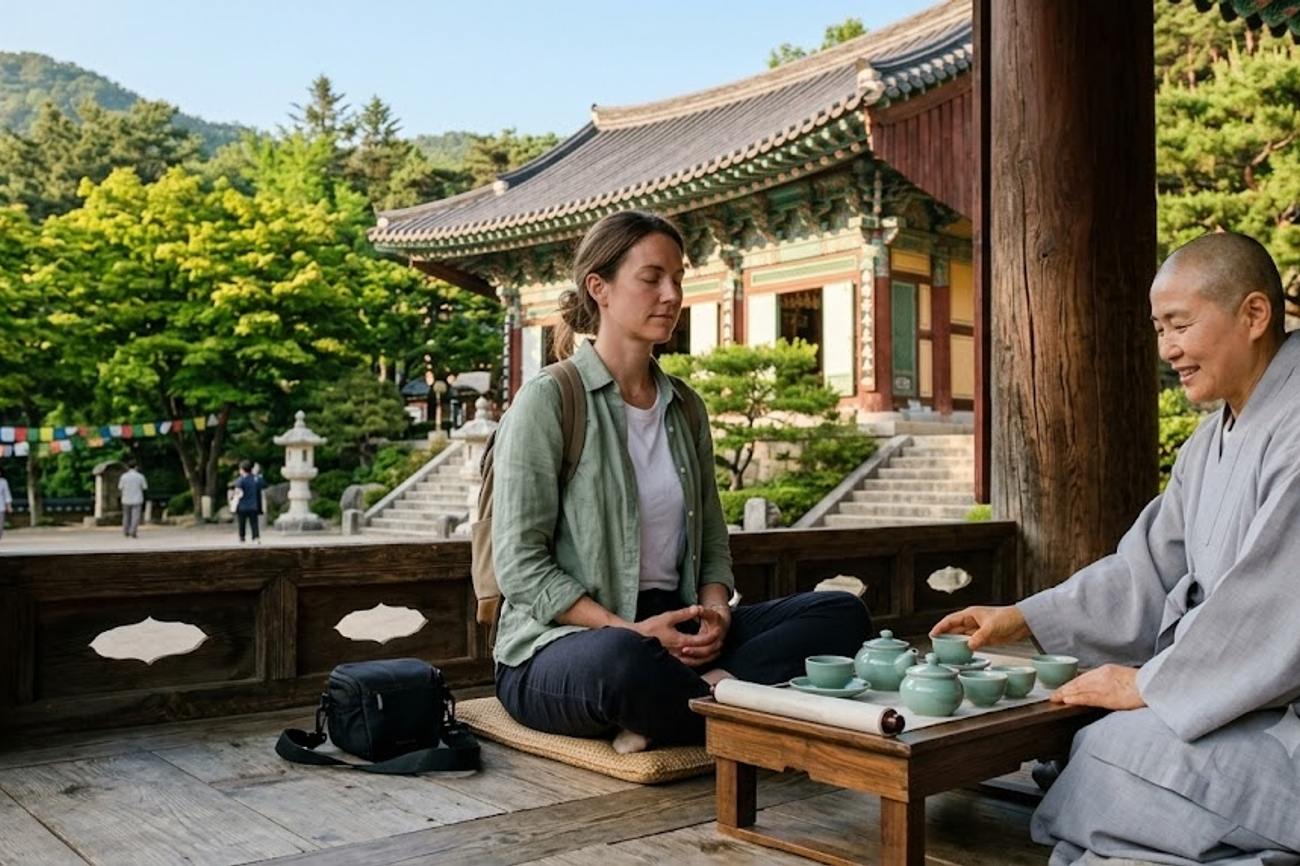
Image generated by AI
While South Korea has historically relied on the rapid expansion of Hallyu-driven tourism, the Korea Tourism Organization (KTO) is now pivoting toward high-yield, long-haul segments, evidenced by a strategic shift from short-term city visits to immersive, multi-region itineraries. This transition is marked by a targeted effort to convert passive cultural interest into active, extended stays, specifically targeting Western markets where the average length of stay typically exceeds that of regional East Asian visitors.
The Shift to Experiential Metrics: Korea's New Tourism Data
The Korea Tourism Organization's latest strategic initiative is not merely a promotional campaign but a structural attempt to diversify its visitor demographic. By hosting 20 travel agency representatives from 10 emerging markets—specifically Spain, Sweden, Poland, Brazil, Canada, and New Zealand—the KTO is attempting to reduce its dependence on traditional source markets.
The core of this strategy is the transition from "sightseeing" to "experience-based" travel. The data from the recent tourism showcase indicates a focused push into four specific high-value verticals:
- Wellness Tourism: Integrating aroma oil therapy in Seoul and seaside yoga at Gwangalli Beach in Busan to capture the global wellness market, which has seen significant growth according to Global Wellness Institute data.
- Heritage Tourism: Leveraging the historical density of Andong, specifically Hahoe Folk Village and Dancheong painting, to attract cultural historians and luxury heritage travelers.
- Regional Distribution: Moving traffic away from the Seoul-centric model toward coastal hubs like Busan and inland cultural centers like Andong to distribute economic impact across local communities.
- B2B Infrastructure: The 2026 Americas, Europe & Oceania Travel Mart at The Plaza Hotel Seoul served as the primary engine for this shift, facilitating 315 one-on-one business consultations between the 20 overseas buyers and 30 Korean tourism organizations.
This B2B volume is critical. By connecting destination management companies (DMCs) and regional hotels directly with buyers from Oceania and Europe, Korea is building the supply chain necessary to support longer, more complex itineraries that move beyond the standard 3-to-5 day "K-pop tour."
Comparative Market Analysis: Traditional vs. Experiential Models
The current trajectory represents a departure from the "Fast Tourism" model that characterized the initial wave of K-culture popularity. Historically, tourism growth was correlated with the release of global hits (films and music), leading to spikes in short-term visits to Seoul. The new model prioritizes "Slow Tourism," focusing on temple stays and regional immersion.
The following table illustrates the shift in strategic focus from the previous growth phase to the current 2026-oriented strategy:
| Metric/Focus Area | Traditional "Hallyu" Model | New "Experiential" Model | Strategic Objective |
|---|---|---|---|
| Primary Target | Regional Asia / Gen Z | Europe, Americas, Oceania | Market Diversification |
| Average Stay | Short-term / City-centric | Long-haul / Multi-region | Increased RevPAR & Spend |
| Key Activities | Shopping, K-pop landmarks | Temple stays, Yoga, Heritage | Higher Per-Capita Spend |
| Primary Hub | Seoul | Seoul, Busan, Andong | Regional Economic Growth |
| B2B Focus | Mass Market Tour Operators | Specialized Luxury/Wellness Buyers | Premium Product Development |
When compared to broader trends reported by UN Tourism, South Korea's move aligns with a global increase in "meaningful travel." The shift from 30 Korean organizations engaging in mass marketing to 315 targeted consultations suggests a move toward a "quality over quantity" passenger metric.
What This Means for Travelers
For the individual traveler, this industrial pivot will manifest as a significant change in available travel products and booking availability. As the KTO works with buyers from Canada, New Zealand, and Europe to create new packages, the "barrier to entry" for visiting regional Korea is lowering.
Booking Advice for Q3/Q4 and 2026:
- Diversify Your Itinerary: If you are planning a trip, look beyond Seoul. The infrastructure for wellness and heritage stays in Andong and Busan is being aggressively scaled. Booking these regional experiences 12-16 weeks in advance is recommended, as the "boutique" nature of temple stays and traditional folk village accommodations means limited inventory compared to urban hotels.
- Leverage New Packages: Expect a surge in "Wellness + Heritage" bundled packages from Western travel agencies. These will likely offer better value and logistics than self-planning, as they utilize the new B2B connections formed at the 2026 Travel Mart.
- Timing the Visit: To avoid the crowds associated with traditional sightseeing, prioritize the new "Slow Tourism" hubs. The shift toward regional tourism means that while Seoul remains crowded, destinations like Andong are becoming viable, high-quality alternatives for those seeking a quieter experience.
Forward Projection: The 2026 Trajectory
Based on the current trajectory of the 2026 Americas, Europe & Oceania Travel Mart and the KTO's focus on long-haul markets, we can project several market movements. First, there will likely be an increase in specialized "Wellness Circuits" that link Seoul’s urban therapy centers with Busan’s coastal wellness offerings.
Second, the integration of New Zealand and other Oceanian markets suggests a push for "Eco-Heritage" tourism. By pairing the natural landscapes of New Zealand's travel preferences with Korea's temple and mountain culture, the KTO is positioning the country as a primary destination for the "conscious traveler."
Finally, the data suggests a move toward "Premiumization." By focusing on 315 high-level consultations rather than mass-market advertising, Korea is signaling that it wants more high-spending visitors who stay longer, rather than a higher volume of short-term visitors. This will likely lead to an increase in luxury heritage resorts and high-end wellness retreats across the provinces.
FAQ: Korea Experiential Tourism 2026
Will travel costs to regional Korea increase? As the KTO promotes regional hubs like Andong and Busan to luxury buyers, expect a rise in premium accommodation prices. However, the increase in available tour packages from Western agencies may offset these costs through bundled pricing.
Is this the best time to book a wellness tour in Korea? Yes. With the current push to establish these products in the European and American markets, many operators are introducing competitive "introductory" packages to attract early adopters of the new wellness circuits.
Which cities are expanding their tourism infrastructure the most? Busan is seeing a major push in coastal and wellness infrastructure (e.g., Gwangalli Beach), while Andong is expanding its heritage and traditional cultural offerings to accommodate international visitors.
How do temple stays differ from standard hotels? Temple stays are focused on Buddhist culture, meditation, and traditional meals. They are designed for "slow travel" and relaxation, contrasting with the high-efficiency, urban experience of Seoul’s luxury hotels.
The transition from pop-culture curiosity to deep-cultural immersion marks Korea's evolution from a trending destination to a permanent pillar of global luxury and wellness tourism.
#SouthKoreaTourism2026 #KTOWellnessGrowth #RegionalTourismDiversification #LongHaulTravelTrends #ExperientialTravelData
Related Travel Guides
- Maldives Redefines Paradise Travel By Turning Remote Atoll Escapes Into Vibrant Sustainable Neighborhoods
- Spain Unites With Tanzania and Others as New EU Greenwashing Rules Reshape Sustainable Travel Marketing in 2026
- UK Tourism Breakthrough as Coventry Attracts Millions of Visitors and Creates a Record £1 Billion Boom
Disclaimer
This article is for informational and educational purposes only. It does not constitute legal, financial, or professional advice. While we strive to provide accurate and up-to-date information, travel policies, regulations, and conditions change rapidly. Always verify information with official sources before making travel decisions. Nomad Lawyer makes no representations about the accuracy, reliability, completeness, or suitability of the information provided. Readers should consult qualified professionals for advice specific to their circumstances. The views expressed in this article are those of the author and do not necessarily reflect the views of Nomad Lawyer.
Kunal K Choudhary
Co-Founder & Contributor
A passionate traveller and tech enthusiast. Kunal contributes to the vision and growth of Nomad Lawyer, bringing fresh perspectives and driving the community forward.
Learn more about our team →