
Poland Tourism Surges as Road Travel from Czech Republic, Slovakia, and Lithuania Accelerates in 2026
Poland is seeing a double-digit increase in short-haul tourists from the Czech Republic, Slovakia, and Lithuania, driven by expanded expressway networks and a competitive price-to-quality ratio.

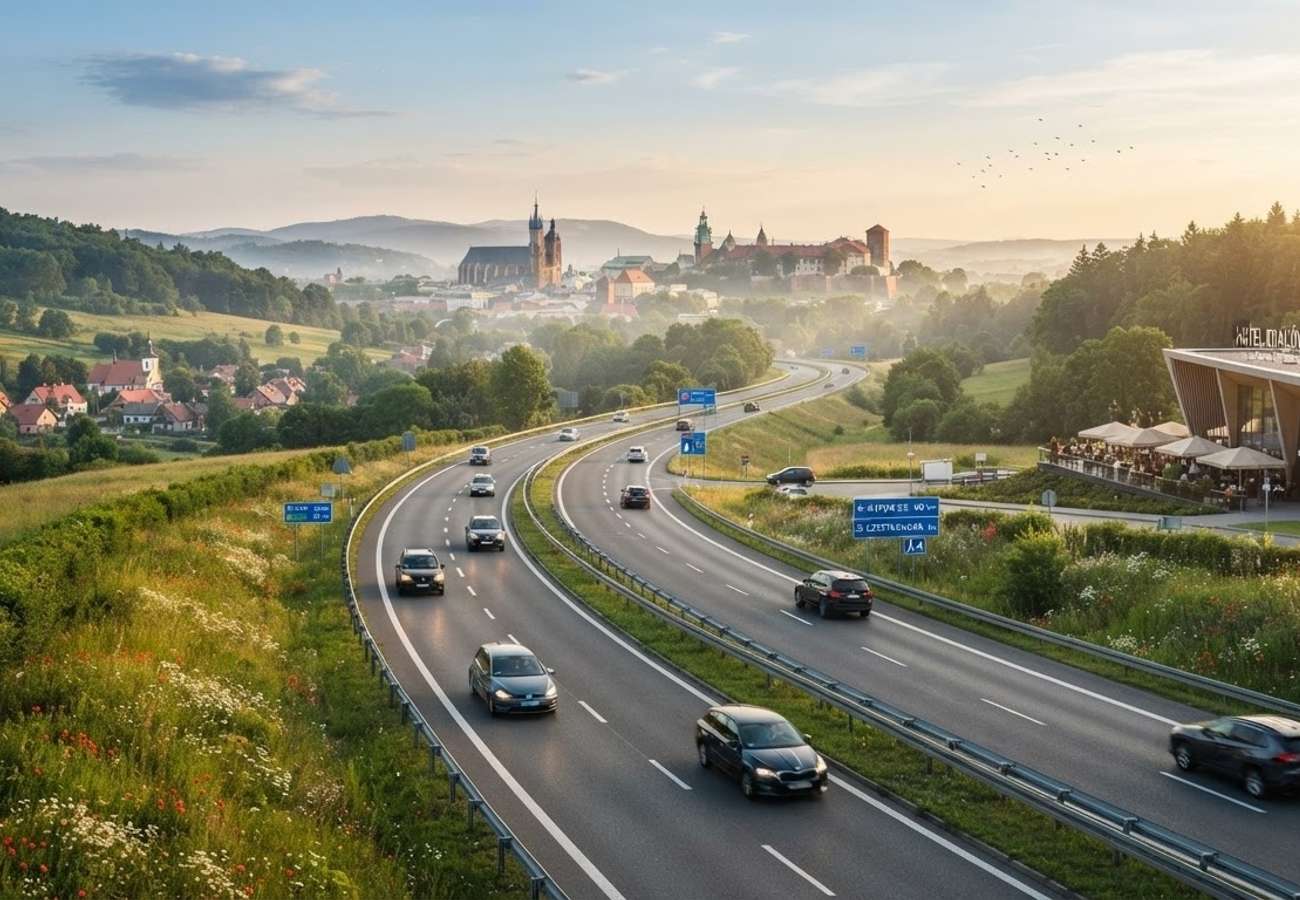
Image generated by AI
Poland is experiencing a significant tourism pivot as short-haul road travel from the Czech Republic, Slovakia, and Lithuania sees double-digit growth. This shift is reducing reliance on long-haul flight dependencies and boosting regional economies.
The traditional reliance on international flight gateways is being challenged by a surge in cross-border road tourism. Enhanced expressway networks have effectively shrunk the distance between Poland and its neighbors, transforming the country into a primary hub for spontaneous, short-term leisure trips.
Unlike the rigid scheduling of long-haul vacations, this new wave of tourism is characterized by flexibility. Travelers are increasingly opting for "no-fixed-plan" itineraries, utilizing Poland’s modern road infrastructure to access regional hubs, boutique hotels, and gastronomic centers.
Strategic Regional Growth Drivers
The increase in arrivals is not uniform but follows specific geographic corridors that leverage Poland's positioning in Central Europe.
- The Southern Corridor (Czech Republic & Slovakia): Proximity allows for high-frequency, repeat visits. Southern destinations, particularly Kraków, have become primary targets for short breaks focusing on retail, dining, and heritage.
- The Northern Corridor (Lithuania): Poland serves as a critical land bridge between the Baltic region and Central Europe. Lithuanian travelers are utilizing these routes to integrate Polish cities into wider regional journeys.
- Infrastructure Impact: The expansion of modern expressways has directly reduced journey times, making multi-city itineraries viable without the logistical friction of airport security and flight scheduling.
Market Value and Consumer Behavior
A primary catalyst for this growth is Poland’s aggressive price-to-quality ratio. Visitors from neighboring EU states find a high standard of service in gastronomy and lodging at a lower cost than in their home markets.
Key Consumption Trends:
- Gastronomy: A shift toward food-focused travel, where regional cuisine and contemporary cafés act as primary destinations rather than secondary amenities.
- Retail: The ease of road travel has turned Polish shopping centers and high streets into leisure destinations for cross-border day-trippers.
- Boutique Lodging: There is a marked preference for independently operated boutique hotels over international chains, catering to the experience-led patterns of European short-haul travelers.
Regional Economic Integration
The data suggests that road-based tourism is more resilient and less seasonal than long-haul travel. Because these visitors can travel on weekends or for specific seasonal events, they provide a steady stream of revenue for regional businesses outside the primary tourist traps.
| Market Segment | Primary Driver | Key Polish Region | Travel Pattern |
|---|---|---|---|
| Czech Republic | Shopping & Culture | Southern Poland / Kraków | Frequent, repeat short breaks |
| Slovakia | Nature & Urban Mix | Southern Poland | Weekend getaways |
| Lithuania | Transit & Retail | Northern/Central Poland | Regional multi-city journeys |
Why This Matters: Industry Analysis
From a logistical perspective, this shift represents a "de-risking" of the Polish tourism economy. By diversifying the visitor base to include nearby road-travelers, Poland is insulating itself from the volatility of global aviation—such as fuel price spikes or airport strikes.
For the hospitality sector, the "Information Gain" here is the move toward micro-tourism. We are seeing a transition from the "one big annual trip" model to a "four small regional trips" model. This creates a sustainable ecosystem for boutique operators who cannot compete with the scale of luxury resorts but can offer the authenticity sought by Central European neighbors.
Furthermore, the use of Poland as a "land corridor" for Baltic travelers indicates that the country is successfully positioning itself as the logistical heart of Central Europe, not just a destination.
Forward Outlook
Expect further investment in "last-mile" infrastructure—smaller roads connecting expressways to rural boutique hotels and regional attractions. As the Czech, Slovak, and Lithuanian markets mature, the competition among Polish regions to attract these high-frequency visitors will likely drive an increase in specialized, niche tourism offerings (e.g., agritourism and wellness retreats).
The era of the flight-dependent tourist is fading in Central Europe, replaced by the flexibility of the open road.
Related Travel Guides
Disclaimer
This article is for informational and educational purposes only. It does not constitute legal, financial, or professional advice. While we strive to provide accurate and up-to-date information, travel policies, regulations, and conditions change rapidly. Always verify information with official sources before making travel decisions. Nomad Lawyer makes no representations about the accuracy, reliability, completeness, or suitability of the information provided. Readers should consult qualified professionals for advice specific to their circumstances. The views expressed in this article are those of the author and do not necessarily reflect the views of Nomad Lawyer.
Preeti Gunjan
Contributor & Community Manager
A passionate traveller and community builder. Preeti helps grow the Nomad Lawyer community, fostering engagement and bringing the reader experience to life.
Learn more about our team →