
Rough Seas Trigger Coastal Travel Warnings: Ferry and Cruise Disruptions Hit North Atlantic and Mediterranean Routes in 2026
Seasonal swells and strong winds disrupt ferry, cruise, and small-boat travel across coastal regions, prompting new passenger advisories.

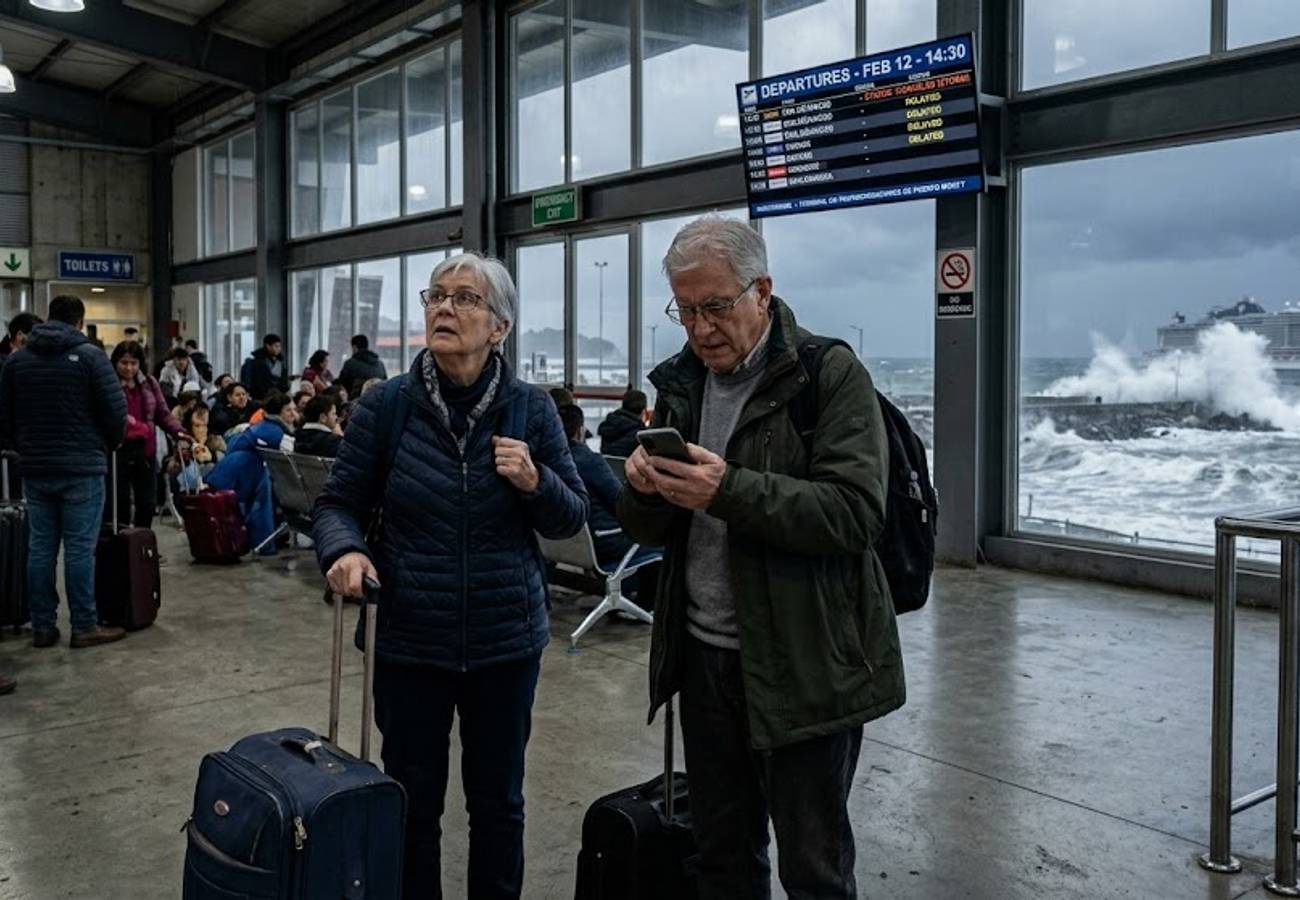
Image generated by AI
Seasonal swells and recent storm systems are generating hazardous maritime conditions across multiple coastal regions. Strong onshore winds and elevated waves are forcing operators to adjust or suspend sailings at the height of the summer travel period.
The Disruption Details
Recent storms and seasonal wind patterns have produced rough seas that are actively disrupting ferries, cruises, and small-boat travel across several popular coastal corridors. Publicly available information from recent storm analyses shows that hazardous maritime swells have repeatedly disrupted short-sea links in exposed harbors and island chains. These conditions are particularly severe where routes cross unsheltered channels.
Historical data from the past two winter seasons in the North Atlantic and Mediterranean indicates that periods of sustained gale-force winds lead to widespread cancellations of coastal ferries when wave heights exceed safe operating thresholds. In similar events earlier this year, rough seas in confined straits and open crossings prompted temporary halts to passenger services and delays for essential freight. Transport operators are advising travelers to monitor schedules closely, as summer weather patterns can still generate localized storms.
Maritime & Route Impact Breakdown
Flight tracking and maritime monitoring systems show widespread adjustments across various transport modes.
- Ferry Operations: Operators are adjusting or suspending sailings in response to elevated waves. Crossings may be slower, with vessels reducing speed to maintain stability in confused seas.
- Cruise Itineraries: Ocean-going cruise ships are changing ports of call, reversing directions along coastal stretches, or spending additional time at sea to skirt the worst-affected zones. Operators are bypassing smaller harbors with challenging entries when wave forecasts indicate steep breaking seas near channel mouths.
- Small Craft Restrictions: Marine bulletins from meteorological agencies highlight squally conditions, strong gusts, and steep waves near prominent headlands. Fishing boats, dive operators, and day-tour vessels are advised to remain in port during peak episodes.
- Port Infrastructure: Port authorities warn of overtopping waves along breakwaters and harbor walls. These conditions affect embarkation areas and coastal roads leading to terminals, causing congestion or diversions around spray-prone waterfront sections.
Passenger Rights & Advisory
For the affected passenger, understanding your compensation rights during maritime disruptions requires knowing which regulatory framework applies to your specific mode of transport. While aviation frameworks like EU261/2004 or US DOT guidelines protect air travelers, maritime travel operates under different regulations.
If you are traveling on a ferry within the European Union, Regulation (EU) No 1177/2010 governs your rights. Our analysis of the policy suggests that if your ferry is canceled or delayed by more than 90 minutes, the operator must offer you meals and refreshments proportional to the waiting time. If the delay requires an overnight stay, the operator must provide accommodation up to a specified limit.
For ferry passengers facing a delay exceeding 90 minutes, you have the right to abandon the journey and receive a full refund, or choose to continue your journey at a later date. If the delay exceeds 60 minutes and you decide not to travel, you are entitled to a full refund.
Cruise passengers face a different set of rules. Itinerary changes due to weather and sea conditions are generally permitted under standard cruise contracts, and passengers are typically not entitled to financial compensation when a ship skips a port for safety reasons. Travelers should review their specific cruise line's terms and conditions before departure.
For travelers combining maritime and air transport, a delayed ferry can result in a missed flight. Standard aviation regulations like EU261/2004 do not cover missed flights caused by delays on other modes of transport. Our analysis indicates that purchasing comprehensive travel insurance covering weather-related disruption is essential to offset the costs of unscheduled hotel stays or rebooked flights. Travelers are encouraged to review coverage terms carefully, as not all policies treat marine cancellations in the same way.
Industry Analyst View
Meteorological data compiled for the current year shows that rough sea episodes are following familiar seasonal patterns in many parts of the world. In the northern hemisphere, mid- to late-summer brings a mix of tropical systems, strong trade-wind surges, and localized low-pressure disturbances that generate swell trains across popular cruising and ferry corridors.
Recent reports on European windstorms and North Atlantic weather patterns underline how strong pressure gradients over relatively warm seas can produce long stretches of elevated waves, even when skies remain largely clear along some coasts. These conditions are especially challenging for exposed island groups where inter-island ferries serve as a primary form of transportation.
In tropical and subtropical basins, forecasters note that outer bands of distant storms may still send powerful swell toward shorelines hundreds of kilometers away from the storm center. Ports and beaches can experience hazardous surf and strong rip currents despite only moderate local winds. As ocean temperatures and atmospheric patterns shift, some regions may see a longer window of elevated sea states around the traditional peak of storm seasons. This has direct implications for coastal infrastructure planning and the design of new terminals intended to withstand more frequent high-wave events.
Practical Traveler Guidance
Travel organizations recommend keeping flight and ferry bookings as decoupled as possible. Avoid tight same-day connections where a delayed or canceled crossing could lead to missed onward travel. Travelers heading for early morning or late evening sailings should allow extra time in case of congestion or diversions around spray-prone waterfront sections.
On board ferries and cruise ships, experienced crew typically provide guidance to passengers when rough conditions are expected. This includes advice on moving around the vessel, securing loose items in cabins, and choosing midship locations where motion is less pronounced. Health resources advise travelers prone to motion discomfort to prepare with appropriate medication or remedies before boarding, rather than waiting until seas begin to build.
Coastal tourism destinations that rely on island-hopping excursions, snorkeling trips, or wildlife-watching cruises are particularly sensitive to these advisories. Tour organizers may cancel outings on short notice when wind shifts amplify local swell. Travelers are urged to treat official marine forecasts and beach warning flags as primary decision tools rather than relying solely on visual assessments of sea state from the shoreline. Consumer-facing travel platforms encourage visitors to consider flexible planning in regions that routinely experience choppy seas, allowing for backup activities onshore if sea conditions make boat-based excursions impractical.
Prioritizing safety over rigid schedules remains the primary recommendation for navigating coastal routes during periods of elevated sea states.
Related Travel Guides
Disclaimer
This article is for informational and educational purposes only. It does not constitute legal, financial, or professional advice. While we strive to provide accurate and up-to-date information, travel policies, regulations, and conditions change rapidly. Always verify information with official sources before making travel decisions. Nomad Lawyer makes no representations about the accuracy, reliability, completeness, or suitability of the information provided. Readers should consult qualified professionals for advice specific to their circumstances. The views expressed in this article are those of the author and do not necessarily reflect the views of Nomad Lawyer.
Raushan Kumar
Founder & Lead Developer
Full-stack developer with 11+ years of experience and a passionate traveller. Raushan built Nomad Lawyer from the ground up with a vision to create the best travel and law experience on the web.
Learn more about our team →