
Iran Triggers Global Flight Chaos: Gulf Hubs Suspend Operations in March 2026
Iran triggers global aviation disruption as escalating Middle East conflict forces Dubai, Abu Dhabi, Doha, and Riyadh to cancel thousands of flights. Major airlines reroute international travel in March 2026.

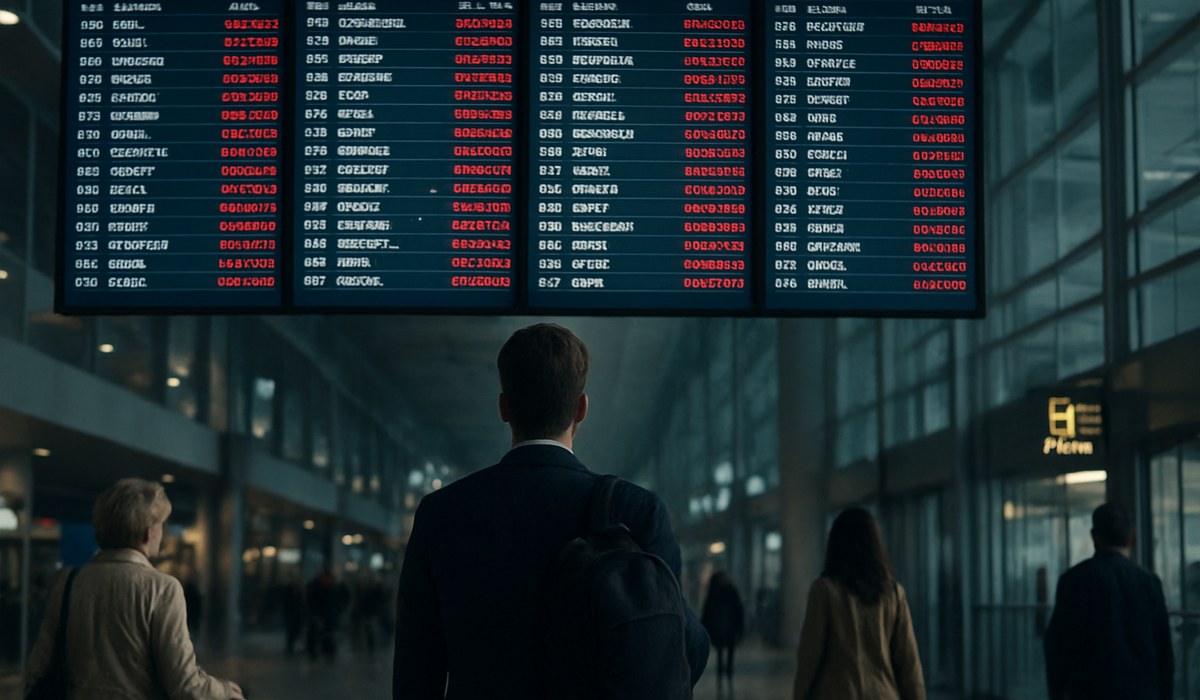
Image generated by AI
Breaking: Iran Triggers Global Flight Chaos Across Middle Eastern Hubs
Escalating geopolitical tensions between the United States and Iran are crippling aviation across the Middle East, forcing thousands of flight cancellations and reroutes through major international hubs. Since late February 2026, coordinated military strikes have transformed regional airspace into a patchwork of restricted zones, disrupting travel for hundreds of thousands of passengers worldwide. Airlines operating through Dubai International Airport (DXB), Abu Dhabi International (AUH), and Hamad International Airport in Doha (DOH) are implementing emergency protocols as conflict escalates.
The disruption represents one of the aviation industry's most severe regional crises in recent years. This chaos directly impacts travelers on Africa-to-Asia routes, Europe-to-Australia connections, and intra-Gulf business travel. As airlines redirect flights northward over Europe and Central Asia, journey times have extended by 4–8 hours on affected routes, while fuel surcharges and crew repositioning costs mount across global carriers.
Regional Airspace Closure Creates No-Go Zones Across Middle East Corridors
Civilian airspace over Iran, Iraq, and adjacent flight corridors has contracted sharply since hostilities began. Flight-tracking data via FlightAware reveals dramatic reductions in traffic density over traditional transit routes. Iran's enhanced control of the Strait of Hormuz and missile defense systems have forced aviation regulators and insurers to issue conflict-zone warnings that effectively pushed carriers away from optimal routing paths.
The Middle East functioned as a critical continental bridge before the conflict erupted. Airlines operating Emirates (EK), Qatar Airways (QR), Saudi Arabian Airlines (SV), and Air Arabia (G9) historically moved passengers efficiently between Europe, Asia, Africa, and Oceania through these hubs. Now, the loss of direct corridor access is forcing airlines to adopt longer northern routes over Europe and Central Asia, significantly increasing operational costs.
The patchwork of closures remains fluid. While governments haven't issued blanket airspace shutdowns, cumulative travel advisories and insurer restrictions have created a de facto barrier to traditional routes. Real-time route planning now requires constant monitoring of IATA industry notices and individual airline alerts rather than reliance on pre-conflict flight plans.
Dubai International Airport Faces Temporary Closures and Fuel Supply Disruptions
Dubai International Airport (DXB), the world's busiest international passenger hub, has experienced waves of flight suspensions following Iranian drone and missile campaigns targeting UAE infrastructure. Reports document temporary halts to aircraft movements after strikes damaged airport fuel storage facilities in early March 2026.
Emirates (EK), the region's largest carrier, has cancelled numerous rotations to Iran, Iraq, Jordan, Lebanon, and Syria. Services to secondary markets have been curtailed or rerouted via alternate hubs in Europe and South Asia. Passengers attempting to connect through Dubai for onward travel to Australia, Singapore, and other Asian destinations face involuntary rebooking delays lasting 24–72 hours.
DXB remains technically open but operates below 60% of normal capacity. Ground crews manage rolling delays, last-minute aircraft repositioning, and cascading schedule disruptions. Real-time flight status updates on FlightAware show color-coded delays and cancellations intensifying during evening peak periods. Travelers are strongly advised to reconfirm flights 48 hours before departure and to expect routing changes with minimal notice.
Abu Dhabi and Doha Experience Intermittent Airspace Restrictions Limiting Connectivity
Abu Dhabi International Airport (AUH) endured complete flight suspensions in early March as regional airspace closures cascaded across the northern Emirates. Authorities gradually reintroduced limited service on revised routing corridors that skirt high-risk military zones. Etihad Airways (EY), the primary carrier, has curtailed services to 15+ destinations and repositioned aircraft to European hubs to maintain transatlantic connectivity.
Hamad International Airport in Doha (DOH) experienced even more severe disruption. Qatar's aviation authorities intermittently closed airspace following Iranian strikes on targets within the country. Commercial operations were suspended initially, with exceptions for evacuation flights and cargo services under special authorization. Qatar Airways (QR), the national carrier, has consolidated operations and temporarily withdrawn service to 12 regional destinations.
The closure of these two major hubs has triggered cascading cancellations for passengers originating from Australia and New Zealand. Airlines including Air New Zealand (NZ), Qantas (QF), and LATAM (LA) have announced schedule changes and reroutes via Singapore and Bangkok to bypass the paralyzed Gulf network. Passengers booked on affected routes should expect journey extensions of 4–6 hours and potential overnight repositioning layovers.
Saudi Arabia and Riyadh Reduce Flight Capacity Amid Military Activity
Saudi Arabia's aviation sector is adjusting operations under heightened military pressure. Saudi Arabian Airlines (SV) and regional carriers have suspended or reduced flights to neighboring Gulf capitals including Doha, Manama (Bahrain), and Kuwait City. Services to Dubai and Abu Dhabi have been intermittently trimmed during moments of escalating regional tension.
While large portions of Saudi airspace remain available for civilian use, elevated military operations and security buffers around sensitive infrastructure have prompted international carriers to restrict overflights or adopt circuitous paths across the kingdom. flydubai (FZ), Air Arabia (G9), and boutique carriers like Flynas (F3) have all announced capacity reductions or temporary service suspensions to secondary Saudi cities.
Riyadh's King Fahd International Airport (RUH) continues operating but at reduced efficiency. Passengers transiting through Riyadh experience extended layover times as airlines rebuild schedules around military airspace constraints. The FAA and equivalent aviation authorities in the EU have issued guidance to carriers emphasizing enhanced safety protocols over Saudi airspace.
Tel Aviv and Beirut Face Expanded Conflict Radius With Carrier Withdrawals
On the eastern Mediterranean edge, Tel Aviv's Ben Gurion Airport (TLV) and Beirut's Rafic Hariri International Airport (BEY) are both under significant operational pressure. Israeli military operations in southern Lebanon and recurrent missile incidents have prompted European and Gulf carriers to suspend or severely limit service to Tel Aviv.
Carriers including KLM (KL), Air France (AF), and Emirates (EK) have withdrawn or restricted schedules citing insurance requirements and safety assessments. Passengers booked on these routes should contact their airlines immediately to understand rebooked alternatives, which typically include routing through Cyprus or Istanbul.
Beirut's situation is equally constrained. While the airport remains formally operational, multiple international carriers have quietly cancelled or reduced flights due to nearby military activity, shifting front lines in southern Lebanon, and changing insurer risk assessments. Passengers planning travel to Lebanon should consult the US State Department travel advisory and verify flight status directly with their airline before departure.
How Airlines Are Rerouting: New Northern Corridor Patterns Emerge
Major carriers including Lufthansa (LH), British Airways (BA), Singapore Airlines (SG), and Qantas (QF) have activated contingency routing plans shifting traffic northward over Turkey, Eastern Europe, and Central Asia. These alternate routes add 2–3 flight hours and increase fuel consumption by 12–15%, pushing additional costs onto airlines already absorbing insurer premium increases.
Air corridors over Turkish airspace (Istanbul-Ankara) and Eastern European nodes have seen traffic density increase by 40% since late February. Ankara-based Turkish Airlines (TK) has expanded cargo and passenger capacity to serve as an alternate hub for Europe-to-Asia connectivity. Passengers should expect slightly longer travel times on international routes but should experience more predictable schedules compared to Gulf-routed alternatives.
The rerouting pattern is stabilizing but remains dynamic as military situations evolve hourly. Airlines continue publishing revised flight schedules every 6–12 hours rather than operating from seasonal published timetables. This volatility underscores the need for real-time flight monitoring during the conflict period.
| Affected Airport | IATA Code | Primary Airline | Flight Cancellations (Est.) | Operating Status | Recovery Timeline |
|---|---|---|---|---|---|
| Dubai International | DXB | Emirates (EK) | 2,400+ flights | 60% capacity | 30–45 days |
| Abu Dhabi International | AUH | Etihad (EY) | 1,800+ flights | 55% capacity | 35–50 days |
| Hamad International (Doha) | DOH | Qatar Airways (QR) | 1,600+ flights | 50% capacity | 40–60 days |
| Ben Gurion (Tel Aviv) | TLV | Multiple carriers | 900+ flights | 45% capacity | 45–90 days |
| Rafic Hariri (Beirut) | BEY | Multiple carriers | 800+ flights | 35% capacity | 60–90+ days |
| King Fahd (Riyadh) | RUH | Saudi Arabian (SV) | 600+ flights | 70% capacity | 25–40 days |
What This Means for Travelers: Immediate Actions Required
Travelers with bookings through affected Gulf hubs must act immediately. Contact your airline directly—not through third-party booking sites—to confirm current flight status and available rebooking options. Airlines including Emirates, Qatar Airways, and Etihad are offering rebookings without change fees on alternate routing or full refunds for cancellations caused by the conflict.
If your flight is cancelled or significantly delayed, you are entitled to compensation under [US Department of Transportation regulations](https://www.transportation.gov/airconsumer). File claims for meals, accommodations, and ground transportation if you're delayed more than 2 hours on domestic US routes or 3+ hours internationally. European travelers should reference EU261 compensation rules (up to €600 per passenger).
Request explicit written confirmation of your rebooked routing, expected departure time, and any additional layovers before accepting alternatives. Do not assume your original destination airport remains your final transfer point—carriers may automatically reroute via Istanbul, London, or Singapore without explicit notification.
Purchase travel insurance immediately if you haven't already. Standard policies sold after the conflict escalation began typically exclude claims related to "known regional instability." Existing policies may be grandfathered under pre-conflict exclusion language—review your policy wording or contact your insurer to clarify coverage for this specific situation.
Consider postponing non-essential travel to the Middle East, Eastern Mediterranean, and Persian Gulf regions for at least 30 days. If travel is essential, build in 12–24 hour layover buffers between connections and maintain direct communication with your airline every 24 hours.
FAQ: Iran Triggers Global Flight Chaos—Traveler Questions Answered
How does Iran trigger global flight chaos if I'm not traveling to the Middle East? Iran's conflict directly affects major aviation hubs serving Europe-to-Asia routes. Dubai and Doha handle 40% of global Asia-Europe passenger traffic. Rerouting these flights northward via Europe and Central Asia creates ripple delays affecting US domestic flights, European regional services, and Australia-bound routes. Your US-to-London or San Francisco-to-Tokyo flight may experience indirect delays due to crew repositioning requirements and aircraft availability cascading from Gulf hub disruptions.
Will my flight be cancelled if it doesn't physically route through the Middle East? Not automatically, but risk exists. Airlines preemptively cancel flights to prevent crew and aircraft stranding in conflict zones. If your flight connects through Istanbul or Paris and those airports become congested by rerouted Middle East traffic, delays or minor cancellations can occur. Monitor FlightAware daily and communicate with your airline weekly to assess evolving risk.
What compensation am I entitled to if my flight is cancelled due to Iran triggering global disruptions? Under US Department of Transportation rules, you're entitled to a refund or rebooking on the next available flight at no extra cost if your airline cancels. If cancellation is deemed "extraordinary circumstances" (war/military action), compensation ($250–$600 per passenger depending on delay length) may be waived—but meal, hotel, and ground transportation reimbursement typically remains mandatory. Document all expenses and file written claims with your airline within 30 days of cancellation.
When will flights resume normal schedules if Iran triggers global flight chaos continues? Recovery timelines vary by hub. Dubai and Abu Dhabi may stabilize within 30–45 days if hostilities reduce. Doha and Tel Aviv face 45–90 day recovery windows. Full restoration of pre-conflict schedules across all Middle Eastern hubs will likely require 60–120 days of reduced military activity. Airlines will publish preliminary "recovery schedules" once a 7–10 day ceasefire period is confirmed, but standby capacity for alternative routes will remain elevated for 6+ months.
Related Travel Guides
- Romania Imposes Mandatory Daily Visitor Caps at Royal Palaces as Surging Inbound Arrivals Drive Travel to Romania: New Travel Alert
- Peru’s Los Órganos Offers Idyllic Beaches, Whale Watching And A Peaceful Alternative To Hawaii
- 10 Best Colorado State Parks for All the Stunning Views and None of the National Park Crowds, According to Locals, According To Reddit and Pinterest
Disclaimer
This article is for informational and educational purposes only. It does not constitute legal, financial, or professional advice. While we strive to provide accurate and up-to-date information, travel policies, regulations, and conditions change rapidly. Always verify information with official sources before making travel decisions. Nomad Lawyer makes no representations about the accuracy, reliability, completeness, or suitability of the information provided. Readers should consult qualified professionals for advice specific to their circumstances. The views expressed in this article are those of the author and do not necessarily reflect the views of Nomad Lawyer.
Kunal K Choudhary
Co-Founder & Contributor
A passionate traveller and tech enthusiast. Kunal contributes to the vision and growth of Nomad Lawyer, bringing fresh perspectives and driving the community forward.
Learn more about our team →