
Peru Tourism Surge: Regional Influx and Border Flows Drive Growth
Peru welcomes 823,863 international visitors in Q1 2026 as Mincetur targets 4 million arrivals by year-end, led by Chile, the US, and critical land borders.

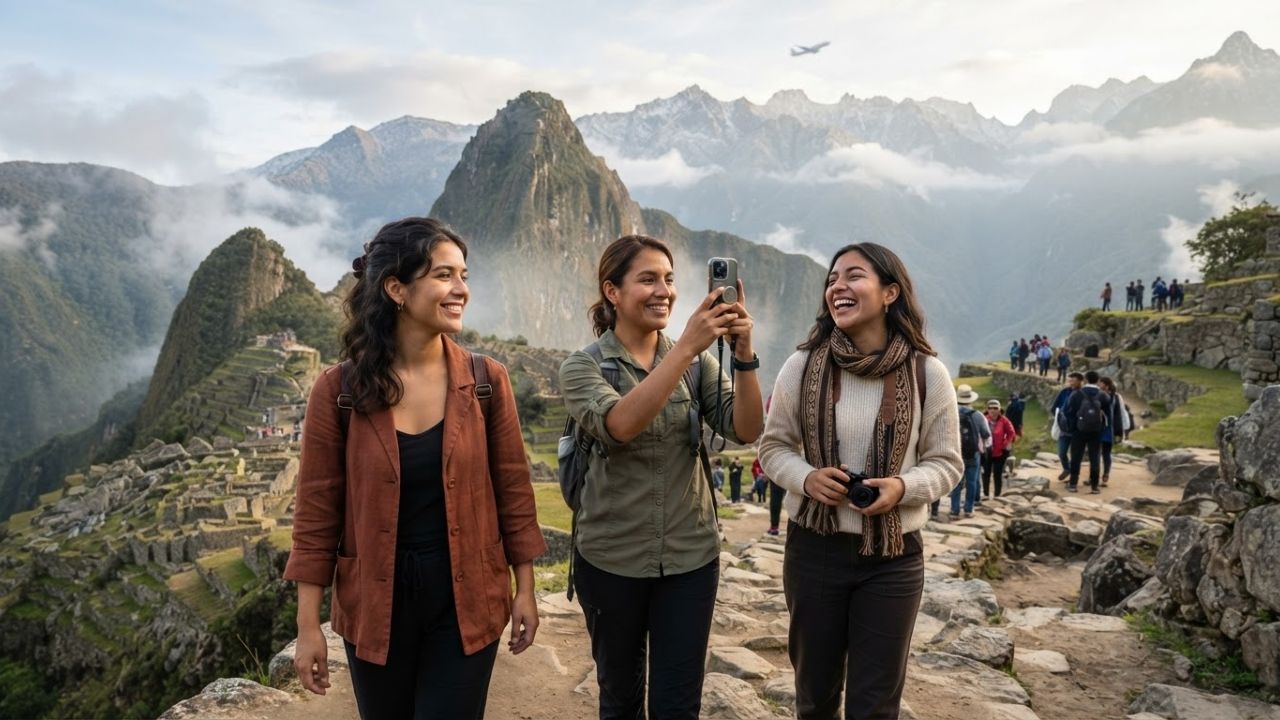
Image generated by AI
Peru is experiencing a substantial tourism expansion, welcoming 823,863 international visitors in the first quarter of 2026 as the country builds momentum toward its goal of four million annual tourists.
Chile and the United States Lead the South American Influx
Peru's strategic positioning within the South American continent is paying dividends. During the first three months of 2026, the country logged 823,863 international arrivals, establishing a robust foundation for the Ministry of Foreign Trade and Tourism (Mincetur) and its ambitious target of welcoming four million international tourists by the end of 2026.
Chile remains the most significant source market, contributing 208,792 tourists, which accounts for 25.3% of the total arrivals. This highlights how neighborly regional travel underpins Peru's hospitality sector. Meanwhile, long-haul demand is also strengthening. The United States sent 143,435 tourists in the first quarter of 2026, marking a 6.4% growth compared to the same period in 2025. Other regional contributors are displaying consistent growth: Ecuador recorded 67,429 tourists (up 4.4%), and Bolivia reached 52,545 visitors (up 5.3%). However, some markets dipped slightly, with Colombia generating 39,628 tourists (a marginal 0.1% decline) and Brazil supplying 32,818 tourists (down 4.2%). Collectively, these six nations—Chile, the United States, Ecuador, Bolivia, Colombia, and Brazil—represented 66.1% of Peru's total incoming travel demographic.
Regional Shifts and Gateway Infrastructure Dynamics
Regional proximity continues to dominate the arrivals chart. South America remains the primary region for inbound travel, contributing 53.1% of all tourists (437,261 visitors) in the first quarter. North America followed with 185,627 tourists (22.5%), Europe added 126,210 visitors (15.3%), Asia supplied 44,630 tourists (5.4%), and Central America contributed 20,841 visitors (2.5%).
High-capacity gateways manage this substantial visitor volume. Jorge Chávez International Airport in Lima is the main aerial port of entry, handling 489,455 international tourists—accounting for 59.4% of the country's inbound traffic. Meanwhile, terrestrial entry points are performing heavy lifting. The Santa Rosa Border Control Post in Tacna processed 162,936 international tourists (19.8%), the Tumbes Binational Border Assistance Centre handled 62,063 tourists (7.5%), and the Desaguadero, Carancas, and CEBAF border system in Puno managed 48,100 tourists (5.8%).
Eco-Tourism and Sustainable Community Initiatives
With over 800,000 visitors arriving in a single quarter, the ecological footprint on delicate heritage sites is a primary concern for local conservation bodies like the National Service of Natural Areas Protected by the State (SERNANP). In response, the Commission for the Promotion of Peru for Export and Tourism (PROMPERÚ) is promoting community-led tourism models in the Sacred Valley and the Amazon basin.
By booking homestays in indigenous weaving communities like Willoc and Patacancha or choosing certified ecolodges in the Tambopata National Reserve, travelers direct their spending directly into local hands. These initiatives help distribute wealth outside the crowded hubs of Cusco and Lima, helping preserve ancient Quechua heritage and protecting regional biodiversity from over-tourism.
Local Insider Travel Strategies
- When to Visit: To bypass peak crowd seasons, plan visits during the shoulder windows of April to May or September to October. During these months, the weather remains dry enough for hiking the Andes, but flight and accommodation prices drop significantly.
- Hidden Gems: Instead of queuing for hours at Machu Picchu, travel north to the cloud forests of Chachapoyas to witness the ancient fortress of Kuelap or the 771-meter-high Gocta Waterfall.
- Cultural Etiquette: When visiting markets in Pisac or San Pedro, always ask permission before taking photos of local people, especially those in traditional attire. A simple "Puedo tomar una foto?" goes a long way.
- Dining Specialties: Skip international chains and dine at local picanterías. Try rocoto relleno (stuffed spicy pepper) in Arequipa, or enjoy fresh ceviche at a neighborhood cevicheria in Lima, making sure to pair it with locally brewed chicha morada.
Future Outlook for Peruvian Destination Development
The rapid influx of 823,863 visitors in early 2026 demonstrates Peru's resilience in the global travel sector. As infrastructure expands—specifically with ongoing upgrades at Jorge Chávez International Airport—the country is well on its way to hitting its four million international tourist milestone. The key to long-term success lies in balancing this rapid commercial growth with environmental stewardship and the integration of local communities into the economic benefits of tourism.
Related Travel Guides
Disclaimer
This article is for informational and educational purposes only. It does not constitute legal, financial, or professional advice. While we strive to provide accurate and up-to-date information, travel policies, regulations, and conditions change rapidly. Always verify information with official sources before making travel decisions. Nomad Lawyer makes no representations about the accuracy, reliability, completeness, or suitability of the information provided. Readers should consult qualified professionals for advice specific to their circumstances. The views expressed in this article are those of the author and do not necessarily reflect the views of Nomad Lawyer.
Raushan Kumar
Founder & Lead Developer
Full-stack developer with 11+ years of experience and a passionate traveller. Raushan built Nomad Lawyer from the ground up with a vision to create the best travel and law experience on the web.
Learn more about our team →