AI Algorithmic Bias Drives Overcrowding in Florence and Europe's Iconic Hubs in 2026

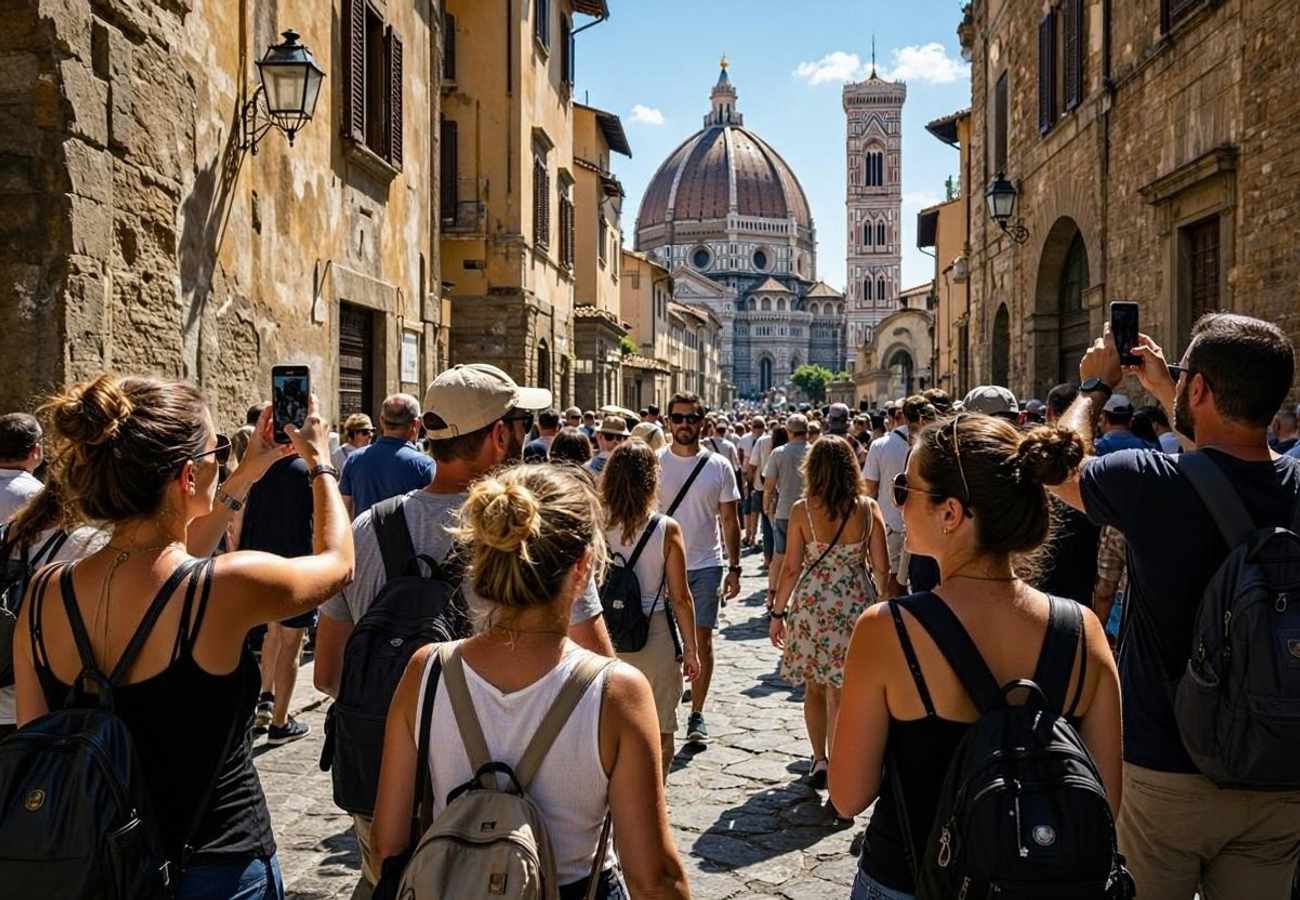
Image generated by AI
Exactly 42% of all tourist nights in European Union accommodations are crammed into just three summer months, creating a seasonal pressure cooker that threatens the survival of cities like Florence. While travelers seek authenticity, they are being herded by invisible digital gears into the same sun-baked alleys, trading genuine discovery for the predictable comfort of algorithm-fed mainstream hubs.
The Algorithmic Feedback Loop in European Travel
The current crisis in Florence and other cultural capitals is no longer just about school calendars or weather; it is about the data. Artificial intelligence travel assistants are fundamentally reshaping how the world discovers Europe. These tools rely on existing digital footprints—the millions of indexed pages, reviews, and guidebooks that already exist for "titans" like Rome and Florence.
When a traveler asks a digital assistant for an Italian itinerary, the AI scans archives where famous cities have a massive data advantage over a quiet hill town. Because the smaller village has only a handful of digital mentions, the algorithm naturally steers the user toward the mainstream choice. This creates a self-reinforcing cycle: more people visit the famous hubs, creating more digital content, which in turn makes the AI recommend those hubs even more frequently.
The Gap Between Policy and Technology
There is a dangerous disconnect between the regulatory pace in Brussels and the velocity of the commercial AI market. The European Commission has proposed strategy COM(2026) 777, which includes the Common European Tourism Data Space and updated statistics regulations intended for rollout through 2029. However, the market is moving faster.
Corporate giants like Airbnb are launching advanced AI travel agents in 2027, supplementing the existing conversational planners from OpenAI, Meta, and Google. By the time official EU protective frameworks and "business wallets" are operational, consumer habits and algorithmic training data will already be set in stone. Traditional search engine optimization (SEO) is becoming obsolete; conversational AI often provides a single, definitive answer rather than a list of alternatives, effectively erasing lesser-known destinations from the traveler's map.
European Tourism Distribution Data
The following table illustrates the structural imbalance currently plaguing the region's tourism model.
| Metric | Statistic | Impact |
|---|---|---|
| Peak Summer Concentration | 42% of all tourist nights | Severe strain on waste management and hygiene |
| Regional Concentration | 13% of regions host 50% of stays | Hyper-inflation of local housing costs |
| Policy Implementation Window | Through 2029 | Lagging behind 2027 AI agent launches |
| Primary Drivers | AI Bias & School Calendars | Homogenized visitor experiences |
Visitor Insider Tips
To escape the "algorithmic herd" and experience the real Italy and Europe, you have to intentionally bypass the AI's first suggestion.
- The "Shoulder Season" Window: Target late October or early March. You will find that the 42% summer surge vanishes, and municipal services in Florence operate with far more efficiency.
- Digital Defiance: Instead of asking an AI "Where should I go in Italy?", ask "Which towns in Tuscany have fewer than 5,000 residents but offer authentic olive oil production?" This forces the LLM to look for specific attributes rather than popularity rankings.
- Base Yourself Outside the Center: Avoid hotels in the immediate vicinity of the Duomo. Look for accommodations in Oltrarno or nearby provincial towns to avoid the highest housing price surges.
- Transport Hack: Use the Trenitalia network to visit secondary cities. High-speed rail makes it easy to spend a morning in Florence and an afternoon in a town the AI forgot to mention.
Cultural and Environmental Context
The concentration of half of all overnight stays in just 13% of European regions is not just a logistics problem; it is an existential one for local communities. In Florence, this manifests as "touristification," where local shops are replaced by souvenir stalls and residents are priced out of their own neighborhoods.
The UNESCO World Heritage Centre frequently highlights the tension between preserving the integrity of historic sites and managing the sheer volume of foot traffic. When AI directs millions to the exact same square at the same time, the physical degradation of ancient stone and the erosion of local social fabrics accelerate. The challenge for 2027 and beyond is transforming tourism from a manic summer burst into a steady, year-round economic model that supports rural enterprises and family-run guesthouses.
FAQ: Visiting Florence and Europe 2026
What is the best time to visit to avoid crowds? Avoid the three peak summer months where 42% of tourism is concentrated. Visit during the shoulder seasons (spring or autumn) to experience a more authentic atmosphere and lower prices.
How can I find "hidden gems" that AI doesn't recommend? Search for specific regional certifications (like DOP for food) or use local transport maps to find towns that lack a massive digital footprint but offer high cultural value.
Is it safe for solo travelers in these overcrowded hubs? Yes, but be vigilant in high-density areas. Overcrowding often leads to an increase in petty crime like pickpocketing in the most AI-recommended tourist squares.
Do I need a visa for Italy in 2026? Visa requirements depend on your nationality. Check the official Visit Europe portal (or the relevant EU equivalent) for the latest ETIAS or Schengen visa updates.
Stop following the algorithm and start following the map.
Related Travel Guides
This article is for informational purposes. Flight routes, passenger regulations, visa rules, and transit advisories are subject to change by airlines and aviation authorities. Readers are advised to verify schedules and travel documentation with relevant carriers and border agencies before departure.
Related Stories

European Mass Protests Disrupt Travel Across France, Italy, Belgium, and Turkey in 2026

CAPRÍSONO Festival 2026 Mexico City: Logistics, Ticket Rights, and Milpa Alta Travel Guide