Latin America Overtourism Crisis 2026: Machu Picchu and Galápagos Implement Strict Visitor Caps

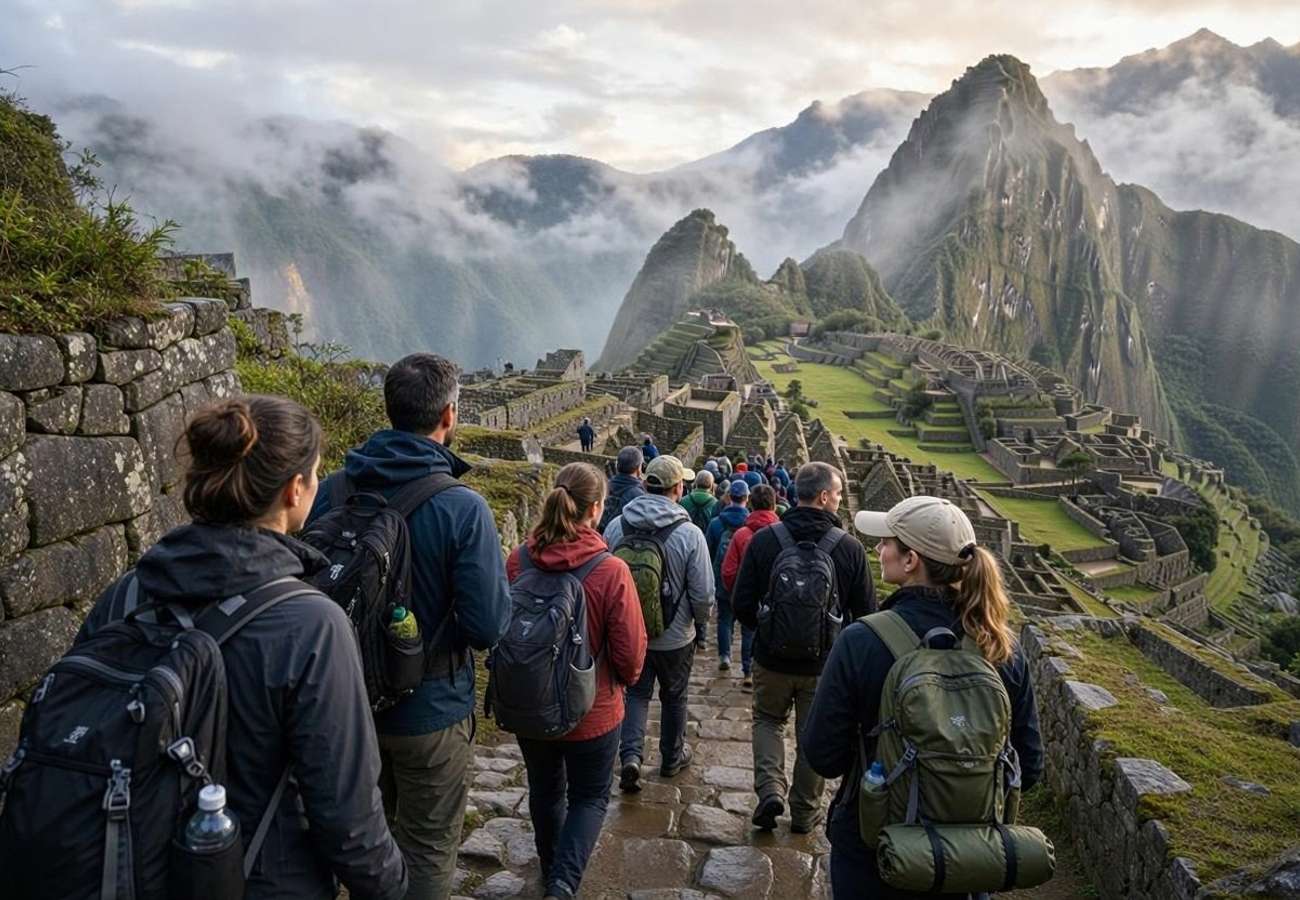
Image generated by AI
International tourist arrivals in South America surged by 7% and Central America by 5% in 2025, significantly outpacing the global growth average of 4%. This disparity signals a critical tipping point for the region's most fragile ecosystems and heritage sites, forcing a shift from volume-based growth to value-based preservation.
The Tourism Surge in Numbers: 2025-2026
The data indicates that Latin America is no longer just recovering from previous global disruptions but is experiencing a growth trajectory that threatens its primary assets. In Ecuador, the Galápagos Islands serve as a primary case study for this pressure. In 2025, the islands recorded 290,404 tourists. This momentum continued into 2026, with 158,538 visitors arriving in the first six months alone—a 9% increase compared to the same period in the previous year.
Peru is facing similar volatility at Machu Picchu. While the standard daily visitor limit is set at 4,500, the government has demonstrated a willingness to fluctuate these numbers based on high-profile events. For instance, between 16 and 19 November 2026, the daily allowance was exceptionally raised to 5,600 to accommodate a papal visit to the Cusco region. Such fluctuations raise concerns among conservationists and organizations like UNESCO, who monitor the site's structural integrity against the weight of mass foot traffic.
Comparative Regional Pressure and Policy Responses
The response to this growth varies by country, moving from financial deterrents in Ecuador to urban regulation in Mexico. Ecuador implemented a drastic price lever in August 2024, raising the conservation entrance fee for most foreign adult visitors to US$200. This is a clear attempt to decouple revenue from volume.
Meanwhile, Mexico is battling a different form of overtourism: urban gentrification. In Mexico City, the districts of Roma and Condesa have become magnets for remote workers and short-term rentals. This has shifted the local economy, leading the city to announce measures in 2025 specifically aimed at rental safeguards and affordable housing to prevent the displacement of local residents.
| Destination | 2025/2026 Metric | Growth/Change | Primary Management Strategy |
|---|---|---|---|
| South America | International Arrivals | +7% (vs 4% Global) | Visitor Caps & Fee Hikes |
| Central America | International Arrivals | +5% (vs 4% Global) | Sustainability Certification |
| Galápagos Islands | H1 2026 Visitors | 158,538 (+9% YoY) | $200 Entry Fee |
| Machu Picchu | Peak Daily Limit | 5,600 (Nov 16-19) | Time-slotted Entry |
| Mexico City | Housing Market | Rising Rents | Short-term Rental Regulation |
What This Means for Travelers
The era of spontaneous, low-cost exploration of Latin America's "icons" is ending. The data suggests a transition toward a "high-cost, low-impact" model.
- Budget for Entry Premiums: Travelers to the Galápagos must now factor in a mandatory US$200 entry fee. This is no longer a nominal tax but a significant conservation levy.
- Strict Booking Windows: With Machu Picchu's daily caps remaining rigid (except for rare diplomatic events), booking 4-6 months in advance is now a requirement rather than a recommendation.
- Diversify Destinations: Given the 9% growth in Galápagos and the overcrowding in Cusco, travelers should look toward community-based tourism. Organizations like Rutopía in Mexico are shifting traffic away from saturated hubs and toward locally managed experiences.
- Accommodation Scrutiny: In Mexico City, travelers should be aware that short-term rental regulations are tightening. Booking through licensed hotels may be more secure than unregulated apartments in Roma or Condesa.
For those seeking a more sustainable alternative, the World Tourism Organization (UNWTO) provides guidelines on diversifying travel patterns to reduce the burden on "over-visited" sites.
Forward Projection: The Shift to Regenerative Travel
Based on the current trajectory, Latin America will likely move beyond "sustainable" tourism—which seeks to minimize harm—toward "regenerative" tourism, which actively improves the destination. Costa Rica is already leading this shift through its Certification for Sustainable Tourism, which audits resource management and community engagement.
We expect to see more "de-marketing" of primary sites. Just as Ecuador used pricing to throttle demand, other nations may implement "tourism quotas" or mandatory permits for entry into sensitive zones. The rise of the "conscious traveler" is backed by data; 93% of travelers in a 2025 Booking.com study expressed a desire for sustainable choices. This shift in demand will likely accelerate the funding of community-led projects via entities like Planeterra and the Reset Tourism Fund, moving the economic benefit from international hotel chains to rural cooperatives.
FAQ: Latin America Tourism 2026
Will entry fees to the Galápagos increase further? Given the 9% increase in H1 2026 visitors, the Ecuadorian government may continue using price levers. The current US$200 fee is a baseline; further hikes are possible if visitor numbers exceed conservation thresholds.
Is it still possible to visit Machu Picchu without a guide? While regulations evolve, the strict daily caps (4,500–5,600) make official ticketing mandatory. It is highly recommended to secure permits months in advance to avoid being turned away.
How is Mexico City regulating Airbnb-style rentals? The city is introducing stronger rental safeguards and affordable housing protections to combat gentrification in neighborhoods like Roma and Condesa, which may limit the availability of short-term apartments.
Which countries offer the best sustainable certifications? Costa Rica remains the gold standard with its Certification for Sustainable Tourism, which provides a verified framework for environmental and social accountability for operators.
The battle for Latin America's icons is no longer about attracting more people, but about deciding who gets to enter and at what price.
Related Travel Guides
This article is for informational purposes. Flight routes, passenger regulations, visa rules, and transit advisories are subject to change by airlines and aviation authorities. Readers are advised to verify schedules and travel documentation with relevant carriers and border agencies before departure.
Related Stories

US and Global Biometric Border Shifts: Analyzing the 2027 Passport and E-Gate Transformation
Exploring Canada's 29 Most Stunning Lakes: Insider Guide to Alberta, BC, and Ontario 2026