Marriott International Expands 2026 Luxury Festive Programming Across 11 Americas Resorts

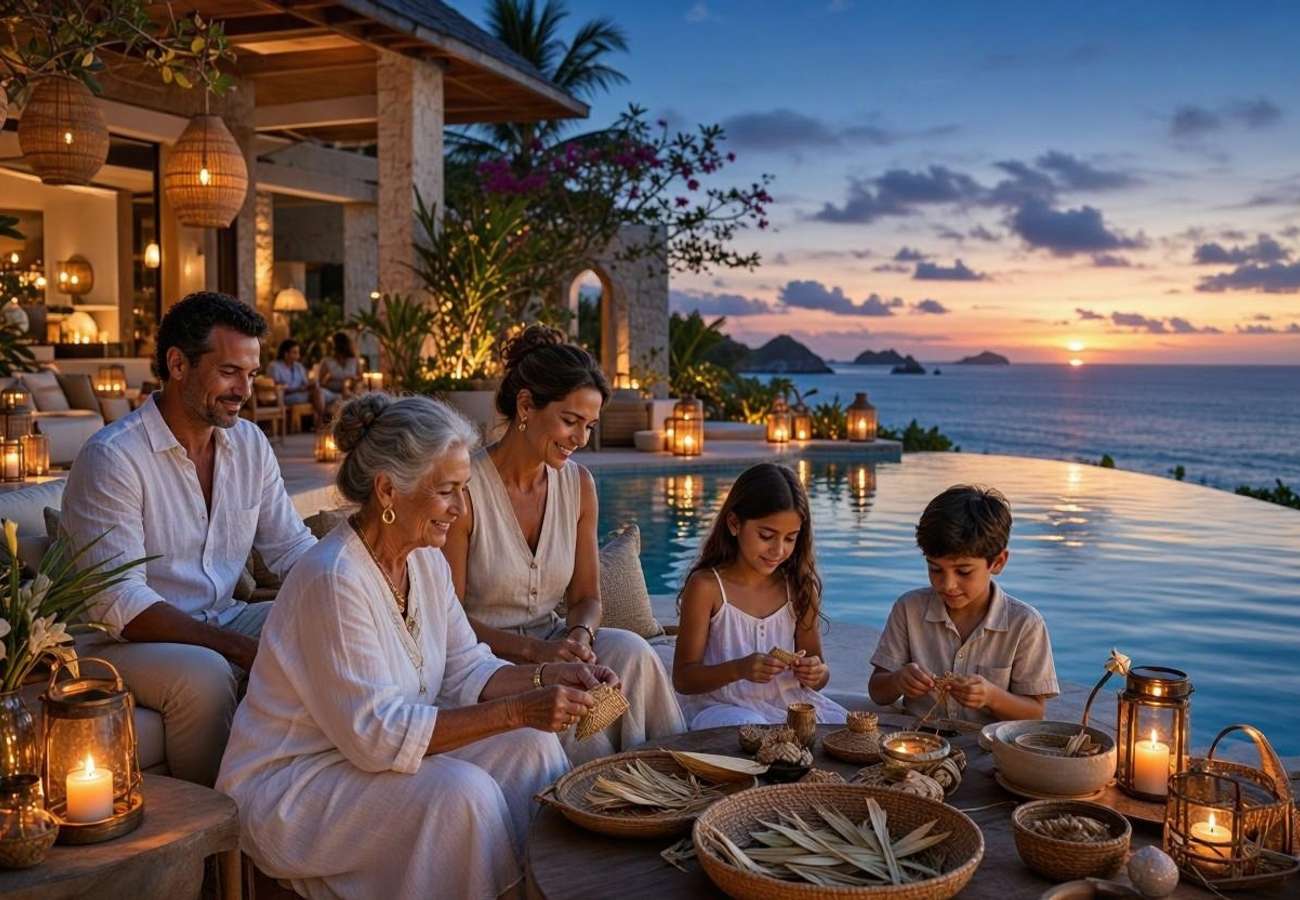
Image generated by AI
Luxury hospitality demand in the Americas has shifted from passive consumption to "experience-led" travel, with Marriott International now deploying specialized festive programming across 11 luxury assets for the 2026 season. This strategic pivot moves beyond the standard gala dinner, integrating regional cultural workshops and environmental education into the high-yield holiday window between November 26, 2026, and early January 2027.
The Festive Pivot in Numbers
The 2026 rollout focuses on the highest tiers of Marriott's portfolio, specifically the Ritz-Carlton, Ritz-Carlton Reserve, St. Regis, Luxury Collection, and W Hotels brands. The geographic distribution reveals a heavy concentration in Mexico, which hosts five of the 11 participating properties—nearly 45% of the total festive footprint.
Key operational milestones include:
- The Ritz-Carlton, Grand Cayman: Marking its 20th festive season (Emerald Anniversary) with a specific focus on marine conservation and sea turtle education for younger demographics.
- Salterra (Luxury Collection): Implementing a concentrated 15-day high-intensity program from December 19 to January 2.
- The St. Regis Cap Cana: Integrating Dominican cultural influences with traditional Thanksgiving events on November 26.
- Zadún (Ritz-Carlton Reserve): Shifting the New Year's Eve focus toward "wellness and renewal" through meditation and reflection workshops.
This move aligns with broader industry data from STR, which indicates that luxury travelers are increasingly prioritizing "transformative" experiences over traditional luxury amenities.
Regional Market Distribution and Programming
The 2026 strategy shows a clear divergence in how different regions are being positioned. While the Caribbean resorts focus on "beachfront tradition," the Mexican properties are being used as hubs for "destination discovery."
| Region | Property Count | Primary Theme | Key Event/Date |
|---|---|---|---|
| Mexico | 5 | Cultural Immersion | Three Kings Day (Jan 6) |
| Caribbean | 4 | Tropical Tradition | Emerald Anniversary (Grand Cayman) |
| Latin America | 2 | Regional Integration | Island Cookouts / Cacao Workshops |
The concentration in Mexico—specifically Los Cabos, Punta Mita, Riviera Maya, and Costa Mujeres—suggests a strategic bet on the region's ability to absorb high-net-worth individuals (HNWIs) during the Q4 peak. This is supported by UNWTO data showing a steady climb in luxury arrivals to Latin American coastal hubs.
What This Means for Travelers
For the individual traveler, the shift toward "experience-led" luxury means that traditional room-and-board bookings are no longer sufficient for a full holiday experience.
- Booking Windows: Because properties like Salterra are running condensed 15-day programs, availability for these specific "event-driven" dates will vanish faster than standard seasonal bookings. Travelers should secure reservations at least 12-16 weeks in advance for the December 19 – January 2 window.
- Activity-Based Costs: Many of the mentioned experiences—such as the private cay conch cookouts or the "Ignite the Stars" fire-themed dining—are likely to be tiered add-ons rather than inclusive amenities. Budget for "experience premiums" beyond the base room rate.
- Family Logistics: With the introduction of "Santa-themed runs" and "pirate treasure hunts," these resorts are aggressively targeting the multi-generational luxury market. If traveling with children, specifically request the "family-style" dining options at properties like St. Regis Cap Cana to avoid the rigidity of formal gala menus.
Forward Projection: The "Extended Holiday" Trend
The inclusion of Three Kings Day (January 6) at Solaz Los Cabos signals a critical industry shift: the expansion of the "festive season" beyond the traditional January 1 cutoff. By extending programming into the second week of January, Marriott is attempting to flatten the demand curve and increase the Average Daily Rate (ADR) for a period that historically sees a sharp decline.
We expect this "extended festive" model to be adopted by other luxury groups in 2027, as it allows resorts to maximize revenue from travelers who are increasingly extending their winter breaks to avoid the mid-winter slump in Northern Hemisphere markets. This mirrors the growth in "bleisure" travel, where the boundaries between holiday and personal development (wellness workshops) are blurring.
FAQ: Marriott Luxury Festive 2026
Will these festive packages increase room rates? Yes. Luxury resorts typically implement "festive pricing" during the November 26 to January 6 window, often requiring minimum stay requirements (e.g., 3-5 nights) to secure a booking.
Which destination is best for families? The Ritz-Carlton, Grand Cayman and The Ritz-Carlton, St. Thomas offer the most robust family programming, including marine conservation and themed treasure hunts.
Are these events open to non-hotel guests? While some dining experiences (like the Thanksgiving buffets) may be open to outside guests, high-demand events like the "Silver Night" fireworks are typically reserved for overnight guests.
Is there a focus on wellness in these 2026 programs? Yes. Properties like Zadún and Solaz are integrating meditation, personal reflection, and restorative wellness experiences specifically to welcome the new year.
The luxury market is no longer selling rooms; it is selling curated memories with a high-margin price tag.
Related Travel Guides
This article is for informational purposes. Flight routes, passenger regulations, visa rules, and transit advisories are subject to change by airlines and aviation authorities. Readers are advised to verify schedules and travel documentation with relevant carriers and border agencies before departure.
Related Stories

Qatar Tourism Reports 2.95 Million International Arrivals in First 10 Months of 2026

Cappadocia Luxury Cave Resorts Secure WTM London 2026 Deals Amid Strict Balloon Eco Mandates