
Nepal Open for Tourism: Ambassador Encourages Travel After Floods
Nepal Open for Tourism: Ambassador Encourages Travel After Floods

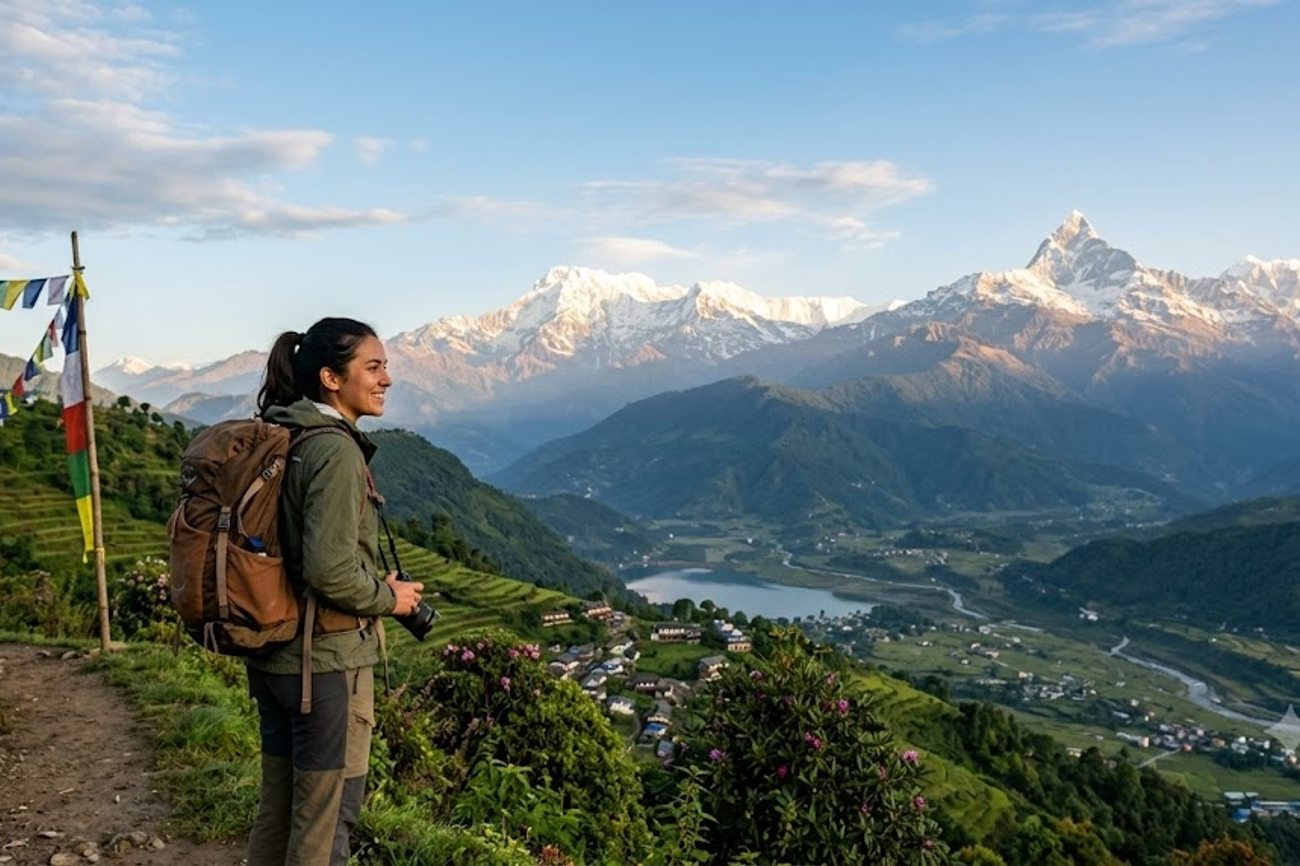
Image generated by AI
[Dhaka, September 17, 2026] — Nepal has officially declared its tourism sector fully operational and open to international visitors despite recent destructive flash floods across the Himalayan nation. Speaking at the launch of the 13th Asian Tourism Fair (ATF) in Dhaka, Nepalese Ambassador to Bangladesh Ghanashyam Bhandari issued a direct appeal to global travelers to maintain their bookings and proceed with travel plans without hesitation.
The announcement comes as a strategic effort to stabilize regional travel confidence during the 13th Asian Tourism Fair, an event running from September 17-19 at the International Convention City Bashundhara (ICCB). The fair, endorsed by the Ministry of Civil Aviation and Tourism and supported by the Bangladesh Tourism Board and BPC, serves as the primary diplomatic and commercial venue for addressing cross-border mobility and safety concerns in the wake of Nepal's environmental challenges.
The Catalyst for Diplomatic Reassurance
The urgent push for reassurance stems from recent flash floods in Nepal, which triggered international concerns regarding the safety of trekking routes, aviation stability, and hotel infrastructure. Historically, such natural disasters often led to sweeping travel warnings or immediate restrictions. However, the current administration is employing a strategy of proactive transparency to prevent a collapse in visitor numbers.
Ambassador Bhandari’s presence at the ATF is designed to counter narratives of instability. By utilizing a high-profile regional platform, the Nepalese government aims to prove that the leisure infrastructure—including airports and primary tourist hubs—remains accessible. This shift toward "operational continuity" marks a departure from previous crisis management styles, where the government might have waited for full recovery before inviting international crowds back.
Stakeholders and Market Impact
The 13th Asian Tourism Fair is not merely a promotional event but a coordinated industry response to regional disruptions. The scale of the exhibition underscores the interdependence of South Asian travel markets.
The following entities and figures define the current operational scope of the event:
- The Nepalese Delegation: A specialized 10-member team of tour operators and travel agency representatives is on the ground in Dhaka to secure new contracts and reassure Bangladeshi agents.
- Exhibition Scale: The event spans three exhibition halls featuring nearly 300 booths.
- Global Participation: Over 200 organizations from 10 different countries are presenting services.
- Industry Breadth: Participants include international airlines, luxury resorts, private tour operators, and foreign diplomatic missions.
- Government Oversight: Civil Aviation and Tourism Minister M Rashiduzzaman Millat is overseeing the proceedings as the chief guest, signaling state-level backing for the recovery of regional tourism.
For the aviation sector, this means a continued flow of passengers between Dhaka and Kathmandu. Airlines operating these routes are seeing a push for sustained load factors despite the weather alerts, as the Bangladesh Tourism Board works to facilitate seamless transit for holidaymakers.
Practical Traveler Advisory and Strategic Insights
For the average traveler, the corporate and diplomatic rhetoric translates into several practical realities. If you are currently booking a trip to Nepal or are already holding a ticket, here is the plain-language breakdown of the current situation:
1. Your Bookings are Valid The Nepalese government is explicitly stating that the country is "completely open." You do not need to expect mass cancellations from the government side, and the infrastructure for leisure travel is being maintained as a priority.
2. Direct Access to Planning Because of the ATF in Dhaka, travelers in the region have a rare window (September 17-19) to engage in direct consultations with Nepalese delegations. This allows for real-time verification of whether specific trekking routes or hotels in flood-affected zones are actually operational before paying deposits.
3. Promotional Incentives To combat the dip in confidence caused by the floods, tour operators are offering special travel packages and promotional deals at the ICCB. Travelers can likely negotiate better rates or more flexible cancellation policies during this period.
4. Safety Verifications While the Ambassador claims safety, travelers should still verify the status of specific remote regions. The "open" status refers to the national infrastructure and primary tourist circuits, not necessarily every remote trail in the Himalayas.
The Path to Regional Resilience
The strategy deployed at the 13th Asian Tourism Fair suggests a new blueprint for how South Asian nations handle environmental shocks. By integrating cultural diplomacy—such as the evening performances featuring artists from the Philippines, Nepal, and Bangladesh—with hard commercial negotiations, the region is attempting to decouple "natural disaster" from "travel risk."
The immediate timeline focuses on the conclusion of the ATF on September 19, after which the 10-member Nepalese delegation will likely report back on the volume of renewed interest and the specific concerns raised by Bangladeshi travel agents. The goal is to ensure that the "resilience" mentioned by Ambassador Bhandari translates into actual passenger manifests for the upcoming peak season.
Moving forward, the coordination between the International Convention City Bashundhara (ICCB) and foreign missions will likely increase, turning these fairs into "crisis communication hubs" rather than just sales exhibitions. This ensures that when the next weather event occurs, the communication channel between the destination and the source market remains open, preventing the economic shock of unnecessary travel bans.
FAQ: Nepal Travel Safety 2026
Is it safe to travel to Nepal after the recent flash floods? Yes. The Nepalese Ambassador has officially stated that the country is open and leisure infrastructure remains accessible. However, travelers should check specific regional alerts for remote trekking areas.
Where can I find special travel packages for Nepal right now? Special offerings and direct consultations are available at the 13th Asian Tourism Fair (ATF) at the ICCB in Dhaka through September 19, 2026.
Are flights between Dhaka and Kathmandu operating normally? Yes, the push for "operational continuity" means airlines are maintaining schedules to support the regional tourism recovery effort.
Do I need special permits due to the flood recovery efforts? Standard permits are still required. There are no new mandatory "flood permits," but it is advised to consult with the registered tour operators present at the ATF for the latest route updates.
The Himalayan gates remain open, but the price of admission now includes a heightened need for real-time verification.
Related Travel Guides
Disclaimer
This article is for informational and educational purposes only. It does not constitute legal, financial, or professional advice. While we strive to provide accurate and up-to-date information, travel policies, regulations, and conditions change rapidly. Always verify information with official sources before making travel decisions. Nomad Lawyer makes no representations about the accuracy, reliability, completeness, or suitability of the information provided. Readers should consult qualified professionals for advice specific to their circumstances. The views expressed in this article are those of the author and do not necessarily reflect the views of Nomad Lawyer.
Naina Thakur
Contributor & Travel Specialist
Travel enthusiast and legal writer covering visa regulations, responsible tourism, and cultural journeys across global destinations.
Learn more about our team →