
Why TOURISE 2027 in Riyadh Is the Ultimate Global Tourism Turning Point
Why TOURISE 2027 in Riyadh Is the Ultimate Global Tourism Turning Point

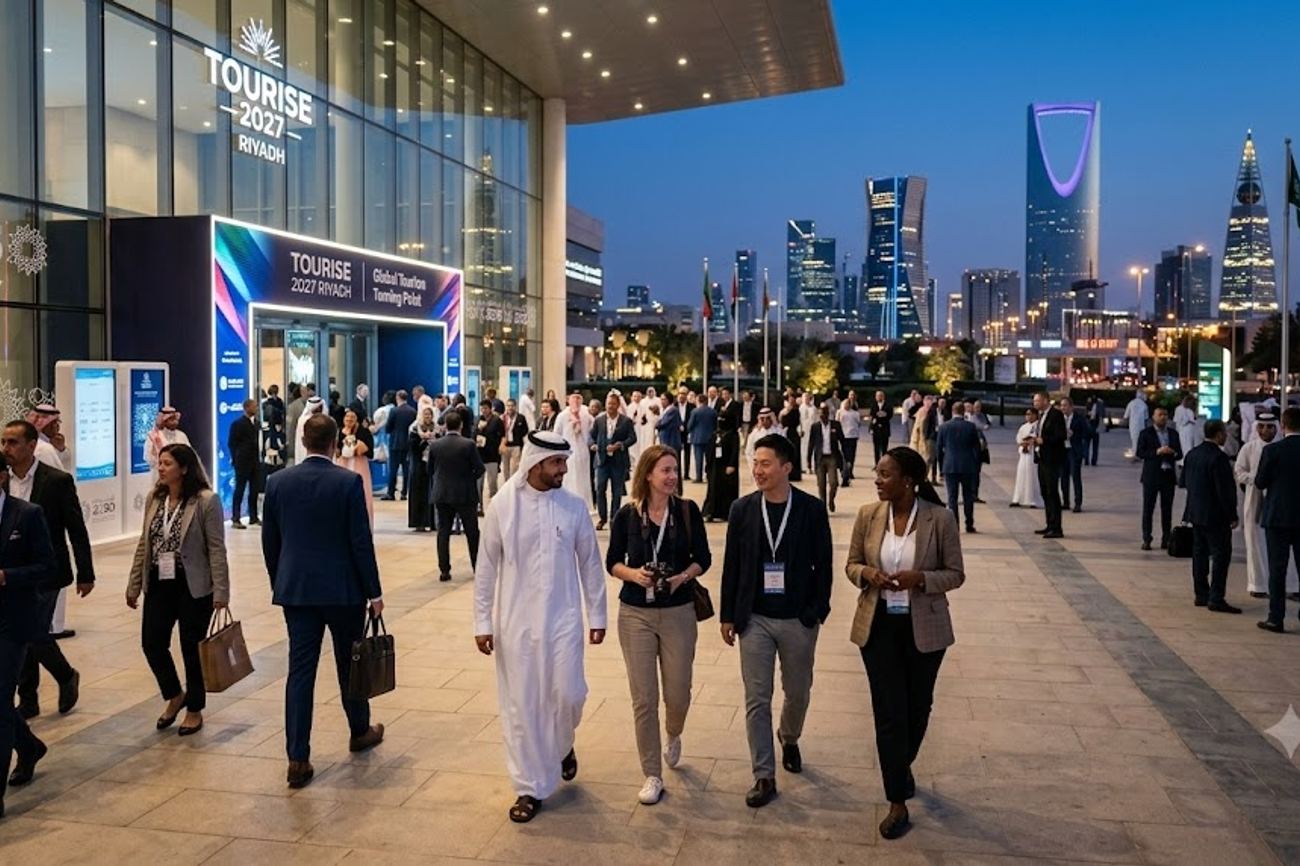
Image generated by AI
March 23 to 25, 2027, marks the window when the global travel industry will attempt to codify a half-century operational roadmap during the TOURISE summit in Riyadh. This specific three-day convergence is not merely a trade show but a strategic attempt by the Saudi Ministry of Tourism and the Saudi Tourism Authority to institutionalize a new era of "Alliances That Move the World," shifting the industry away from fragmented regional competition toward integrated, multi-lateral frameworks.
The Geopolitical Pivot to Riyadh
The selection of Riyadh as the epicenter for this structural overhaul is a calculated move to leverage Saudi Arabia's current position as a primary engine of global infrastructure investment. By establishing TOURISE as a year-round platform rather than a static annual event, the Saudi government is positioning itself as the central clearinghouse for international mobility standards. This shift occurs at a time when the traditional "hub-and-spoke" model of global travel is being challenged by a need for more resilient, data-driven destination management.
The summit's timing coincides with a broader regulatory push to harmonize cross-border movement. For decades, international travel has been hampered by siloed visa regimes and incompatible digital identities. The Riyadh framework seeks to replace these frictions with interoperable systems, essentially attempting to create a "global passport" logic that reduces the administrative burden on the traveler while increasing security for the state.
Structural Pillars and Capital Flow
The TOURISE 2027 agenda is built upon three primary axes: aggressive capital injection, technological integration, and ecological stewardship. Unlike previous industry gatherings that focused on marketing and occupancy rates, the Riyadh summit is designed to stimulate multi-billion-dollar commitments toward green-transition infrastructure.
The following table outlines the core operational shifts being pursued:
| Strategic Pillar | Legacy Approach | TOURISE 2027 Framework |
|---|---|---|
| Investment | Short-term ROI / Seasonal Assets | Long-term Public-Private Partnerships (PPP) |
| Technology | Fragmented Booking Silos | AI-driven Resource Allocation & Tracking |
| Sustainability | Carbon Offsetting (Reactive) | Integrated Ecological Safeguards (Proactive) |
| Governance | Nationalistic Visa Policies | Harmonized Cross-Border Regulations |
| Culture | Commercialized Tourism | Heritage Preservation Parallel to Modernization |
The integration of Artificial Intelligence is a central theme, specifically regarding how AI can be used for real-time traveler tracking to prevent the "over-tourism" that has plagued European capitals. By applying these tools at a systemic level, the organizers aim to balance high-yield visitor economies with the physical limits of the destination.
Expert Analysis: The End of Fragmented Mobility
For the professional traveler and the industry investor, the direct consequence of the TOURISE 2027 framework is a transition from "competition" to "cooperation" as the primary driver of growth. When the summit speaks of "Alliances That Move the World," it is signaling a move toward a consolidated global travel architecture.
The pricing pressure this creates is significant. As multi-billion-dollar public-private partnerships unlock capital for emerging markets, we will likely see a surge in high-capacity, sustainable infrastructure in regions previously ignored by major carriers and hotel chains. This expansion will naturally dilute the monopoly of established Western hubs, potentially lowering the cost of access to "frontier" destinations while increasing the premium on "certified sustainable" travel.
TOURISE 2027 aligns with Saudi Arabia's ambitious Vision 2030 goals to diversify the economy and establish the Kingdom as a premier global destination. This strategic shift is managed by the Ministry of Tourism, which focuses on expanding infrastructure and increasing international visitor arrivals.
Furthermore, the push for interoperable digital identities—championed by the International Air Transport Association (IATA)—means that the "friction" of travel is being commoditized. When visa regulations are harmonized and digital IDs become seamless, the value proposition of a destination shifts from "accessibility" to "authenticity." This is why the summit's insistence on cultural preservation is not a sentimental addition but a business necessity; in a world of seamless movement, the only remaining competitive advantage is a unique, non-homogenized cultural experience.
If these frameworks are adopted, the "next 50 years" will be defined by a shift in power from the airline and hotel operators to the platform architects—those who control the data flows and the digital identity layers that allow the traveler to move across borders.
Key Takeaways
- Strategic Timeline: The TOURISE summit will occur March 23-25, 2027, in Riyadh, focusing on a 50-year vision for international mobility.
- Investment Shift: The event aims to move beyond traditional tourism models to trigger multi-billion-dollar commitments in green-transition infrastructure and emerging markets.
- Technological Mandate: A heavy emphasis is placed on AI-driven resource allocation and the creation of interoperable digital identity solutions to streamline border crossings.
- Regulatory Goal: The framework urges governments to harmonize visa regulations to eliminate the fragmentation that currently hinders global movement.
- Sustainability Integration: Ecological safeguards are being moved from the periphery to the core of commercial frameworks to ensure high-yield, sustainable visitor economies.
FAQ: TOURISE 2027
What is the primary goal of TOURISE 2027? The summit aims to establish a unified global roadmap for the next 50 years of travel, focusing on large-scale cooperative agreements, sustainable investment, and the integration of AI to manage international mobility more efficiently.
Who is expected to attend the Riyadh summit? The guest list includes cabinet ministers, CEOs of multinational hospitality brands, international financial architects, and tech entrepreneurs specializing in mobility and digital identity.
How will TOURISE 2027 affect the average international traveler? Travelers can expect a push toward more seamless cross-border transit through harmonized visa rules and digital identity tools, as well as an increase in sustainable travel options in emerging markets.
Why is the focus on "alliances" rather than individual destination growth? The industry has recognized that fragmented regional efforts cannot solve global challenges like carbon emissions or over-tourism. Coordinated alliances allow for shared data and synchronized infrastructure investment.
The road to 2027 suggests that the future of travel is no longer about where we go, but the systemic architecture that allows us to get there.
Tags: TOURISE 2027, Saudi Ministry of Tourism, Riyadh Mobility Framework, Sustainable Tourism Investment, Global Travel Alliances 2027
Related Travel Guides
- Switzerland Aligns with United Kingdom and More Countries as Saudi Arabia Announces TOURISE 2027 Summit in Riyadh
- Uzbekistan Travel Boom: Indians With US UK Schengen Visas Get 30-Day Visa-Free Entry
- [Thailand pivots to ](/thailand-pivots-to-fashion-tourism-to-diversify-cultural-travel-beyond-beaches-and-temples)
Disclaimer
This article is for informational and educational purposes only. It does not constitute legal, financial, or professional advice. While we strive to provide accurate and up-to-date information, travel policies, regulations, and conditions change rapidly. Always verify information with official sources before making travel decisions. Nomad Lawyer makes no representations about the accuracy, reliability, completeness, or suitability of the information provided. Readers should consult qualified professionals for advice specific to their circumstances. The views expressed in this article are those of the author and do not necessarily reflect the views of Nomad Lawyer.
Naina Thakur
Contributor & Travel Specialist
Travel enthusiast and legal writer covering visa regulations, responsible tourism, and cultural journeys across global destinations.
Learn more about our team →