
USA Travel Boom: Events Transform Regional Destinations Into Powerful Tourism Hotspots
USA Travel Boom: Events Transform Regional Destinations Into Powerful Tourism Hotspots

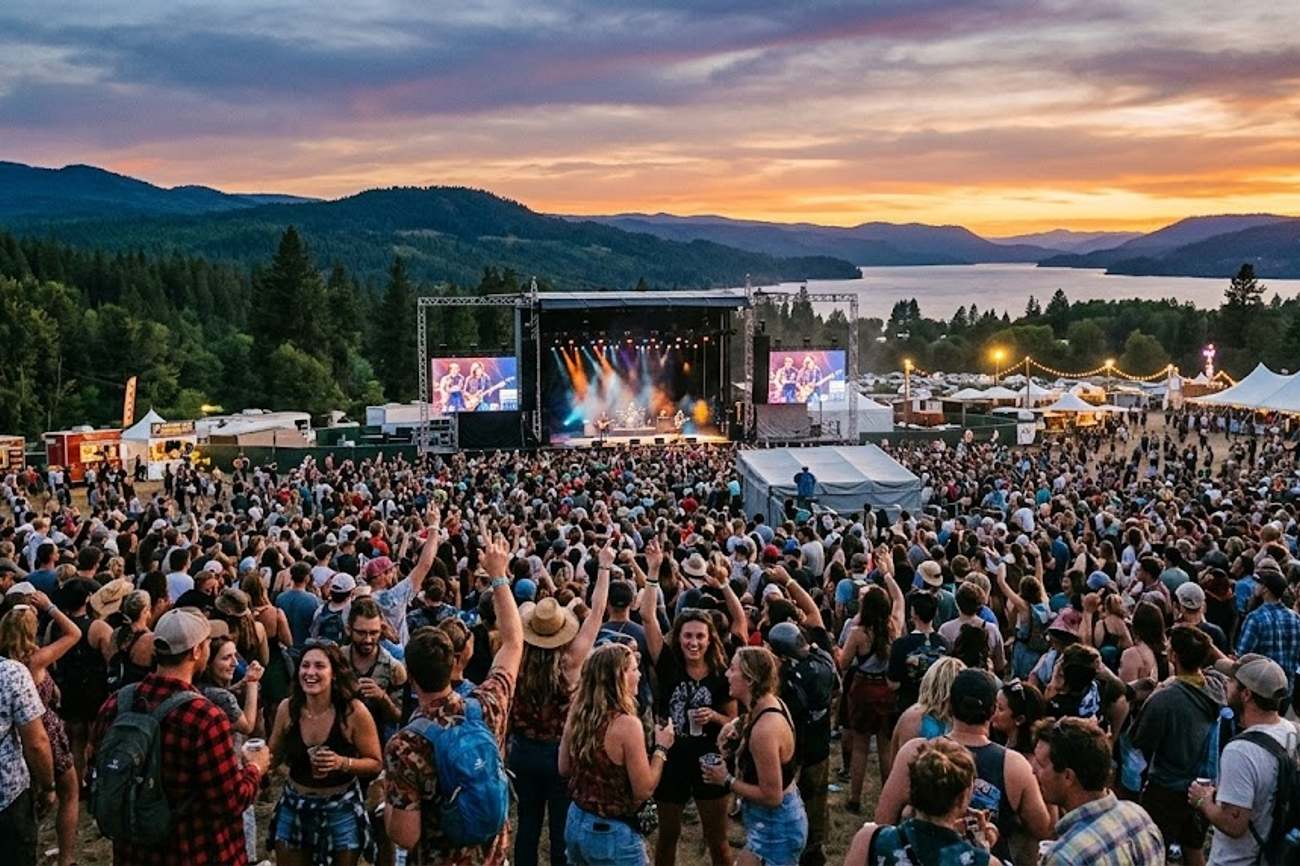
Image generated by AI
Domestic leisure travel spending in the United States has shifted from a reliance on static landmark visitation to a dynamic, event-driven model, where regional destinations are now capturing a larger share of the group travel market. This pivot is evidenced by the transition of smaller municipalities from passive destinations to active event hubs, utilizing festivals and sports tournaments to decouple their economic viability from the traditional "peak season" cycles that previously dictated regional tourism.
The Event-Driven Economy in Numbers
The current trajectory of U.S. domestic travel indicates a structural move toward "purpose-built" journeys. Rather than general exploration, a growing percentage of domestic trips are now anchored by a specific date-bound event. This shift transforms the visitor profile from the solo sightseer to the high-spend group traveler. Data suggests that event-based tourism accelerates four primary economic levers: hotel occupancy rates, group transport demand, local retail spending, and repeat visitation metrics.
For regional hubs, the value proposition is clear: a single successful heritage gathering or sporting competition can generate a visitor surge that rivals the annual baseline of a town's traditional tourism. This is particularly evident in the rise of youth sports tourism and cultural festivals, which necessitate multi-night stays. According to the World Travel & Tourism Council (WTTC), the economic impact of travel is increasingly distributed across secondary and tertiary markets, reducing the pressure on over-touristed gateways like New York or Los Angeles.
The multiplier effect of this trend is significant. A visitor attending a regional food festival does not merely purchase a ticket; they engage in a chain of spending that includes lodging, dining, and local transportation. This creates a sustainable economic loop where tourism revenue funds the preservation of the very cultural assets—such as historical reenactments or craft fairs—that attract the visitors in the first place.
Regional Market Shift: Traditional vs. Event-Based Tourism
The transition from traditional sightseeing to event-driven travel is most visible when comparing the spending patterns and visitor demographics of regional destinations. Traditional tourism often relies on "pass-through" traffic, whereas event tourism secures "destination" traffic.
The following table illustrates the shift in tourism dynamics for regional U.S. destinations moving from a general attraction model to an event-centric model.
| Metric | Traditional Sightseeing Model | Event-Driven Tourism Model | Trend Impact |
|---|---|---|---|
| Visitor Profile | Individual / Couple | Groups / Families / Teams | Higher per-trip spend |
| Stay Duration | Short-term / Day trip | Multi-night / Extended | Increased RevPAR |
| Seasonality | High Peak / Low Off-Peak | Distributed / Event-Specific | Year-round stability |
| Primary Driver | Landmarks / Natural Sites | Festivals / Tournaments | Date-specific demand |
| Spending Focus | Entry fees / Souvenirs | Lodging / Dining / Retail | Local business growth |
This shift is supported by broader data from Statista, which shows a continuing preference among U.S. consumers for "experiential" travel over passive consumption. The movement toward authentic, community-led experiences is allowing small towns to build recognizable "tourism brands" based on niche identities—such as a specific regional music style or a unique seasonal celebration—rather than attempting to compete with the scale of major metropolitan hubs.
Practical Traveler Advisory and Strategic Insights
For the individual traveler and the digital nomad, the rise of event-driven regional tourism changes the booking calculus. The "off-season" is becoming a fluid concept; a town that is quiet in October may be completely booked due to a youth sports tournament or a heritage festival.
Actionable Booking Advice:
- Monitor Event Calendars, Not Just Seasons: If you are planning a trip to a regional U.S. destination, cross-reference your dates with local community calendars. Booking 12-16 weeks in advance is now essential for regional hubs during event windows, as group bookings (sports teams and community organizations) often sweep up available hotel inventory months before individual travelers.
- Leverage Group Rates: Since events drive group travel, look for "event packages" offered by local hotels. These often include bundled dining or transport options that are more cost-effective than booking a la carte.
- Diversify Your Destinations: The data shows that smaller cities are investing heavily in infrastructure—such as new stadiums and recreation centers—to attract year-round visitors. Travelers can find higher-quality amenities in unexpected regional locations that were previously under-developed.
- Budget for "Experience Premiums": During major cultural or sporting events, expect dynamic pricing to hit regional markets. Use flight and hotel aggregators to track price spikes coinciding with event dates to determine if shifting your trip by 48 hours could result in significant savings.
Forward Projections: The Infrastructure Pivot
Based on current market movements, the next 24 to 36 months will see an acceleration in "infrastructure-led" tourism. Regional governments are no longer relying on existing charm; they are actively building assets—tournament complexes, convention centers, and specialized performance venues—to manufacture demand.
We are seeing a transition where the "event" is the product, and the "destination" is the backdrop. This suggests that the International Air Transport Association (IATA) may see increased demand for regional airport expansions as travelers bypass major hubs to fly directly into smaller cities for specific events.
Furthermore, the integration of "authentic storytelling" into cultural tourism will likely lead to a rise in curated, high-ticket heritage experiences. As travelers move away from crowded landmarks, the market value of "exclusive access" to local traditions and community-led exhibitions will increase, driving up the average daily spend per visitor in regional America.
FAQ: US Event Tourism 2024-2025
Will hotel prices in small towns increase? Yes. As regional destinations pivot to event-based models, they are adopting dynamic pricing. During festivals or tournaments, rates will spike significantly. Booking early or choosing dates outside of major event windows is the best way to avoid these premiums.
Is this a good time to visit regional USA? Absolutely. The investment in new sports and cultural facilities means that smaller towns now offer amenities (dining, lodging, and entertainment) that were previously only available in major cities, providing a more comfortable "authentic" experience.
Which types of events are driving the most growth? Youth sports tournaments and cultural heritage festivals are currently the strongest drivers. These events are particularly valuable because they attract large groups and families, who typically stay longer and spend more than solo leisure travelers.
How do I find these regional events? Avoid generic travel guides. Instead, monitor local Chamber of Commerce websites, regional tourism boards, and specialized sports tournament schedules to identify high-value event windows.
The map of American tourism is being redrawn, shifting the economic center of gravity from the skyline to the town square.
#USA-Regional-Growth-2024 #Event-Driven-Tourism #Group-Travel-Metrics #US-Domestic-Leisure-Trends #Regional-Economic-Multiplier
Related Travel Guides
Disclaimer
This article is for informational and educational purposes only. It does not constitute legal, financial, or professional advice. While we strive to provide accurate and up-to-date information, travel policies, regulations, and conditions change rapidly. Always verify information with official sources before making travel decisions. Nomad Lawyer makes no representations about the accuracy, reliability, completeness, or suitability of the information provided. Readers should consult qualified professionals for advice specific to their circumstances. The views expressed in this article are those of the author and do not necessarily reflect the views of Nomad Lawyer.
Naina Thakur
Contributor & Travel Specialist
Travel enthusiast and legal writer covering visa regulations, responsible tourism, and cultural journeys across global destinations.
Learn more about our team →