
Memphis Alongside Oakland, Detroit and More Among America’s Most Dangerous Cities in 2026 as Violent Crime Rates Shock Travelers
Memphis Alongside Oakland, Detroit and More Among America’s Most Dangerous Cities in 2026 as Violent Crime Rates Shock Travelers

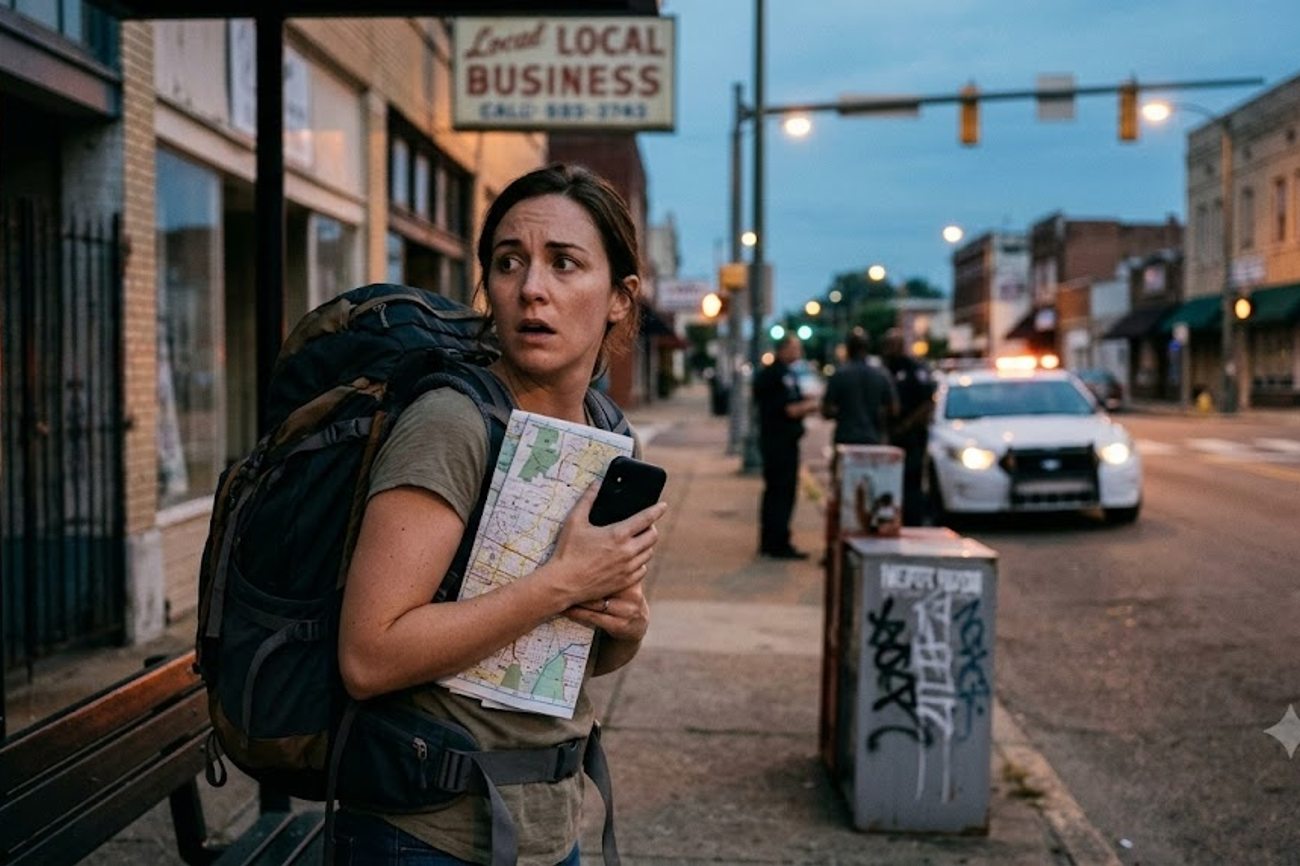
Image generated by AI
title: Navigating the Realities of High-Crime US Hubs in 2026 description: A local's guide to visiting Memphis, Oakland, Detroit, Little Rock, and Baltimore through a lens of safety and cultural nuance. date: 2026-10-14 tags: [Memphis-Travel-2026, Oakland-Safety-Guide, Detroit-Urban-Tourism, Baltimore-Inner-Harbor, US-City-Safety]
In Memphis, the statistical reality of 2,501 violent crime incidents per 100,000 residents suggests a city in crisis, yet the experience of walking Beale Street is worlds apart from the data found in citywide datasets. This disconnect is the defining characteristic of visiting several major American urban centers in 2026. For the uninitiated, a crime spreadsheet looks like a warning sign; for those of us who have lived and worked in these corridors, it is a map that tells you where to go and, more importantly, where to avoid.
The Geographic Concentration of Risk
The current discourse surrounding US urban safety often fails to mention that crime is not a fog that settles evenly over a city. Instead, it exists in pockets. In 2026, cities like Oakland and Detroit continue to report high per-capita violence—1,925 and 1,781 incidents per 100,000 residents, respectively—but these numbers are heavily skewed by specific blocks and neighborhoods struggling with systemic economic collapse.
When you visit a city like Baltimore, where the rate sits at approximately 1,606 per 100,000, you are seeing a city in transition. While it remains in the top tier of high-risk rankings, the trend is moving downward. The risk profile of the Inner Harbor is fundamentally different from the residential sectors just a few miles away. This is the "micro-climate" of urban safety: the security infrastructure, police presence, and commercial density of tourist zones create a protective bubble that the citywide statistics simply cannot capture.
What Makes These Cities Different
Each of these destinations offers a cultural depth that far outweighs the anxiety generated by a data table. The draw of these cities is often their raw, unfiltered authenticity—the very thing that sometimes clashes with the sanitized version of travel found in brochures.
In Memphis, the pull is the soul of the Mississippi Delta. The city is the epicenter of American music history, but the high rate of firearm violence and aggravated assaults means that the city's rhythm is punctuated by a heightened sense of vigilance. In Oakland, the energy is one of political activism and artistic rebellion, though this is countered by a specific risk of organized retail theft and carjackings that targets the mobile traveler.
Detroit represents the ultimate American story of industrial rise and fall. With a violent crime rate of about 1,781 per 100,000, the city is a study in contrasts. You can move from a gleaming, revitalized downtown core to a neighborhood where the infrastructure has vanished in a matter of five minutes. Little Rock, recording 1,672 incidents per 100,000, offers a quieter, more Southern experience, but one where weapons offenses remain a persistent concern for those wandering off the beaten path.
Visitor Insider Tips
Navigating these cities requires a shift in mindset from "sightseeing" to "situational awareness." Here is how to handle the logistics like a local.
Transport and Vehicle Safety In Oakland, your car is a target. If you are using a rental, never leave a single item—not even a charging cable or a gym bag—visible in the cabin. Professional theft rings operate with speed; a window can be smashed in seconds. Whenever possible, rely on the extensive Bay Area public transit systems to avoid the risks associated with parking in unfamiliar districts. For those visiting Detroit, avoid relying on spontaneous late-night transport. Arrange your rides via reputable apps or hotel shuttles before you leave for concerts or sporting events, as availability becomes unpredictable after midnight.
Neighborhood Selection Base yourself in the "protected" zones. In Baltimore, the Inner Harbor is the gold standard for visitor safety due to concentrated policing. In Memphis, stick to the established entertainment districts. When booking accommodation, do not search by city; search by specific street or block. Use local forums to verify if a hotel's immediate surroundings are hospitable after dark.
Local Etiquette and Movement The most important rule in high-risk urban centers is to avoid "tourist drift." This happens when a traveler wanders aimlessly into a residential area because it "looks interesting." In cities like Little Rock and Detroit, if you find yourself in a neighborhood where the commercial activity has ceased and the street lighting is poor, turn back immediately. Maintain a purposeful pace and avoid using your phone as a primary navigation tool while walking; step into a shop or cafe to check your map.
For official travel requirements and regional safety updates, refer to the U.S. Department of State or the Official Tennessee Tourism portals to understand current local advisories.
Cultural and Environmental Context
The high crime statistics in these cities are not random; they are the scars of decades of disinvestment, segregation, and economic shifts. When a traveler looks at the 2026 data for Baltimore or Memphis, they are seeing the result of systemic failures rather than a lack of community spirit.
Tourism in these areas acts as a double-edged sword. On one hand, the influx of visitors to districts like Beale Street provides essential revenue and justifies increased security and infrastructure. On the other hand, it creates a stark visual divide between the "sanitized" tourist zones and the neglected residential areas. This disparity can lead to tension between the local population and the visitor class.
Preserving the heritage of these cities—such as the UNESCO World Heritage recognized sites or local landmarks—requires a balance. The challenge for 2026 is ensuring that tourism doesn't just create "safe islands" in a sea of risk, but instead contributes to the broader stabilization of the city. When you visit, supporting local-owned businesses outside the immediate tourist bubble (but within safe zones) helps distribute the economic benefits of travel more equitably.
FAQ: Visiting High-Risk US Cities 2026
What is the best time to visit these cities? Spring and autumn are ideal for weather. However, regardless of the season, the best "time" is during daylight hours. Plan your outdoor explorations between 9:00 AM and 6:00 PM to minimize exposure to the higher crime rates associated with nighttime activity.
Do I need a special visa to visit these US cities? Visa requirements are determined by the US federal government, not the individual city. Depending on your nationality, you may need a B1/B2 visitor visa or an ESTA waiver. Check the official US Customs and Border Protection website for current rules.
How do I get to the city centers from major hubs? Most of these cities are served by major airports (e.g., MEM in Memphis, DTW in Detroit). Use authorized airport taxis or ride-sharing apps for the trip to your hotel. Avoid accepting rides from unofficial solicitors in the arrivals terminal.
Is it safe for solo travelers? Yes, provided you adhere to strict situational awareness. Stick to high-traffic areas, keep your accommodation in a well-reviewed tourist district, and always share your live location with a friend or family member via your smartphone.
The city is not the statistic; the magic is found in the gaps between the data points.
Related Travel Guides
- South Africa Overtakes Egypt And More African Countries In Lifting Emirates Passenger Boom With 8 Million Travellers As Demand And Booking Rises
- Scotland Pairs Up With Ireland And More Independence Alliance Partners As Tourism Watches Historic UK Self Determination Move
- Norway Stands Firmly With Turkey And More As Italy Updates Travel Advisory With Safety Warnings On Protests And Digital Conduct
Disclaimer
This article is for informational and educational purposes only. It does not constitute legal, financial, or professional advice. While we strive to provide accurate and up-to-date information, travel policies, regulations, and conditions change rapidly. Always verify information with official sources before making travel decisions. Nomad Lawyer makes no representations about the accuracy, reliability, completeness, or suitability of the information provided. Readers should consult qualified professionals for advice specific to their circumstances. The views expressed in this article are those of the author and do not necessarily reflect the views of Nomad Lawyer.
Naina Thakur
Contributor & Travel Specialist
Travel enthusiast and legal writer covering visa regulations, responsible tourism, and cultural journeys across global destinations.
Learn more about our team →