
Hawaii's $6 Million Sports Tourism Strategy: Honolulu Marathon, LPGA Lotte Championship, and High-Yield Travel Shifts

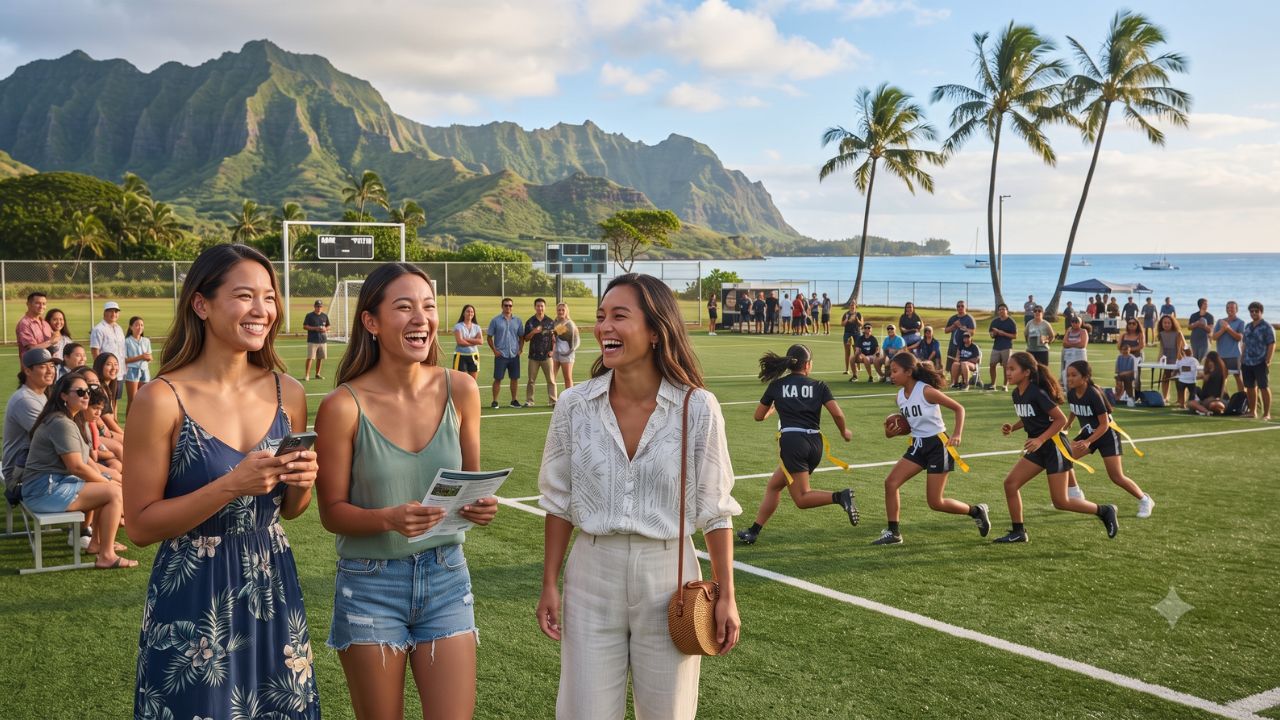
While mass leisure beachgoers often seek all-inclusive bargains, participant sports travelers visiting Hawaii generate some of the highest daily per-capita spending across the islands—demonstrated by the Honolulu Marathon alone drawing between 10,000 and 12,000 runners exclusively from Japan. Backed by a dedicated $6 million budget from the Hawaii Tourism Authority, the state is aggressively repositioning its visitor economy around marquee athletic competitions that prompt extended family vacations and multi-island stays.
The strategic pivot marks a fundamental evolution in Hawaiian destination management. By shifting away from raw arrival headcounts and focusing on high-value, event-driven travel, tourism planners are using professional tournaments, endurance challenges, and youth sports leagues to stimulate the visitor economy during traditional shoulder seasons. Major western United States source hubs—including San Francisco, Las Vegas, Los Angeles, Seattle, Phoenix, and Southern California—are supplying both premier professional athletes and traveling sports families who patronize local farm-to-table restaurants, boutique hotels, and regional equipment outfitters.
High-Profile Tournaments and Participant Sports Drive the 2026 Calendar
Hawaii’s sports tourism calendar weaves together global professional showcases with mass-participation endurance races:
Professional Showcases and Exhibition Matches
On Oahu, the LPGA Lotte Championship brings the world’s elite women golfers to premier island fairways, drawing dedicated golf enthusiasts across North America and Asia. In professional basketball, the Golden State Warriors and the Los Angeles Clippers have taken the court in Hawaii for preseason action and community clinics, driving strong inter-island and trans-Pacific ticket demand.
International Mass-Participation Racing
Beyond spectator events, participant athletes represent an economic engine because competitors rarely travel alone. The legendary Honolulu Marathon brings over 10,000 to 12,000 Japanese participants alongside thousands of mainland runners, accompanied by family supporters who book week-long hotel stays. Similarly, the Honolulu Century Ride attracts over 250 cyclists from Japan and an equal contingent from the continental United States, integrating scenic coastal road cycling with Hawaiian holiday itineraries.
Youth Sports and Emerging Athletic Leagues
The Hawaii Tourism Authority is developing an invitational girls’ flag football tournament partnering with teams connected to six major American football franchises across Arizona, Las Vegas, Southern California, Los Angeles, San Francisco, and Seattle. These youth tournaments generate extensive room bookings as families travel with student athletes, coaches, and relatives. Looking ahead, tourism authorities are evaluating Banana Ball exhibition games and international volleyball tournaments tied to 2028 Olympic preparations.
Economic Allocation and Event Impact Breakdown
The following table summarizes the strategic investment pillars, target sporting events, source markets, and economic dynamics underpinning Hawaii's sports tourism drive:
| Sporting Category | Featured Competitions | Key Geographic Source Markets | Core Economic Impact |
|---|---|---|---|
| Professional Golf & Basketball | LPGA Lotte Championship, NBA (Warriors vs Clippers) | California, Nevada, Japan, South Korea | Global broadcast visibility & luxury resort stays |
| International Marathon | Honolulu Marathon (10,000–12,000 Japanese runners) | Japan, West Coast US, Australia | Multi-night hotel bookings & retail spending |
| Endurance Cycling | Honolulu Century Ride (>250 Japanese & US riders) | Japan, Continental United States | Equipment rentals, eco-tours & outer-island trips |
| Youth & School Athletics | Girls' Flag Football (6 NFL market franchises) | Las Vegas, San Francisco, LA, Seattle, Arizona | Family travel groups & off-season dining |
| Emerging Showcase Sports | Banana Ball & 2028 Olympic Volleyball Qualifiers | Mainland US, Pan-Pacific nations | Shoulder-month occupancy & stadium attendance |
| Tourism Authority Budget | $6 Million dedicated sports allocation | Targeted national & international campaigns | High-yield visitor retention & local business support |
What Makes Hawaii's Sports Tourism Distinctive
Unlike mainland stadium complexes isolated within industrial zones, sports events in Hawaii immerse athletes directly into living island environments. Golfers navigate coastal trade winds with panoramic views of the Pacific, marathoners run the oceanfront stretch of Kalakaua Avenue past Diamond Head, and cyclists traverse the winding coastal routes of East Oahu from Kapiolani Park to Sandy Beach.
This natural outdoor setting encourages travelers to extend their trips, turning a three-day tournament into a ten-day inter-island holiday exploring Maui, Kauai, or the Island of Hawaii. Sports visitors actively support independent surf instructors, bike hire shops, local shave ice stands, and native Hawaiian cultural tours.
Visitor Insider Tips for Athletic and Event Travelers
Planning a sports-focused vacation or race entry across the Hawaiian Islands requires specialized preparation:
- Navigating Marathon and Race Weekends: During the Honolulu Marathon in early December, major thoroughfares including Ala Moana Boulevard, Kalakaua Avenue, and Kalanianaole Highway experience phased road closures starting at 4:00 AM. If you are staying in Waikiki, walk to the start line at Ala Moana Beach Park rather than attempting to hail rideshare vehicles. Official visitor guidance is detailed on Go Hawaii.
- Bike Shipping and Rental Hacks: Instead of paying hefty airline oversize baggage fees to transport racing bicycles across the Pacific, reserve high-performance carbon road bikes in advance from specialized bike shops in Honolulu, Kailua, or Lahaina. Bring your own pedals and clip-in shoes for customized fits.
- Neighborhood Lodging Bases: For events on Oahu, stay in Kaimuki or Kapahulu for authentic local neighborhood dining (such as poke bowls at Ono Seafood or malasadas at Leonard's Bakery) while remaining within a five-minute drive of event hubs at Kapiolani Park and Stan Sheriff Center.
- Acclimatization and Sun Protection: Hawaii's tropical trade winds can mask high humidity and intense UV exposure. Arrive at least two days before endurance races to acclimatize, consume electrolytes with coconut water, and apply reef-safe sunscreen (free of oxybenzone and octinoxate) mandated by Hawaii state law.
Cultural Stewardship and Environmental Conservation
Hawaiian culture places deep emphasis on malama aina (caring for the land) and kuleana (personal responsibility). The expansion of sports tourism is intentionally coordinated with conservation initiatives across national park reserves, including the active volcanic terrain of Hawaii Volcanoes National Park and the alpine crater of Haleakala—both protected under the National Park Service—alongside marine sanctuaries like the UNESCO World Heritage Site of Papahānaumokuākea.
Athletes and traveling families are encouraged to participate in community beach cleanups, support Native Hawaiian taro farming restorations in Waiahole, and respect sacred cultural landmarks (heiau). By aligning high-energy sporting events with cultural stewardship, Hawaii ensures that event-driven tourism directly sustains the natural beauty and local communities that make the islands extraordinary.
FAQ: Visiting Hawaii for Sports Events in 2026
How many international runners participate in the Honolulu Marathon?
The Honolulu Marathon regularly welcomes between 10,000 and 12,000 runners from Japan alone, alongside thousands of competitors from the continental United States and international destinations.
How is Hawaii funding its sports tourism initiative?
The Hawaii Tourism Authority has allocated approximately $6 million from its state tourism budget specifically to attract high-value sporting events and support athletic infrastructure.
What environmental sunscreen rules apply to athletes in Hawaii?
Hawaii state law prohibits sunscreens containing oxybenzone and octinoxate. All outdoor athletes must use mineral, non-nano zinc oxide or titanium dioxide reef-safe sunscreens.
Which NBA teams play exhibition games in Hawaii?
The Golden State Warriors and the Los Angeles Clippers have scheduled preseason games and community training camps in Honolulu to engage regional fans.
From the sunrise starting line at Diamond Head to the championship fairways of Oahu, Hawaii proves that the world's finest sports arena is the natural world itself.
Related Travel Guides
Disclaimer
This article is for informational and educational purposes only. It does not constitute legal, financial, or professional advice. While we strive to provide accurate and up-to-date information, travel policies, regulations, and conditions change rapidly. Always verify information with official sources before making travel decisions. Nomad Lawyer makes no representations about the accuracy, reliability, completeness, or suitability of the information provided. Readers should consult qualified professionals for advice specific to their circumstances. The views expressed in this article are those of the author and do not necessarily reflect the views of Nomad Lawyer.
Raushan Kumar
Founder & Lead Developer
Full-stack developer with 11+ years of experience and a passionate traveller. Raushan built Nomad Lawyer from the ground up with a vision to create the best travel and law experience on the web.
Learn more about our team →