Sendas del Tren: Paraguay Launches South America’s Longest Planned Rail-Trail Cycling Greenway

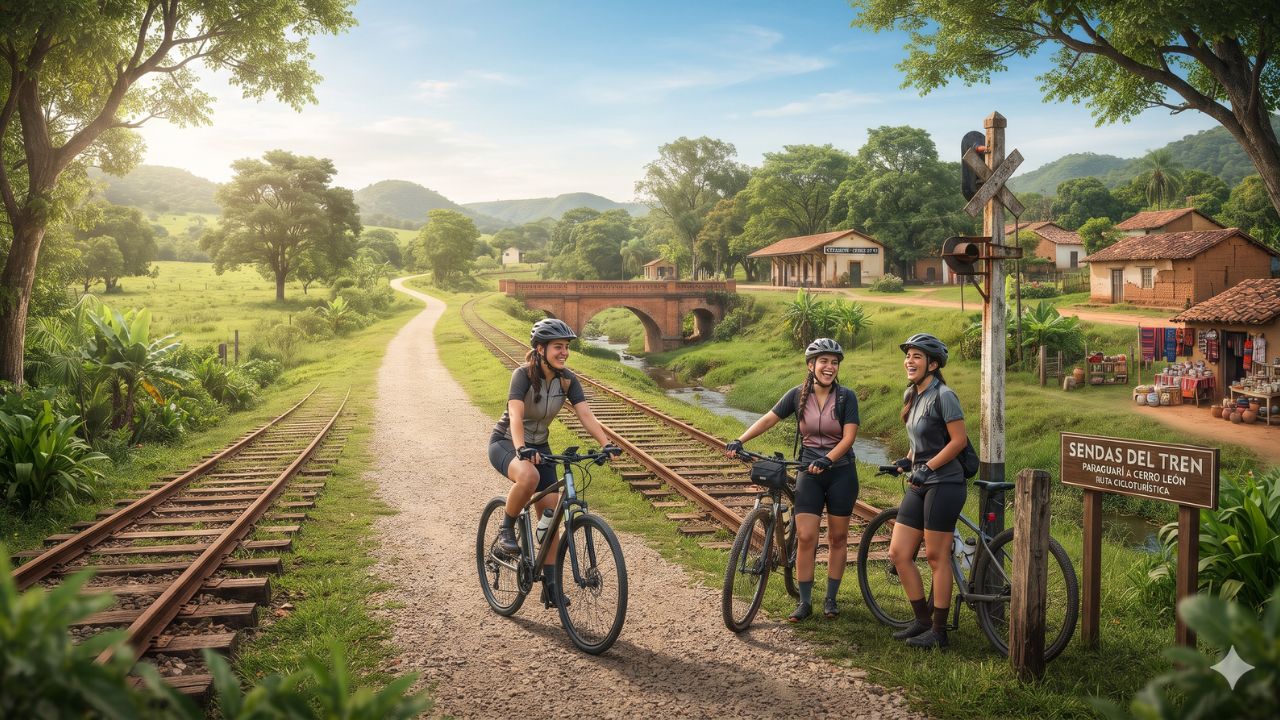
Built atop South America's earliest steam railway corridor dating back to 1861, Paraguay's new gravel greenway converts hundreds of kilometers of abandoned iron tracks into an eco-cycling route where riders pedal past 19th-century water towers, handcrafted artisan villages, and subtropical serranía hills.
On 1 November 2026, Paraguay officially inaugurated the opening eight-kilometer section of Sendas del Tren, a transformational infrastructure project converting derelict railway right-of-ways into a dedicated cycling and hiking path. Connecting the historic railway terminus in Paraguarí with Cerro León near Pirayú, this initial segment represents the first phase of an ambitious 420-kilometer recreational corridor. Once fully realized, the trail will span five departments between the capital city of Asunción and the southern border port of Encarnación, establishing what is slated to become South America's longest continuous rail-trail greenway.
Transforming Historic Steam Corridors into Green Mobility
The genesis of Sendas del Tren lies in the physical preservation of the Ferrocarril Presidente Carlos Antonio López. Established in the mid-19th century, Paraguay’s national railway operated British-built wood-burning steam locomotives until service gradually ceased in the late 1990s and early 2000s. Decades of abandonment left the trackbeds overgrown with dense brush and invasive creepers, while historic wooden bridges suffered severe rot.
Under an inter-institutional initiative coordinated by the Secretaría Nacional de Turismo de Paraguay (SENATUR), national railway holding Ferrocarriles del Paraguay S.A. (FEPASA), and regional municipalities, restoration crews cleared overgrowth, reinforced ballast foundations, leveled compacted soil and gravel surfaces, and restored historic steel-and-timber bridges.
The initial eight-kilometer run provides a flat, gentle gradient ideal for recreational riders, gravel-bike tourers, and families. Starting at the restored brick passenger station in Paraguarí—where 19th-century mechanical scales and telegraph desks remain on display—the route winds northeast through cattle pastures and forested gullies toward the rolling terrain of Cerro León. The immediate construction target focuses on completing the full 18-kilometer connection directly into downtown Pirayú before engineers begin works on subsequent departmental segments.
Master Plan Breakdown and Departmental Route Stages
The master plan for Sendas del Tren follows the historic mainline across five administrative departments, connecting distinct cultural traditions and natural ecosystems.
| Trail Corridor Segment | Administrative Department | Distance & Development Status | Historical & Cultural Milestones |
|---|---|---|---|
| Paraguarí to Cerro León | Paraguarí | 8 km (Inaugurated 1 Nov 2026) | Historic Paraguarí Station, serranía scenery, farmsteads |
| Cerro León to Pirayú | Paraguarí | 10 km (Under development, 18 km total) | Campamento Cerro León historic site, colonial streets |
| Asunción to Ypacaraí | Capital / Central | Planned urban & suburban sector | Costanera de Asunción, Lake Ypacaraí cultural basin |
| Paraguarí to Villarrica | Paraguarí / Guairá | Planned central agricultural leg | Sugar cane plantations, Cordillera del Ybytyruzú views |
| Villarrica to Caazapá | Guairá / Caazapá | Planned southern pastoral leg | Franciscan heritage routes, traditional artisan towns |
| Caazapá to Encarnación | Caazapá / Itapúa | Planned terminal southern leg | Paraná River waterfront, UNESCO Jesuit Missions gateway |
| Full Corredor Verde Alignment | 5 Departments + Capital | 420 km total proposed corridor | South America's longest continuous rail-trail |
At its southern terminus in Itapúa, the route terminates in Encarnación along the sandy beaches of the Paraná River. This southern anchor links cyclists directly to two recognized UNESCO World Heritage Centre cultural properties: the 17th-century Jesuit Missions of La Santísima Trinidad de Paraná and Jesús de Tavarangue, located 30 kilometers outside the city.
Riding Conditions, Bike Setups, and Logistics in Paraguarí
Preparing to ride the inaugural segment of Sendas del Tren requires setting realistic equipment and physical expectations. While future urban sections near Asunción may incorporate asphalt paving, the Paraguarí–Cerro León trail consists predominantly of graded gravel, packed red clay, and original trackbed cinder.
- Bicycle Recommendations: A gravel bike with minimum 38mm tires, a cross-country hardtail mountain bike, or a touring rig with robust puncture protection is required. Thin-tired road bikes will sink into loose volcanic sand and risk rim damage over exposed railway ballast stones.
- Hydration and Heat Management: Lowland Paraguay experiences extreme subtropical summer temperatures. Between November and March, midday highs regularly exceed 95°F (35°C) with oppressive humidity. Begin riding at sunrise (05:30 AM to 06:00 AM) to finish morning miles before scorching heat sets in. Carry at least two liters of water, electrolyte salts, and a traditional guampa filled with ice-cold tereré (yerba mate steeped in freezing herbal water).
- Access and Transport from Asunción: Paraguarí sits approximately 65 kilometers southeast of Asunción along Route PY01. Frequent long-distance buses depart the Terminal de Ómnibus de Asunción toward Encarnación, stopping at Paraguarí within 90 minutes. Bus drivers routinely allow bicycles stored in undercarriage luggage holds for a small gratuity (5,000 to 10,000 Guaraníes).
- Support Local Station Markets: In Paraguarí, visit the open-air stalls surrounding the station to sample hot chipa barrero—traditional dense bread baked in wood-fired earthen ovens (tatakuá) using mandioca starch, lard, fresh farm cheese, and anise seeds. Pair it with fresh cocido quemado (caramelized yerba mate tea infused with milk).
Community Economics and Heritage Revival in the Interior
For decades, small towns across interior Paraguay suffered economic stagnation after passenger train service ceased. Communities like Pirayú, Escobar, and Félix Pérez Cardozo saw their youth migrate toward Asunción or neighboring Argentina as rail corridors deteriorated into illegal dumping grounds.
The activation of Sendas del Tren offers a viable decentralized tourism model. During the November 1 opening ceremonies, local craftspeople organized community pop-up fairs along the station platforms, selling handwoven ñandutí (spiderweb-style lace), leather saddles, and homemade fruit preserves. Small farmsteads adjacent to the trail are converting storage sheds into shaded rest stops selling cold drinks, fresh fruit, and repair tubes.
By focusing on slow travel and non-motorized mobility, the initiative preserves the tangible history of South America’s industrial golden age while preventing urban sprawl from consuming rural green spaces. Rather than relying on massive foreign hotel chains, the project empowers domestic bed-and-breakfasts, cycling co-ops, and local guides, creating a sustainable template for eco-travel across Paraguay's interior.
Frequently Asked Questions
How much of the Sendas del Tren trail is currently open to ride?
As of late November 2026, the first eight kilometers between the historic Paraguarí railway station and Cerro León are open and rideable, with construction actively extending the path toward Pirayú for an 18-kilometer total.
How long will the completed Sendas del Tren cycling route be?
The proposed master plan encompasses approximately 420 kilometers, following the historic railway line from Asunción to Encarnación across five administrative departments.
What type of bicycle is best suited for the trail?
A gravel bicycle with wide tires (38mm to 45mm) or a hardtail mountain bike is best. The trail surface consists of packed soil, crushed stone, and reclaimed railway ballast that is unsuitable for narrow road tires.
Pedaling across restored 19th-century railway bridges surrounded by quiet green hills reveals a tranquil, authentic side of Paraguay that high-speed highways completely bypass.
Related Travel Guides
This article is for informational purposes. Flight routes, passenger regulations, visa rules, and transit advisories are subject to change by airlines and aviation authorities. Readers are advised to verify schedules and travel documentation with relevant carriers and border agencies before departure.
Related Stories

Antigua and Barbuda Corporate Incentive Travel Growth: 448,626 Arrivals Signal Luxury Shift 2026

Beyond the All-Inclusive Resort: Mexico’s Most Compelling Regional Destinations for 2027