
Gulf Coast Maritime Security Pact: Texas, Florida, and Regional Ports Fortify Coastal Travel and Deepwater Corridors

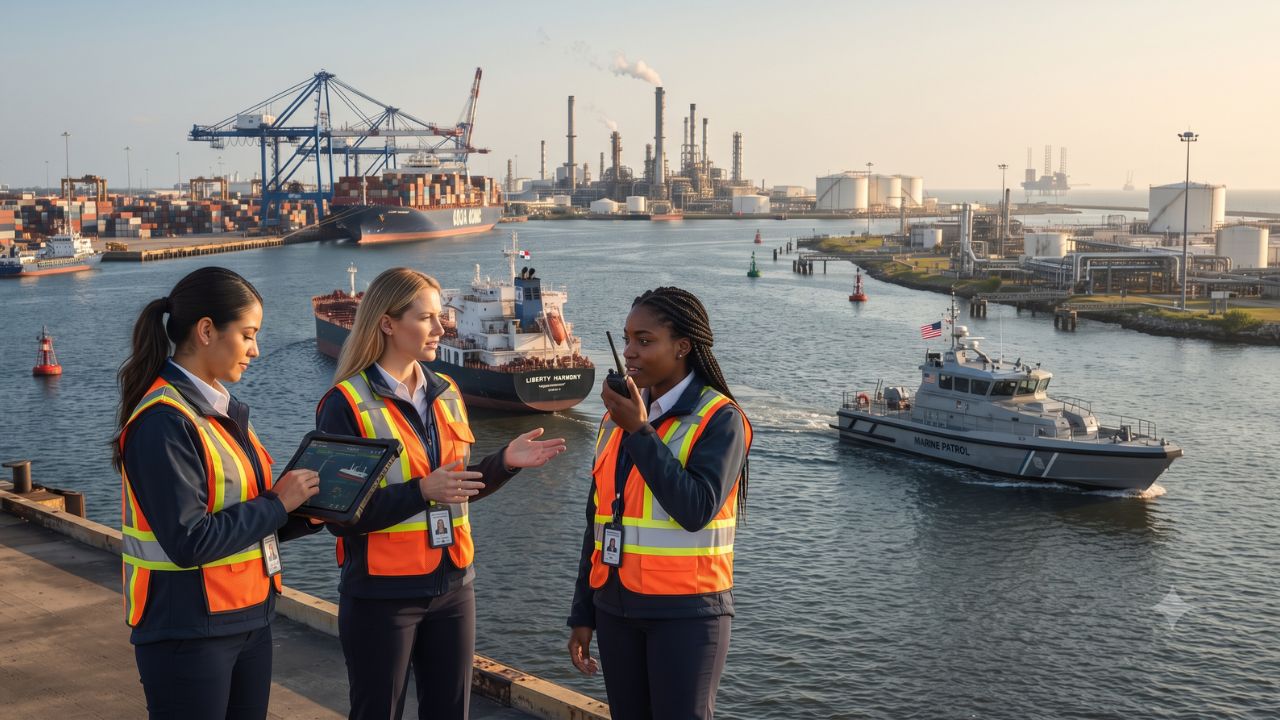
While millions of vacationers associate the Gulf Coast with emerald surf, historic barrier islands, and active cruise terminals from Galveston to Tampa, state authorities in Austin and Tallahassee have activated an unprecedented multi-agency maritime defense pact to protect regional shipping lanes. The joint operational framework unites state highway marine divisions, public safety investigators, and transportation authorities to deploy autonomous patrol craft and thermal surveillance across deepwater transit corridors without interrupting civilian maritime throughput.
The inter-state initiative establishes unified cargo inspection thresholds, real-time intelligence networks, and dockside verification protocols across sovereign coastal facilities. By linking state-level observation assets with federal defense directives, Texas and Florida are fortifying major energy export channels, intermodal logistics hubs, and passenger terminals against asymmetric risks—including electronic vessel GPS spoofing and unauthorized offshore reconnaissance. For recreational boaters, ferry passengers, and coastal road-trippers, understanding these enhanced waterside security zones ensures trouble-free passage along the southern coastline.
Coordinated Enforcement Across Southern Deepwater Gateways
The security framework represents a structured alignment between executive offices in Austin, Texas, and Tallahassee, Florida. Rather than creating administrative friction or slowing down commercial trade, the interdiction protocols utilize automated tracking registries, vessel profiling algorithms, and cross-referenced intelligence bulletins to conduct non-invasive inspections on suspicious offshore cargo while allowing fully vetted merchant and passenger vessels to proceed without delay.
Key operational areas under active coordination include:
- Deepwater Port Surveillance: State Highway Patrol marine tactical units maintain active patrols around major container terminals and coastal refineries in the Houston Ship Channel, Corpus Christi, and Port Everglades.
- Offshore Corridor Monitoring: Integrated coastal task forces utilize thermal detection platforms and autonomous observation craft to detect unauthorized offshore reconnaissance and vessel maneuvering near strategic sea lanes.
- Energy Logistics Protection: Transportation divisions and port authorities enforce secure perimeter exclusion zones around liquefied natural gas (LNG) export hubs, crude storage reserves, and pipeline injection terminals.
- Intermodal Freight Screening: Department of Public Safety (DPS) investigators monitor rail interchanges and port access gates to prevent illicit transfers of dual-use hardware and uncertified navigation components.
Gulf Coast Maritime Security and Infrastructure Matrix
The following table details the operational focus areas, designated enforcement bodies, and target facilities covered under the Texas-Florida maritime pact:
| Operational Focus Area | Primary Regulatory Agency | Strategic Infrastructure Target | Core Protective Objective |
|---|---|---|---|
| Deepwater Port Surveillance | State Highway Patrol & Marine Units | Container Terminals & Refineries | Interception of unregistered offshore vessels |
| Offshore Transit Monitoring | Integrated Coastal Task Forces | Commercial Shipping Corridors | Early detection of hostile reconnaissance |
| Energy Logistics Security | Department of Transportation Division | Pipeline Terminals & Fuel Depots | Mitigation of physical & digital infiltration |
| Dual-Use Cargo Scrutiny | Department of Public Safety Investigators | Intermodal Rail & Air Terminals | Disruption of illicit equipment transfers |
| Passenger & Cruise Terminals | Port Authorities & State Marine Units | Galveston, Tampa, Port Everglades | Uninterrupted screening & tourist safety |
What Sets Gulf Coast Waterways Apart
The waterways stretching from South Padre Island, Texas, across the Mississippi Delta to the Florida Keys represent a rare combination of heavy industrial energy transport and world-renowned marine recreation. Deepwater shipping channels run parallel to fragile barrier island chains, oyster reef restorations, and expansive state parks.
Recreational boaters in Galveston Bay or Tampa Bay share open waters with ocean-going tankers, commercial shrimping fleets, and multi-deck cruise liners departing for the Caribbean. The new security protocols maintain continuous vigilance over sensitive waterside installations without restricting access to designated public fishing piers, state park boat ramps, or coastal ferry crossings.
Visitor Insider Tips for Exploring Gulf Coast Waterways
Navigating the coastal highways, beaches, and waterways of Texas and Florida is seamless when observing local maritime regulations:
- Navigating Restricted Water Zones: When boating near the Houston Ship Channel, Port Arthur, Corpus Christi Bay, or Port Tampa Bay, strictly observe the 100-yard security exclusion zones surrounding commercial fuel docks, naval vessels, and refinery berths. Download updated NOAA nautical charts before setting sail.
- Free Vehicle Ferries and Coastal Crossings: The Bolivar Ferry operated by the Texas Department of Transportation connects Galveston Island to the Bolivar Peninsula free of charge, offering frequent crossings with dolphin-watching opportunities. Arrive before 9:00 AM on summer weekends to avoid queue delays along Highway 87.
- Cruise Port Arrival Logistics: When departing on Caribbean itineraries from the Port of Galveston or Port Everglades in Fort Lauderdale, complete online check-in and luggage tagging prior to arrival. Reserve official port parking garages at least two weeks ahead to guarantee covered parking near terminal walkways. Comprehensive statewide travel details can be reviewed via Travel Texas and Visit Florida.
- Coastal Cuisine and Seafood Shacks: Sample Gulf-caught red snapper, blue crab boil, and fried oyster po-boys along the historic Strand in Galveston or along the sponge docks of Tarpon Springs. For authentic coastal flavor, patronize family-run fish houses located adjacent to working commercial slips.
Cultural Heritage and Marine Ecosystem Stewardship
The Gulf of Mexico coastline features exceptional natural biodiversity and historical treasures. Coastal barrier reserves like Padre Island National Seashore—managed by the National Park Service—provide critical nesting grounds for the endangered Kemp's ridley sea turtle, while the Gulf Islands National Seashore protects historic brick fortresses alongside pristine white quartz sands.
Conserving these fragile maritime habitats requires close collaboration between industrial regulators and environmental conservation bodies. Advanced ballast water monitoring, spill-prevention frameworks, and autonomous environmental sampling craft deployed under the new state frameworks help safeguard coastal estuaries from invasive marine species and chemical contamination, supporting thriving local charter fishing economies and birdwatching corridors.
FAQ: Visiting the Gulf Coast in 2026
Will new maritime security measures delay cruise ship departures?
No. Cruise passenger operations at ports such as Galveston, Tampa, and Port Everglades follow established digital screening procedures, allowing scheduled departures to proceed without administrative delays.
Are recreational boaters allowed near commercial shipping channels?
Yes, but recreational craft must stay clear of restricted security perimeters around commercial docks and yield the right of way to large deep-draft vessels within narrow navigation channels.
What is the best season to explore Gulf Coast beaches and coastal towns?
October through April offers pleasant temperatures averaging 18°C to 25°C, lower humidity, and minimal tropical storm activity across both Texas and Florida coastlines.
Do I need a special permit to launch a private boat in Texas or Florida?
Private boaters do not need special security permits for standard recreational waterways, though state-specific fishing licenses and mandatory boating safety certifications are required by state wildlife agencies.
From the windswept dunes of South Padre Island to the sunlit mangrove shallows of the Florida Keys, vigilant maritime stewardship keeps the Gulf Coast safe and open for all.
Related Travel Guides
Disclaimer
This article is for informational and educational purposes only. It does not constitute legal, financial, or professional advice. While we strive to provide accurate and up-to-date information, travel policies, regulations, and conditions change rapidly. Always verify information with official sources before making travel decisions. Nomad Lawyer makes no representations about the accuracy, reliability, completeness, or suitability of the information provided. Readers should consult qualified professionals for advice specific to their circumstances. The views expressed in this article are those of the author and do not necessarily reflect the views of Nomad Lawyer.
Raushan Kumar
Founder & Lead Developer
Full-stack developer with 11+ years of experience and a passionate traveller. Raushan built Nomad Lawyer from the ground up with a vision to create the best travel and law experience on the web.
Learn more about our team →