Hawaii and Alaska Lead 2026 Travvy Awards as Miami and Honolulu Win Top Urban Honors

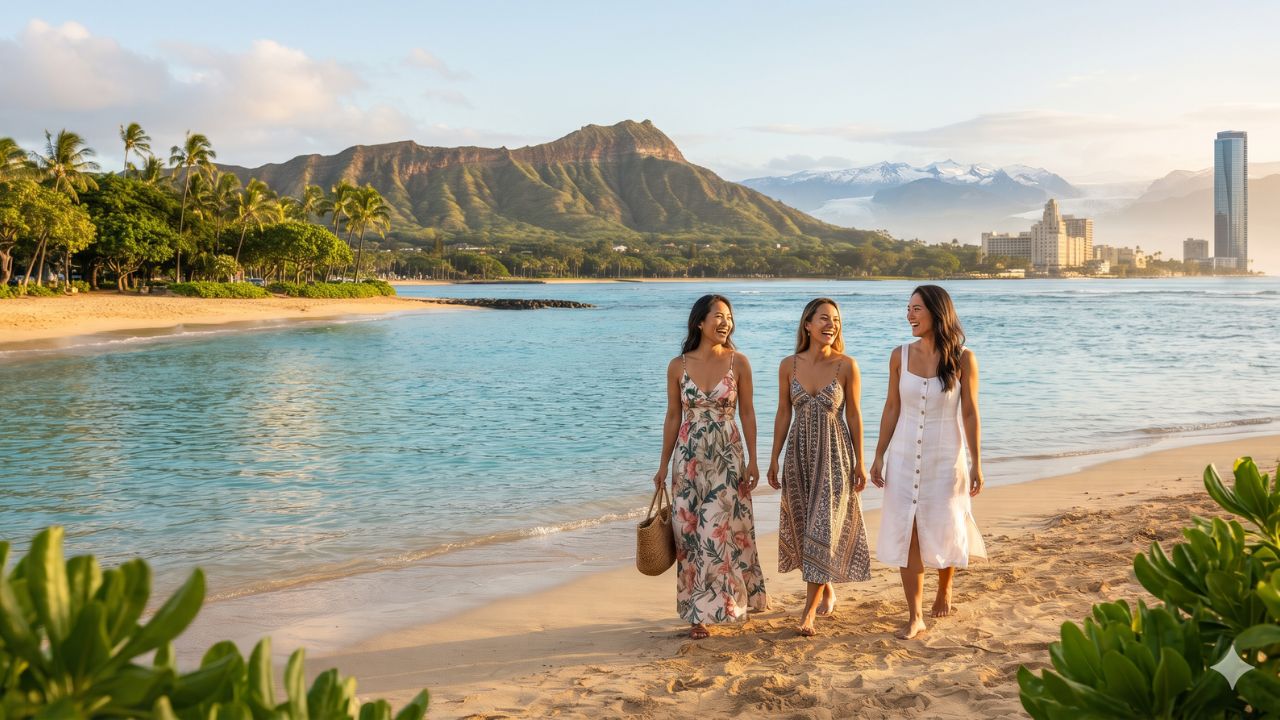
Travel advisors across the United States have cast their votes for the 2026 Travvy Awards, crowning Hawaii and Alaska as the nation's premier state destinations. Announced in November 2026, the industry honors reflect a defining split in traveler preferences: the timeless tropical allure of the Pacific archipelago against the raw expanse of America's northern frontier. In the urban categories, Miami and Miami Beach took Gold for Best Domestic City Destination, closely trailed by Honolulu, while New Orleans and New York City retained their crowns as culinary powerhouses.
Behind the trophies lies a deeper lesson for travelers planning upcoming journeys. Both top states demand unprecedented advance preparation, whether timing non-resident permit releases on Oahu or positioning for the planned restoration of interior bus access in Denali National Park and Preserve.
The Geography of Traveler Demand: Tropical Escapes and Wilderness Frontiers
The annual Travvy Awards, decided exclusively by working travel advisors who book thousands of client itineraries each year, provide an unfiltered look at what vacationers actually purchase. Hawaii captured the Gold award for Best U.S. State Destination, demonstrating enduring demand across its major islands—Oahu, Maui, Kauai, and Hawaii Island (the Big Island). Alaska earned Silver, riding a wave of record interest in expedition cruising, independent rail touring, and remote wilderness lodges.
In the municipal categories, Miami and Miami Beach clinched Gold for Best Domestic City Destination, outperforming Silver-medalist Honolulu. Travelers continue to seek out Miami Beach for its concentrated mid-century architecture and coastal energy, while Honolulu appeals to visitors balancing Pacific heritage with urban beach culture. On the dining front, New Orleans earned Gold for Best U.S. Culinary Destination, edging out New York City's Silver-winning five-borough restaurant scene with its generational Creole and Cajun food institutions.
| Award Category (2026 Travvy Awards) | Gold Winner | Silver Winner | Key Travel Highlight |
|---|---|---|---|
| Best U.S. State Destination | Hawaii | Alaska | Active volcanoes, rainforest coastlines, glacier fjords |
| Best Domestic City Destination | Miami & Miami Beach | Honolulu | Art Deco Historic District, Waikiki Beach, Diamond Head |
| Best U.S. Culinary Destination | New Orleans | New York City | Historic Creole-Cajun dining, five-borough regional fare |
What Makes Hawaii and Alaska Stand Apart
While marketing campaigns often pitch domestic travel as casual or spontaneous, Hawaii and Alaska represent ecological extremes that require deep geographic literacy.
Hawaii's appeal centers on the sheer geological contrast of its islands. On Hawaii Island, Hawaii Volcanoes National Park showcases active volcanic landscapes shaped by Kilauea and Mauna Loa, where visitors walk across historic caldera floors and witness fresh volcanic formations. Across the channel on Oahu, urban life meets dramatic volcanic tuff cones, whereas Kauai and Maui offer contrasting rainforest gorges and alpine ridge trails. The state requires travelers to respect the delicate balance between tourism density and native land preservation.
Alaska, by contrast, operates on a scale unmatched anywhere on the continent. Denali National Park and Preserve spans 6 million acres of subarctic tundra and alpine terrain anchored by Mount Denali. Travelers entering through primary gateways—Anchorage, Fairbanks, and the maritime capital of Juneau—experience expansive ecosystems supporting grizzly bears, caribou, moose, and Dall sheep. For the past several seasons, transit past Mile 43 of the 92-mile Park Road has been restricted due to the Pretty Rocks landslide; however, park planners are preparing for the restoration of full park-road bus transit operations in 2027, making forward-looking reservations essential.
Miami Beach presents an architectural story distinct from typical beach towns. The Art Deco Historic District along Ocean Drive and Collins Avenue features the world's greatest concentration of 1930s resort architecture, defined by neon accents, geometric bas-reliefs, and pastel facades. Meanwhile, New Orleans preserves centuries-old cooking techniques in the French Quarter and neighborhood bistros, anchoring southern food traditions that no other American city can replicate.
Practical Logistics: Permits, Transit, and Local Rhythms
Navigating these award-winning destinations requires mastering regional reservation rules and environmental constraints.
Hawaii: Advance Permits and Island Pacing
- Diamond Head State Monument: Non-residents visiting Oahu must book entry passes and parking reservations online up to 30 days ahead through the official Hawaii State Parks portal. Walk-up access is not permitted for non-residents.
- Volcano Etiquette: At Hawaii Volcanoes National Park, track daily sulfur dioxide emissions and crater viewing updates before driving Chain of Craters Road. Morning visits avoid midday trade wind dust and tour bus queues.
- Inter-Island Transit: Do not attempt more than two islands within a seven-day window. Inter-island flights consume half a day with security checks and rental car returns.
Alaska: Rail Connections and Wilderness Planning
- Denali Road Planning: Transit buses inside Denali offer wildlife viewing without commercial tour commentary. Book transit tickets several months ahead through the National Park Service concessionaire, particularly with full corridor access slated for 2027.
- Gateway Sequencing: Combine an Anchorage arrival with the Alaska Railroad's Coastal Classic line south to Seward, or head north to Fairbanks on the Denali Star for autumn auroral viewing.
- Layering Disciplines: Subarctic summer temperatures swing from 70°F in Fairbanks down to freezing on coastal glacier boat runs. Carry technical rain shells rather than heavy cotton jackets.
Urban Gateways: Miami Beach and Honolulu
- Miami Architecture Walks: Skip noon heat along Ocean Drive by booking early morning architectural tours with the Miami Design Preservation League. Evening dining on South Beach requires table bookings two weeks prior during peak winter months.
- Honolulu Transit: Avoid rental cars if staying strictly around Waikiki; utilize the municipal TheBus network and rideshares to bypass $50-per-night resort parking surcharges.
Stewardship and Cultural Responsibility
The surge in travel advisor bookings brings heightened responsibility to protect delicate cultural and natural assets.
In Hawaii, travel operates under the concept of mālama—the traditional ethic of caring for, protecting, and preserving the land and ocean. Travelers are urged to choose reef-safe mineral sunscreen (mandated statewide to protect coral reefs), observe legal wildlife viewing buffers around Hawaiian monk seals and green sea turtles (honu), and respect sacred cultural spaces (heiau). Exploring Hawaii responsibly means supporting Native Hawaiian-owned cultural tours, markets, and regional agriculture.
In Alaska, visitors encounter expansive public lands co-managed with Alaska Native corporations. Following Leave No Trace principles in backcountry terrain protects subarctic vegetation that takes decades to recover from trail degradation. When encountering wildlife along highway corridors or national park roads, never stop in traffic lanes or approach animals; maintaining a minimum distance of 300 yards from bears and 25 yards from moose ensures both human safety and wild animal welfare.
FAQ: Visiting the Top 2026 Destinations
Why did Hawaii and Alaska win the top state awards?
Travel advisors selected Hawaii for its world-class island diversity and cultural heritage, while Alaska gained recognition for remote wilderness exploration, wildlife access, and expanding expedition cruise routes.
Do I need advance reservations for Diamond Head in Honolulu?
Yes. All non-Hawaii residents must purchase entry and parking reservations online prior to arriving at Diamond Head State Monument. Reservations open 30 days in advance.
When will Denali National Park restore full bus operations?
The National Park Service is targeting 2027 for the complete restoration of park-road transit buses past the Pretty Rocks landslide area, reopening access through Mile 92.
What makes Miami Beach's urban core architecturally significant?
Miami Beach preserves more than 800 historic buildings from the 1920s to 1940s within its Art Deco Historic District, representing the largest concentration of Streamline Moderne and Art Deco resort architecture globally.
Related Travel Guides
- Los Ríos Thunderstorm Alert: SENAPRED Weather Advisory and Chile Travel Guide 2026
- Mexico's Historic Pueblos Mágicos: Izamal, Real de Catorce, and Tlacotalpan Travel Guide
- Luxury Car Rental Market Travel Trends: North America and Asia-Pacific 2030
Plan ahead, respect local conservation guidelines, and discover the distinct natural wonders that define America's premier travel destinations.
This article is for informational purposes. Flight routes, passenger regulations, visa rules, and transit advisories are subject to change by airlines and aviation authorities. Readers are advised to verify schedules and travel documentation with relevant carriers and border agencies before departure.
Related Stories

Jamaica Unveils $125M Richmond Hill Club in Montego Bay: Hillside Luxury and Heritage Travel Guide
Miami Tourism Surges as 3.2 Million International Visitors Drive Record Hotel Rates in 2026