
Greece Cruise Tourism 2026: Green Port Expansion and New Passenger Regulations Impacting Mediterranean Travel
Greece is restructuring its cruise sector to prioritize sustainability over passenger volume, implementing green port technologies and expanding destinations to alleviate congestion in major hubs.

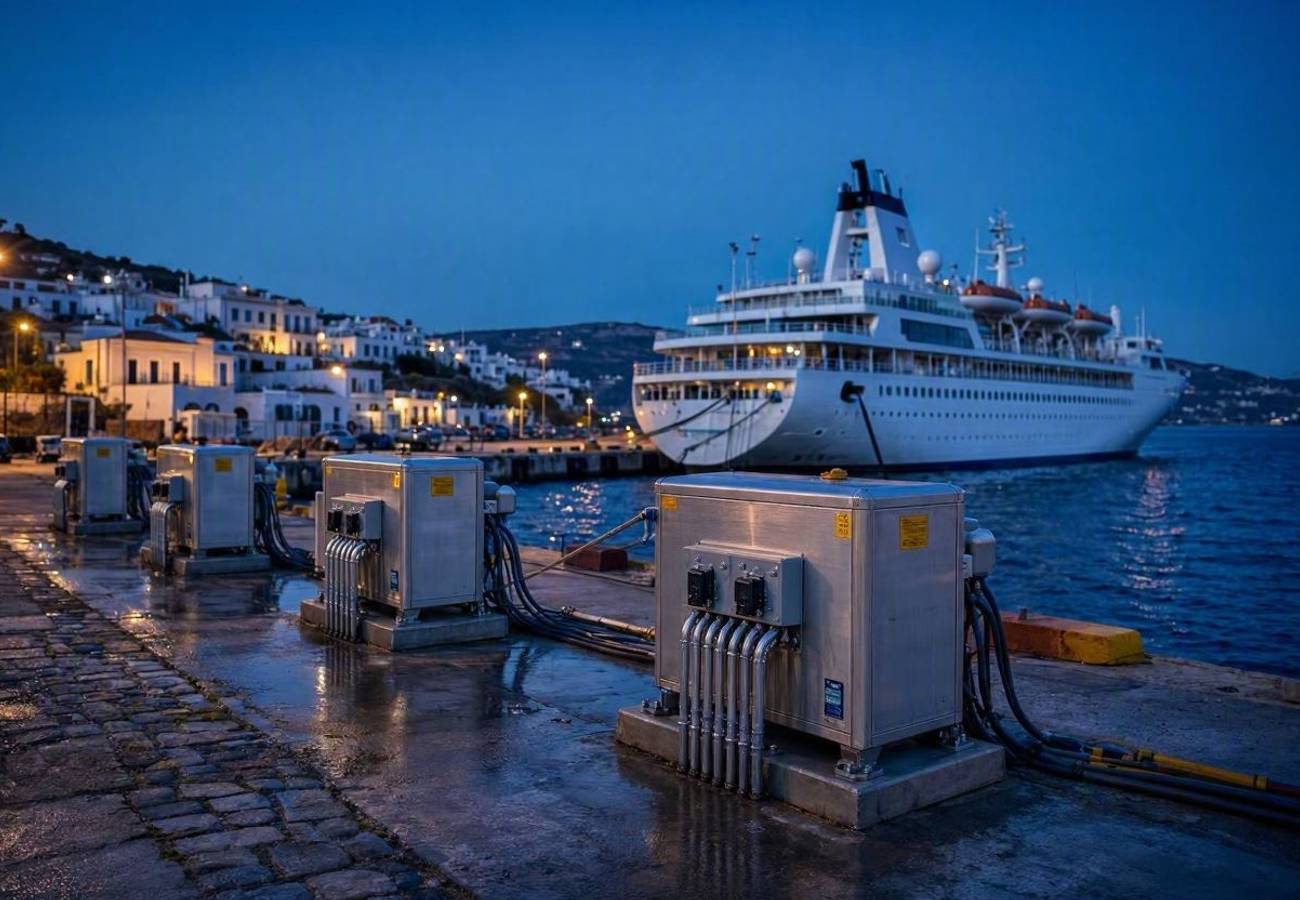
Image generated by AI
A traveler boarding a Mediterranean cruise in 2026 may notice a significant shift in their itinerary, with ships bypassing overcrowded hubs for emerging ports like Thessaloniki or Kavala. As Greece pivots from a volume-driven model to a sustainability-focused strategy, passengers are navigating a landscape of updated port fees, shifting environmental mandates, and new infrastructure that directly impacts the cost and flow of their vacations.
The Green Transformation of Greek Cruise Infrastructure
Greece is currently executing a strategic overhaul of its cruise tourism model. The primary objective is to move away from the pursuit of sheer passenger numbers—which currently exceed eight million annual visits across roughly 6,000 ship calls—and instead focus on a "modern cruise ecosystem." This transition is driven by the need to address mass-market saturation and the mounting pressure of operational expenses and environmental regulations.
Central to this shift is the implementation of shore power technology. This allows vessels to plug directly into the local electricity grid while docked, eliminating the need to run onboard diesel engines and drastically reducing urban air pollution. The industry has seen a rapid adoption of this capability; while only 55 ships possessed shore power in 2018, that number has climbed to 193 ships today. This represents approximately 65% of the global fleet and over 70% of total declared capacity.
However, a gap exists between ship capabilities and port readiness. Greece is now racing to upgrade its energy infrastructure to meet European environmental deadlines. Beyond electricity, the focus has shifted to resource autonomy. Modern vessels are increasingly utilizing onboard water production systems to avoid straining the limited freshwater supplies of small Greek islands, while advanced wastewater treatment systems are being mandated to protect the Mediterranean ecosystem.
Expanding the Cruise Network Beyond Traditional Hubs
To combat "overtourism" in a few concentrated areas, Greek authorities are diversifying the cruise map. The goal is to distribute the economic benefits of tourism more equitably across the country and reduce the physical strain on traditional hotspots.
The government is targeting the transformation of secondary ports into primary cruise hubs. Specifically, Thessaloniki and Kavala are being positioned as key growth areas. By investing in the infrastructure of these northern and regional ports, Greece aims to encourage cruise operators to design new routes that venture beyond the standard island-hopping circuits.
This expansion is not limited to the docks. The strategy includes a holistic modernization of air and ground transportation to ensure that once passengers disembark at these new hubs, they have seamless access to the wider Greek interior. For the traveler, this means a likely increase in destination variety but also a potential change in how cruise packages are priced as new port charges and taxes are introduced to fund these upgrades.
Your Rights as a Passenger
When cruise itineraries change due to "environmental regulations" or "port infrastructure issues," passengers often find themselves in a legal gray area. However, depending on where your cruise was booked and where it departs, several frameworks apply.
EU Regulation 1108/2006 and the Package Travel Directive For cruises booked as a package within the European Union, the Package Travel Directive provides significant protection. If a cruise operator makes a "significant change" to the main characteristics of the travel services (such as removing a major port of call due to infrastructure failure), the passenger is generally entitled to:
- Acceptance of the change without additional cost.
- A full refund of the payment made if the passenger does not accept the alternative.
- Appropriate price reductions if the service provided is inferior to what was booked.
The "Force Majeure" Trap Airlines often use "extraordinary circumstances" to avoid paying compensation under EU261. Cruise lines similarly attempt to categorize port closures or environmental mandates as force majeure. However, if a port is closed due to a lack of shore power that the cruise line should have anticipated, this may not qualify as an unforeseeable event.
Refunds and Port Fees As Greece introduces higher port charges to fund green transitions, be wary of "supplementary fees" added after booking. Under most consumer protection laws in the EU and US, prices quoted at the time of a binding contract cannot be arbitrarily increased unless the terms and conditions explicitly allow for government-mandated tax increases.
For more detailed guidance on your rights when traveling within Europe, visit the UK Civil Aviation Authority (CAA) or the US Department of Transportation's Air Consumer Protection page for comparative rights on fly-cruise packages.
Rebooking Strategy and Alternatives
If your 2026 Greek cruise is disrupted or the itinerary is altered to a port you find less appealing, consider the following strategies:
- The "Alternative Hub" Pivot: If a traditional port is overcrowded or closed, look for cruises that specifically utilize the new hubs in Thessaloniki or Kavala. These often offer a more authentic experience with less congestion and potentially lower pricing during the introductory phase of the port's expansion.
- Refund vs. Credit: If a significant port of call is removed, do not immediately accept a "Future Cruise Credit" (FCC). Under the Package Travel Directive, you may be entitled to a cash refund of the difference in value. Always request a breakdown of the cost difference between the original and the modified itinerary.
- Cross-Reference Flight Connectivity: Since Greece is modernizing ground and air links to support new cruise ports, check FlightRadar24 or FlightAware to see if flying into a secondary city (like Thessaloniki) and joining a cruise there is more cost-effective than the traditional Athens-based departures.
- Competitor Comparison: If one cruise line is struggling with the new environmental mandates (e.g., their ships lack shore power capability and are being restricted), check competitors who have upgraded their fleets. Ships with multi-fuel engines and shore power are less likely to face port-access restrictions.
FAQ: Greece Cruise Tourism 2026
Am I entitled to compensation if my cruise skips a Greek port for environmental reasons? Yes, if the cruise was booked as a package in the EU. Under the Package Travel Directive, a significant change in the itinerary entitles you to a price reduction or a refund if the alternative is unacceptable.
Will the "Green Transformation" make cruises more expensive? Potentially. The cost of upgrading to shore power and multi-fuel engines, combined with higher port charges in Greece, may be passed down to the passenger through higher base fares or port fees.
What happens if my ship cannot dock because it lacks shore power? If a port mandates shore power and your ship lacks it, the cruise line must provide an alternative destination or compensation. This is considered an operational failure of the cruise line, not an "act of God."
Are the new ports like Kavala and Thessaloniki as developed as Athens or Santorini? They are currently undergoing rapid modernization. While they may have fewer luxury boutiques than Santorini, they offer better accessibility and less congestion, backed by new government infrastructure investments.
Navigate the Mediterranean with an eye on the law, ensuring your voyage is as legally secure as it is sustainable.
Related Travel Guides
Disclaimer
This article is for informational and educational purposes only. It does not constitute legal, financial, or professional advice. While we strive to provide accurate and up-to-date information, travel policies, regulations, and conditions change rapidly. Always verify information with official sources before making travel decisions. Nomad Lawyer makes no representations about the accuracy, reliability, completeness, or suitability of the information provided. Readers should consult qualified professionals for advice specific to their circumstances. The views expressed in this article are those of the author and do not necessarily reflect the views of Nomad Lawyer.
Raushan Kumar
Founder & Lead Developer
Full-stack developer with 11+ years of experience and a passionate traveller. Raushan built Nomad Lawyer from the ground up with a vision to create the best travel and law experience on the web.
Learn more about our team →