
United States Kingdom Australia Power Carnival's Revenue Surge in 2026
United States, Kingdom, and Australia drive Carnival Corporation's explosive 2026 booking growth, signaling a fundamental shift in cruise consumer behavior across English-speaking markets.

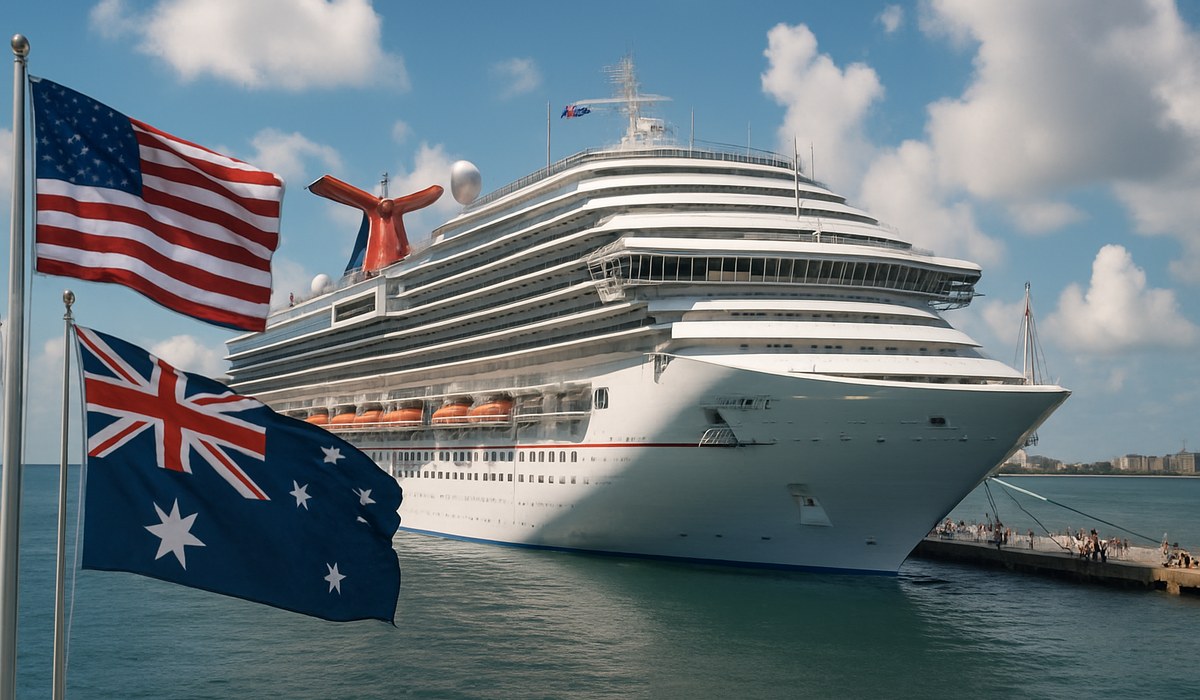
Image generated by AI
Quick Summary
- Carnival Corporation reports unprecedented booking volumes from United States, United Kingdom, and Australia in 2026
- Revenue figures reach historic highs as demand from three English-speaking nations outpaces all projections
- Capacity expansion efforts struggle to keep pace with surging consumer appetite for cruise vacations
- Strategic shifts in pricing and itinerary planning reflect changing passenger preferences across these markets
While most travel sectors struggle with post-pandemic uncertainty, Carnival Corporation just proved that cruise demand isn't recovering—it's exploding, with the United States, United Kingdom, and Australia propelling the industry giant to unprecedented revenue heights in 2026. The cruise line's latest financial disclosure reveals a fundamental realignment in global leisure travel patterns, with passengers from these three nations accounting for the overwhelming majority of new bookings throughout the first quarter.
Industry analysts have expressed surprise at the velocity and concentration of this growth. Unlike previous expansion cycles that saw diversified regional demand, 2026's booking surge draws disproportionately from Anglo markets, creating both opportunities and logistical challenges for the world's largest cruise operator.
Three-Nation Powerhouse Drives Carnival's Record 2026 Performance
Carnival Corporation's first-quarter earnings report confirmed what port authorities and travel agents have observed for months: travelers from the United States, United Kingdom, and Australia are booking cruise vacations at rates never before documented in the industry's modern era. The company's chief financial officer confirmed during the March earnings call that these three countries now represent approximately 78% of all new advanced bookings for sailings through early 2027.
American passengers alone account for 54% of Carnival's current booking portfolio, with embarkation points like Port of Miami operations reporting capacity constraints during peak departure windows. Miami's cruise terminals processed 23% more passengers in February 2026 compared to the same period in 2025, with Carnival vessels representing the largest share of that traffic.
British vacationers have demonstrated equally robust enthusiasm, with UK-sourced bookings climbing 41% year-over-year. Southampton and Dover departure ports have seen waitlists form for popular Mediterranean and Norwegian fjord itineraries, a phenomenon typically reserved for transatlantic crossings on luxury liners. Australian passengers, while representing a smaller absolute volume, showed the highest percentage growth at 53%, according to data shared with the Cruise Lines International Association.
The financial impact extends beyond ticket sales. Onboard spending from these three markets has increased by an average of 19% per passenger compared to 2025 benchmarks, with specialty dining, shore excursions, and beverage packages driving the uplift. Carnival's President Christine Duffy noted in a prepared statement that the company has revised its full-year revenue guidance upward twice in three months based exclusively on Anglo-market performance.
What's Fueling the Anglo-American Cruise Booking Surge
Several converging factors explain why United States, United Kingdom, and Australian travelers are choosing cruise vacations with unprecedented enthusiasm in 2026. Currency advantages have played a significant role, particularly for American passengers. The US dollar's relative strength against Caribbean and European currencies makes cruise packages—which bundle accommodation, meals, and transportation—increasingly attractive compared to traditional land-based holidays where currency fluctuations directly impact daily expenses.
Regulatory complexities in alternative vacation destinations have also redirected demand toward cruising. British travelers, navigating new post-Brexit entry requirements for European destinations as detailed in Croatia travel warning 2026 rules fines, find cruise itineraries that handle visa and customs procedures on behalf of passengers particularly appealing. This administrative convenience eliminates many of the uncertainties that now accompany independent European travel for UK citizens.
Health protocol simplification has removed a major barrier that suppressed cruise demand in previous years. While concerns about disease transmission aboard ships once deterred potential passengers, streamlined health monitoring systems and improved ventilation infrastructure have restored confidence. Shore excursion operators and port cities have responded by upgrading facilities to accommodate higher volumes, creating a virtuous cycle of improved experience quality. For travelers from regions tracking health advisories like the CDC dengue travel advisory highlights March 2026, cruise lines' comprehensive medical capabilities provide reassurance unavailable with most independent travel arrangements.
The demographic profile of these bookers reveals another layer of the story. Carnival reports that 42% of new bookings from these three countries come from households that had not cruised in the prior five years, indicating the line has successfully attracted customers beyond its traditional repeat-cruiser base. Market research suggests that remote work flexibility persists for significant segments of the professional workforce in these nations, allowing for longer voyages that combine leisure with the ability to maintain employment obligations from sea.
How Carnival's Capacity Expansion Meets Soaring Demand
Carnival Corporation has accelerated vessel deployment and reactivation schedules in direct response to booking volumes that have consistently exceeded projections. The company brought forward the operational timeline for three ships originally scheduled for 2027 launches, with two vessels now entering service by late 2026. These additions will contribute approximately 9,400 berths to Carnival's total capacity across its family of brands.
According to analysis published by Seatrade Cruise industry analysis, Carnival's capacity expansion strategy differs markedly from competitors who are proceeding more cautiously. While Royal Caribbean International and Norwegian Cruise Line maintain conservative deployment schedules, Carnival has committed to serving peak-season demand from its three strongest markets even if that requires short-term operational inefficiencies.
The company has also reconfigured existing vessels to optimize for the preferences of American, British, and Australian passengers. This includes expanding premium dining venues, adding technology infrastructure to support remote work capabilities, and increasing the proportion of balcony cabins that these markets prefer over interior accommodations. Four ships underwent significant retrofitting during the typically slow January and February sailing season, a $340 million investment aimed directly at capturing market share in high-growth segments.
Infrastructure at embarkation ports has struggled to keep pace. Miami-Dade County officials announced in early March that PortMiami would implement a $180 million terminal expansion specifically to handle increased Carnival capacity through 2028. Southampton's facilities face similar pressures, with port authority representatives confirming that weekend departure slots for April through September are completely allocated, leaving no room for additional vessels or schedule modifications.
Caribbean destinations have emerged as the primary beneficiaries of this capacity expansion. Cozumel, Grand Cayman, and Curaçao have all reported double-digit increases in cruise passenger arrivals during the first quarter of 2026, with local tourism boards crediting Carnival's expanded deployment for much of the growth. Shore excursion operators in these ports have hired additional staff and invested in fleet expansions to meet the surge, creating economic ripple effects throughout these island economies.
For passengers planning pre- or post-cruise experiences, destinations like Miami Beach's cultural expansion have benefited from the increased cruise traffic, with hotels reporting higher occupancy rates among cruise passengers who arrive a day early or extend their stays after disembarkation.
What This Means for Travelers Planning 2026-2027 Cruise Vacations
The immediate implication for prospective cruise passengers from these three nations is the need to book significantly earlier than historical patterns would suggest. Carnival has confirmed that prime-season sailings for late 2026 and early 2027 are reaching capacity allocation thresholds four to five months earlier than comparable periods in previous years. Seven-night Caribbean departures from Florida ports in December 2026 show less than 15% availability as of late March, compared to typical availability rates of 40-50% at this booking window.
Pricing dynamics have shifted in response to sustained demand. Carnival has implemented dynamic pricing algorithms that adjust rates based on real-time booking velocity, resulting in fare increases that average 12-17% higher than 2025 pricing for equivalent itineraries and cabin categories. Early booking promotions that once offered substantial discounts have been reduced in scope, with the company prioritizing revenue optimization over market-share acquisition given current demand levels.
Travelers should anticipate increased competition for specialty dining reservations, spa treatments, and popular shore excursions once aboard. The combination of higher passenger loads and increased onboard spending propensity from these markets means that desirable experiences book quickly after passengers complete online check-in. Carnival recommends that guests make onboard reservations at least 30 days prior to sailing to secure preferred times and activities.
Alternative embarkation ports may offer better availability and value for flexible travelers. While Miami, Fort Lauderdale, Southampton, and Sydney face capacity constraints, secondary departure cities such as Charleston, Baltimore, and Brisbane show greater inventory availability for comparable itineraries. Repositioning cruises—voyages where ships relocate between seasonal deployment regions—represent another opportunity for cost-conscious travelers, though these typically involve longer sailing durations and more sea days.
The surge in demand from these three specific markets has also created opportunities for travelers from other regions. Carnival has adjusted its marketing spend allocation, reducing promotional activity in previously targeted markets such as Germany, Brazil, and Japan. Passengers from these countries may find better availability and more competitive pricing as the company concentrates resources on its highest-performing source markets.
FAQ: Carnival's 2026 Growth and Booking Trends
Why are United States, United Kingdom, and Australia driving most of Carnival's booking growth?
These three English-speaking nations share currency advantages, simplified health protocols, and demographic factors like remote work flexibility that make cruise vacations particularly attractive in 2026. Regulatory complexities in alternative destinations have also shifted vacation preferences toward the convenience of cruise travel.
How far in advance should I book a Carnival cruise from these markets?
Current booking patterns suggest securing reservations 9-12 months ahead for peak-season sailings, compared to the historical norm of 5-7 months. Popular departure dates and cabin categories are reaching capacity earlier than in previous years.
Are cruise prices increasing because of this demand surge?
Yes, Carnival has implemented dynamic pricing that responds to booking velocity, resulting in fare increases averaging 12-17% above 2025 levels for comparable itineraries. Early booking discounts have also been reduced as demand remains strong even at higher price points.
Which departure ports have the best availability for 2026-2027 sailings?
Secondary ports such as Charleston, Baltimore, and Brisbane currently show better inventory availability than primary embarkation cities like Miami, Fort Lauderdale, Southampton, and Sydney. Repositioning cruises also offer more open capacity.
What onboard changes has Carnival made to accommodate passengers from these markets?
The cruise line has retrofitted vessels to include expanded premium dining, enhanced technology infrastructure supporting remote work, and a higher proportion of balcony cabins. These modifications reflect the preferences of American, British, and Australian passengers who represent the majority of current bookings.
Related Articles:
Disclaimer
This article is for informational and educational purposes only. It does not constitute legal, financial, or professional advice. While we strive to provide accurate and up-to-date information, travel policies, regulations, and conditions change rapidly. Always verify information with official sources before making travel decisions. Nomad Lawyer makes no representations about the accuracy, reliability, completeness, or suitability of the information provided. Readers should consult qualified professionals for advice specific to their circumstances. The views expressed in this article are those of the author and do not necessarily reflect the views of Nomad Lawyer.
Kunal K Choudhary
Co-Founder & Contributor
A passionate traveller and tech enthusiast. Kunal contributes to the vision and growth of Nomad Lawyer, bringing fresh perspectives and driving the community forward.
Learn more about our team →