
How Oceania Balances Luxury Cruise Tourism with Fragile Marine Sanctuaries: Aitutaki, Whitsundays, and Bora Bora Lead Eco-Reforms
From Aitutaki's Marae Moana and Bora Bora's outer anchorages to the Whitsundays' GBRMPA pontoon zoning, Oceania's island nations establish world-class frameworks balancing luxury cruise calls with marine conservation.

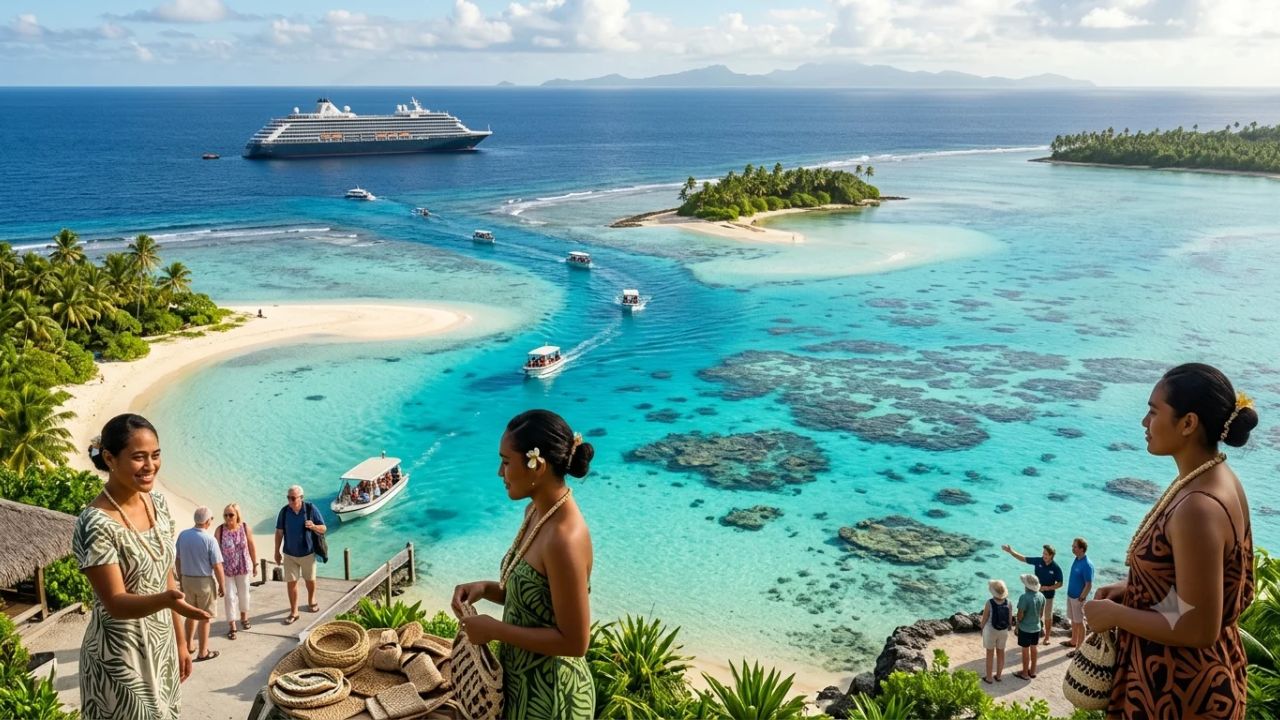
Across the pristine archipelagos of Oceania, a transformative quiet revolution is redefining the relationship between high-tonnage luxury cruise tourism and fragile marine ecosystems. From the crystalline coral atolls of the Cook Islands and the dramatic volcanic peaks of French Polynesia to Australia’s Great Barrier Reef and Fiji’s customary waters, remote island communities and maritime authorities have enacted world-class conservation frameworks. By pioneering mandatory offshore anchorages, indigenous customary closures, multi-level floating pontoons, and zero-discharge biosecurity standards, Oceania is demonstrating how high-yield maritime tourism can flourish without sacrificing delicate coral reefs, endemic biodiversity, and indigenous coastal heritage.
The challenge of managing maritime tourism across the South Pacific and Coral Sea is acute. Unlike diversified continental ports with extensive industrial waterfronts, isolated Pacific atolls possess delicate benthos, narrow barrier reef passages, and limited freshwater aquifers. The arrival of a single modern cruise vessel carrying several thousand passengers can instantly double or triple the daytime population of an island. To prevent ecological degradation while securing essential foreign exchange, five benchmark jurisdictions—Aitutaki, Bora Bora, the Whitsunday Islands, Fiji, and Lord Howe Island—have developed specialized marine governance models that balance visitor wonder with uncompromising ecological defense.
       OCEANIA CRUISE TOURISM & MARINE PROTECTION ECOSYSTEM
┌────────────────────────────────────────────────────────┐
│  BORA BORA (French Polynesia)                          │
│  Pofai Bay Deepwater Anchorages │ Quai de Vaitape Tenders│
└───────────────────────────┬────────────────────────────┘
                            │
┌───────────────────────────┴────────────────────────────┐
│  WHITSUNDAY ISLANDS (Queensland, Australia)            │
│  GBRMPA Sandy Benthos Anchoring │ Offshore Pontoons    │
└───────────────────────────┬────────────────────────────┘
                            │
┌───────────────────────────┴────────────────────────────┐
│  FIJI (Melanesian Crossroads)                          │
│  Commercial Berths (Suva/Lautoka) │ Dravuni Eco-Tenders│
└───────────────────────────┬────────────────────────────┘
                            │
┌───────────────────────────┴────────────────────────────┐
│  AITUTAKI (Cook Islands)                               │
│  Arutanga Passage Channels │ Marae Moana Indigenous Raui│
└───────────────────────────┬────────────────────────────┘
                            │
┌───────────────────────────┴────────────────────────────┐
│  LORD HOWE ISLAND (New South Wales, Australia)         │
│  Statutory 400-Visitor Cap │ Mandatory Environmental Levy│
└────────────────────────────────────────────────────────┘
Five Regional Benchmarks: How Pacific Islands Guard Their Lagoons
1. Bora Bora (French Polynesia): Outer Anchorage and Tender Funnels
In French Polynesia’s world-famous lagoon, Bora Bora has eliminated the threat of ship groundings and hull impact by legally prohibiting deep-draft ocean liners from entering the shallow, coral-choked interior lagoon. Large vessels must drop anchor in designated deepwater mooring positions within Pofai Bay on the island’s western coastline.
Passengers are transferred to the main commercial wharf at Quai de Vaitape via specialized, low-wake tender craft. This spatial segregation preserves the pristine sandbanks and coral heads beneath the shadow of Mount Otemanu and Mount Pahia. Onshore excursions to stingray and blacktip reef shark reserves are strictly operated by licensed local guides who adhere to non-intrusive wildlife interaction protocols, while overwater luxury resorts on the outer barrier motus operate under closed-loop wastewater purification mandates.
2. Whitsunday Islands (Queensland, Australia): Pontoon Hubs and Pilotage
Surrounded by the UNESCO World Heritage-listed Great Barrier Reef, the Whitsunday Islands enforce some of the planet’s strictest maritime access controls under the joint administration of the Great Barrier Reef Marine Park Authority (GBRMPA) and Maritime Safety Queensland.
       WHITSUNDAYS CONCENTRATED INFRASTRUCTURE ZONING
┌────────────────────────────────────────────────────────┐
│  Large Cruise Ship at Approved Deepwater Anchorage     │
│  (Hardy Reef, Fitzalan Passage, Cid Harbour)          │
└───────────────────────────┬────────────────────────────┘
                            ▼
┌────────────────────────────────────────────────────────┐
│  Compulsory Inner-Route Marine Pilotage (AMSA)         │
└───────────────────────────┬────────────────────────────┘
                            ▼
┌────────────────────────────────────────────────────────┐
│  High-Capacity Offshore Pontoon (Reefworld)            │
│  • Underwater Observatories & Glass-Bottom Craft       │
│  • Scuba Platforms & Monitored Snorkel Trails          │
│  • Confines 95% of Tourist Footprint to Floating Hub   │
└───────────────────────────┬────────────────────────────┘
                            ▼
┌────────────────────────────────────────────────────────┐
│  Total Ecological Protection for Whitehaven Beach &    │
│  Fragile Inshore Fringing Coral Formations             │
└────────────────────────────────────────────────────────┘
Vessels entering inner reef shipping corridors must carry certified marine pilots licensed by the Australian Maritime Safety Authority (AMSA). To prevent catastrophic anchor drag on ancient Porites hard corals, ships are restricted to pre-approved sandy-bottom anchorage coordinates in Hardy Reef, Fitzalan Passage, Cid Harbour, and Funnel Bay.
Furthermore, tourism activities are channeled into engineered offshore floating pontoons—such as Reefworld at Hardy Reef. Featuring submerged viewing galleries, semi-submersible vessels, and monitored dive platforms, these structures concentrate thousands of day visitors within a tightly controlled structural footprint, leaving iconic natural formations like Heart Reef and the silica sands of Whitehaven Beach completely unblemished by heavy anchoring.
3. Fiji: The Dual-Hub Gateway and Ocean Policy 2020–2030
As the commercial crossroads of the South Pacific, the Republic of Fiji employs a bifurcated maritime strategy. High-tonnage transpacific liners berth at fortified commercial deepwater docks in Suva and Lautoka on Viti Levu, where urban infrastructure easily handles passenger flows, bunkering, and land tours without placing strain on delicate reef ecosystems.
Simultaneously, small-footprint luxury expedition vessels anchor off outer island groups—including Dravuni Island in Kadavu, the Yasawa chain, and the Mamanucas. Governed by the comprehensive Fiji National Ocean Policy 2020–2030, the national administration balances ambitious tourism growth targets exceeding FJD 2 billion with a binding legal commitment to designate 30% of its Exclusive Economic Zone (EEZ) as Marine Protected Areas (MPAs). Community-managed marine reserves in Beqa Lagoon protect bull shark nurseries, while strict manta ray feeding guidelines in the Yasawas prevent diver overcrowding.
4. Aitutaki (Cook Islands): Arutanga Channel and Traditional Raui
Aitutaki’s world-renowned lagoon represents one of the most ecologically sensitive bodies of water on Earth. Because the barrier reef forms an almost unbroken perimeter around the 16.8-square-kilometer atoll, ocean cruise ships anchor in deep oceanic drop-offs miles outside the reef crest.
Tender boats navigate through the narrow, shallow Arutanga Passage to land visitors at Arutanga Wharf. The island’s marine tourism operates within the legislative framework of the Marae Moana—a multi-use marine park covering the Cook Islands’ entire 1.9-million-square-kilometer ocean territory.
Crucially, modern statutory law is interwoven with ancient Polynesian governance. Hereditary tribal chiefs (Ariki) enforce traditional Raui—customary conservation edicts that impose rolling seasonal or multi-year bans on fishing, boating, and tourist access across specific lagoon zones. This traditional stewardship has allowed giant clam (Tridacna maxima) sanctuaries and pristine islets like One Foot Island (Tapuaetai) to retain exceptional coral coverage despite rising tourism popularity.
5. Lord Howe Island (Australia): The 400-Visitor Gold Standard
Located 600 kilometers off mainland New South Wales, Lord Howe Island is celebrated globally as the apex of sustainable island tourism. Governed by the Lord Howe Island Board under the statutory authority of the Lord Howe Island Act, the island enforces an unyielding legal cap permitting no more than 400 tourists at any single time.
Large ocean liners are permanently barred from visiting. Only boutique expedition vessels carrying small passenger complements are allowed to anchor in designated deepwater zones seaward of the lagoon reef crest, with tender operations permitted strictly weather and swell permitting.
Surrounded by the planet’s southernmost coral reef, where tropical corals blend with cold-water kelp, the island requires every arriving guest to pay an Environmental Management Levy. These funds directly finance predator eradication programs, biosecurity dogs, and conservation diving around Ball’s Pyramid, the world’s tallest volcanic sea stack.
       COMPARATIVE MARINE GOVERNANCE MATRIX ACROSS OCEANIA
┌──────────────────┬──────────────────┬──────────────────┬─────────────────────────────┐
│ Jurisdiction     │ Ship Anchorage   │ Disembarkation   │ Primary Regulatory &        │
│ & Island         │ Methodology      │ Infrastructure   │ Conservation Framework      │
├──────────────────┼──────────────────┼──────────────────┼─────────────────────────────┤
│ **Bora Bora**    │ Deep Pofai Bay   │ Low-wake tenders │ Pofai maritime exclusion    │
│ (Fr. Polynesia)  │ Western Mooring  │ to Vaitape Wharf │ zone; inner lagoon ship ban │
├──────────────────┼──────────────────┼──────────────────┼─────────────────────────────┤
│ **Whitsundays**  │ Pre-mapped sandy │ Tenders &        │ GBRMPA Marine Park zoning;  │
│ (Australia)      │ benthos drop-offs│ Reefworld pontoon│ AMSA mandatory pilotage     │
├──────────────────┼──────────────────┼──────────────────┼─────────────────────────────┤
│ **Fiji**         │ Suva/Lautoka     │ Commercial piers │ Fiji National Ocean Policy  │
│ (Melanesia)      │ & outer bays     │ & beach tenders  │ 2020–2030; 30% MPA target   │
├──────────────────┼──────────────────┼──────────────────┼─────────────────────────────┤
│ **Aitutaki**     │ Oceanic deep sea │ Arutanga Passage │ Marae Moana Sanctuary;      │
│ (Cook Islands)   │ outer barrier    │ shallow tenders  │ Tribal Ariki Raui customary │
├──────────────────┼──────────────────┼──────────────────┼─────────────────────────────┤
│ **Lord Howe**    │ Small expedition │ Weather-bound    │ Lord Howe Island Act;       │
│ (Australia)      │ offshore only    │ zodiac tenders   │ 400 simultaneous visitor cap│
└──────────────────┴──────────────────┴──────────────────┴─────────────────────────────┘
Technical and Environmental Innovations in Lagoon Protection
Preserving fragile atoll ecosystems against high-volume tourism demands advanced engineering alongside legislative restrictions. Across Oceania, maritime operators and local authorities have rolled out technical protocols designed to minimize physical, chemical, and biological disruption.
1. High-Resolution Benthos Sonar and Sand-Only Anchoring
The deployment of heavy commercial ship anchors can pulverize centuries-old coral colonies in seconds. Coastal authorities utilize high-resolution multibeam sonar bathymetry to create detailed benthos maps. Cruise vessels are geofenced via coastal Automatic Identification System (AIS) transponders and legally required to drop anchor exclusively within pre-designated sandy-bottom basins where anchors cannot drag across live reef formations.
2. Hydrodynamic Sediment Suppression
In shallow lagoons, the propeller wash from heavy tender craft churns up fine carbonate sediment. Suspended silt blocks sunlight necessary for coral zooxanthellae photosynthesis and settles onto coral polyps, causing smothering and disease outbreaks. Maritime authorities enforce strict 5-knot speed limits within reef channels and mandate low-draft catamaran hulls with shrouded propellers to eliminate benthic disturbance.
3. Zero-Discharge Maritime Enclaves
Within the territorial waters of the Great Barrier Reef, Marae Moana, and French Polynesia, zero-discharge regulations are absolute. Cruise vessels are barred from releasing treated sewage, greywater, pulverized food waste, or oily bilge water. Ships must retain all liquid waste in specialized holding tanks or discharge into municipal quayside pump-out facilities at major hubs like Suva or Brisbane.
4. Rigorous Biosecurity and Hull-Fouling Standards
Isolated oceanic ecosystems are acutely susceptible to invasive species. Cruise liners entering Pacific archipelagos must provide verified logs documenting mid-ocean ballast water exchange at least 200 nautical miles from shore. Furthermore, vessels arriving at sensitive reserves like Lord Howe Island are subject to hull-fouling inspections to prevent the introduction of foreign algae, barnacles, and pathogens. Disembarking passengers must pass through biosecurity boot-wash stations to prevent the terrestrial introduction of foreign weed seeds and insects.
5. Transition to Hybrid-Electric and Cold-Ironing Technology
To eliminate toxic diesel exhaust fumes and underwater acoustic noise that disorients migrating humpback whales and green turtles, leading expedition operators have deployed hybrid-electric tender craft. Concurrently, major deepwater ports across Oceania are investing in shoreside electrical power (cold ironing), allowing berthing ships to shut down diesel generators entirely and draw power from local renewable electrical grids.
Indigenous Stewardship and Grassroots Economic Yield
A defining element of Oceania’s maritime model is the direct empowerment of indigenous communities. In conventional mass cruise tourism, economic leakages often result in international cruise lines retaining up to 80% of passenger spending. In contrast, Pacific island nations have legislated direct revenue-sharing mechanisms:
- Customary Reef Rights (Qoliqoli in Fiji): Under Fijian law, indigenous villages hold traditional ownership over adjacent coastal fishing grounds. Cruise lines calling at remote islands must negotiate formal access agreements with village chiefs (Turaga ni Koro), paying direct landing levies that fund local solar microgrids, community clinics, and educational scholarships.
- Direct Artisan and Agri-Tourism Procurement: Regional agriculture ministries have established farm-to-ship procurement programs. Major cruise liners berthing in Suva, Lautoka, and Papeete source organic pineapples, taro, and sustainably caught reef fish directly from local farmer cooperatives, keeping tourist capital within host communities.
- Subterranean Earth Oven Culinary Tours: Onshore excursions increasingly center on authentic village-hosted cultural meals prepared in traditional earth ovens (lovo in Fiji, umu in the Cook Islands). These experiences provide substantial direct income to farming families while preserving culinary traditions.
       GRASSROOTS REVENUE CAPTURE VS. CONVENTIONAL LEAKAGE
┌─────────────────────────────────────────────────────────────┐
│ Conventional Mass-Market Cruise Economy:                    │
│   ├─ 70–80% Revenue Retention by Overseas Cruise Operators  │
│   ├─ Commercial Port Intermediaries & Chain Retailers       │
│   └─ Minimal Direct Capital Transfer to Coastal Villages    │
├─────────────────────────────────────────────────────────────┤
│ Oceania Community-Led Maritime Model:                       │
│   ├─ Mandatory Direct Passenger Landing Levies to Councils  │
│   ├─ 100% Locally Certified Guides & Traditional Artisans   │
│   ├─ Farm-to-Ship Organic Produce Procurement Alliances     │
│   └─ Statutory Environmental Funds for Active Reef Renewal  │
└─────────────────────────────────────────────────────────────┘
Crowdsourced Oceanography and Citizen Science at Sea
Oceania’s cruise fleet is increasingly contributing directly to marine science. Operating across vast, remote expanses of the South Pacific where independent research vessel deployments are cost-prohibitive, expedition cruise liners have been transformed into mobile scientific laboratories:
- Automated Hull Telemetry Arrays: Sub-surface sensors continuously log sea surface temperatures, salinity gradients, pH acidification levels, and microplastic concentrations, transmitting real-time datasets via satellite to regional marine institutes and climate researchers.
- Passenger-Driven Photo-Identification: Guided snorkeling excursions integrate citizen science applications. Snorkelers and scuba divers upload high-resolution photographs of manta ray belly patterns and sea turtle facial scales to global databases like Happywhale and Manta Matcher, allowing marine biologists to map individual migratory corridors, track population recoveries, and identify early bleaching events.
By binding together cutting-edge marine spatial planning, indigenous traditional wisdom, rigorous biosecurity enforcement, and community-first economic structures, Oceania's island destinations offer the global travel industry a working blueprint: proving that the world's most vulnerable aquatic paradises can welcome international luxury travelers while safeguarding the marine treasures that make them extraordinary.
Frequently Asked Questions
Why can large cruise ships not enter Bora Bora's lagoon?
Bora Bora’s inner lagoon is characterized by shallow coral passes and fragile sandbanks that cannot accommodate deep-draft vessels. Large ships must anchor in deepwater sites within Pofai Bay, transferring passengers via low-wake tenders to Vaitape Wharf to protect coral ecosystems.
What is the visitor cap on Lord Howe Island?
Under the Lord Howe Island Act, the island enforces a strict statutory limit of no more than 400 visitors at any single time. Only small expedition cruise ships are permitted to anchor offshore, subject to weather conditions and environmental regulations.
What is traditional Raui in the Cook Islands?
Raui is an ancestral Polynesian marine conservation practice enforced by indigenous tribal leaders (Ariki). It establishes temporary or permanent bans on harvesting, fishing, and vessel access in designated reef zones, legally integrated into the Marae Moana ocean park.
How do floating pontoons in the Whitsundays protect coral reefs?
Multi-level floating platforms like Reefworld at Hardy Reef concentrate diving, snorkeling, and underwater observatory activities in a single engineered location, preventing anchor damage and heavy tourist foot traffic across surrounding coral gardens.
Related Travel Guides
- VidantaWorld Elegant Concludes Inaugural European Cruise Season in France as Luxury Mediterranean Voyages Return for 2027
- Princess Cruises Expands Sanctuary Collection to Five Royal-Class Ships with Private Pools, Exclusive Dining, and Luxury 2027 Voyages
- Oman and UAE Align to Propel Gulf Cruise Tourism and Expand Local Economic Benefits Ahead of 2027 Season
Disclaimer
This article is for informational and educational purposes only. It does not constitute legal, financial, or professional advice. While we strive to provide accurate and up-to-date information, travel policies, regulations, and conditions change rapidly. Always verify information with official sources before making travel decisions. Nomad Lawyer makes no representations about the accuracy, reliability, completeness, or suitability of the information provided. Readers should consult qualified professionals for advice specific to their circumstances. The views expressed in this article are those of the author and do not necessarily reflect the views of Nomad Lawyer.
Naina Thakur
Contributor & Travel Specialist
Travel enthusiast and legal writer covering visa regulations, responsible tourism, and cultural journeys across global destinations.
Learn more about our team →