
Mediterranean Cruise Restrictions 2026: How New Port Caps Benefit Ultra-Luxury Yachting
European port authorities are enforcing strict passenger caps and tonnage limits in Venice, Santorini, and Dubrovnik, shifting the Mediterranean cruise market toward ultra-luxury boutique vessels and superyachts.

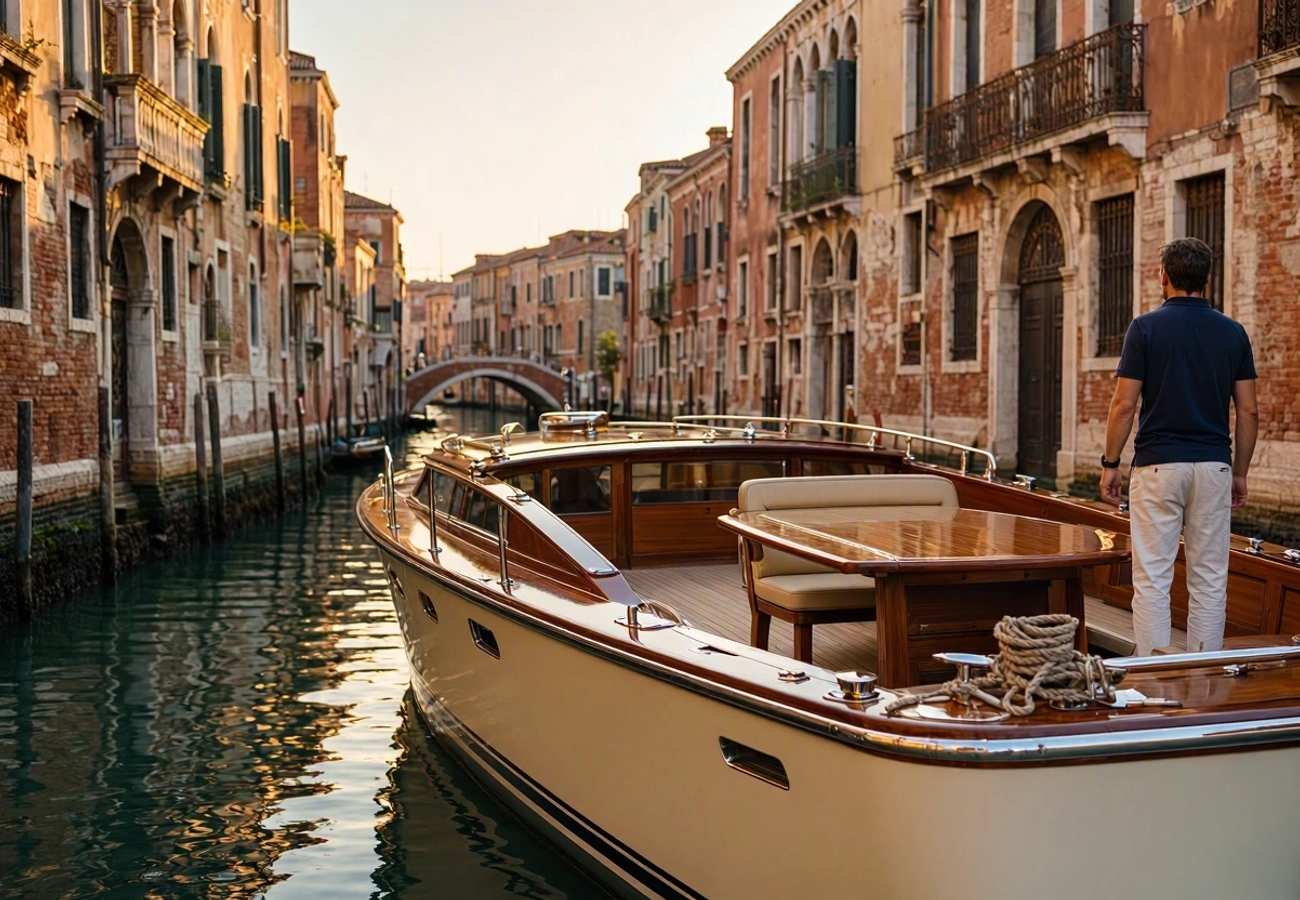
Image generated by AI
A traveler booking a traditional mega-cruise to Venice in 2026 may find their experience fundamentally altered, as their vessel is diverted to an industrial mooring in Marghera, requiring a long shuttle transfer to reach the city center. Meanwhile, passengers aboard boutique luxury yachts continue to glide directly into the heart of the historic canals, benefiting from a regulatory environment that now explicitly favors low-impact, high-spend tourism over mass-market volume.
The Mediterranean Shift: From Mass Tourism to Ultra-Luxury
European maritime tourism is undergoing a structural realignment. Driven by the need to protect fragile coastal ecosystems and alleviate the social friction caused by "overtourism," Mediterranean municipalities are systematically dismantling the open-berth models that once allowed mega-ships to dominate historic harbors.
The shift is not merely a trend but a legal mandate. By implementing strict daily passenger quotas and gross tonnage restrictions, cities are effectively pricing out and phasing out the "post-Panamax" class of vessels. This has created a vacuum now being filled by ultra-luxury operators and hotel brands like Ritz-Carlton, who utilize smaller, high-end vessels that meet new environmental and size criteria.
Port Restrictions and Regulatory Thresholds
The crackdown is most evident in the "crown jewels" of Mediterranean tourism. In Italy, Law 125/2021 has fundamentally changed access to Venice, while Greece has introduced Law 5162/2024 to manage the chaotic surges in the Cyclades.
Summary of European Port Restrictions (2026)
| Destination | Governing Authority | Key Restrictions | Fiscal/Operational Impact |
|---|---|---|---|
| Venice, Italy | Northern Adriatic Sea Port Authority | Ban on large tonnage in San Marco and Giudecca canals | Mega-ships diverted to Marghera; boutique craft retain central access |
| Santorini & Mykonos, Greece | Hellenic Ministry of Maritime Affairs | Rigid daily passenger disembarkation ceilings | Seasonal landing levies; revenue split between port and municipality |
| Dubrovnik, Croatia | Dubrovnik Port Authority | Max 2 cruise vessels berthing simultaneously | Mandatory minimum berth durations; Old Town pedestrian caps |
| Palma de Mallorca, Spain | Balearic Islands Government | Daily cap of 3 ships; mega-vessels limited to 1 berth | Mandatory seasonal schedule coordination via CLIA agreement |
Your Rights as a Passenger
If you are booked on a Mediterranean cruise and find your itinerary altered due to these new regulations, your protections depend on the nature of the change.
1. Contractual Changes and Refunds Under most consumer protection frameworks and US DOT refund rules, if a cruise line significantly alters the port of call (e.g., moving a Venice stop from the city center to an industrial port 15km away), passengers may be entitled to partial refunds or credits. Check your cruise contract for "Force Majeure" or "Port Substitution" clauses.
2. EU Maritime Protections For voyages departing from EU ports, the principle of freedom to provide services under Council Regulation 3577/92 governs the operation. While this primarily affects the shipowners, it ensures that boutique operators can offer "micro-cabotage" (stopping at smaller, secondary ports like Portofino or Bonifacio) without the restrictive manning mandates applied to larger ships.
3. Environmental Surcharges Be aware that "Landing Levies" (such as those in Santorini) are often passed down to the consumer. Ensure your booking clarifies whether these statutory fees are included in the fare or required as an out-of-pocket expense upon arrival.
Rebooking Strategy and Alternatives
If you wish to avoid the industrial shuttle transfers and crowds associated with mass-market cruising, consider these strategic shifts:
- Pivot to Boutique Expedition Ships: Look for vessels with a gross tonnage below the thresholds set by the Northern Adriatic Sea Port Authority. These ships often retain access to the Venezia Marittima terminal.
- Explore Secondary Ports: Instead of the "Big Three" (Venice, Santorini, Dubrovnik), target emerging luxury hubs. Use Flightradar24 or maritime tracking tools to see where smaller luxury yachts are currently anchoring.
- The Superyacht Option: For those with the budget, chartering a private yacht is the only guaranteed way to bypass municipal passenger caps and access restricted quaysides in places like Monemvasia or Nafplio.
- Off-Peak Scheduling: Greek landing levies are tiered. Booking during "shoulder" or winter windows significantly reduces the fiscal burden and the congestion at the port of Fira.
FAQ: Mediterranean Cruise Restrictions 2026
Am I entitled to a refund if my ship is diverted to an industrial port? Depending on your contract, a significant change in the "nature of the experience" (e.g., losing direct city access) may justify a partial refund request. Review the "Port Substitution" clause in your booking terms.
Do I have to pay extra to land in Santorini or Mykonos? Yes, under Law 5162/2024, seasonal landing surcharges are mandatory. These are typically collected by the cruise line or paid at the pier to fund local infrastructure.
Why are some ships allowed in Venice while others are not? Access is based on gross tonnage, waterline length, and emissions. Only boutique yachts and small expedition craft currently meet the strict hydrogeological preservation criteria for the central canals.
What is "micro-cabotage" and how does it affect my trip? It is a legal framework allowing EU-flagged boutique ships to visit multiple domestic ports. For you, this means more unique stops in small villages like Rovinj or Portofino.
The era of the mega-ship in the Mediterranean is ending; the era of the curated, low-impact voyage has begun.
Related Travel Guides
Disclaimer
This article is for informational and educational purposes only. It does not constitute legal, financial, or professional advice. While we strive to provide accurate and up-to-date information, travel policies, regulations, and conditions change rapidly. Always verify information with official sources before making travel decisions. Nomad Lawyer makes no representations about the accuracy, reliability, completeness, or suitability of the information provided. Readers should consult qualified professionals for advice specific to their circumstances. The views expressed in this article are those of the author and do not necessarily reflect the views of Nomad Lawyer.
Preeti Gunjan
Contributor & Community Manager
A passionate traveller and community builder. Preeti helps grow the Nomad Lawyer community, fostering engagement and bringing the reader experience to life.
Learn more about our team →