
Ecuador Set-Jetting Boom, Real Filming Locations Spark A Massive Record Travel Wave Across Uncharted Equatorial Wonders
Ecuador Set-Jetting Boom, Real Filming Locations Spark A Massive Record Travel Wave Across Uncharted Equatorial Wonders

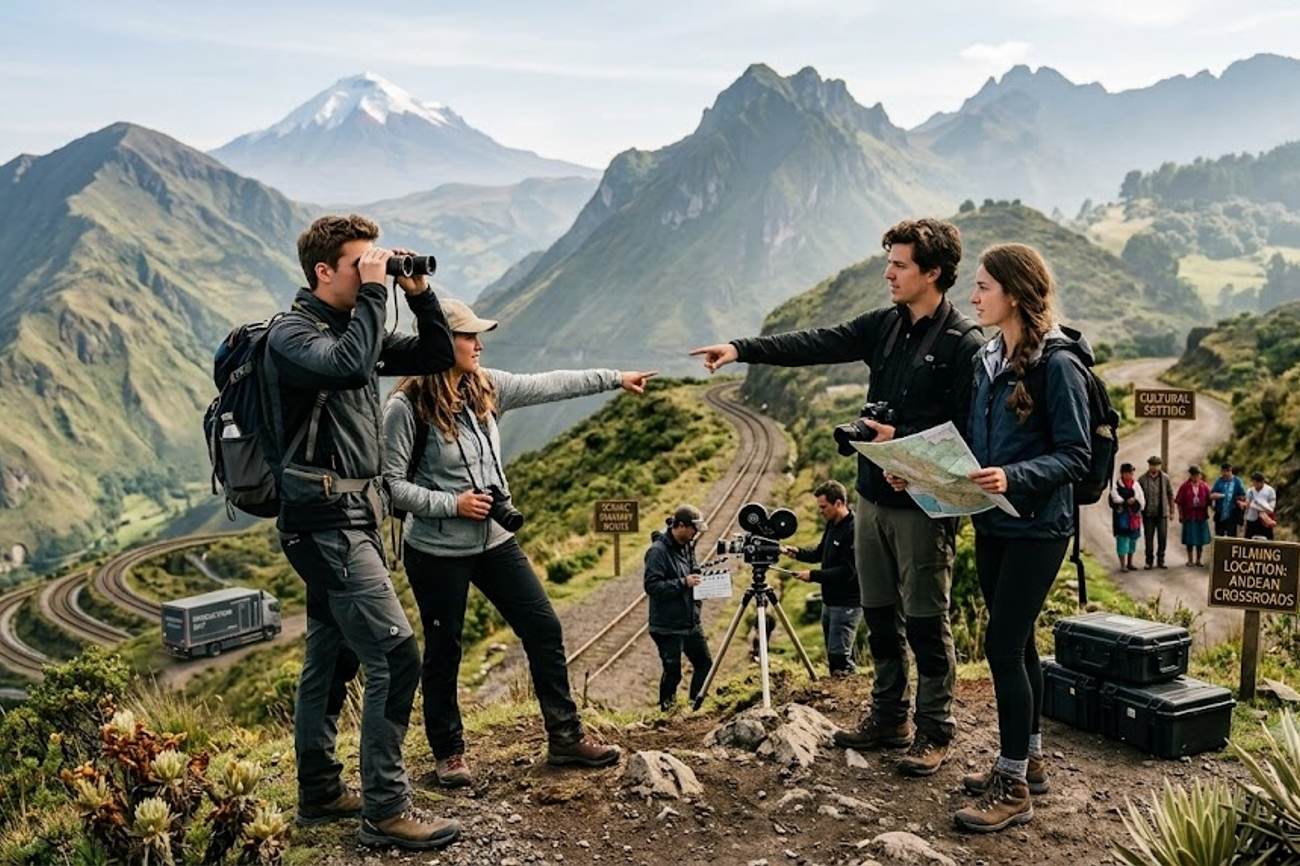
Image generated by AI
[Quito, October 2025] — Ecuador has recorded a monumental surge in international arrivals throughout 2025, driven by a global "set-jetting" trend where travelers visit locations featured in high-budget film and television productions. This influx of tourism, paired with strategic government investment and expanded bilateral air transport agreements, has funneled approximately $1.0 billion USD directly into regional hospitality networks and community-led conservation funds.
The growth is the result of a symbiotic relationship between the entertainment industry and the travel sector. By leveraging its unique "4-in-1" geographical structure—comprising the Galápagos Islands, the Pacific Coast, the Andean Highlands, and the Amazon Rainforest—Ecuador has positioned itself as a premier global filming destination. This strategic pivot has transitioned the country from a niche eco-tourism spot to a mainstream pop-culture destination, significantly increasing the volume of international visitors compared to the 1,360,000 arrivals recorded in 2016.
The LOTDA Legislative Framework
The primary catalyst for this boom is the Organic Law for Digital and Audiovisual Transformation, known as the LOTDA framework. This legislative architecture was designed to attract global production crews by reducing the financial risk of filming in South America. Central to this is the Audiovisual Investment Certificate (CIA), which provides a 37% tax credit on qualified expenditures spent within the country.
To prevent low-impact productions from draining resources, the government has established strict minimum investment tiers to qualify for these rebates:
- Feature-Length Films: Must meet a minimum spend of $400,000 USD, which can yield a tax credit of up to $144,000 USD.
- Television Productions: Must meet a minimum expenditure threshold of $150,000 USD to qualify for the CIA rebates.
These aggressive fiscal incentives have led top-tier studios to choose Ecuadorian ecosystems over traditional filming hubs, knowing they can capture diverse biomes—from volcanic peaks to tropical jungles—within a single production schedule.
Regional Impact and Production Hubs
The surge in filming is not concentrated in the capital but is spread across four distinct eco-zones, each attracting different types of cinema and subsequent tourism.
- The Galápagos Archipelago: This region remains the epicenter of screen tourism, frequently featured in high-definition wildlife documentaries from the BBC and National Geographic. This visibility drives eco-conscious travelers to book sustainable cruise expeditions.
- Quito Historic Center: A UNESCO World Heritage site, the capital's Spanish colonial architecture serves as a primary backdrop for international action films and period dramas, boosting urban artisan markets.
- Andean Highlands: Cotopaxi National Park, home to one of the world's tallest active volcanoes, and the turquoise Quilotoa Lagoon have become magnets for thrill-seekers and trekking enthusiasts who recognize the landscapes from screen.
- Amazonian Reserves: Yasuní National Park and the Cuyabeno Wildlife Reserve are the primary sites for survival series and biological research documentaries, increasing interactions between global travelers and indigenous communities.
Practical Traveler Advisory and Strategic Insights
For the modern traveler, the "set-jetting" phenomenon in Ecuador transforms a standard vacation into a curated cinematic experience. However, this popularity brings practical changes to how visitors should plan their trips.
Booking and Logistics With the expansion of bilateral air transport agreements, there are more direct routes into the country than in previous years. However, the surge in "screen-induced" travel means that peak seasons for specific locations—such as the Galápagos or Cotopaxi—are becoming more volatile. Travelers should expect higher demand for sustainable cruise permits and high-altitude trekking guides.
Cost and Infrastructure The $1.0 billion USD infusion into hospitality has led to improved infrastructure in rural areas like Baños and Otavalo. While this means better lodging and transport options, it also means that "off-the-beaten-path" destinations are becoming more commercialized. Travelers seeking solitude may need to venture further into the Amazonian reserves or the deeper Andean corridors.
Experience Shifts Visitors are no longer just seeing endemic plants and animals; they are following "film trails." This has led to the rise of specialized tour operators who focus on cinema locations. Travelers can now move between four distinct biomes in a matter of hours, a logistical feat made possible by the infrastructure improvements triggered by film crew requirements.
Economic Multipliers and Local Employment
The impact of these productions extends far beyond the hotel industry. When global crews establish bases in rural towns, they stimulate a wide array of local supply chains. This includes heavy transport fleets, local catering firms, technical equipment suppliers, and artisanal prop masters.
The financial injection is immediate and significant. Foreign film crews are spending an average of $180 to $350 USD per member, per day, on regional logistics and lodging. This creates a powerful service-sector multiplier effect: for every $1.00 USD spent via a qualified local vendor, an additional $2.40 USD circulates through secondary local service sectors.
Currently, the intersection of travel, cultural media, and film logistics sustains over 854,800 direct jobs across Ecuador. This represents approximately 4.7% of the total national employment, ensuring that the economic benefits of a Hollywood production are felt by local workers long after the cameras stop rolling.
FAQ: Ecuador Set-Jetting 2025
How do I visit the film locations in the Galápagos? Most cinematic locations in the archipelago are accessible via sustainable cruise expeditions. Due to strict environmental regulations managed by the Galápagos National Park, you must book through certified operators to ensure your visit supports conservation funds.
Are the Andean highlands accessible for non-trekkers? Yes. While Cotopaxi and Quilotoa are popular for trekking, improved infrastructure—driven by the needs of production crews—has made these volcanic landscapes more accessible via guided vehicle tours and established viewpoints.
What is the best time to visit Quito's historic center for cinema fans? The historic center is a year-round destination. To avoid the largest crowds of "set-jetters," visit during the shoulder seasons. Ensure you visit local artisan markets, which have seen a resurgence in growth due to the city's increased film visibility.
Is it safe to visit the Amazonian reserves like Yasuní? Yes, provided you travel with authorized guides and indigenous community leaders. These areas are strictly regulated to protect biological diversity and the rights of native lands, mirroring the sustainable practices required by documentary crews.
From the screen to the soil, Ecuador is rewriting its economic future one frame at a time.
Tags: Ecuador Tourism 2025, LOTDA Framework, Galápagos Islands, Quito UNESCO, Cotopaxi National Park, Yasuní National Park
Related Travel Guides
Disclaimer
This article is for informational and educational purposes only. It does not constitute legal, financial, or professional advice. While we strive to provide accurate and up-to-date information, travel policies, regulations, and conditions change rapidly. Always verify information with official sources before making travel decisions. Nomad Lawyer makes no representations about the accuracy, reliability, completeness, or suitability of the information provided. Readers should consult qualified professionals for advice specific to their circumstances. The views expressed in this article are those of the author and do not necessarily reflect the views of Nomad Lawyer.
Kunal K Choudhary
Co-Founder & Contributor
A passionate traveller and tech enthusiast. Kunal contributes to the vision and growth of Nomad Lawyer, bringing fresh perspectives and driving the community forward.
Learn more about our team →