
Viennale 2026: Guide to Austria’s Premier International Film Festival
Viennale 2026: Guide to Austria’s Premier International Film Festival

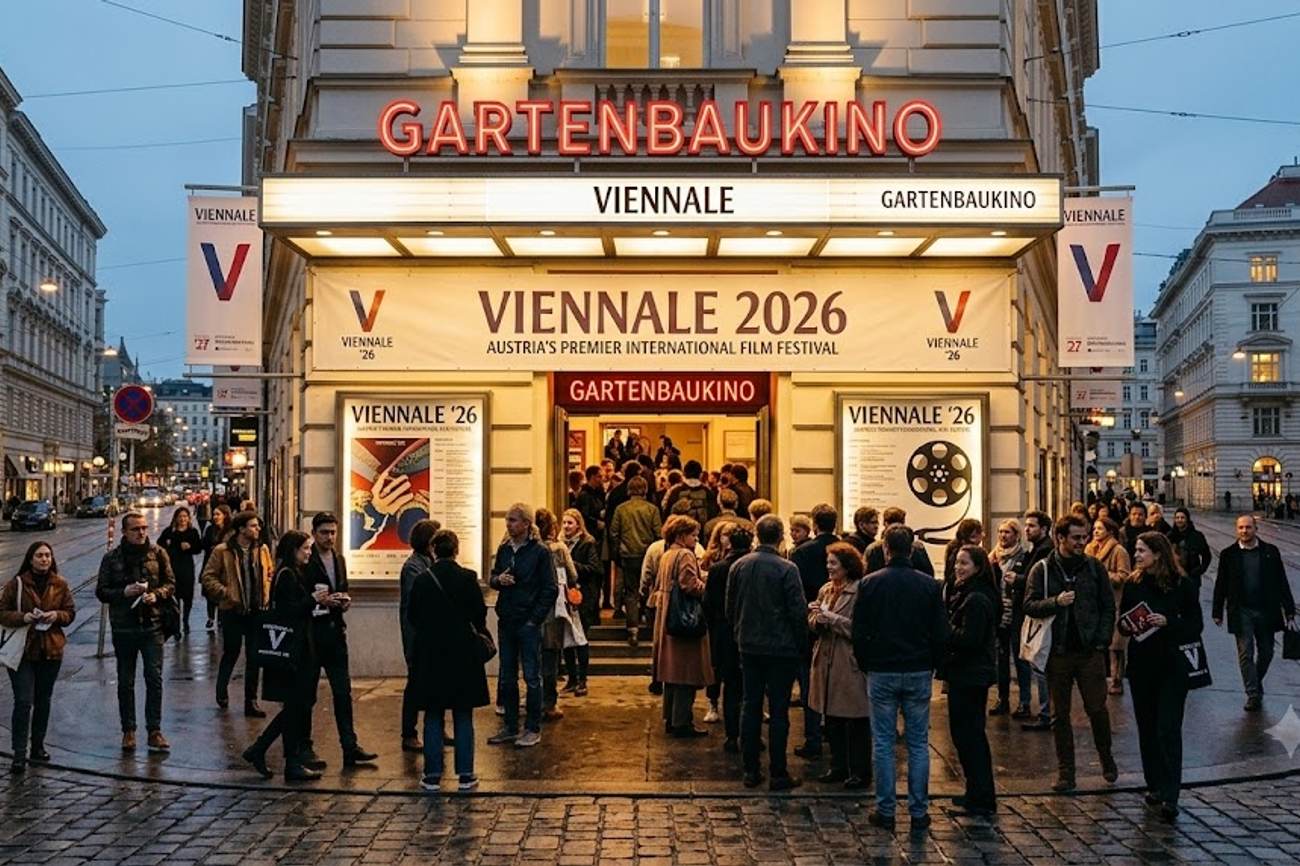
Image generated by AI
12 days of concentrated cultural influx from 22 October to 3 November 2026 will transform Vienna into the epicenter of the German-speaking cinematic world. This specific window marks the 2026 edition of the Viennale, an event that functions less as a mere film screening series and more as a significant economic engine for the Austrian capital. By positioning itself as the most critical international film gathering in Austria, the festival creates a predictable but intense surge in demand for luxury hospitality and urban mobility, shifting the city's autumn tourism profile from general sightseeing to high-intent cultural pilgrimage.
The Structural Logic of the Viennale
The Viennale does not operate on the same commercial logic as the Cannes or Venice festivals, which often prioritize red-carpet glamour and high-stakes market deals. Instead, this event is rooted in a commitment to independent cinema, experimental narratives, and documentary filmmaking. By anchoring its identity in artistic independence, the festival attracts a specific demographic of "cultural nomads"—travelers who prioritize intellectual engagement over luxury tourism.
This strategic focus ensures that the festival remains one of the most prestigious gatherings in the German-speaking region. The 2026 dates (22 October to 3 November) are carefully selected to align with the atmospheric transition of the city, leveraging Vienna's architectural heritage to enhance the cinematic experience. For the city of Vienna, the festival acts as a bridge, connecting the local artistic community with a global network of auteurs and distributors. The institutional support for such an event is often reflected in the coordination between the Austrian National Tourist Office and local municipal authorities to manage the influx of international visitors.
Logistical Pressures and Urban Impact
The concentration of the festival into a tight 13-day window creates a "spike effect" on Vienna's infrastructure. Unlike steady seasonal tourism, the Viennale brings a concentrated burst of industry professionals, critics, and cinephiles who require specific types of accommodation and transport.
The impact is most visible in the hospitality sector. Boutique hotels and historic guesthouses in the city center experience near-total occupancy during the late October period. This surge allows local operators to implement premium pricing models, as the demand is driven by a non-price-sensitive audience of industry stakeholders and dedicated enthusiasts. Furthermore, the decentralization of screenings—which take place across various historic cinemas throughout the city—forces a high volume of movement across the urban core.
| Logistics Category | Impact Level | Primary Driver |
|---|---|---|
| Hotel Occupancy | Critical | High concentration of international critics and producers |
| Public Transit | High | Movement between decentralized historic cinema venues |
| Local Commerce | Moderate-High | Increased foot traffic in traditional cafes and bistros |
| Digital Infrastructure | High | Demand for hybrid ticketing and real-time scheduling |
The efficiency of this movement is supported by Vienna's integrated transit system, which is often cited as a gold standard by organizations like the International Air Transport Association (IATA) when discussing the seamless movement of passengers from airports to urban hubs.
Expert Analysis: The Distribution Powerhouse
For the uninitiated traveler, the Viennale looks like a series of movie screenings. For the industry professional, it is a critical barometer for European distribution. The direct consequence of a successful screening at the Viennale is often a streamlined path to wider distribution across the DACH region (Germany, Austria, and Switzerland).
The pricing pressure created by this event extends beyond hotels. Because the festival serves as a networking hub for producers and distributors, the "secondary economy"—private dining, high-end transport, and short-term rentals—sees a significant uptick in value. For travelers booking routes into Vienna during this window, the direct consequence is a narrowed window of availability for central lodging. If you are not booking 6-12 months in advance, you will likely be pushed to the outskirts of the city, increasing your reliance on the U-Bahn and S-Bahn networks.
Moreover, the shift toward hybrid ticketing and digital accessibility in the 2026 edition signals a broader industry trend: the "democratization of prestige." By expanding digital outreach, the Viennale is attempting to decouple its prestige from physical presence, though the physical event remains the primary driver of economic value for the city. The tension between maintaining an "elite" status and increasing accessibility is a balancing act that will define the festival's growth trajectory over the next decade.
Visitors attending the festival can easily navigate the city using the extensive public transit network managed by Wiener Linien, which connects major cinema venues across Vienna. For those arriving from abroad, the city's infrastructure ensures seamless transfers from the airport to the central districts.
Key Takeaways
- Critical Dates: The 2026 festival runs from 22 October to 3 November; travel arrangements should be finalized months in advance.
- Economic Spike: Expect peak pricing for boutique hotels and central guesthouses due to the influx of international film industry professionals.
- Distribution Influence: The event is a primary gatekeeper for films seeking entry into the German-speaking European market.
- Urban Mobility: Screenings are spread across multiple historic venues, making the use of Vienna's public transportation network essential.
- Evolution of Access: The 2026 edition emphasizes sustainability and hybrid digital platforms to broaden international reach.
FAQ: Viennale Vienna 2026
When exactly does the Viennale 2026 take place? The festival is scheduled to run from 22 October to 3 November 2026. Travelers are encouraged to plan their arrival for the opening days to secure the best screening slots.
Where can I find the screening schedule and tickets? Official schedules and ticketing options are typically released on the festival's digital channels several months before the October start date. Hybrid ticketing options are expected for the 2026 edition.
Is it difficult to get around Vienna during the festival? No, provided you use public transit. The festival utilizes various historic cinemas across the city, and Vienna's robust transportation network is designed to handle these volumes efficiently.
Why is the Viennale considered more important than other regional festivals? It is recognized as Austria's most significant international film event and a leading festival in the German-speaking world, specifically for independent and experimental cinema.
The intersection of celluloid art and urban logistics makes the Viennale more than a festival—it is a temporary restructuring of Vienna's economic geography.
Related Travel Guides
- Greece and United Kingdom Follow Athens Marathon as Historic Routes Inspire New Global Traveller Adventures
- The Future of Wellness and Longevity in Tourism and Hospitality Investment
- Canada Film Tourism Boom: Calgary International Film Festival 2026 Set To Transform Alberta Into Global Cinema Travel Hub
Disclaimer
This article is for informational and educational purposes only. It does not constitute legal, financial, or professional advice. While we strive to provide accurate and up-to-date information, travel policies, regulations, and conditions change rapidly. Always verify information with official sources before making travel decisions. Nomad Lawyer makes no representations about the accuracy, reliability, completeness, or suitability of the information provided. Readers should consult qualified professionals for advice specific to their circumstances. The views expressed in this article are those of the author and do not necessarily reflect the views of Nomad Lawyer.
Naina Thakur
Contributor & Travel Specialist
Travel enthusiast and legal writer covering visa regulations, responsible tourism, and cultural journeys across global destinations.
Learn more about our team →