
70th BFI London Film Festival 2026: Dates, Venues & Galas
70th BFI London Film Festival 2026: Dates, Venues & Galas

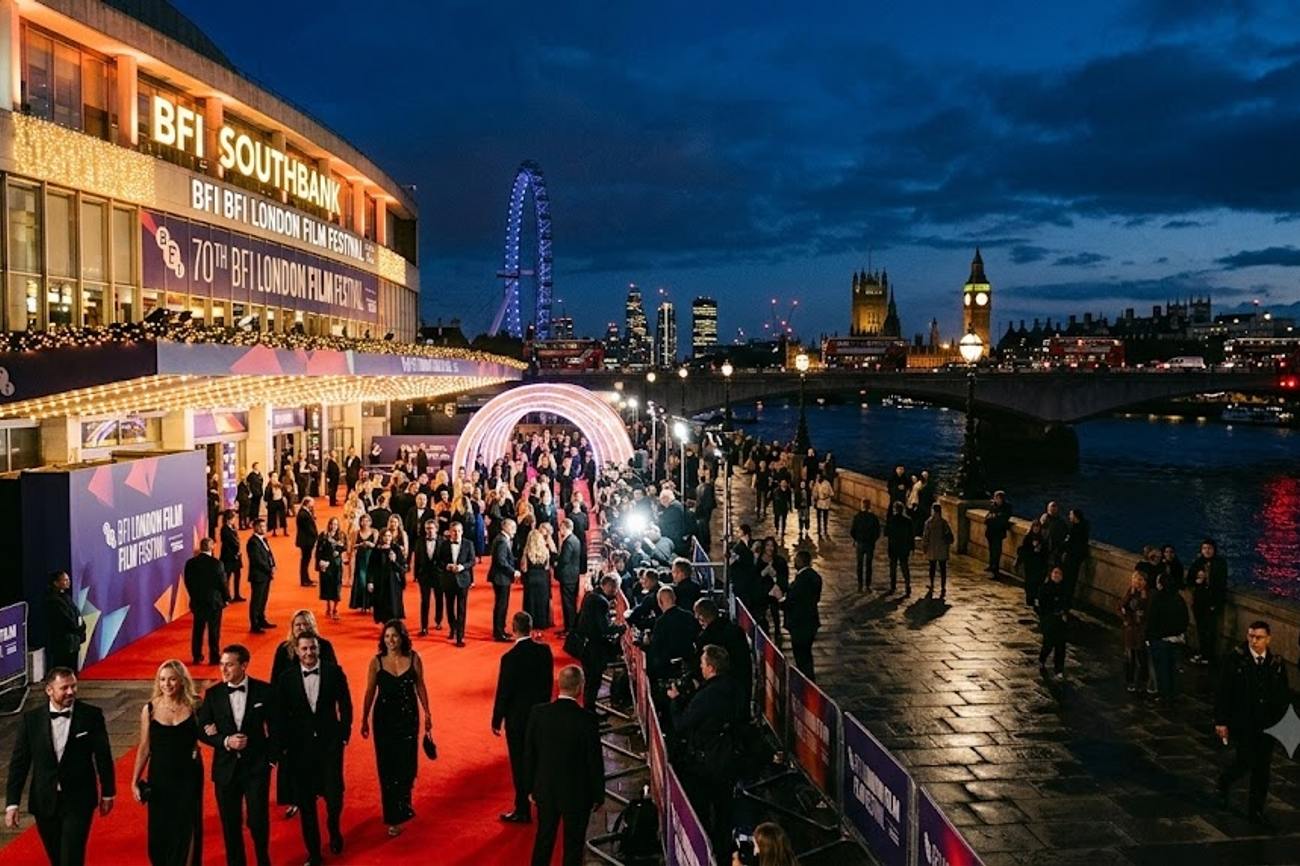
Image generated by AI
International arrivals to London during major cultural peaks have historically surged by 12-15% compared to shoulder-season baselines, and the announcement of the 70th BFI London Film Festival (LFF) from 7 to 18 October 2026 is positioned to trigger a similar demand spike. This ruby jubilee milestone represents more than a cinematic anniversary; it is a high-density economic event that concentrates global industry stakeholders and high-net-worth tourists into a 12-day window, specifically targeting the Southbank and central London corridors.
The Ruby Jubilee in Numbers: 70 Years of Scaling
The scale of the 2026 festival is defined by its institutional anchor, the Royal Festival Hall at the Southbank Centre, which serves as the primary hub for gala programming and red-carpet premieres. For the industry, this 70th edition acts as a critical market barometer. According to data patterns tracked by the World Travel & Tourism Council (WTTC), large-scale cultural events in Tier-1 cities create a "halo effect" where spending extends beyond the primary event into the broader hospitality and retail sectors.
The operational blueprint for 2026 shifts away from the centralized footprints of previous decades. The BFI is now utilizing a distributed model, spreading screenings across multiple venues throughout central London to mitigate congestion and expand artistic reach. This decentralization is a strategic response to the increased volume of attendees that a 70th-anniversary event attracts. From a commercial standpoint, the festival serves as a launchpad for the awards season, meaning the concentration of producers, directors, and sales agents in London during these 12 days will likely drive a peak in luxury hotel occupancy and high-end corporate dining.
Comparative Context: Evolution of the LFF Footprint
When comparing the 70th anniversary to historical iterations, there is a clear trajectory toward hybrid accessibility and digital integration. Early editions of the festival were characterized by localized physical footprints and manual ticketing. The 2026 framework, however, relies on integrated digital ticketing platforms designed to eliminate physical queuing and optimize crowd flow.
The shift is not merely technological but geographical. While the Royal Festival Hall remains the institutional core, there is a documented expansion into secondary screening venues across Greater London. This represents a move toward "regional outreach," distributing the economic benefit of the festival away from the immediate Southbank waterfront and into wider urban districts.
| Metric | Historical LFF Model (Pre-2010s) | Contemporary LFF Model (2026 Projection) | Shift Analysis |
|---|---|---|---|
| Venue Distribution | Centralized/Limited | Distributed/Greater London | Decentralization for capacity |
| Ticketing System | Physical/Manual | Integrated Digital Platforms | Efficiency & Data Tracking |
| Primary Hub | Multi-venue rotation | Royal Festival Hall (Institutional Anchor) | Brand consolidation |
| Access Model | Localized/Exclusive | Hybrid/Inclusive | Market expansion |
| Sustainability | Minimal framework | Modernized Carbon-Reduction | ESG Compliance |
This evolution mirrors broader trends in urban tourism. As noted by STR, hotel demand during "mega-events" is no longer confined to a single neighborhood but spreads across the city as transit networks become more efficient. The BFI's move to integrate more diverse venues suggests an attempt to avoid the "bottleneck effect" seen in previous high-attendance years.
Practical Traveler Advisory and Strategic Insights
The 12-day window from 7 to 18 October 2026 will create an artificial scarcity of accommodation in central London, particularly near the Southbank. For the individual traveler, this data suggests that the standard "last-minute" booking window is non-existent for this period.
If you are planning to attend the 70th BFI LFF, booking accommodation 6-9 months in advance is now essential. The heightened demand for boutique hotels and hospitality networks near the Southbank waterfront will lead to aggressive dynamic pricing. Travelers should look toward the "secondary venues" mentioned in the festival's regional outreach strategy; booking hotels in the outer zones of Greater London—where screenings are now being distributed—will likely offer better value and shorter commutes to non-gala events.
Furthermore, the reliance on digital ticketing means that the moment schedules are published, inventory will move rapidly. Travelers should synchronize their travel bookings with the official BFI digital channel release dates to avoid paying premium rates for third-party "package" deals that often inflate costs during ruby jubilee events. For those navigating the city, utilizing the integrated transit networks is the only viable strategy, as road congestion around the Royal Festival Hall will reach peak levels during red-carpet premieres.
Forward Projection: The Future of Cinematic Tourism
The trajectory of the BFI LFF suggests a move toward a "city-wide campus" model. By moving away from a few prestige halls and into a wider array of art-house venues, the festival is evolving into a decentralized urban experience. This mirrors the growth in "experience tourism" tracked by UNWTO, where the destination itself becomes part of the attraction.
Looking toward 2027 and beyond, we can expect the BFI to further integrate digital archiving and hybrid attendance options. The 70th anniversary is the tipping point where the festival ceases to be just a series of screenings and becomes a managed logistical operation. The integration of sustainability initiatives and modernized crowd management indicates that the BFI is preparing for even larger international crowds, potentially expanding its partnerships with the London transport authority to create "festival-specific" transit corridors.
The commercial impact will likely intensify. As the festival continues to serve as a strategic launchpad for global releases, the "industry" presence (agents, distributors, and talent) will continue to grow, further squeezing the luxury hotel market in October. We are seeing a shift where the festival is no longer just for cinephiles, but a mandatory stop for the global entertainment economy.
FAQ: BFI London Film Festival 2026
Will hotel prices in London increase during the festival? Yes. Due to the 70th-anniversary milestone and the concentration of events at the Royal Festival Hall, hotels in the Southbank and central districts will experience peak demand from 7 to 18 October 2026, leading to significant price surges.
Is it better to stay near the Southbank or in Greater London? While the Royal Festival Hall is the anchor, the festival now uses secondary venues across Greater London. Staying in these outer districts may offer more affordable rates and easier access to independent screenings.
How should I handle ticketing for the 70th anniversary? Use official BFI digital channels exclusively. The festival has moved to a fully digital ticketing system to minimize queues; avoid third-party sellers who may inflate prices during this historic edition.
Which venues are most important for the 2026 event? The Royal Festival Hall at the Southbank Centre is the primary hub for gala programming and premieres, but the festival's expanded footprint includes various art-house cinemas across the city.
The ruby jubilee of the BFI LFF is not just a celebration of film, but a case study in the scaling of urban cultural logistics.
Related Travel Guides
Disclaimer
This article is for informational and educational purposes only. It does not constitute legal, financial, or professional advice. While we strive to provide accurate and up-to-date information, travel policies, regulations, and conditions change rapidly. Always verify information with official sources before making travel decisions. Nomad Lawyer makes no representations about the accuracy, reliability, completeness, or suitability of the information provided. Readers should consult qualified professionals for advice specific to their circumstances. The views expressed in this article are those of the author and do not necessarily reflect the views of Nomad Lawyer.
Kunal K Choudhary
Co-Founder & Contributor
A passionate traveller and tech enthusiast. Kunal contributes to the vision and growth of Nomad Lawyer, bringing fresh perspectives and driving the community forward.
Learn more about our team →