
Bahrain Joins Oman as Middle East Tourism Eyes 17% Rebound with Premium Travel and AI Boom in 2027
Bahrain Joins Oman as Middle East Tourism Eyes 17% Rebound with Premium Travel and AI Boom in 2027

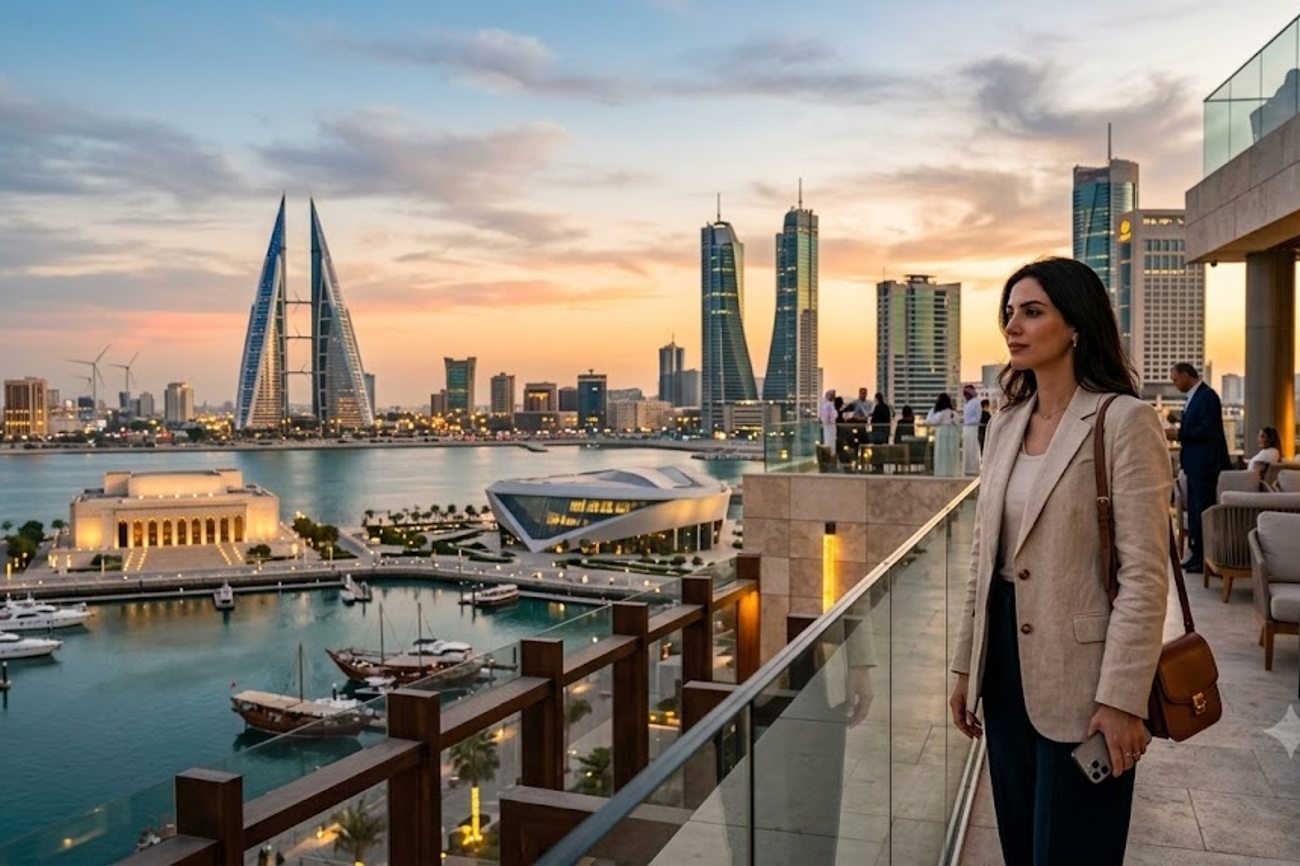
Image generated by AI
International travel across the Middle East, North Africa, and South Asia is projected to surge by 17% in 2027, more than double the expected global growth rate of 8%. While the world recovers at a steady pace, the MENASA region is accelerating, positioning itself not just as a transit hub, but as a primary destination for a new era of high-value, experience-driven tourism.
The Gulf's Shift Toward High-Value Tourism
The Middle East is currently navigating a pivotal transition. We are moving away from the era of mass tourism and toward a sophisticated model where premium travel and artificial intelligence dictate how visitors discover and book their journeys. This shift is most evident in the aggressive growth strategies of Bahrain, Oman, the UAE, and Qatar. The scale of this ambition is staggering: by 2030, the MENASA region is forecast to welcome 316 million international arrivals, resulting in 2.3 billion visitor nights and a total spend of US$408 billion.
What is particularly noteworthy is that this growth is not happening in a vacuum. The region is investing heavily in the "invisible" side of tourism—data and infrastructure. For instance, Bahrain is currently implementing a rigorous Tourism Survey running from November 2025 to December 2027. By tracking the specific behaviors of inbound, outbound, and domestic travelers, the Information & eGovernment Authority and the Bahrain Tourism and Exhibitions Authority are moving beyond simple headcounts. They are analyzing the "visitor value"—exactly how people spend their money and why they choose specific sites—to refine aviation and hotel planning.
What Makes the Gulf Destinations Different
While the UAE and Qatar often dominate the headlines with futuristic architecture, Bahrain and Oman offer a different, more grounded rhythm.
Bahrain serves as a bridge between the high-energy business hubs of the Gulf and a more relaxed, island-centric lifestyle. The numbers reflect its growing appeal: the Kingdom saw 14.9 million visitors in 2024, a significant jump from the 12.4 million recorded in 2023. Despite the high volume, the average stay remains short at 2.9 nights, with total tourist nights reaching 19.2 million. For the traveler, this means Bahrain is the perfect "short-break" destination. With an average daily expenditure of BD69.1 and total inbound revenue hitting BD1.9 billion, the island is successfully blending its role as a commercial center with its identity as a cultural getaway.
Oman, conversely, is carving out a niche in "premiumisation." In the local context, this doesn't just mean five-star hotels; it means a shift toward meaningful, nature-led experiences. The Sultanate is seeing a massive expansion in its accommodation sector, recording 5.1 million hotel guests in 2025—a 16.6% increase over the 4.4 million guests in 2024. With 1,475 hotels now operating in the country, Oman is attracting a diverse crowd, with Europeans making up 22.1% of hotel guests. This is reflected in the finances: hotel revenue climbed 22.3% to reach RO359 million in 2025. Oman is betting on the fact that modern travelers are willing to spend more on authentic heritage and raw natural beauty than on gold-plated luxury.
Visitor Insider Tips
To experience these destinations through a local lens, you have to look past the primary hotel districts.
For Bahrain: Avoid the mid-day heat by scheduling your visits to the Qal'at al-Bahrain (Bahrain Fort), a UNESCO World Heritage site, for the golden hour just before sunset. To avoid the crowds, visit the traditional souqs on weekday mornings. When navigating the island, use ride-sharing apps rather than street taxis for more transparent pricing. Base yourself in Adliya if you want to be within walking distance of the city's best independent cafes and art galleries.
For Oman: The best time to visit is between October and April to avoid the extreme summer heat. While Muscat is the gateway, the real soul of Oman lies in the Al Hajar Mountains and the deserts of the south. When visiting local villages, dress conservatively—shoulders and knees should be covered for both men and women. Try the Omani halwa, a sticky, sweet delicacy, but always accept a date and coffee first; it is a gesture of hospitality that should never be refused. For transport, renting a 4x4 is non-negotiable if you plan to venture beyond the main highways into the wadis and mountains.
Regional Logistics: For those planning multi-country trips, check the official Visit Bahrain or Oman tourism portals to coordinate visas. Many GCC residents can move between these countries with ease, but international travelers should verify the latest e-visa requirements to avoid delays at the border.
Cultural and Environmental Context
The rapid growth projected for 2027 brings a complex set of challenges. The push toward 316 million arrivals by 2030 requires a delicate balance between economic gain and heritage preservation. In Oman, the rise of "experience-led tourism" puts pressure on fragile ecosystems, such as the wadis and mountain trails. There is a growing movement toward sustainability, where the goal is to ensure that the 22.3% increase in hotel revenue translates into the protection of the very landscapes that attract visitors.
In Bahrain, the challenge is managing the "short-break" phenomenon. With an average stay of only 2.9 nights, there is a risk of tourism becoming superficial. The current data-driven approach—tracking visitor behavior through 2027—is an attempt to shift this. By understanding why people leave so quickly, the government can create deeper cultural anchors that encourage longer stays and a more meaningful interaction with the local community. Across the region, the integration of AI in travel planning is not just about convenience; it is being used to distribute tourist traffic away from over-saturated spots and toward lesser-known local artisans and heritage sites, helping to spread the economic benefits of tourism more equitably.
FAQ: Visiting the Gulf 2025-2027
What is the best time to visit Bahrain and Oman? Visit between November and March. The weather is mild and pleasant, making it possible to explore outdoor markets in Manama or hike the mountains of Oman without enduring the extreme summer temperatures.
Do I need a visa for these destinations? Most visitors to Bahrain and Oman can apply for an e-visa or obtain one on arrival, depending on their nationality. Always check the official government portals a few weeks before departure to confirm current requirements.
How do I get between Bahrain and Oman? The most efficient way is by air via regional carriers. While Bahrain is an island and Oman is a large coastal nation, short flights connect Manama and Muscat, often with layovers in Dubai or Doha.
Is the region safe for solo travelers? Yes, both Bahrain and Oman are regarded as very safe for solo travelers. Local hospitality is legendary, though solo female travelers should follow local dress codes to ensure a respectful and seamless experience.
The Gulf is no longer just a stopover; it is becoming the world's most ambitious laboratory for the future of travel.
#BahrainTravel2027 #OmanTourism #MENASATravel #GulfLuxuryTravel #VisitBahrain #ExploreOman
Related Travel Guides
- Italy Unites With France and Others Through Paganini Route as Genoa and Nice Unlock Cultural Travel
- Saudi Arabia Aligns With Oman And More In Lifting Desert Tourism With New Rail, Sustainable Resorts And Desert Travel Boom
- Edinburgh Airport Announces Mark Johnston As New Chief Executive To Shape Future Expansion
Disclaimer
This article is for informational and educational purposes only. It does not constitute legal, financial, or professional advice. While we strive to provide accurate and up-to-date information, travel policies, regulations, and conditions change rapidly. Always verify information with official sources before making travel decisions. Nomad Lawyer makes no representations about the accuracy, reliability, completeness, or suitability of the information provided. Readers should consult qualified professionals for advice specific to their circumstances. The views expressed in this article are those of the author and do not necessarily reflect the views of Nomad Lawyer.
Naina Thakur
Contributor & Travel Specialist
Travel enthusiast and legal writer covering visa regulations, responsible tourism, and cultural journeys across global destinations.
Learn more about our team →