
Saudi Arabia Aligns With Oman And More In Lifting Desert Tourism With New Rail, Sustainable Resorts And Desert Travel Boom
Saudi Arabia Aligns With Oman And More In Lifting Desert Tourism With New Rail, Sustainable Resorts And Desert Travel Boom

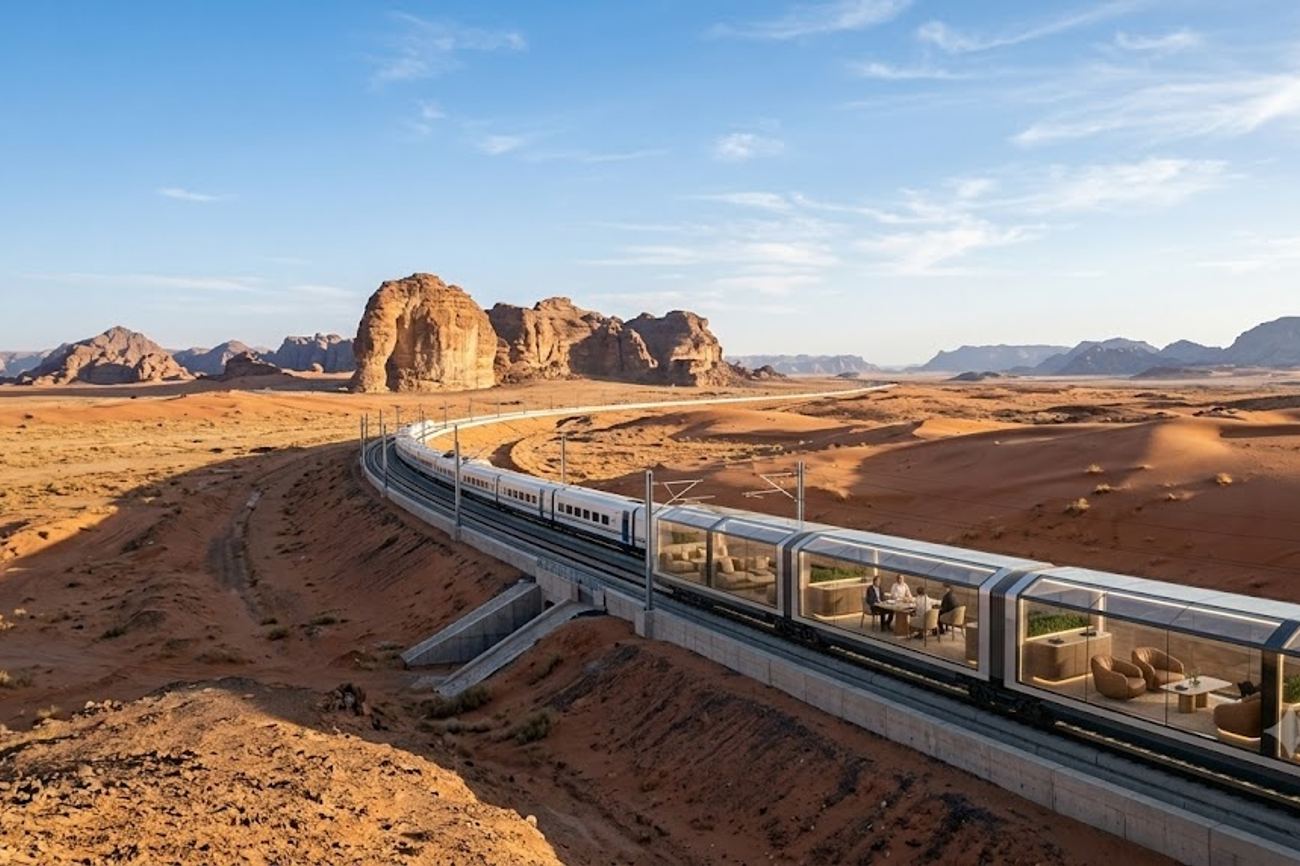
Image generated by AI
2026 marks the definitive pivot point for Middle Eastern tourism, as the region shifts from urban-centric "city breaks" toward a diversified, experience-driven desert economy. This transition is spearheaded by Saudi Arabia, which is integrating high-capital infrastructure—most notably the ultra-luxury "Dream of the Desert" rail experience—to redefine the desert not as a barrier, but as a premium destination.
The Geopolitics of Sand and Luxury
The Middle East is currently undergoing a systemic restructuring of its tourism value proposition. For decades, the region's draw was defined by the architectural superlatives of Dubai or the historical weight of Cairo. However, the strategic horizon for 2026 reveals a coordinated move toward "slow luxury" and heritage-based exploration. This is not merely a marketing shift; it is a structural economic diversification effort.
Saudi Arabia is the primary engine of this change, utilizing its Vision 2030 framework to convert vast, previously inaccessible landscapes into high-yield travel hubs. By focusing on AlUla and the Hegra site—the Kingdom's first UNESCO World Heritage designation—the Saudi government is betting on "high-value, low-impact" tourism. The goal is to attract a demographic of travelers who prioritize cultural exclusivity over mass-market accessibility.
This regional trend is mirrored across neighboring states, though the execution varies by national brand identity. While Saudi Arabia pursues ultra-luxury and Oman emphasizes authenticity, the UAE is pivoting toward conservation-led leisure. This creates a fragmented but complementary market where a single itinerary could theoretically span the entire Arabian Peninsula, moving from the high-tech oases of the UAE to the Bedouin-led expeditions of Jordan.
Regional Specialization and Infrastructure Data
The shift toward desert tourism is characterized by distinct national models. The following breakdown illustrates the divergent strategies being deployed for the 2026 season:
| Country | Strategic Pillar | Primary 2026 Destinations | Core Experience Model |
|---|---|---|---|
| Saudi Arabia | Ultra-Luxury & Rail | AlUla, Hegra, Dream of the Desert | Premium Rail & Heritage |
| Oman | Authentic Nature | A’Sharqiyah Sands | Bedouin Camps & Eco-Adventure |
| UAE | Conservation & Leisure | Al Layan Oasis, Dubai Desert Reserve | Luxury Safaris & Wildlife |
| Qatar | Event-Driven | Brouq, Zekreet | Seasonal Activations & Family |
| Jordan | Cultural Heritage | Wadi Rum | Bedouin Tourism & Hiking |
| Egypt | Wilderness | Siwa Oasis, White Desert | Oasis & Remote Exploration |
| Bahrain | Off-Road Heritage | Sakhir Desert, Tree of Life | Heritage & Adventure |
The introduction of the "Dream of the Desert" train represents a critical shift in logistics. By transforming transportation into the destination itself, Saudi Arabia is adopting a European-style luxury rail model (reminiscent of the Venice Simplon-Orient-Express) but applying it to the stark vistas of the Arabian interior. This reduces the reliance on short-haul flights and rental cars, offering a controlled, premium environment that maximizes spend-per-passenger.
Expert Analysis: The "Slow Luxury" Pivot
For the sophisticated traveler, the move toward desert-centric itineraries signals a change in how "luxury" is priced and packaged in the Middle East. We are seeing a transition from commodity luxury (five-star hotels in city centers) to experiential luxury (exclusive access to remote heritage sites).
The direct consequence of this shift is a likely increase in the average length of stay. Traditional visits to the region often involved 3-4 days in a hub city. The development of multi-day desert itineraries—such as Oman’s combination of wadis, mountains, and sands—forces a longer dwell time. For the travel industry, this means a surge in demand for specialized guides and boutique, low-footprint accommodations.
Furthermore, the UAE's focus on the Dubai Desert Conservation Reserve and the new Al Layan Oasis suggests a strategic hedge against "luxury fatigue." By integrating conservation and nature into the luxury package, the UAE is attempting to attract the growing segment of environmentally conscious high-net-worth individuals.
The pricing pressure created by these developments will likely bifurcate the market. We will see a "premium tier" dominated by Saudi Arabia's rail and luxury resorts, and an "authentic tier" led by Oman and Jordan. Travelers booking these routes should expect a significant premium for "curated" experiences, as the scarcity of luxury infrastructure in remote deserts allows operators to command higher price points.
Key Takeaways
- Structural Shift: The region is moving away from urban-centric tourism toward longer, experience-driven journeys centered on desert landscapes.
- Saudi Hegemony: Saudi Arabia is leading the luxury sector with the "Dream of the Desert" rail project and the development of AlUla/Hegra.
- Diverse Models: Tourism strategies vary from Qatar's event-based activations and the UAE's conservation focus to Oman's emphasis on Bedouin authenticity.
- Logistical Evolution: The rise of luxury rail and multi-day desert circuits is designed to increase the average length of visitor stays.
- Environmental Integration: Sustainability and nature conservation are becoming core components of the luxury offering, particularly in the UAE and Oman.
FAQ: Middle East Desert Tourism 2026
When is the best time to visit these desert destinations? While 2026 will see more year-round infrastructure, the optimal window remains October through March. During these months, temperatures in the Saudi, Omani, and Jordanian deserts are mild enough for hiking, rail travel, and overnight camping.
What is the "Dream of the Desert" train? It is an ultra-premium rail experience in Saudi Arabia that combines private luxury accommodations and fine dining with scenic desert transit. It treats the journey as a destination, focusing on slow travel and cultural exploration.
How does Oman's desert tourism differ from the UAE's? Oman focuses on authenticity, nature, and traditional Bedouin experiences in areas like A’Sharqiyah Sands. The UAE emphasizes high-end luxury safaris, conservation-led resorts, and integrated leisure hubs like Al Layan Oasis.
Is AlUla accessible for general tourists? Yes, AlUla is a primary pillar of Saudi Arabia's tourism expansion. It offers a mix of UNESCO heritage sites like Hegra, luxury resorts, and adventure activities including hot-air ballooning and stargazing.
The desert is no longer a void to be crossed, but a luxury asset to be consumed.
#SaudiArabiaTourism #Vision2030 #AlUla #DreamOfTheDesert #WadiRum #MiddleEastTravel2026
Related Travel Guides
- Edinburgh Airport Announces Mark Johnston As New Chief Executive To Shape Future Expansion
- Cyprus Unlocks New French Tourism Growth Plans As Airline Capacity Expands For 2027
- Why Are Budget Backpackers And Luxury Seekers In Cape Verde Transforming Global Travel Trends And Redefining Island Tourism Economics?
Disclaimer
This article is for informational and educational purposes only. It does not constitute legal, financial, or professional advice. While we strive to provide accurate and up-to-date information, travel policies, regulations, and conditions change rapidly. Always verify information with official sources before making travel decisions. Nomad Lawyer makes no representations about the accuracy, reliability, completeness, or suitability of the information provided. Readers should consult qualified professionals for advice specific to their circumstances. The views expressed in this article are those of the author and do not necessarily reflect the views of Nomad Lawyer.
Naina Thakur
Contributor & Travel Specialist
Travel enthusiast and legal writer covering visa regulations, responsible tourism, and cultural journeys across global destinations.
Learn more about our team →