
Asia Travel Revolution: Regional Journeys Strengthen Tourism as Flights Face Pressure
Asia Travel Revolution: Regional Journeys Strengthen Tourism as Flights Face Pressure

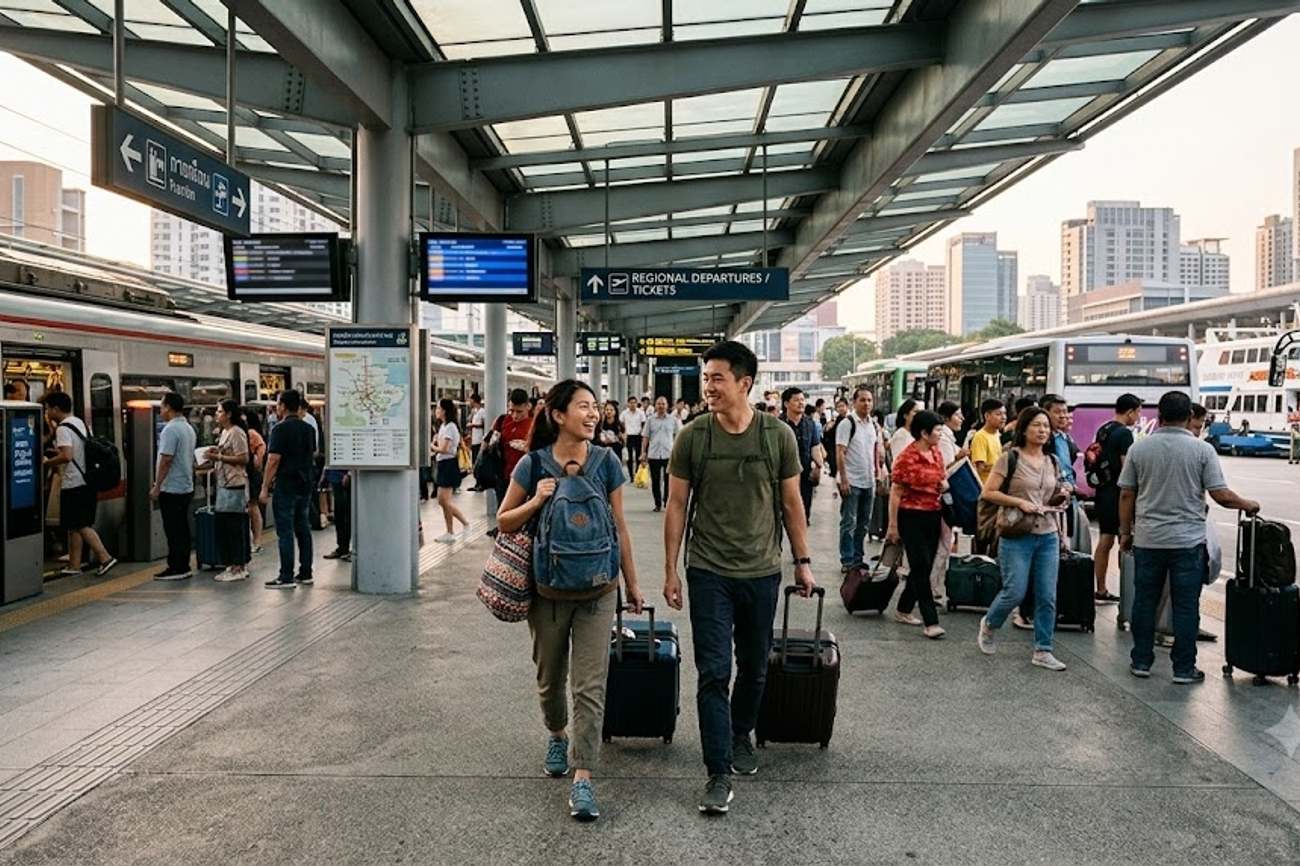
Image generated by AI
[Singapore, May 2024] — Asian tourism destinations are aggressively pivoting toward domestic and intra-regional travel markets to insulate their economies from volatile global aviation disruptions and shifting international flight patterns. This strategic realignment marks a fundamental transformation in how the region manages its tourism assets, moving away from a historical over-reliance on long-haul arrivals from Western markets to create a more balanced, resilient economic model.
Tourism boards across the continent—most notably in Thailand, Malaysia, Indonesia, Vietnam, China, and India—are now prioritizing local visitor flows to ensure that hotels, restaurants, and regional attractions remain solvent when international connectivity falters. This shift is a direct response to a series of systemic shocks, including geopolitical instability, rising airline operating costs, and fluctuating currency values that have made long-haul travel increasingly prohibitive for many global tourists.
The Catalyst for Market Diversification
The immediate trigger for this shift is a combination of aviation instability and economic volatility. For decades, the primary revenue drivers for Asian tourism were high-spending international visitors. However, the industry has faced a compounding series of crises, ranging from pandemic-era lockdowns to current geopolitical tensions and limited aircraft availability.
These disruptions have exposed the fragility of a "single-source" tourism model. When international flight paths are disrupted or visa requirements become cumbersome, destinations that rely solely on overseas arrivals face immediate economic collapse. By contrast, domestic travelers are largely immune to visa disputes, long-haul flight cancellations, and the extreme currency fluctuations that often deter international tourists.
To combat this, regional authorities are utilizing the Association of Southeast Asian Nations (ASEAN) framework to enhance intra-regional connectivity. By simplifying travel between neighboring states, Asia is effectively creating a self-sustaining tourism ecosystem that can thrive even if transatlantic or transpacific travel dips.
Markets and Routes Under Transformation
The shift toward regional resilience is not uniform but is most evident in several key hubs and source markets:
- Southeast Asian Hubs: Thailand, Malaysia, and Vietnam are transitioning from "international-first" strategies to hybrid models. Thailand, historically dependent on global arrivals, has integrated domestic travel as a primary stability mechanism.
- The Indonesian Archipelago: Indonesia is leveraging one of the world's largest internal travel markets, utilizing its geography to drive massive domestic spending across its thousands of islands.
- The Indian Outbound Surge: India has emerged as a critical source market. A growing middle class is increasingly opting for "near-abroad" destinations. Key routes now seeing increased volume include:
- India to Thailand
- India to Malaysia
- India to Vietnam
- India to Singapore
- India to Indonesia
- India to Sri Lanka
- East Asian Powerhouses: China, Japan, and South Korea are strengthening regional corridors to reduce the impact of global aviation volatility.
What This Means for Travelers
For the individual traveler, this systemic shift in tourism strategy translates into tangible changes in pricing, accessibility, and destination options.
1. Lower Barriers to Entry As tourism boards compete for regional and domestic visitors, travelers can expect more aggressive "staycation" promotions, discounted local transport offers, and streamlined visa processes for intra-Asia travel. The push for regionalism often leads to bilateral visa-waiver agreements to encourage movement.
2. Emergence of Secondary Destinations Because domestic travelers are more likely to explore their own hinterlands than international tourists are, there is a surge in infrastructure development in secondary cities. Travelers will find more high-quality hotel and dining options in smaller towns and rural provinces that were previously ignored by the "big city" international circuits.
3. Shift in Flight Dynamics With a higher volume of short-haul and regional demand, airlines are adjusting capacity. Passengers may find more frequent flights between regional hubs (e.g., Bangkok to Ho Chi Minh City or Kuala Lumpur to Jakarta) as carriers prioritize these resilient routes over riskier long-haul segments.
4. Pricing Stability Domestic-focused tourism models reduce the impact of global currency crashes on local business pricing. While international luxury resorts may still fluctuate based on the US Dollar or Euro, local guesthouses and regional operators are increasingly pricing their services for the local and regional middle class, leading to more stable costs for the average traveler.
The Road to Long-Term Resilience
The current trajectory indicates that "resilience" is the new primary KPI for Asian tourism boards. The goal is no longer just the highest number of arrivals, but the most diversified source of arrivals. This involves a multi-pronged approach to future-proofing the industry.
First, there is a heavy investment in digital marketing targeted specifically at local populations. Rather than broad global campaigns, tourism boards are using data-driven targeting to encourage residents to take multiple shorter trips per year rather than one long international holiday.
Second, regional cooperation is intensifying. By aligning tourism policies across borders, Asian nations are making it easier for a traveler from India or China to visit three or four Southeast Asian countries in a single trip. This "multi-destination" approach increases the total spend per visitor and distributes the economic benefit across multiple countries.
Finally, there is a growing emphasis on sustainable development. By promoting domestic and regional travel, destinations can reduce the carbon footprint associated with ultra-long-haul flights while simultaneously reducing the "over-tourism" pressure on a few select international hotspots.
FAQ: Asia Regional Travel 2024
Is it cheaper to travel within Asia right now than to go long-haul? Yes. Due to lower fuel costs for short-haul flights, simplified visa requirements, and targeted regional promotions from tourism boards, intra-Asia travel currently offers significantly better value and lower overall expenses than long-haul journeys.
Which Asian countries are easiest for Indian travelers to visit currently? Thailand, Malaysia, and Vietnam are currently among the most accessible due to competitive pricing, shorter flight durations, and streamlined visa processes designed to attract the growing Indian middle class.
How are "staycations" affecting hotel prices in Asia? The rise of domestic tourism has increased demand for hotels in secondary cities and rural areas. While this can drive up prices during local holidays, it provides a steady baseline of occupancy that prevents hotels from crashing during international off-seasons.
Will international flights to Asia decrease because of this shift? No. Domestic and regional growth is intended to supplement, not replace, international tourism. The goal is to create a "buffer" so that when international flight availability drops, the local economy does not collapse.
Asia is no longer waiting for the world to arrive; it is learning to travel within itself.
Tags: #ASEAN-Tourism-2024 #IntraAsiaTravel #IndianOutboundMarket #ThailandTourism #IndonesiaDomesticTravel #AsiaAviationResilience
Related Travel Guides
Disclaimer
This article is for informational and educational purposes only. It does not constitute legal, financial, or professional advice. While we strive to provide accurate and up-to-date information, travel policies, regulations, and conditions change rapidly. Always verify information with official sources before making travel decisions. Nomad Lawyer makes no representations about the accuracy, reliability, completeness, or suitability of the information provided. Readers should consult qualified professionals for advice specific to their circumstances. The views expressed in this article are those of the author and do not necessarily reflect the views of Nomad Lawyer.
Raushan Kumar
Founder & Lead Developer
Full-stack developer with 11+ years of experience and a passionate traveller. Raushan built Nomad Lawyer from the ground up with a vision to create the best travel and law experience on the web.
Learn more about our team →