
Sri Lanka Tourism Analysis 2026: 2.36 Million Arrivals Drive USD 3.2 Billion Revenue Surge
Sri Lanka's tourism sector has scaled to 2.36 million annual arrivals, generating USD 3.2 billion in foreign exchange and shifting investment toward interior eco-tourism hubs.

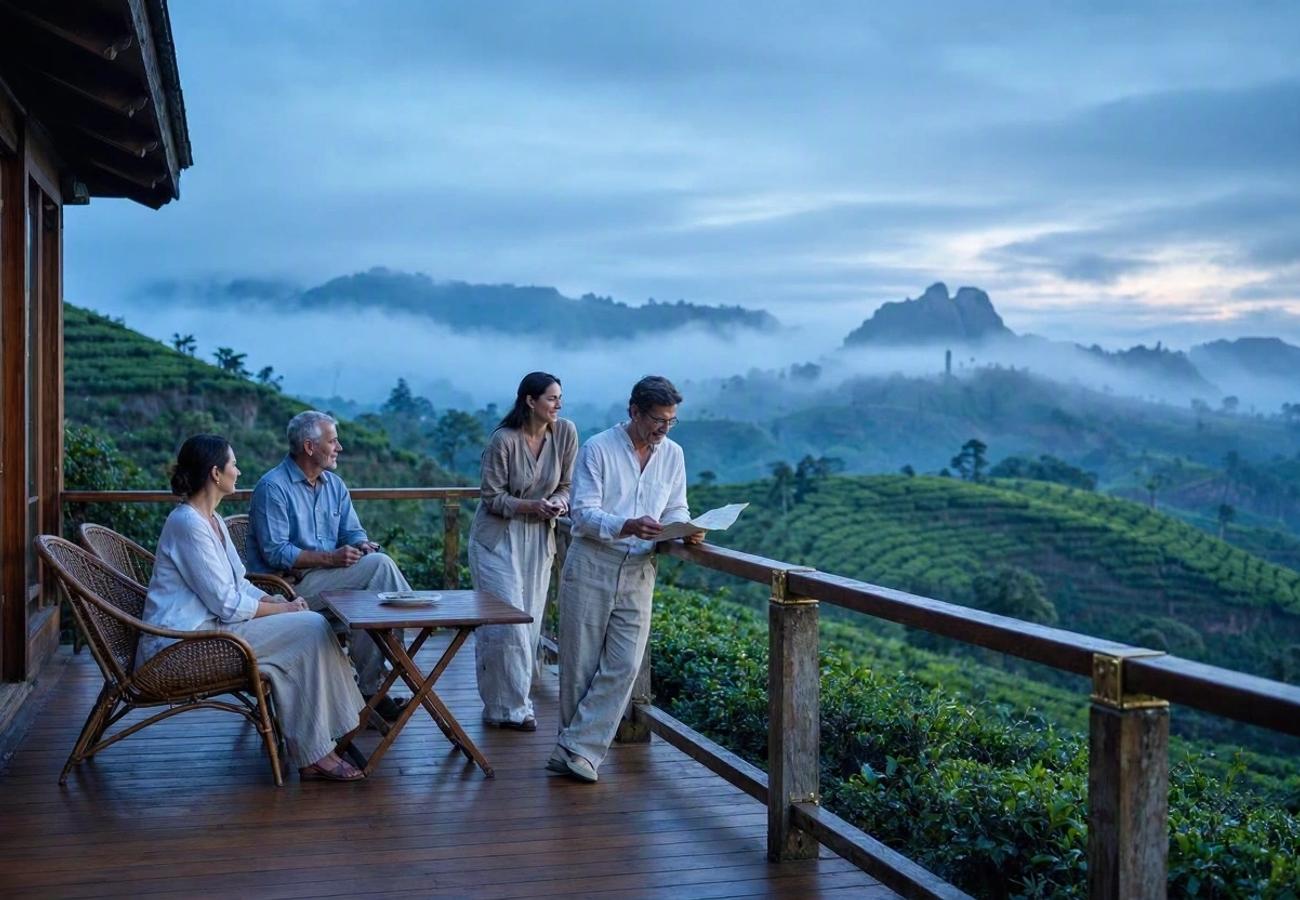
Image generated by AI
Sri Lanka has scaled its international tourist arrivals to 2.36 million annually, generating over USD 3.2 billion in foreign exchange revenue—a significant leap that signals the island's transition from a niche destination to a primary South Asian powerhouse. This growth is not merely a recovery of volume but a shift in value, with average daily spending now hitting USD 181.15 per traveler.
The Trend in Numbers: Revenue and Volume
The current data indicates a robust appetite for multi-destination itineraries. With average stays ranging between 8.4 and 9.3 nights, travelers are moving beyond the traditional "sun and sand" model. The economic impact is concentrated in high-value segments, specifically long-haul European markets.
According to data aligned with World Tourism Organization (UNWTO) patterns, the diversification of the "Cultural Triangle"—encompassing Sigiriya Rock Fortress, Dambulla Cave Temple, and the ruins of Polonnaruwa and Anuradhapura—is driving longer residency periods. The synergy between high-end urban experiences in Colombo and remote wellness retreats in the interior is creating a balanced revenue stream that reduces seasonal volatility.
Comparative Market Analysis: Source Regions and Stay Duration
The inbound market is currently dominated by India, but the highest yield per traveler originates from Western Europe. While Indian visitors provide the highest volume, German and Dutch travelers are recording the longest durations of stay, often exceeding two weeks.
Inbound Market Breakdown 2026
| Source Market | Annual Arrivals | Avg. Stay Duration | Primary Interest |
|---|---|---|---|
| India | 531,000+ | 8-9 Nights | Cultural/Religious |
| Russia | 201,000+ | 10-12 Nights | Coastal/Leisure |
| United Kingdom | 178,000+ | 12-14 Nights | Heritage/Wildlife |
| Germany | 136,000+ | 13-14 Nights | Eco-Tourism/Wellness |
| China | 131,000+ | 7-10 Nights | Urban/Sightseeing |
This distribution shows a clear bifurcation: high-volume short-stay regional travel versus low-volume high-spend long-haul travel. The reliance on the Indian market provides a stable baseline, while the European segment drives the infrastructure for luxury and wellness services, such as authentic Ayurveda detox centers.
What This Means for Travelers
For those planning a visit in 2026 and 2027, the data suggests a shift in where you should allocate your time and budget.
- Avoid the "Coastal Trap": While the Southern Province holds 26.4% of hotel capacity, the most significant growth in experience quality is happening in the interior. Focus on the Uva Province, specifically Ella and Badulla, where new capital investments are enhancing boutique hospitality.
- Booking Windows for Cultural Sites: With 2.36 million visitors competing for access to landmarks like the Temple of the Sacred Tooth Relic and the Nine Arch Bridge, booking specialized cultural guides 4-6 weeks in advance is now a requirement to avoid crowds.
- Wellness Integration: Given the rise in Ayurveda-focused travel, wellness retreats in the central highlands are seeing higher occupancy rates than traditional beach resorts. Booking these during the shoulder seasons will provide better value.
Infrastructure Pivot: The Rise of the Interior
A critical shift is occurring in capital allocation. Historically, tourism investment was concentrated in the Western Province (which currently holds 34.3% of total hotel rooms). However, there is a strategic migration toward the interior to prevent over-tourism on the coasts.
The Badulla district in the Uva Province is the primary beneficiary of this shift, having secured over USD 70.6 million across 13 new development projects. This investment is designed to decentralize the economic benefits of tourism, moving them away from Colombo and Negombo and into rural communities. This trend is supported by IATA data regarding the strengthening of South Asian regional aviation routes, making interior hubs more accessible.
The labor market is mirroring this shift. The industry now supports approximately 640,000 jobs—roughly 7.9% of the national workforce. The emergence of certified wildlife guides in Yala and Udawalawe National Parks, and heritage conservation officers in Anuradhapura, indicates a professionalization of the sector that will result in higher service standards for the individual traveler.
FAQ: Sri Lanka Travel 2026
Will hotel prices increase in the Uva Province? Yes. With USD 70.6 million in new investments and a shift toward eco-tourism, prices in Ella and Badulla are trending upward. Booking early for interior stays is recommended.
Which is the best time to visit for wildlife? Yala and Udawalawe National Parks remain top drivers of travel volume. To avoid the peak crowds associated with the 2.36 million annual visitors, plan trips during the shoulder seasons.
Are long-haul flights becoming more accessible? Yes, the increase in arrivals from the UK, Russia, and Germany has strengthened long-haul aviation routes, leading to more frequent flight options into Colombo.
Is the "Cultural Triangle" overcrowded? With high volumes of pilgrimage and history enthusiasts, sites like Sigiriya and Polonnaruwa experience peak congestion. Mid-week visits are advised to maintain the experience quality.
The transition from coastal leisure to interior exploration is redefining the Sri Lankan travel economy.
Related Travel Guides
Disclaimer
This article is for informational and educational purposes only. It does not constitute legal, financial, or professional advice. While we strive to provide accurate and up-to-date information, travel policies, regulations, and conditions change rapidly. Always verify information with official sources before making travel decisions. Nomad Lawyer makes no representations about the accuracy, reliability, completeness, or suitability of the information provided. Readers should consult qualified professionals for advice specific to their circumstances. The views expressed in this article are those of the author and do not necessarily reflect the views of Nomad Lawyer.
Raushan Kumar
Founder & Lead Developer
Full-stack developer with 11+ years of experience and a passionate traveller. Raushan built Nomad Lawyer from the ground up with a vision to create the best travel and law experience on the web.
Learn more about our team →