
Minnesota Travel Rise: Leaf-Peeping Season Creates New Opportunities Across the State
Minnesota Travel Rise: Leaf-Peeping Season Creates New Opportunities Across the State

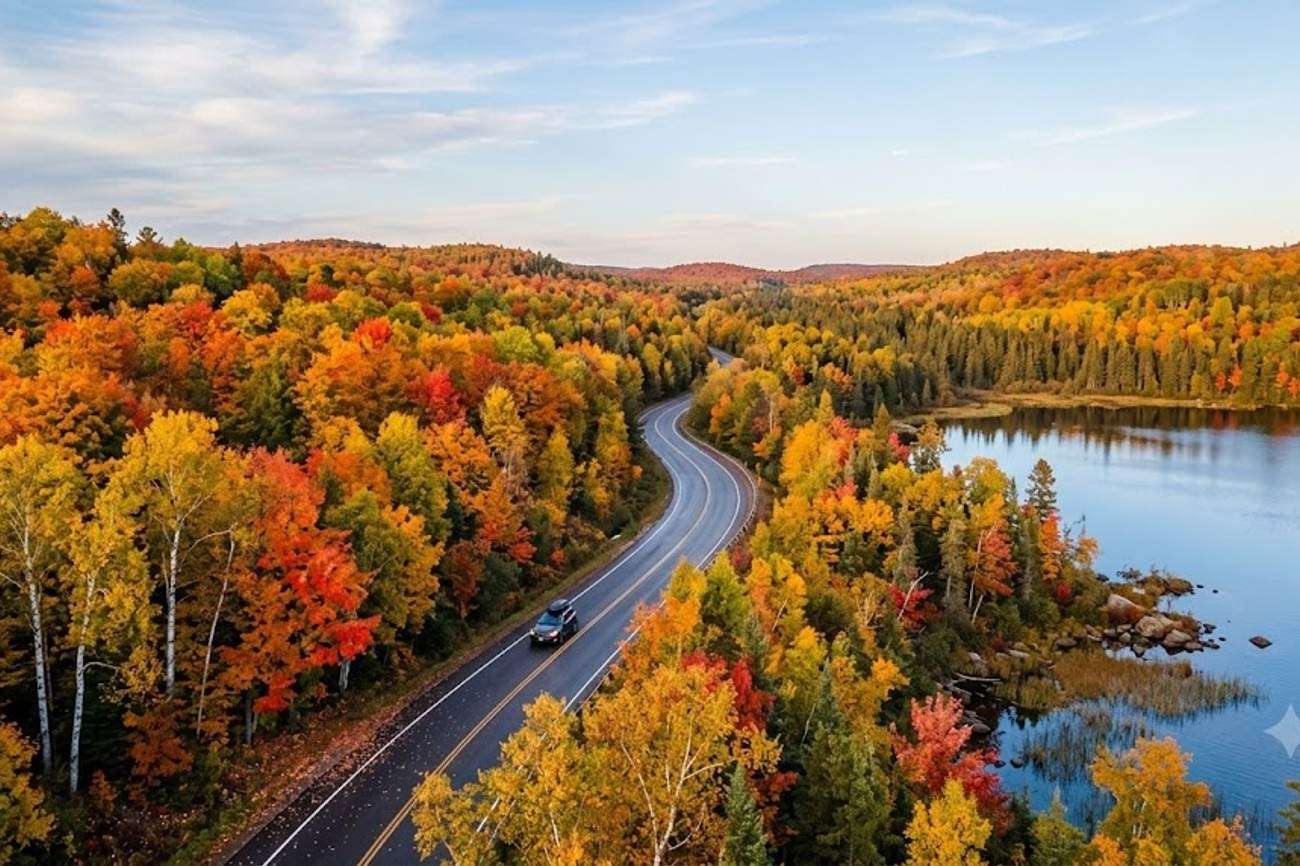
Image generated by AI
Planning a road trip to witness Minnesota's autumn transformation? Here is exactly how to synchronize your itinerary with the foliage peak and navigate the state's logistics for the 2026 season.
The Autumn Foliage Transit Shift
Minnesota is transitioning from its traditional summer lake-centric tourism model to a high-volume autumn transit season. While the state attracts over 82.5 million visitors annually, the fall window—specifically from late September through mid-October—creates a concentrated surge in traffic along specific scenic corridors. This shift moves the primary tourist density from the lake districts to the forest regions, river valleys, and the North Shore.
The logistics of this season are governed by the biological timeline of the trees. Color changes typically originate in the northern and northwestern sectors of the state, migrating gradually toward the southeast. Because peak color typically lasts only one week per specific location, timing your entry and exit points is the most critical part of your transit planning. Travelers should rely on the Minnesota Department of Natural Resources (DNR) for real-time updates via their Fall Color Finder map and weekly newsletters to avoid arriving after the leaves have dropped.
Route and Schedule Details
For those planning a cross-state transit, the following table outlines the primary corridors and the expected logistical flow for the 2026 autumn window.
| Route | Primary Focus | Typical Peak Window | Primary Hubs | Status |
|---|---|---|---|---|
| North Shore Drive | Lake Superior / Cliffs | Late Sept - Early Oct | Duluth, Two Harbors, Lutsen, Grand Marais | High Volume |
| NW Corridor | Forests / Prairies | Late September | Northwestern MN Communities | Moderate Volume |
| SE Corridor | River Valleys / Bluffs | Mid-October | Southeastern MN Communities | Moderate Volume |
| Metro-to-North | Transit Link | Variable | Minneapolis / Saint Paul to North Shore | High Volume |
Traveler Logistics Guide
1. Vehicle and Route Optimization The most effective way to experience the state is via a self-drive itinerary starting in the Twin Cities (Minneapolis or Saint Paul). From here, you have a direct transit link to the North Shore. If you are tracking the peak color, move from the Northwest toward the Southeast. Be aware that drought conditions can cause trees to shed leaves prematurely or display muted colors, so maintain a flexible route.
2. Accommodation and Camping Logistics During the peak window, hotels in small towns along the North Shore and near state parks reach capacity quickly. For a more reliable and cost-effective option, utilize state park drive-in campsites.
- Cost: Expect to pay between $20 and $35 per night.
- Permits: Ensure you have the required vehicle permits for park entry, which are often separate from your camping fee.
- Booking: Use the official Minnesota State Parks reservation system to secure spots at least 30-60 days in advance.
3. Ground Transport and Navigation While the North Shore is the premier destination, the "hidden" logistics involve navigating the smaller rural roads that lead to river valleys. Ensure your rental vehicle has a full tank of fuel before leaving major hubs like Duluth, as service stations become sparse in the deeper forest regions.
4. Activity-Based Transit
- Hiking/Paddling: Access to trails and lakeshores is managed through the DNR. Check for seasonal closures or permits for specific wildlife areas.
- Small-Town Festivals: Many rural communities host events in October. When visiting these, expect limited parking; arrive early in the morning to secure spots near town centers.
Regional Connectivity Impact
The surge in autumn tourism fundamentally alters the economic and transit flow of rural Minnesota. By extending the visitor season beyond the summer peak, the state creates a sustainable revenue stream for local operators. This "shoulder season" allows hotels, restaurants, and retail shops in remote areas to maintain staffing and operations year-round.
The North Shore, in particular, acts as a primary economic engine during this period. The transit loop through Duluth, Two Harbors, Lutsen, and Grand Marais creates a concentrated corridor of spending. This connectivity ensures that the economic benefits of the 82.5 million annual visitors are distributed beyond the urban centers of Minneapolis and Saint Paul, reaching the smallest communities in the northern wilderness.
FAQ: Minnesota Fall Transit 2026
Do I need a special permit to visit Minnesota State Parks in the fall? Yes, while entry may be open, vehicle permits are required for park access. Additionally, if you are camping, you must reserve a site via the DNR system, with drive-in sites costing between $20 and $35 per night.
When is the absolute best time to visit for peak colors? The general window is late September through mid-October. However, the peak lasts only about one week per location. Start in the north/northwest in late September and move southeast by mid-October.
How does weather affect the travel schedule? Severe drought can lead to earlier leaf drop and less intense colors. Conversely, unusually warm Septembers can delay the peak. Always check the DNR Fall Color Finder map before finalizing your hotel bookings.
Can I rely on public transport to see the foliage? No. To access the North Shore, river valleys, and state parks, a rental car is essential. Public transit is limited to the Twin Cities metro area and a few major hubs like Duluth.
Sync your calendar with the map, book your campsite early, and follow the color from the north down.
#MinnesotaFallFoliage2026 #NorthShoreTransit #MNStateParksLogistics #LakeSuperiorAutumn #DNRColorFinder
Related Travel Guides
Disclaimer
This article is for informational and educational purposes only. It does not constitute legal, financial, or professional advice. While we strive to provide accurate and up-to-date information, travel policies, regulations, and conditions change rapidly. Always verify information with official sources before making travel decisions. Nomad Lawyer makes no representations about the accuracy, reliability, completeness, or suitability of the information provided. Readers should consult qualified professionals for advice specific to their circumstances. The views expressed in this article are those of the author and do not necessarily reflect the views of Nomad Lawyer.
Preeti Gunjan
Contributor & Community Manager
A passionate traveller and community builder. Preeti helps grow the Nomad Lawyer community, fostering engagement and bringing the reader experience to life.
Learn more about our team →