AirTripMaker Expands US-India Flight Access: New Platform for Economy and Business Class Travel 2026

Image generated by AI
The US-India aviation corridor is seeing a surge in demand, with AirTripMaker launching expanded digital access to both budget-friendly economy and high-end business class options to streamline one of the world's longest travel routes.
The connectivity between the United States and India has evolved into a critical economic and cultural artery. With millions of passengers traversing this route annually for education, corporate ventures, and family reunions, the complexity of booking long-haul flights—often exceeding 15 hours—has created a demand for more transparent, digital-first solutions. AirTripMaker is entering this space to bridge the gap between fragmented airline pricing and the traveler's need for flexibility.
The Shift Toward Digital Aviation Ecosystems
The current trend in international travel is a move away from traditional agency reliance toward high-transparency digital platforms. For the modern traveler, the priority has shifted from simply finding "a flight" to optimizing for specific variables: layover duration, baggage allowances, and cabin ergonomics.
The growth is fueled by a symbiotic relationship between the US Department of Transportation and India’s Ministry of Civil Aviation, both of which are working to position their respective markets as premier global aviation hubs. This institutional support is manifesting in increased frequency and better routing between key gateways.
Strategic Connectivity Hubs
The flow of passengers is concentrated around a few high-density urban centers. The primary corridors currently seeing the most activity include:
Indian Gateways:
- Delhi: The primary international hub via Indira Gandhi International Airport.
- Mumbai: The essential link for financial and global business markets.
- Bengaluru: The central node for technology-driven corporate travel.
- Hyderabad: A critical destination for pharmaceutical and professional services.
- Chennai: A major southern gateway for industrial and family travel.
US Gateways:
- New York, Chicago, San Francisco, Los Angeles, Washington DC, and Dallas.
Navigating the Cabin Divide: Economy vs. Business
Because of the extreme distance involved in US-India transit, the choice of cabin is no longer just about luxury—it is about wellness and productivity.
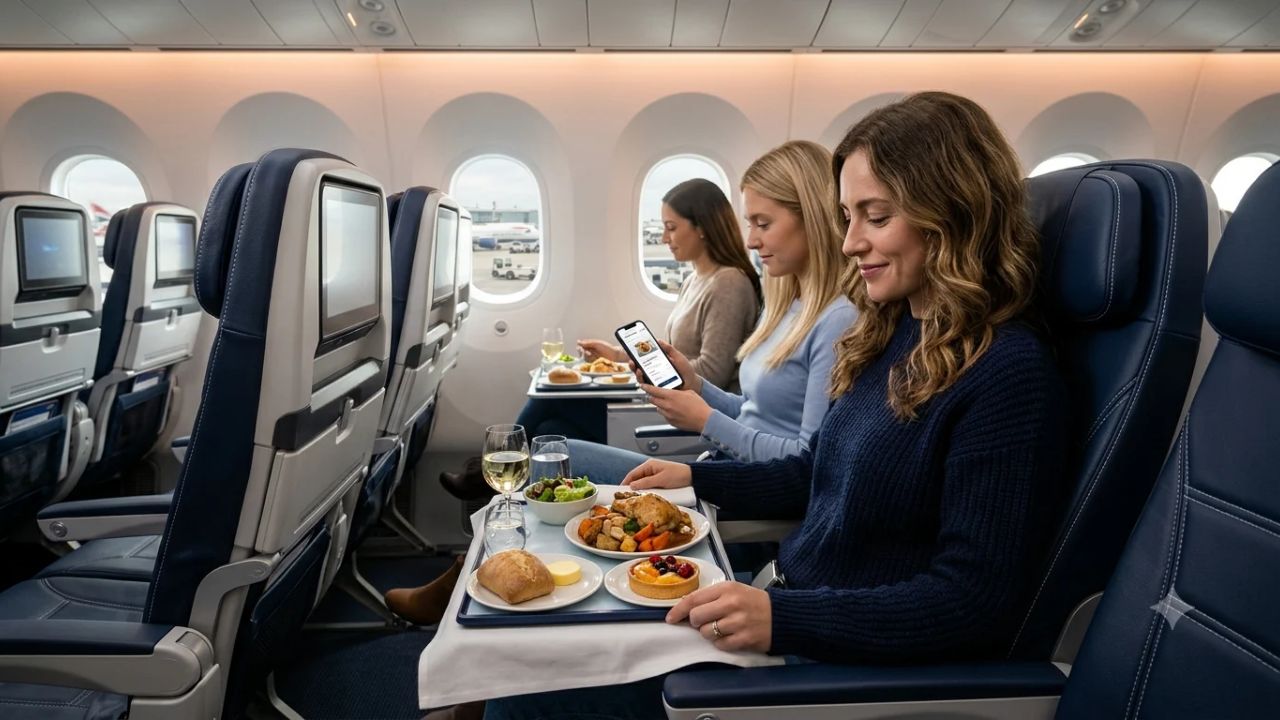
The Economy Experience For students and leisure travelers, the focus remains on affordability and schedule flexibility. The challenge for this segment is managing the physical toll of a 15+ hour journey, making "convenient connections" a primary search filter on platforms like AirTripMaker.
The Business Class Surge There is a marked increase in demand for premium cabins among entrepreneurs and corporate executives. The value proposition here has shifted toward "enhanced travel experiences," including priority boarding, lounge access, and ergonomic seating that allows for arrival-ready productivity.
Market Players and Operational Realities
The US-India market is a competitive arena featuring a mix of direct and connecting carriers. Travelers currently navigate options from:
- Direct/Primary Carriers: Air India, United Airlines, American Airlines, Delta Air Lines.
- Middle Eastern Hubs: Emirates, Qatar Airways, Etihad Airways.
- European/Asian Connections: Lufthansa, British Airways, Singapore Airlines.
However, this growth is not without friction. The industry continues to grapple with aircraft availability, fluctuating fuel costs, and geopolitical volatility, which can cause sudden shifts in pricing and availability.
Visitor Insider Tips: Mastering the US-India Route
For those planning a journey in 2026, standard booking is only half the battle. To optimize the experience, consider these local and logistical insights:
- The "Festival Spike" Window: Avoid booking during Diwali or the peak summer holiday season (May–July) unless you reserve 4–6 months in advance. Prices can triple during these windows.
- Transit Optimization: If booking through Middle Eastern hubs (Dubai, Doha), ensure your layover is at least 3 hours. While efficient, terminal transfers in these massive hubs can be unexpectedly long.
- Visa Precision: Always verify documentation via the Government of India’s Ministry of External Affairs or the US Department of State. Digital visas (e-Visas) are standard, but processing times vary by nationality.
- Baggage Strategy: Indian carriers often have more generous baggage allowances for students and families compared to US-based carriers. Always check the "Marketing Carrier" vs. "Operating Carrier" rules to avoid heavy overweight fees at check-in.
Tourism and Economic Outlook
The long-term trajectory for US-India travel is one of integration. As digital tools like AirTripMaker lower the barrier to entry for complex bookings, we can expect a rise in "bleisure" travel—where business trips are extended for cultural exploration. This shift supports local economies in India's Tier-2 cities, as travelers move beyond the major hubs of Delhi and Mumbai to explore regional heritage.
The future of long-haul travel lies in the intersection of smarter digital interfaces and expanded aircraft capacity.
Related Travel Guides
This article is for informational purposes. Flight routes, passenger regulations, visa rules, and transit advisories are subject to change by airlines and aviation authorities. Readers are advised to verify schedules and travel documentation with relevant carriers and border agencies before departure.
Related Stories

Jet Airways vs. Boeing NCLAT Battle: Why Manufacturer Litigation Offers No Quick Ticket Refunds for Indian Travel Agents

easyJet Launches Direct Liverpool to Reykjavik Flights: Inside the North West's New Winter Gateway to Iceland