
F-35 Fleet Grounded by Software Crisis: Only 25% of Stealth Fighters Mission-Ready, Pentagon Admits
Breaking airline news and aviation industry updates for 2026.

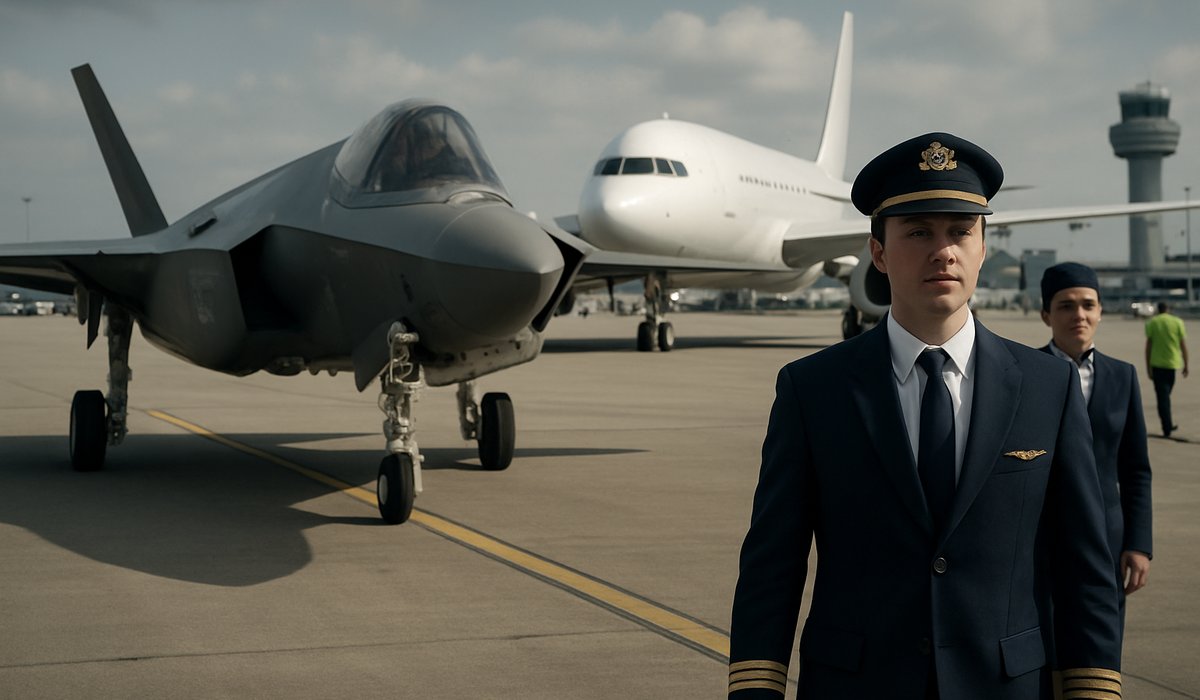
Image generated by AI
F-35 Fleet Grounded by Software Crisis: Only 25% of Stealth Fighters Mission-Ready, Pentagon Admits
Lockheed Martin's flagship fifth-generation fighter faces critical operational delays as technical defects compromise global defense capabilities
Critical Combat Readiness Gap Emerges
A severe technical crisis is undermining the operational capacity of the U.S. military's most advanced fighter jet program. According to defense assessments, only one in four F-35 Lightning II aircraft currently deployed across American armed forces and allied nations can perform their full range of designated combat missions, exposing a critical vulnerability in Western air defense systems.
The Lockheed Martin-manufactured fifth-generation stealth fighter, conceived as a universal combat platform for the U.S. Air Force, Navy, Marines, and partner nations worldwide, has been severely hampered by persistent software malfunctions and integrated systems failures. This readiness shortfall represents a troubling gap between the aircraft's revolutionary design specifications and its actual operational performance.
Software Failures at the Root
Pentagon officials have identified recurring software glitches as the primary culprit behind the alarming 75% mission-capability deficit. These technical deficiencies prevent affected aircraft from executing full mission profiles they were engineered to accomplish, directly compromising combat effectiveness and operational flexibility for the Western alliance.
The F-35 program, originally envisioned as a transformative leap forward in fighter jet technology capable of serving as a unified platform across multiple military branches and dozens of international defense partners, has instead become bogged down by cascading technical complications. Each software patch and systems correction has introduced new complications, extending resolution timelines and preventing full fleet operationalization.
Implications for Global Defense Strategy
This operational degradation carries significant strategic ramifications. The delayed capacity of the F-35 fleet undermines deterrence capabilities across NATO allies and U.S. Indo-Pacific partners, who have invested substantial resources in procuring these aircraft. The mission-readiness crisis raises questions about program transparency, quality assurance protocols, and the timeline for achieving full combat capability.
Defense analysts warn that as geopolitical tensions escalate globally, maintaining a combat-effective fighter fleet is non-negotiable. The current readiness crisis compounds existing concerns about program cost overruns and delayed operational deployment schedules.
Lockheed Martin has committed to accelerating software remediation efforts, though defense officials acknowledge resolution timelines remain uncertain. The company has not released specific statements addressing the 25% mission-capability figure.
Frequently Asked Questions
Q: What percentage of F-35s can currently perform their full mission set? A: Only 25% (one in four) of deployed F-35 Lightning II aircraft possess full mission-ready status, according to Pentagon assessments.
Q: What is causing the F-35's operational problems? A: Persistent software defects and integrated systems failures are the primary causes of reduced combat readiness and mission capability limitations.
Q: Which military branches are affected by F-35 readiness issues? A: The crisis impacts the U.S. Air Force, Navy, Marine Corps, and allied partner nations that have invested in the fifth-generation fighter platform.
Q: When will the F-35 fleet achieve full operational capability? A: Lockheed Martin has not provided a definitive timeline for complete software remediation, though efforts are ongoing to address technical deficiencies.
Q: How does this affect allied nations using the F-35? A: Partner countries, including NATO allies and Indo-Pacific defense partners, face reduced operational readiness and delayed strategic capabilities.
Related Travel Guides
-
Qatar Airways Extends Ultra-Long-Haul Network With Historic 21-Hour South American Service
-
Airbus A220 North America Becoming Most Profitable Narrowbody
External Resources
Disclaimer
This article is for informational and educational purposes only. It does not constitute legal, financial, or professional advice. While we strive to provide accurate and up-to-date information, travel policies, regulations, and conditions change rapidly. Always verify information with official sources before making travel decisions. Nomad Lawyer makes no representations about the accuracy, reliability, completeness, or suitability of the information provided. Readers should consult qualified professionals for advice specific to their circumstances. The views expressed in this article are those of the author and do not necessarily reflect the views of Nomad Lawyer.
Raushan Kumar
Founder & Lead Developer
Full-stack developer with 11+ years of experience and a passionate traveller. Raushan built Nomad Lawyer from the ground up with a vision to create the best travel and law experience on the web.
Learn more about our team →