
Trump Signals Potential Federal Bailout for Spirit Airlines as Ultra-Low-Cost Carrier Battles $2.1 Billion Debt Crisis
Breaking airline news and aviation industry updates for 2026.

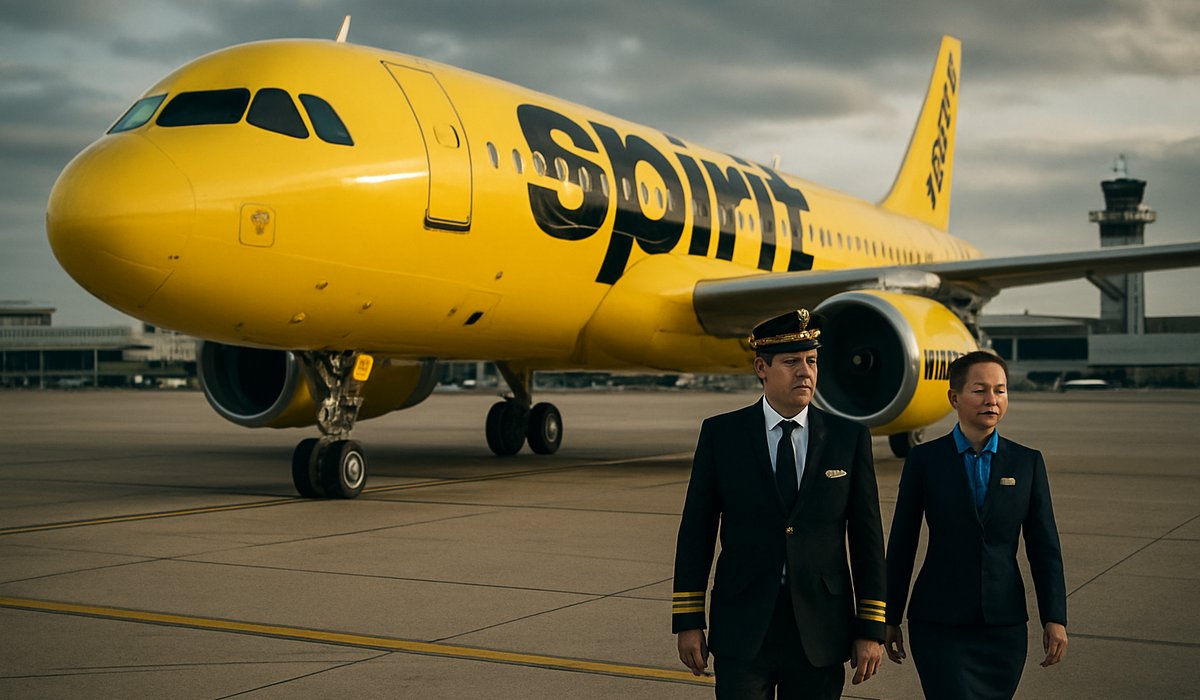
Image generated by AI
Trump Signals Potential Federal Bailout for Spirit Airlines as Ultra-Low-Cost Carrier Battles $2.1 Billion Debt Crisis
President suggests government intervention may be necessary to prevent collapse of struggling budget carrier
Unexpected Lifeline Emerges for Embattled Airline
President Donald Trump has unexpectedly signaled openness to federal intervention for Spirit Airlines, the Florida-based ultra-low-cost carrier drowning in $2.1 billion of debt, marking a dramatic shift in the administration's approach to aviation industry troubles. During remarks on Tuesday focusing on airline consolidation, Trump distinguished Spirit's predicament from broader sector merger concerns, explicitly stating he would welcome potential buyers and indicated that government support might prove necessary to keep the carrier operational.
The statement represents a significant policy reversal, as the Trump administration has historically resisted direct intervention in corporate bailouts outside of designated emergency circumstances. However, the president framed Spirit's situation as potentially warranting exception, positioning federal assistance as a means of preserving competition within the ultra-low-cost carrier segment that has fundamentally reshaped American travel economics over the past two decades.
Industry Context: The Squeeze on Budget Airlines
Spirit's financial crisis reflects broader pressures squeezing low-cost carriers across North America. Rising jet fuel prices, elevated labor costs following post-pandemic wage negotiations, and increased airport fees have eroded the thin margins that define the ultra-low-cost business model. The carrier's aggressive baggage and ancillary fee structure—once its competitive advantage—has become a liability as consumer sentiment shifts against nickel-and-diming practices.
The airline's vulnerability also stems from failed merger attempts, most notably its abandoned combination with Frontier Airlines in 2022, which left Spirit isolated while competitors consolidated market position and purchasing power.
Presidential Stance on Consolidation and Competition
Notably, Trump expressed opposition to a potential merger between United Airlines and American Airlines, suggesting concerns about further industry consolidation reducing consumer choice. Yet his more favorable stance toward Spirit acquisition or government support signals recognition that the carrier's collapse could harm market competition and create employment disruptions across its Florida operations and nationwide network.
The comments remain preliminary, with no formal bailout proposal advanced. Industry observers are closely monitoring whether this signals a policy direction that could reshape aviation industry rescue frameworks for the post-pandemic era.
FAQ: Understanding Spirit Airlines' Crisis and Federal Intervention
Q: What financial obligations does Spirit Airlines currently face? Spirit carries approximately $2.1 billion in total debt, accumulated through aircraft financing, operational costs, and capital expenditures during a period of compressed revenue margins.
Q: How do baggage charges and airline fees impact ultra-low-cost carriers like Spirit? Ancillary revenue from baggage fees, seat selection, and add-on services comprises 40-50% of ultra-low-cost carrier revenue. However, consumer backlash against these practices has reduced their effectiveness as a competitive differentiation strategy.
Q: What caused jet fuel prices to impact Spirit Airlines disproportionately? Ultra-low-cost carriers operate with narrower fuel hedging strategies and less purchasing power than major carriers, making them more vulnerable to petroleum price fluctuations and geopolitical supply disruptions.
Q: Could a Spirit Airlines collapse affect travel costs for consumers? Yes—reduced competition in budget aviation typically results in higher fares across the industry as remaining carriers consolidate market share and pricing power.
Q: What other airlines have received federal assistance during crises? Major carriers including Southwest, United, and American received CARES Act support during the pandemic; however, direct bailouts for non-essential services remain politically contentious.
Related Travel Guides
Flight Delay Compensation Guide 2026
Understanding Airline Route Changes
Airport Security Process Updated (2026)
External Resources
Disclaimer
This article is for informational and educational purposes only. It does not constitute legal, financial, or professional advice. While we strive to provide accurate and up-to-date information, travel policies, regulations, and conditions change rapidly. Always verify information with official sources before making travel decisions. Nomad Lawyer makes no representations about the accuracy, reliability, completeness, or suitability of the information provided. Readers should consult qualified professionals for advice specific to their circumstances. The views expressed in this article are those of the author and do not necessarily reflect the views of Nomad Lawyer.
Kunal K Choudhary
Co-Founder & Contributor
A passionate traveller and tech enthusiast. Kunal contributes to the vision and growth of Nomad Lawyer, bringing fresh perspectives and driving the community forward.
Learn more about our team →