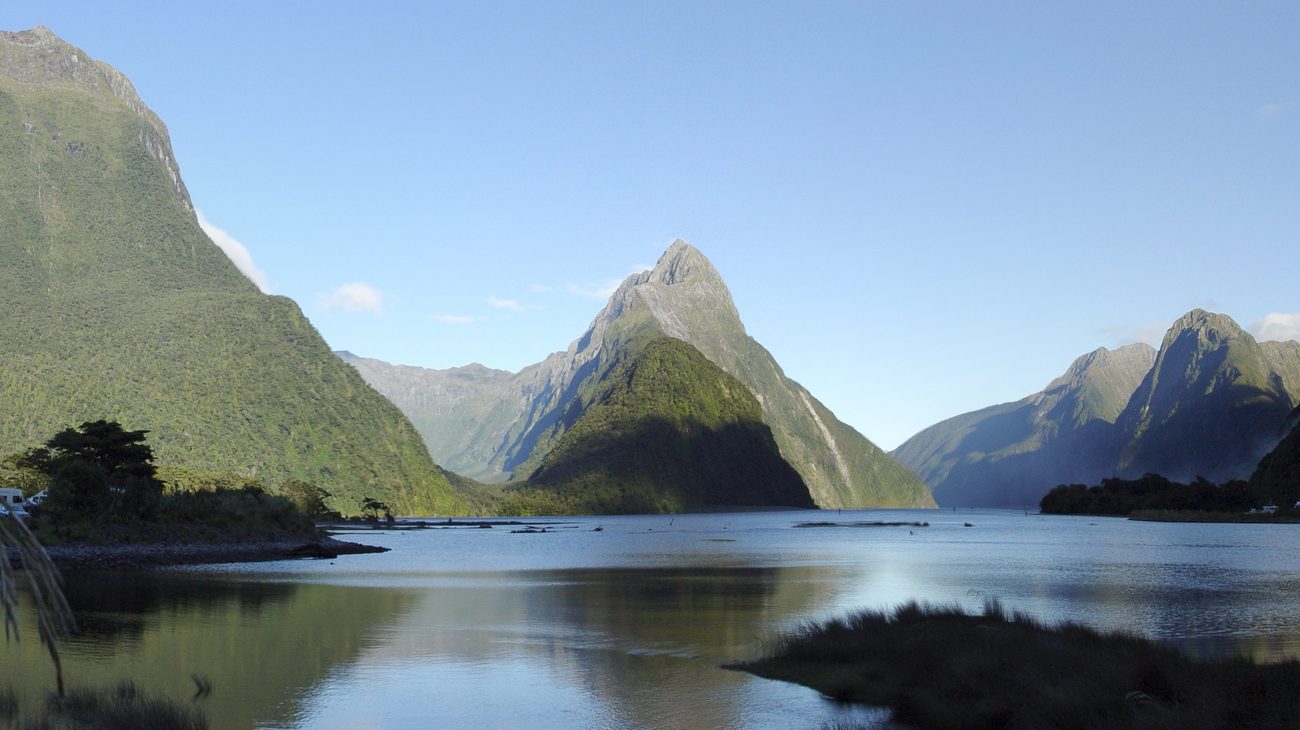
15 Best Places to Visit in Japan Beyond Tokyo According to Quora: Shrines, Onsen & Secret Valleys

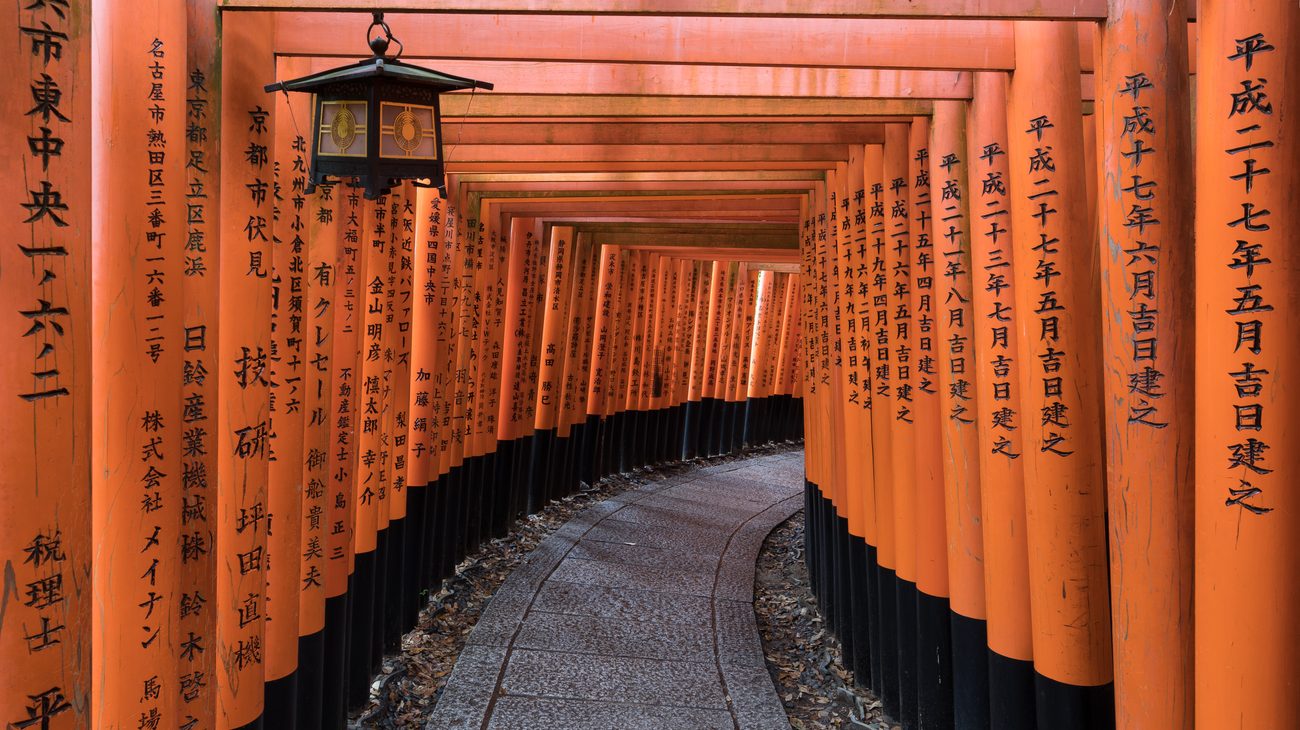
The mesmerizing tunnel of thousands of vermillion torii gates winding through ancient cedar forests at Fushimi Inari Taisha in Kyoto.
There is a moment in Japan when modern velocity quietly gives way to profound stillness. For me, it was taking the early morning Tokaido Shinkansen bullet train out of Tokyo. At 285 kilometers per hour, the urban concrete sprawl dissolved into emerald patchwork rice paddies, misty bamboo groves, and cedar-clad mountains. Two hours later, I was walking along the moss-covered gravel pathway of Daitoku-ji temple in northern Kyoto. The only sound was the rake of a Zen monk smoothing white gravel into concentric ripples and the drip of bamboo water pipes (shishi-odoshi).
Tokyo is undeniably electric—a neon cyber-city of sensory wonder. But when you delve into Japan discussions on Quora, seasoned travelers, Japanese locals, and longtime expats offer consistent advice: do not spend your entire holiday in Tokyo.
Japan's true spiritual depth, culinary heritage, and natural diversity are found in its ancient imperial capitals, mountain hot-spring ryokans, sacred pilgrimage forests, and subtropical outer islands.
If you are planning to venture beyond Tokyo’s Yamanote loop, here are the 15 best places to visit in Japan that Quora travelers consistently recommend.
1. Kyoto: The Thousand-Year Cultural Soul of Japan
Serving as the imperial capital of Japan for over a millennium (from 794 to 1868), Kyoto is an open-air sanctuary of traditional Japanese culture, housing over 2,000 Shinto shrines and Buddhist temples, including 17 UNESCO World Heritage monuments.
Hike through the iconic tunnel of ten thousand vermillion torii gates at Fushimi Inari Taisha, winding two miles up the sacred forested mountain. Stand before the shimmering gold leaf facade of Kinkaku-ji (The Golden Pavilion) reflected in its tranquil mirror pond, and walk through the towering green canopy of the Arashiyama Bamboo Grove. At dusk, wander the preserved flagstone preservation alleys of Gion and Pontocho, listening to the soft clatter of wooden geta sandals as geishas (geiko) and apprentice maiko glide silently into traditional wooden teahouses.
- Quora Traveler Wisdom: Overtourism in Kyoto is real. Quora locals stress: "Visit Fushimi Inari at 6:30 AM or at 9:00 PM under the eerie atmospheric lanterns. Hike past the midway Yotsutsuji intersection—95% of daytime tourists turn back there, leaving the upper mountain shrines completely deserted and magical."
- Hidden Gem: Skip the crowded temples and visit Otagi Nenbutsu-ji in western Arashiyama, home to 1,200 whimsical, moss-covered stone statues of Buddha's disciples, each hand-carved with unique, humorous expressions.
2. Osaka: Japan’s Kitchen & Neon Street Food Capital
If Kyoto is elegant and restrained, Osaka is boisterous, warm, and unapologetically obsessed with food. The city’s historic motto is kuidaore—"eat until you drop."
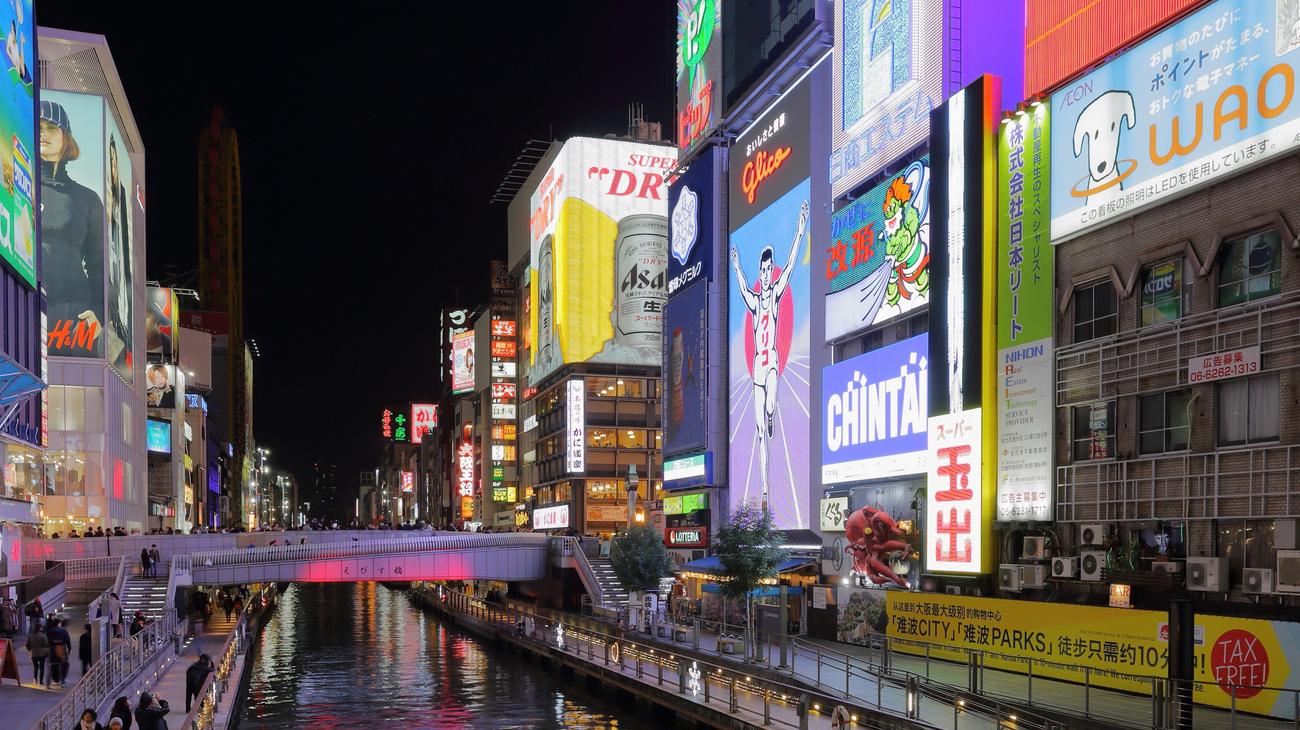
Nowhere captures this culinary passion better than Dotonbori, a vibrant canal street dominated by giant moving mechanical signs (a giant flapping red crab, a roaring dragon, and the iconic illuminated Glico Running Man). Savor piping-hot street delicacies: crispy takoyaki (octopus balls topped with savory brown sauce, Japanese mayo, and dancing bonito flakes) and okonomiyaki (savory cabbage and pork pancakes grilled right in front of you on iron teppan griddles).
- Quora Traveler Wisdom: Quora foodies recommend exploring Shinsekai ("New World"), a nostalgic retro entertainment district built in 1912 beneath the Tsutenkaku Tower. Head to Kushikatsu Daruma to dip skewers of fried meat, quail eggs, and lotus root into communal sauce vats (just remember the cardinal rule: never double-dip!).
3. Nara: Bowing Sacred Sika Deer & Ancient Titans
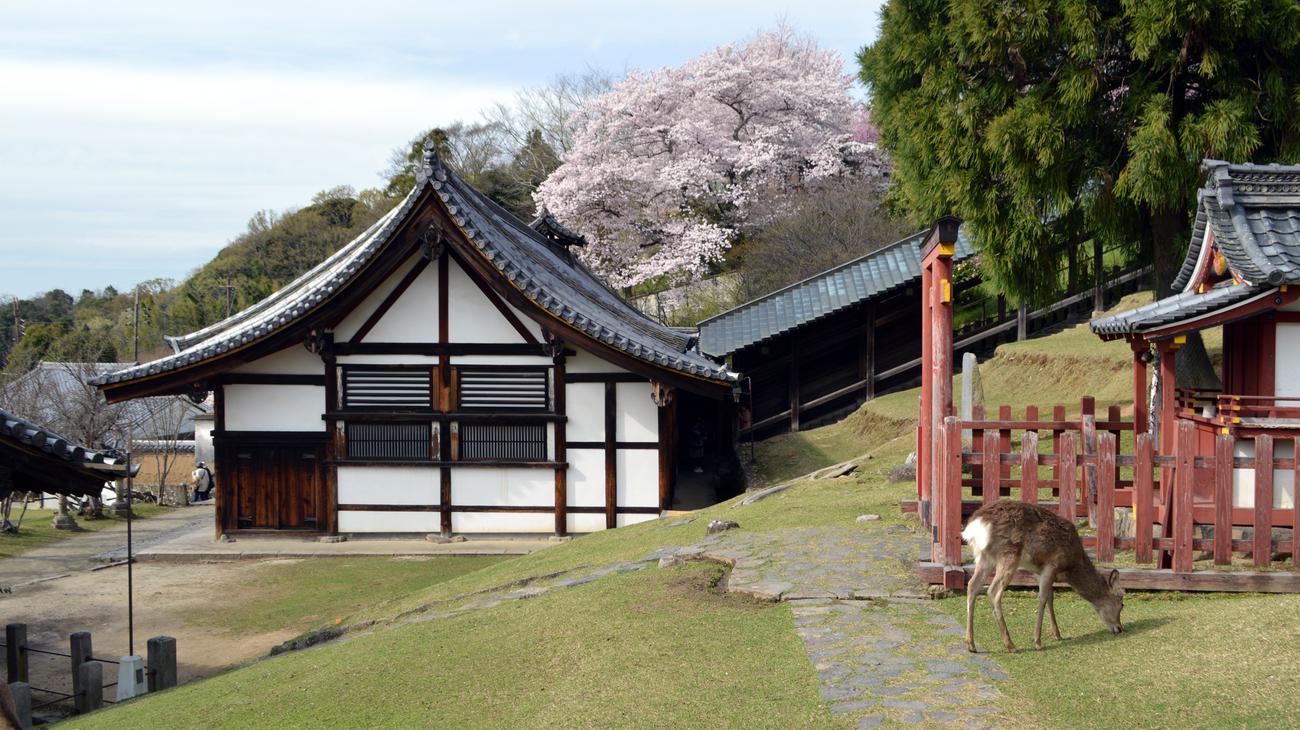
Located just 45 minutes south of Kyoto, Nara was Japan’s very first permanent imperial capital (established in 710 AD). It is celebrated globally for Nara Park, where over 1,000 wild sika deer roam freely across temple grounds. In Shinto belief, the deer are revered as sacred messengers of the gods; amazingly, they have learned to politely bow their heads to tourists to request shika senbei (special wheat bran deer crackers).
The centerpiece of Nara is Tōdai-ji, one of the largest wooden buildings on the planet. Stepping beneath its massive wooden eaves reveals the Daibutsu (Great Buddha)—a colossal 15-meter-tall bronze Buddha cast in 752 AD, flanked by towering wooden guardian deities that make visitors feel genuinely miniature.
- Quora Traveler Wisdom: While the deer near the entrance can be pushy for crackers, walk deeper into the park toward the stone-lantern-lined forest paths of Kasuga Taisha shrine. The deer here are gentler and create stunning, serene photography moments among mossy stone lanterns.
4. Hakone & Mount Fuji: Onsens & Volcanic Views
Nestled in the forested mountains of Fuji-Hakone-Izu National Park, Hakone is Japan’s premier hot-spring (onsen) retreat, located just 90 minutes southwest of Tokyo via the Odakyu Romancecar train.
Take the historic Hakone Tozan switchback mountain railway, ride the aerial cableway over the sulfurous yellow fumaroles of the active Owakudani volcanic valley (where you can eat black eggs boiled in mineral springs, said to add seven years to your life), and cruise across the deep blue waters of Lake Ashi aboard a whimsical pirate ship, gazing upon the vermillion torii gate of Hakone Shrine rising out of the water.
- Quora Traveler Wisdom: Stay at an authentic traditional Japanese ryokan (inn) with private natural thermal onsen baths and an elaborate multi-course seasonal kaiseki dinner served in your tatami-mat room.
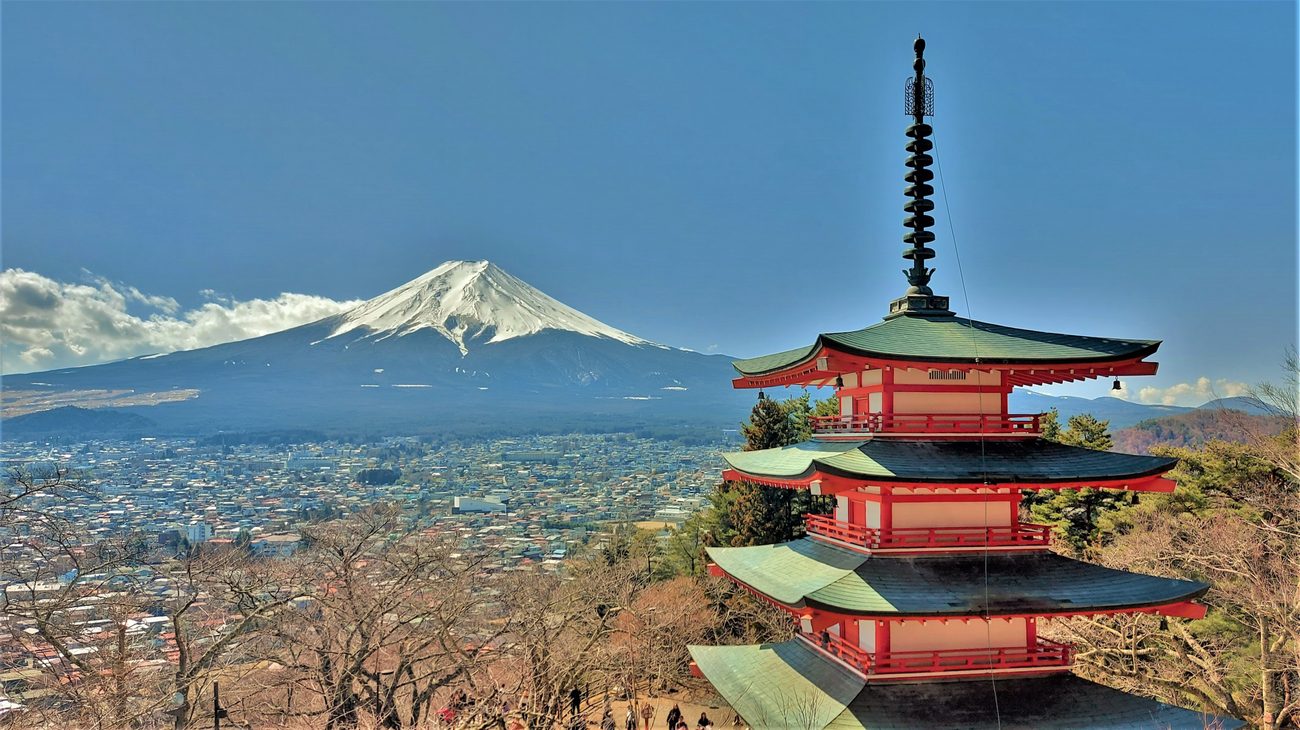
- Fuji View: On clear days, the view of Mount Fuji across Lake Ashi is breathtaking. Another world-famous viewpoint is Chureito Pagoda in nearby Fujiyoshida, where a classic five-story red pagoda overlooks Mount Fuji framed by cherry blossoms or vibrant autumn maples.
5. Miyajima Island & Hiroshima: Peace & Sacred Waters
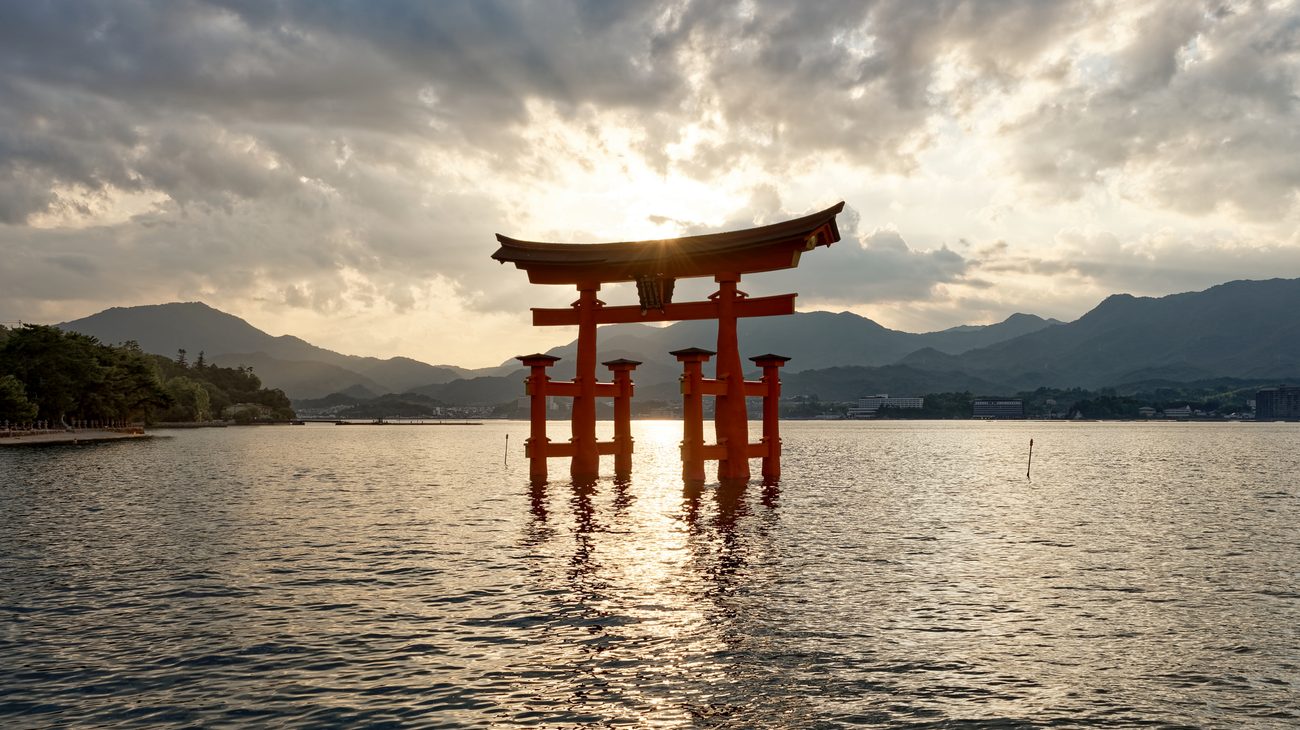
A short 40-minute train and ferry ride from Hiroshima brings you to Miyajima (Itsukushima), officially designated as one of Japan’s Three Most Scenic Views (Nihon Sankei). As the ferry approaches the sacred island, the monumental orange-red Floating Torii Gate of Itsukushima Shrine appears to float magically on the surface of the Seto Inland Sea at high tide.
Combine Miyajima with a sobering visit to the Hiroshima Peace Memorial Park and Museum and the skeletal, preserved dome of the Atomic Bomb Dome (Genbaku Dome). The message of peace and resilience delivered by Hiroshima is a profound, life-affirming experience for every international traveler.
- Quora Traveler Wisdom: Check local tide charts for Miyajima. At high tide, the shrine and torii gate float serenely on the ocean. At low tide, the water recedes completely, allowing you to walk right across the damp seabed to touch the massive wooden pillars of the torii gate. Sample freshly grilled Hiroshima oysters and maple-leaf-shaped momiji manju cakes along the shopping street.
6. Shirakawa-go & Gokayama: Thatched Fairy-Tale Hamlets
Tucked deep into the rugged snow-country valleys of the Japanese Alps in Gifu Prefecture, the UNESCO World Heritage village of Shirakawa-go (Ogimachi) looks like a scene from an ancient Japanese folk tale. The village is famous for its unique gassho-zukuri ("constructed like hands in prayer") farmhouses, built with steep 60-degree thatched roofs made without a single metal nail, designed to withstand the heaviest winter snowfalls in Japan.
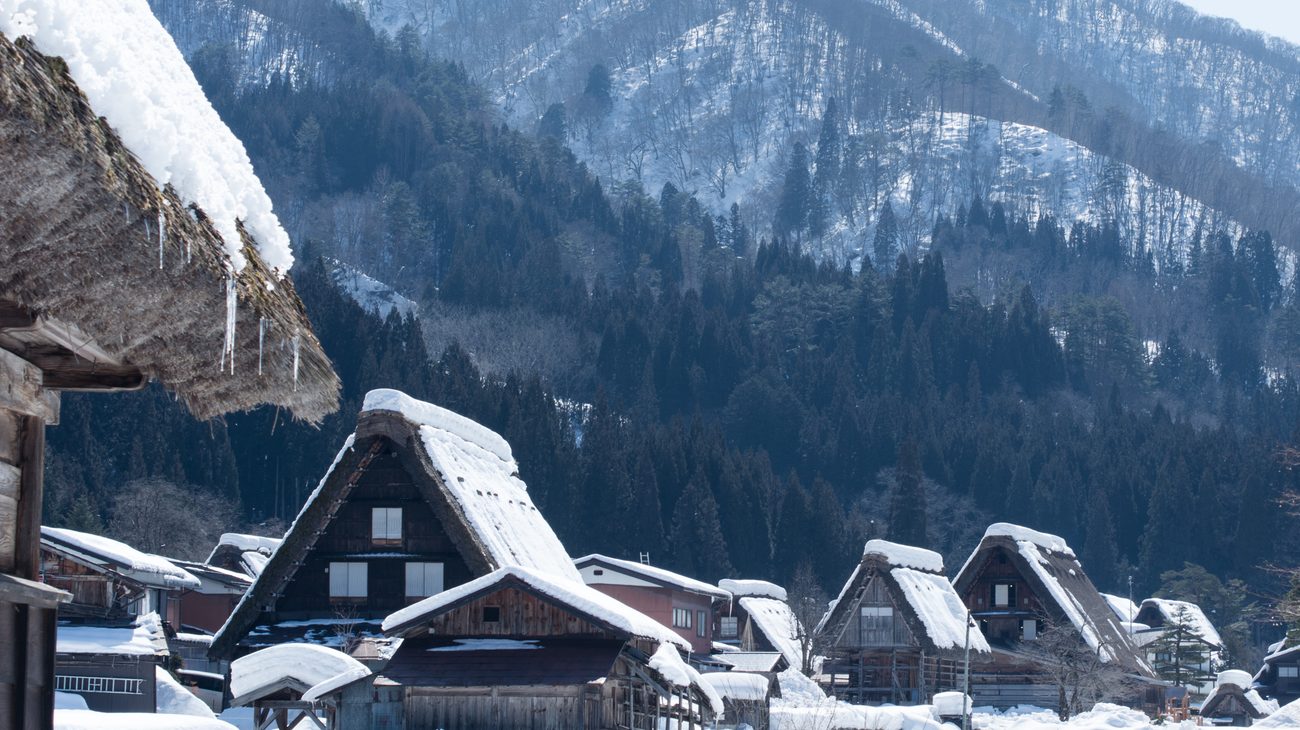
Climb to the Shiroyama Viewpoint for a panoramic postcard view over the entire valley, where wooden homes, vegetable gardens, and crystal-clear irrigation canals stocked with swimming koi fish sit framed by jagged alpine mountains.
- Quora Traveler Wisdom: If possible, book an overnight stay inside an authentic 200-year-old gassho-zukuri farmhouse like Magoemon. Gathering around an open sunken charcoal hearth (irori) to feast on grilled local river char and tender Hida beef with the host family after day-tripper buses leave is pure magic.
7. Kanazawa: Samurai Quarters & Gold Leaf Gardens
Often called the "Little Kyoto" of the Sea of Japan coast, Kanazawa was the wealthy seat of the Maeda samurai clan during the Edo period. Because it avoided wartime bombing, its historic districts remain remarkably preserved.
Stroll through Kenroku-en, officially celebrated as one of Japan’s Three Great Landscape Gardens, designed to balance the six essential attributes of classical landscape art: spaciousness, seclusion, artifice, antiquity, water-courses, and magnificent panoramas. Explore the narrow mud-walled alleys of the Nagamachi Samurai District, and wander through the wooden latticed teahouses of Higashi Chaya, where artisans produce over 99% of Japan’s gold leaf.
- Quora Traveler Wisdom: Kanazawa is accessible directly from Tokyo in just 2.5 hours via the high-speed Hokuriku Shinkansen. Head to the bustling Omicho Market for lunch to order a fresh kaisendon—a bowl of steaming sushi rice overflowing with sweet Botan shrimp, snow crab, and uni (sea urchin) fresh from the icy Sea of Japan.
8. Takayama: Edo Merchant Streets & Hida Mountain Culture
Nestled in the Hida mountains, Takayama (Hida-Takayama) is beloved for its beautifully preserved Sanmachi Suji merchant district, where dark-timbered Edo-period merchant houses, centuries-old sake breweries (marked by cedar balls, or sugidama, hung above entrances), and craft miso shops line quiet stone streets.
Cross the red Nakabashi Bridge over the Miyagawa River, browse the morning open-air farmers markets where local grandmothers sell mountain vegetables and fresh flowers, and visit the Takayama Jinya, the only surviving Edo-era government outpost in Japan.
- Quora Traveler Wisdom: Food lovers on Quora rave about Hida Beef—prized Wagyu beef that rivals Kobe for tenderness and marbling. Try Hida beef nigiri sushi served on crispy rice crackers from street stalls in Sanmachi Suji, or savor it cooked over magnolia leaves with sweet miso (hōba miso) at dinner.
9. Koyasan (Mount Koya): Sacred Temple Stay & Cemetery
Perched high in the mist-shrouded cedar forests of Wakayama Prefecture, Koyasan is the sacred headquarters of Shingon Esoteric Buddhism, founded in 816 AD by the monk Kobo Daishi (Kukai).
The spiritual highlight is Okunoin, the most sacred cemetery in Japan. A two-kilometer stone path winds through towering, thousand-year-old giant cedar trees past more than 200,000 moss-covered stone stupas and monuments, leading to the mausoleum of Kobo Daishi, where thousands of brass oil lanterns burn eternally.
- Quora Traveler Wisdom: The defining experience in Koyasan is booking a shukubo (temple stay) inside one of more than fifty active Buddhist monasteries. You sleep in serene tatami rooms, eat exquisitely prepared seasonal Buddhist vegan temple cuisine (shojin ryori), and join the monks for chanting meditation and fire rituals (Goma) at 6:00 AM.
10. Hokkaido: Untamed Wilderness, Ramen & Powder Snow
Japan’s northernmost island, Hokkaido, is a wild contrast to the densely populated mainland. Covering 22% of Japan's landmass with only 4% of its population, it is a realm of smoking volcanic calderas, rolling lavender hills in Furano, and the legendary light, dry "Japow" powder snow in Niseko that attracts winter skiers from across the globe.
In the capital city of Sapporo, wander down the famous Ganso Ramen Yokocho alley in Susukino to savor steaming bowls of rich miso butter-corn ramen, explore the historic red-brick Sapporo Beer Museum, and visit the romantic canal port town of Otaru, whose 19th-century stone warehouses are illuminated by gas lamps at night.
- Quora Traveler Wisdom: Quora contributors highlight Hokkaido’s dairy and seafood as the finest in Japan. Don't miss trying local soft-serve ice cream made with rich Hokkaido cream, grilled Jingisukan (lamb barbecue), and fresh King crab in Hakodate.
11. Kamakura: The Coastal Giant Buddha (Kanagawa)
Located just one hour south of Tokyo on the shores of Sagami Bay, Kamakura served as the seat of the Kamakura Shogunate from 1185 to 1333, ushering in the warrior samurai age.
Its most celebrated landmark is the Kotoku-in Daibutsu (The Great Buddha of Kamakura), an awe-inspiring, 11-meter-tall monumental bronze statue of Amida Buddha cast in 1252 that sits peacefully under the open sky (the original wooden temple hall was washed away by a tsunami in 1498). Afterward, take the vintage Enoden coastal train along the beach to the offshore island of Enoshima, or hike through the tranquil bamboo groves of Hokokuji Temple to sip green matcha tea.
- Quora Traveler Wisdom: Kamakura makes the easiest, most rewarding full-day escape from Tokyo. Purchase the affordable Enoshima-Kamakura Freepass at Shinjuku station, which includes your round-trip Odakyu train and unlimited rides on the scenic Enoden coastal railway.
12. Nikko: Shogun Splendor & Mountain Waterfalls (Tochigi)
Two hours north of Tokyo, nestled in dense mountain forests, Nikko is home to Tōshō-gū, the lavish final resting place of Tokugawa Ieyasu, the legendary shogun who unified feudal Japan. Unlike the minimalist simplicity of typical Zen Buddhist temples, Toshogu is an explosion of golden leaf, intricate wood carvings, and vibrant lacquerwork, including the world-famous "Three Wise Monkeys" (See no evil, hear no evil, speak no evil) and the sleeping cat (Nemuri-neko).
Higher up the mountain via the winding Irohazaka pass sits Lake Chūzenji, a serene crater lake nestled beneath Mount Nantai, where the dramatic 97-meter cascade of Kegon Falls drains through a vertical basalt gorge.
- Quora Traveler Wisdom: In October, Nikko’s mountain foliage turns into one of Japan’s most celebrated autumn color (koyo) spectacles. Take the Tobu Railway Spacia X train from Asakusa station in Tokyo for a rapid, ultra-comfortable transit.
13. Naoshima & Teshima: The Seto Inland Sea Art Islands
For contemporary art and architecture lovers, the small islands of the Seto Inland Sea—most notably Naoshima and Teshima—are legendary. Beginning in the late 1980s, the Benesse Corporation collaborated with Pritzker Prize-winning architect Tadao Ando to transform declining industrial fishing islands into an extraordinary open-air contemporary art sanctuary.
On Naoshima, you can stand beside Yayoi Kusama’s famous spotted yellow pumpkin perched on a pier jutting into the sea, explore the subterranean Chichu Art Museum (built entirely underground to avoid disturbing the natural island coastline, yet illuminated entirely by natural skylights to showcase Monet’s Water Lilies), and sleep inside art galleries at Benesse House.
- Quora Traveler Wisdom: Reserve tickets for Chichu Art Museum and island ferry crossings weeks in advance. Rent an electric-assisted bicycle at the ferry port in Naoshima to navigate the island’s steep coastal hills with ease.
14. Kumano Kodo: Ancient Sacred Pilgrimage Trails (Wakayama)
Alongside the Camino de Santiago in Spain, the Kumano Kodo is one of only two pilgrimage networks in the world designated as UNESCO World Heritage cultural routes. For over a millennium, emperors, aristocrats, and samurai have made spiritual pilgrimages along these ancient stone-paved mountain paths to the three grand Shinto-Buddhist shrines of Kumano (Kumano Sanzan).
The quintessential highlight is Kumano Nachi Taisha, where an elegant three-story red pagoda stands framed against the thundering 133-meter drop of Nachi Falls (Nachi no Taki), the tallest uninterrupted waterfall in Japan, revered as a Shinto kami (nature deity).
- Quora Traveler Wisdom: Hike the Nakahechi route over 3 to 4 days, staying in traditional rural family-run minshuku (guesthouses) along the mountain trail. After a long day of hiking through misty ancient cedar forests, soak in the natural thermal waters of Kawayu Onsen, where you can dig your own hot spring bath right into the gravel riverbed!
15. Matsumoto & The Japanese Alps (Nagano)
Located in a sunny mountain basin in Nagano Prefecture, Matsumoto is home to Matsumoto Castle, affectionately called Karasu-jo ("Crow Castle") due to its striking black wooden exterior. Constructed in 1592, it is one of only twelve original surviving castle keeps in Japan, featuring steep internal wooden ladders, concealed ninja defense platforms, and gun slits overlooking the surrounding moat with the snow-capped Japanese Alps rising in the background.
Matsumoto also serves as the gateway to Kamikochi, a pristine high-alpine valley in Chūbu Sangaku National Park where wooden boardwalks wind along the emerald Azusa River beneath the towering jagged peaks of the Hotaka mountain range.
- Quora Traveler Wisdom: Kamikochi is strictly closed to private cars to protect the alpine environment; take the local train from Matsumoto to Shin-Shimashima, followed by a dedicated park shuttle bus to the iconic wooden suspension bridge Kappabashi.
Japan Beyond Tokyo: Quora Quick-Reference Table
| Destination | Region | Main Appeal | Transit from Tokyo | Quora Traveler Pro-Tip |
|---|---|---|---|---|
| Kyoto | Kansai | 2,000 temples, geisha districts, torii gates | 2h 15m (Tokaido Shinkansen) | Visit Fushimi Inari at dawn or late at night. |
| Osaka | Kansai | Street food, Dotonbori neon, vibrant nightlife | 2h 30m (Tokaido Shinkansen) | Try Kushikatsu in Shinsekai; remember: no double dipping! |
| Nara | Kansai | Bowing sacred sika deer, Great Buddha | 45m train from Kyoto/Osaka | Walk past Todai-ji to Kasuga Taisha for peaceful deer photos. |
| Hakone / Mt Fuji | Kanto | Hot spring ryokans, Lake Ashi, Fuji views | 90m (Odakyu Romancecar) | Check mountain webcams before paying for cableway trips. |
| Miyajima & Hiroshima | Chugoku | Floating torii gate, Peace Memorial | 4h Shinkansen + Ferry | Low tide lets you walk to the torii; high tide floats on water. |
| Shirakawa-go | Chubu | Thatched gassho-zukuri alpine houses | Bus from Takayama/Kanazawa | Stay overnight in an authentic 200-year-old farmhouse. |
| Kanazawa | Chubu | Kenroku-en garden, samurai quarters | 2h 30m (Hokuriku Shinkansen) | Order fresh kaisendon seafood bowls at Omicho Market. |
| Takayama | Chubu | Edo wooden merchant streets, sake | 2h 20m Wide View Hida train | Try melt-in-your-mouth Hida beef nigiri sushi on rice crackers. |
| Koyasan | Kansai | Sacred mountain monastery, Okunoin | 2h Nankai Railway from Osaka | Book a temple stay (shukubo) and join morning monk fire rituals. |
| Hokkaido | North | Powder snow, miso ramen, wild nature | 1h 30m flight from Haneda | Rent a car in summer to explore Furano's lavender fields. |
| Kamakura | Kanto | Outdoor Great Buddha, coastal railway | 1 hour JR train from Tokyo | Buy the Enoshima-Kamakura pass and ride the coastal Enoden. |
| Nikko | Kanto | Ornate Toshogu Shrine, Kegon Falls | 2 hours Tobu Spacia train | Prime autumn foliage destination in mid-to-late October. |
| Naoshima | Shikoku / Inland Sea | Yayoi Kusama pumpkins, Ando architecture | Shinkansen to Okayama + Ferry | Rent an electric bicycle at the port to tackle steep hills. |
| Kumano Kodo | Kansai | Ancient sacred pilgrimage trails, Nachi Falls | Kuroshio Express train from Osaka | Hike the Nakahechi route and stay at rural onsen guesthouses. |
| Matsumoto | Chubu | Black wooden Crow Castle, Kamikochi valley | 2h 30m Azusa Express from Tokyo | Kamikochi alpine boardwalks are car-free and breathtaking. |
4 Rules for Traveling Japan Beyond Tokyo in 2027
- Get an IC Card on Your Phone (Suica or Pasmo): Digital Suica or Pasmo cards on Apple Wallet or Google Wallet allow instant contactless tap-and-pay for subways, local buses, vending machines, and convenience stores (konbini) across the entire nation.
- Evaluate Point-to-Point Shinkansen Tickets vs. JR Pass: Following major nationwide price increases on the Japan Rail Pass, buying individual point-to-point Shinkansen tickets on the official SmartEX app is now significantly cheaper for standard Tokyo–Kyoto–Osaka itineraries. Regional JR passes (like the JR Kansai-Hiroshima Area Pass) still offer phenomenal value.
- Take Advantage of Luggage Forwarding (Takkyubin): Navigating Shinkansen trains and traditional multi-level train stations with massive rolling suitcases is stressful. Use Japan’s world-renowned luggage forwarding service (Yamato Transport / Black Cat) to ship large bags from hotel to hotel for roughly $15–$20, traveling light with only a daypack.
- Carry Some Cash for Rural Vending Machines and Shrines: While urban Tokyo and Osaka accept contactless card payments, rural shrines, temple entrance counters, ramen ticket machines, and coin lockers in regional towns often remain strictly cash-only (1,000 yen notes and 100 yen coins). Use 7-Eleven ATMs to withdraw cash with international cards with zero issues.
Frequently Asked Questions (FAQ)
How many days should I spend in Kyoto versus Tokyo?
For a classic 10 to 14-day first trip to Japan, the golden ratio recommended by Quora travelers is 5 days in Tokyo and 4 to 5 days based in Kyoto (using Kyoto as a hub to easily day-trip to Nara and Osaka), with the remaining days allocated to an onsen stay in Hakone or a mountain detour to Takayama.
What is the best season to visit Japan outside of Tokyo?
Spring (late March to mid-April) brings world-famous cherry blossoms (sakura), while Autumn (late October through November) brings comfortable weather and stunning crimson maple foliage (koyo) across Kyoto, Nikko, and the Japanese Alps. If you want fewer crowds, late May or early June is lush, warm, and highly enjoyable.
Is it hard to travel around rural Japan without speaking Japanese?
Not at all. Japanese transit signage is universally bilingual in English. Google Maps provides pinpoint train platform numbers and train car departure details down to the minute. Using the Google Translate camera feature makes reading authentic restaurant menus and shrine explanations effortless. Japanese hospitality (omotenashi) means locals will go out of their way to help you even across language barriers.
Can I visit onsen hot springs if I have tattoos?
Historically, Japanese onsens banned tattoos due to association with organized crime (yakuza). However, attitudes have softened dramatically. Many traditional onsens now provide waterproof skin-colored patches to cover small tattoos, or you can book ryokans with private in-room onsens (kashikiri) where tattoos are completely unrestricted.
Discover More Inspiring Global Travel Guides:
- 12 Best Places to Visit in Europe for First-Time Travelers According to Quora
- 15 Most Beautiful Places in Switzerland That Travelers Recommend on Quora
- 12 Most Beautiful Places to Visit in Iceland According to Quora: Fire, Ice & Beyond
- 15 Best Places to Visit in the USA for First-Time Travelers According to Quora
- 15 Best Places to Visit in Alaska According to Quora: A Wilderness Guide
This article is for informational purposes. Flight routes, passenger regulations, visa rules, and transit advisories are subject to change by airlines and aviation authorities. Readers are advised to verify schedules and travel documentation with relevant carriers and border agencies before departure.
Related Stories
15 Best Places to Visit in India That International Travelers Should Know About
15 Best Places to Visit in Australia for an Unforgettable Holiday According to Quora