12 Best Places to Visit in New Zealand for Nature Lovers According to Quora

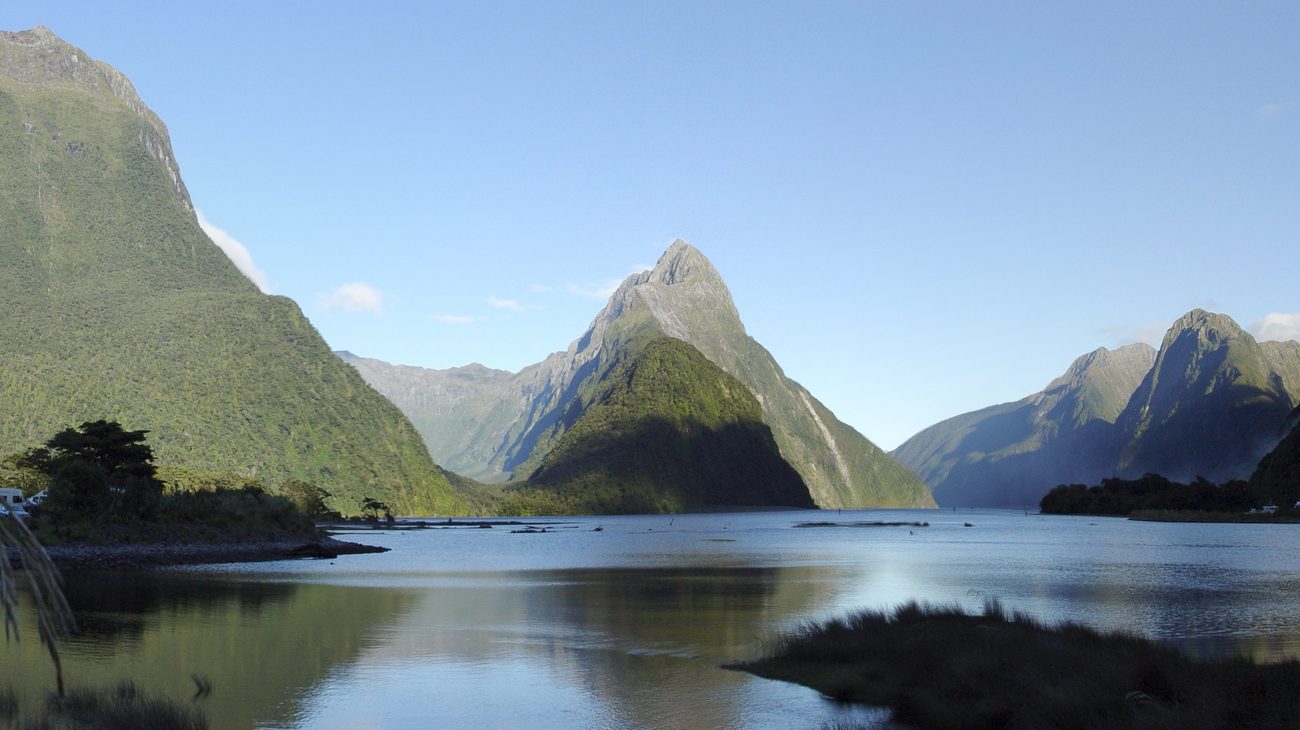
The iconic triangular summit of Mitre Peak rising 1,692 meters directly out of the glacial waters of Milford Sound (Piopiotahi).
There is a Māori concept called Kaitiakitanga—a deep, reciprocal guardianship and spiritual kinship between human beings and the natural world. Nowhere on this planet does that ethos feel more palpable than across the two main islands of Aotearoa (New Zealand).
I remember my third morning driving through the Homer Tunnel into Fiordland. As our camper van emerged from the dark, hand-hewn granite shaft, the sky broke open into horizontal rain. Within minutes, hundreds of temporary waterfalls burst into existence along the sheer mile-high rock walls of the Cleddau Valley, cascading down like ribbons of silver hair through prehistoric beech rainforests. A curious alpine parrot—the mischievous olive-green Kea—landed with a clatter on our wing mirror, eyeing us with fearless intelligence.
When nature enthusiasts ask for route advice on Quora, Kiwi locals, Department of Conservation (DOC) rangers, and seasoned campervan road-trippers emphasize one critical rule: New Zealand is not about its cities; it is about its dramatic, untamed wilderness.
From glacier-carved alpine valleys and turquoise thermal lakes to active volcanic craters and golden coastal reserves, here are the 12 best places to visit in New Zealand for nature lovers according to Quora.
1. Milford Sound (Piopiotahi) & Fiordland National Park
Described by Rudyard Kipling as the "Eighth Wonder of the World," Milford Sound is the crown jewel of Te Wahipounamu, a UNESCO World Heritage area in the southwestern corner of the South Island. Formed during successive ice ages, sheer granite cliffs rise nearly 4,000 feet straight out of the inky, 1,000-foot-deep fiord.
The defining landmark is Mitre Peak (1,692 meters), whose triangular pyramid towers over passing cruise vessels. Board a small boat cruise or sea kayak out past Stirling Falls and Lady Bowen Falls, where skippers nose vessels directly beneath the cascades for a roaring "glacial facial." Pods of resident bottlenose dolphins routinely ride the bow wave, while New Zealand fur seals bask lazily on Seal Rock.
- Quora Traveler Wisdom: Many first-timers pray for clear blue skies, but Quora regulars reveal: "Milford Sound is actually at its most magical in the pouring rain. Rainfall transforms the fiord into an amphitheater of thousands of ephemeral waterfalls plunging from the mist. Pack a serious seam-sealed waterproof jacket and embrace the wet."
- Logistics: Driving the 75-mile Milford Road (SH 94) from Te Anau takes 2.5 to 3 hours without stops, but allocate 5 hours—the scenic stops (Eglinton Valley, Mirror Lakes, The Chasm) are world-class.
2. Aoraki / Mount Cook National Park & Hooker Valley Track
Piercing the Southern Alps sky at 3,724 meters (12,218 feet), Aoraki / Mount Cook is New Zealand’s highest peak. The national park protects a rugged alpine landscape of 19 peaks over 3,000 meters and the country’s longest glaciers.
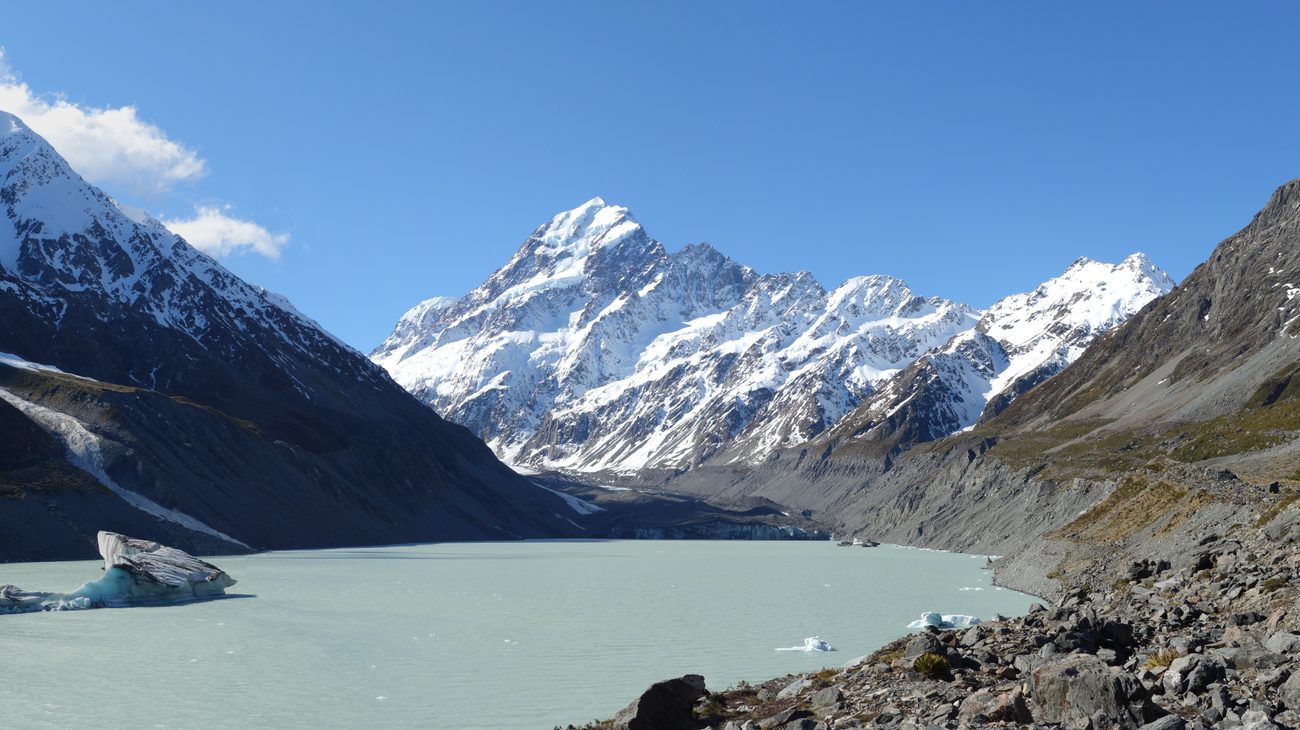
The signature day hike is the Hooker Valley Track (6.2 miles round-trip). This gentle, well-maintained trail crosses three dramatic swing bridges over roaring glacial meltwater rivers, winding through subalpine tussock meadows before terminating at the shore of Hooker Lake. Here, colossal floating icebergs calved from the Hooker Glacier drift in milky-gray water beneath the monumental south face of Mount Cook.
- Quora Traveler Wisdom: Start the Hooker Valley hike 90 minutes before dawn. Crossing the suspension bridges as first morning light ignites the icy summit of Aoraki into electric pink and gold (alpenglow) is an unforgettable spiritual experience, completely free from tour bus crowds.
- Stargazing: Mount Cook is the heart of the Aoraki Mackenzie International Dark Sky Reserve, the largest dark sky reserve in the Southern Hemisphere. The clarity of the Milky Way, Magellanic Clouds, and Southern Cross is breathtaking.
3. Lake Tekapo & Lake Pukaki: The Luminous Turquoise Waters
Driving north from Mount Cook, travelers are stopped in their tracks by the shocking color of Lake Pukaki and neighboring Lake Tekapo. The water is an intense, opaque baby-blue turquoise, caused by extremely fine glacial silt ("rock flour") suspended in the water that refracts sunlight.
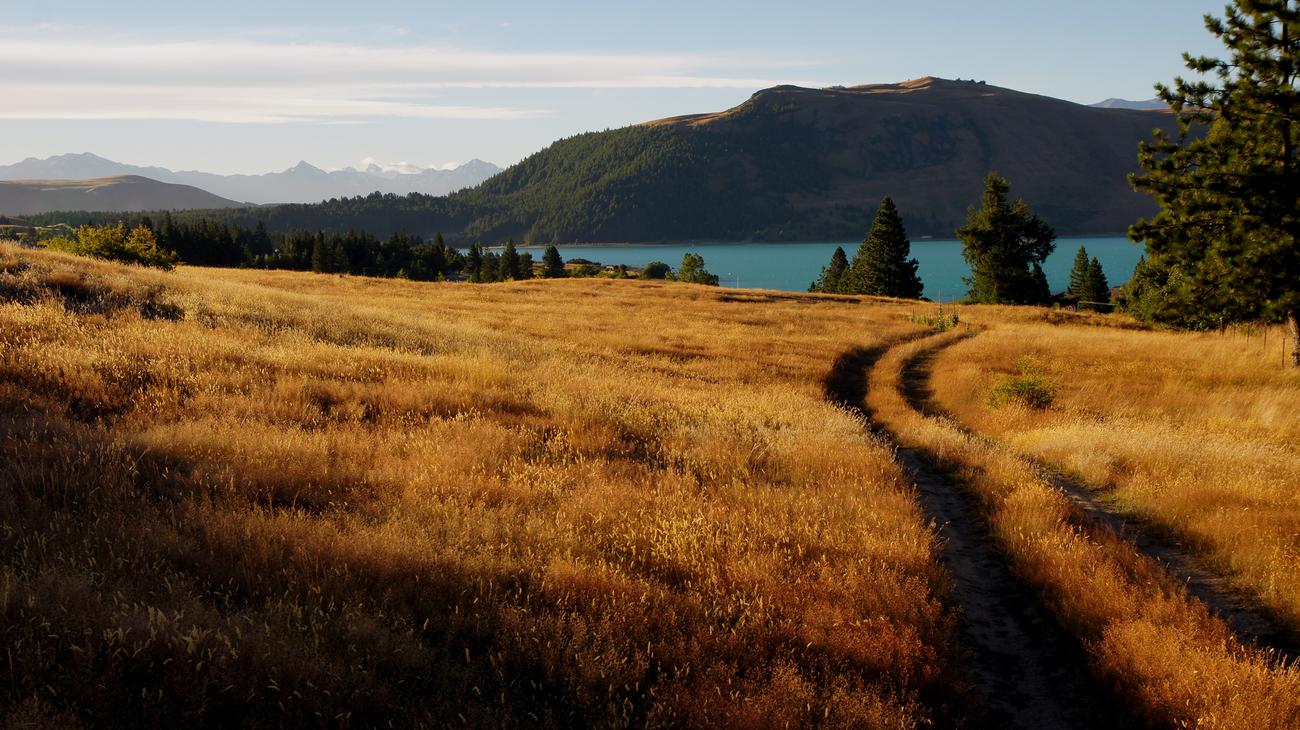
On the shores of Lake Tekapo sits the historic 1935 stone Church of the Good Shepherd, whose altar window perfectly frames the turquoise water and distant snow-capped Two Thumb Range. Between mid-November and January, the lake foreshore explodes in vibrant purple, pink, and yellow wild Russell lupines.
- Quora Traveler Wisdom: Stop at the Mt Cook Alpine Salmon shop situated at the southern end of Lake Pukaki. Savoring ultra-fresh, sashimi-grade King salmon raised in the cold, rushing glacial waters of the hydroelectric canals while gazing across the turquoise lake to Mount Cook is a quintessential South Island road trip ritual.
4. Tongariro National Park & The Tongariro Alpine Crossing
Holding dual UNESCO World Heritage status for both natural volcanology and sacred Māori cultural significance, Tongariro National Park in the central North Island is dominated by three active volcanoes: Mount Tongariro, Mount Ngauruhoe (famously cast as Mount Doom in The Lord of the Rings), and the snow-capped active stratovolcano Mount Ruapehu.
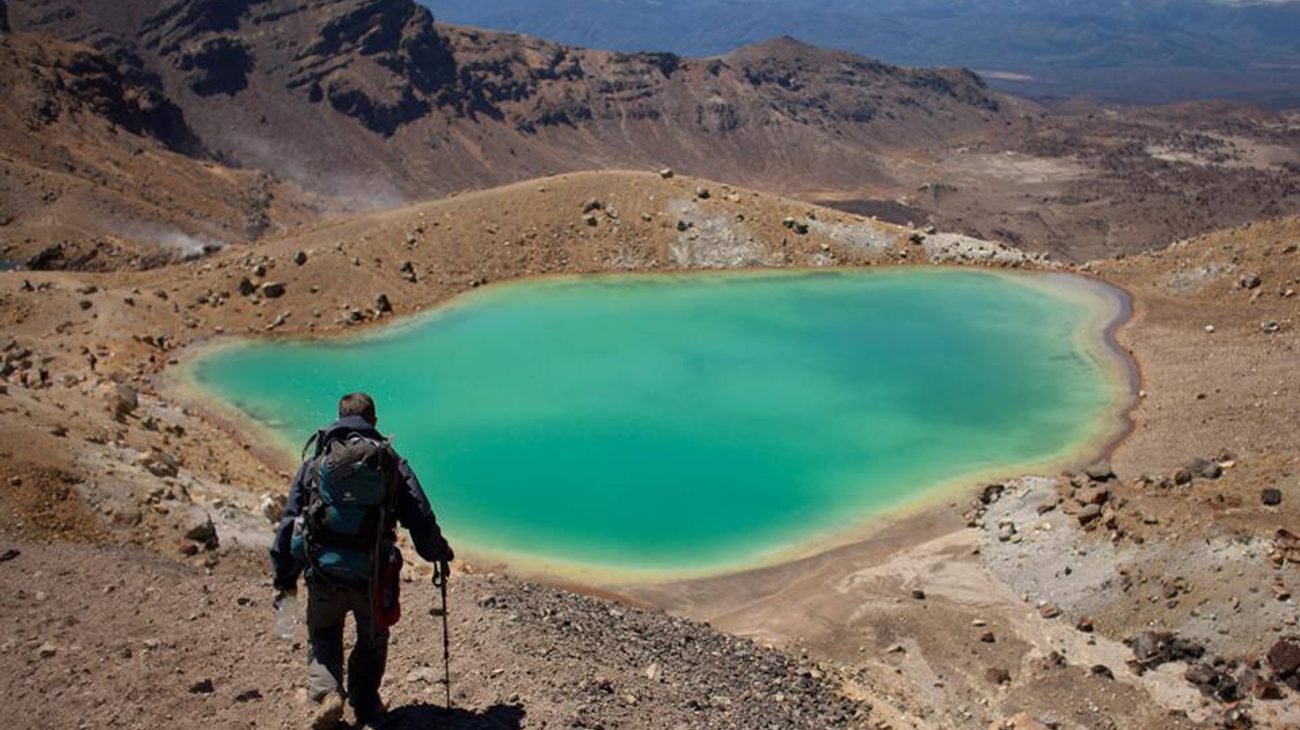
The Tongariro Alpine Crossing (12 miles one-way) is universally hailed as New Zealand’s single greatest one-day trek. The trail climbs past steaming sulfur vents, ascends to the rim of the Red Crater, and descends scree slopes beside the surreal, glowing neon-green Emerald Lakes (Ngā Rotopounamu) and the deep blue cold waters of Blue Lake (Te Wai-whakaata-o-te-Rangihiroa).
- Quora Safety Advice: The Alpine Crossing is an alpine mountain trek, not a casual walk. Temperatures can plunge from 75°F to freezing in minutes, with gale-force winds common at the Red Crater. Check the official DOC weather report, wear sturdy hiking boots with ankle support, and arrange pre-booked shuttle transport from National Park Village.
5. Abel Tasman National Park: Golden Sands & Coastal Rainforest
Situated at the sun-drenched northern tip of the South Island, Abel Tasman is New Zealand’s smallest national park, but arguably its most idyllic coastal wilderness. Here, dense native beech and punga fern rainforests spill down granite headlands directly onto golden sand beaches washed by crystal-clear turquoise lagoons.
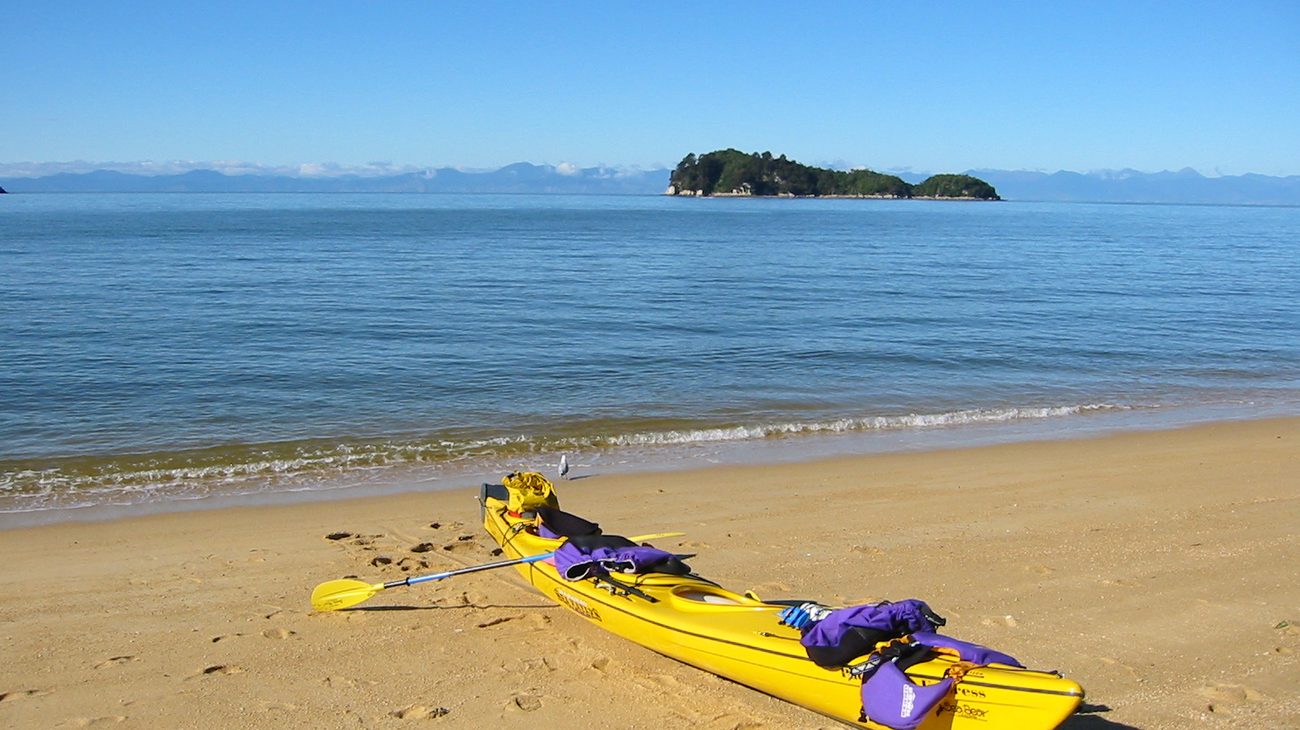
There is zero road access into the park interior. Travelers explore via the Abel Tasman Coast Track (one of New Zealand's Great Walks) or by renting a sea kayak to paddle into quiet lagoons like Anchorage Bay and Torrent Bay. Playful New Zealand fur seals (kekeno) inhabit the Tonga Island Marine Reserve, often swimming right up to your kayak paddle.
- Quora Traveler Wisdom: Take advantage of the park’s flexible water taxi network (departing from Marahau or Kaiteriteri). You can take a water taxi into Bark Bay, hike 4 hours along the coastal track across suspension bridges, and catch a return water taxi back from Anchorage.
6. Queenstown & Glenorchy: The Alpine Wonderland
Framed by the jagged spires of The Remarkables mountain range and the serpentine, crystal-clear glacial waters of Lake Wakatipu, Queenstown is world-renowned as the adventure sports capital of the globe.
Yet, for nature lovers on Quora, the real magic begins when you drive 45 minutes past Queenstown along the dramatic lakeside road to Glenorchy. Nestled at the head of Lake Wakatipu beneath towering glacier-clad peaks, Glenorchy is the gateway to Mount Aspiring National Park and the starting point for world-famous multi-day treks like the Routeburn Track and Rees-Dart Track.
- Quora Traveler Wisdom: Walk along the Glenorchy Lagoon boardwalk trail at sunrise. The mirror reflections of Mount Earnslaw and the Humboldt Mountains in the tranquil lagoon, surrounded by weeping willows and native birdlife, are pure serenity.
7. Rotorua & Wai-O-Tapu Thermal Wonderland
Located within the Taupo Volcanic Zone on the North Island, Rotorua is the geothermal beating heart of New Zealand, where the earth steams, bubbles, and vents sulfurous vapor right through urban parks and roadside drains.
The premier geothermal reserve is Wai-O-Tapu ("Sacred Waters"). Walk among vivid geothermal phenomena: the famous Champagne Pool (a 65-meter geothermal spring rimmed with vibrant orange sulfur crusts and bubbling bubbling carbon dioxide), boiling neon-yellow sulfur mounds, and the surreal lime-green waters of the Devil’s Bath crater lake. Rotorua is also the epicenter of Māori culture—experience an authentic evening hāngī feast cooked in underground geothermal steam pits.
- Quora Traveler Wisdom: Combine Wai-O-Tapu with a walk through the Redwoods Whakarewarewa Forest, where towering California redwoods planted in 1901 have flourished in the rich volcanic soil alongside prehistoric giant silver tree ferns.
8. Kaikōura: Ocean Trenches & Marine Giants
Along the northeastern coast of the South Island, where the rugged Seaward Kaikōura mountain range drops directly into the Pacific Ocean, lies a unique geographical marvel: the Kaikōura Canyon. Just a mile offshore, the continental shelf plunges into an ocean trench two kilometers deep, creating deep-sea upwellings of nutrients that support one of the richest marine ecosystems on earth.
Kaikōura is one of the only places in the world where giant Sperm Whales can be viewed year-round just minutes from the harbor. Dusky dolphins form massive super-pods of several hundred individuals, acrobatically leaping through the waves, while orcas and humpback whales migrate past during winter months.
- Quora Traveler Wisdom: Walk the Kaikōura Peninsula Walkway (2 hours round-trip). Along the rocky shoreline and limestone reefs, you can observe wild New Zealand fur seal breeding colonies from elevated clifftop viewing platforms without disturbing the animals. Afterward, stop at the legendary Kaikōura Seafood BBQ roadside shack for freshly caught crayfish (rock lobster) grilled with garlic butter on the beach.
9. Wanaka & Roy’s Peak: Alpine Solitude
Just an hour over the Crown Range Highway from Queenstown lies Wanaka, its quieter, more contemplative alpine sister. Set on the shores of Lake Wanaka against Mount Aspiring National Park, the town is celebrated for its laid-back outdoor culture.
Snap a sunrise photo of #ThatWanakaTree, a solitary cracked willow tree growing miraculously out of the lake water with the snow-capped Southern Alps in the background. For active hikers, the steep climb up Roy’s Peak (5,177 feet) or Isthmus Peak delivers one of the most celebrated panoramas in the Southern Hemisphere, looking down over the intricate fingers and islands of Lake Wanaka.
- Quora Traveler Wisdom: Roy’s Peak has become heavily trafficked on Instagram. Quora hikers recommend Isthmus Peak (overlooking Lake Hawea and Lake Wanaka) for an equally staggering 360-degree vista with a fraction of the trail traffic.
10. The Catlins & Nugget Point: The Wild Southern Edge
Tucked along the remote southeastern coast between Dunedin and Invercargill, The Catlins is one of New Zealand’s least-visited and most dramatic coastal frontiers. Here, wild Southern Ocean surf batters fossilized Jurassic petrified forests at Curio Bay, towering podocarp rainforests shelter secret waterfalls like Purakaunui Falls and McLean Falls, and windblown headlands feel like the ends of the earth.
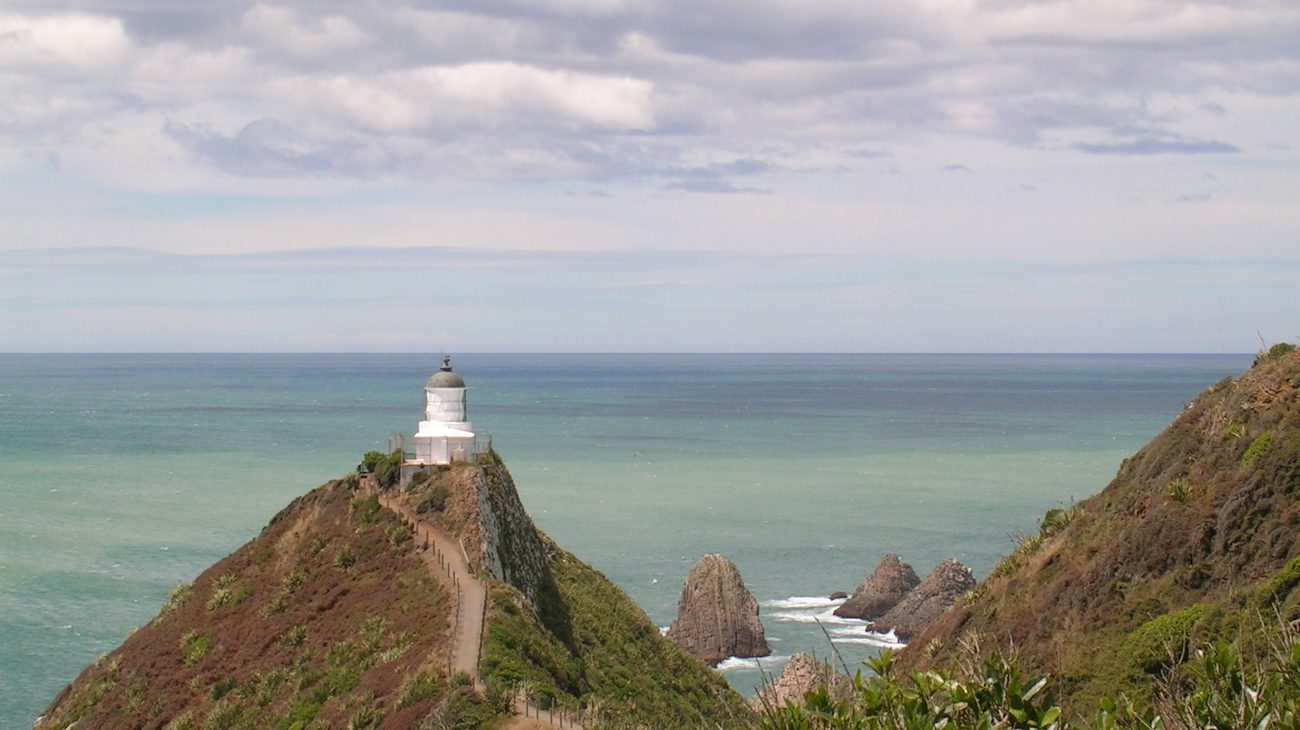
The crowning icon is Nugget Point (Tokatā). A narrow walking track along a razor-thin headland ridge leads to an 1869 white stone lighthouse perched 250 feet above the ocean, overlooking a string of jagged golden rock stacks ("the nuggets") where fur seals, sea lions, and rare yellow-eyed penguins (hoiho) nest.
- Quora Traveler Wisdom: Visit Nugget Point at sunrise. Standing on the lighthouse balcony as dawn breaks over the Pacific Ocean, with crashing waves echoing through sea caverns below, is sheer wilderness perfection.
11. Fox & Franz Josef Glaciers: Ice Meets Rainforest
Along the rugged West Coast of the South Island, the Franz Josef and Fox Glaciers are global geological oddities. Originating in high alpine snowfields near Mount Cook, these massive rivers of ice plunge down steep mountain valleys into lush, temperate coastal rainforests just 300 meters above sea level.
While climate change has caused the glacier termini to retreat inland in recent decades, guided heli-hike tours allow adventurous travelers to board a helicopter for a short flight onto the upper icefields, landing among luminous blue ice caves, crevasses, and frozen seracs clad in crampons.
- Quora Traveler Wisdom: If heli-hiking is beyond your budget, hike the Lake Matheson track near Fox Glacier at dawn. On calm mornings, the dark brown peaty water creates a world-famous, razor-sharp mirror reflection of Mount Cook and Mount Tasman framed by native flax.
12. Bay of Islands: Subtropical Marine Sanctuaries
Located three hours north of Auckland in Northland, the Bay of Islands encompasses 144 subtropical islands, secluded sandy coves, and warm maritime waters. It is rich in both wildlife and foundational history, being the home of the Waitangi Treaty Grounds where New Zealand’s founding document was signed in 1840.
Take a catamaran cruise through the famous Hole in the Rock on Motukokako Island, swim with wild bottlenose dolphins in the protected marine park, and explore historic colonial settlements like Russell (Kororāreka) and Kerikeri.
- Quora Traveler Wisdom: Take the car ferry to the Puketi Forest inland to walk beneath towering ancient Kauri trees—massive native conifers that can grow up to 50 meters tall with trunk circumferences exceeding 16 meters!
New Zealand Nature Destinations: Quora Quick-Reference Table
| Destination | Island | Prime Attraction | Best Transit Mode | Quora Insider Advice |
|---|---|---|---|---|
| Milford Sound | South | Dramatic fiords, Mitre Peak, falls | Campervan / Coach | Rain makes it vastly more dramatic; don't fear wet weather! |
| Aoraki / Mount Cook | South | Hooker Valley icebergs, dark sky | SH 80 Road Trip | Start Hooker Valley at pre-dawn for pink alpenglow. |
| Lake Tekapo & Pukaki | South | Glacial turquoise lakes, lupines | SH 8 Highway | Stop at Mt Cook Alpine Salmon shop on Lake Pukaki. |
| Tongariro Crossing | North | Emerald Lakes, Mount Doom volcano | Shuttle from Village | Alpine weather changes fast; pack layers and proper boots. |
| Abel Tasman | South | Golden beaches, coastal kayaking | Water Taxi / Hike | Book flexible water taxi combos to hike portions of the track. |
| Glenorchy & Aspiring | South | Mirror lagoon, Routeburn gateway | Scenic lake drive | 45m drive from Queenstown; walk Glenorchy Lagoon boardwalk. |
| Wai-O-Tapu / Rotorua | North | Champagne Pool, geothermal vents | Rental Car | Visit Whakarewarewa Redwoods for giant tree ferns. |
| Kaikōura | South | Giant Sperm whales, fur seal colony | Coastal SH 1 | Walk Peninsula Walkway; eat fresh crayfish from roadside BBQs. |
| Wanaka | South | Roy's Peak, That Wanaka Tree | Rental Car | Hike Isthmus Peak for equal lake views with fewer crowds. |
| The Catlins | South | Nugget Point lighthouse, sea lions | Southern Scenic Route | Watch the sunrise from Nugget Point lighthouse balcony. |
| Fox & Franz Josef | South | Glaciers meeting temperate rainforest | SH 6 West Coast | Walk around Lake Matheson at dawn for mirror reflections. |
| Bay of Islands | North | 144 islands, marine reserves, Kauri | Car from Auckland | Explore ancient giant Kauri trees in nearby Puketi Forest. |
4 Strategic Advice Points for New Zealand Road Trips in 2027
- Hire a Certified "Self-Contained" Camper Van: New Zealand has strict freedom camping regulations to protect its pristine ecology. If you plan on camping outside commercial holiday parks, ensure your campervan has a green "Certified Self-Contained" warrant sticker (including an onboard toilet). Download the CamperMate or Rankers Camping NZ apps to find legal DOC campsites.
- Prioritize the South Island for Raw Nature: If your trip is limited to two weeks, Quora travelers overwhelmingly advise spending 75% to 80% of your time on the South Island. The density of dramatic fjords, alpine glaciers, and turquoise lakes on the South Island is unparalleled.
- Download the Official DOC (Department of Conservation) App: The DOC manages all national parks, Great Walks, and backcountry huts. Book Great Walk hut reservations (Milford, Routeburn, Abel Tasman) months ahead, as summer allocations sell out within hours of opening.
- Drive on the Left & Mind One-Lane Bridges: Driving in New Zealand involves winding two-lane roads with frequent wooden one-lane bridges. Pay close attention to red-and-black bridge priority arrows (the larger arrow indicates who has the right-of-way).
Frequently Asked Questions (FAQ)
What is the best month to visit New Zealand for outdoor hiking?
January and February offer the warmest weather, longest daylight hours, and the most stable alpine conditions. However, March and April (early autumn) are favored by seasoned travelers: pleasant hiking temperatures, golden autumn colors in Arrowtown and Central Otago, and significantly less road traffic.
How much time do I need for a complete New Zealand trip?
To experience both the North and South Islands without spending every waking hour behind the wheel, plan for a minimum of 3 weeks (21 days). If you only have 10 to 14 days, focus exclusively on the South Island (Christchurch → Tekapo → Mount Cook → Wanaka → Queenstown → Milford Sound → West Coast).
Are there dangerous animals or poisonous snakes in New Zealand?
None! New Zealand is famously free of dangerous wildlife: there are zero native snakes, no large mammalian predators, and no poisonous spiders that pose serious threats to travelers. The only annoying creature is the tiny sandfly (namu), prevalent on coastal South Island beaches and Milford Sound; pack reliable DEET insect repellent.
What is the Interislander ferry crossing like?
Connecting Wellington (North Island) and Picton (South Island) across the Cook Strait, the 3.5-hour ferry crossing is widely considered one of the most scenic ferry voyages in the world, particularly the final hour navigating through the drowned river valleys of the Marlborough Sounds.
Discover More Inspiring Global Travel Guides:
- 15 Best Places to Visit in Japan Beyond Tokyo According to Quora
- 12 Best Places to Visit in Europe for First-Time Travelers According to Quora
- 15 Most Beautiful Places in Switzerland That Travelers Recommend on Quora
- 12 Most Beautiful Places to Visit in Iceland According to Quora: Fire, Ice & Beyond
- 15 Best Places to Visit in Alaska According to Quora: A Wilderness Guide
This article is for informational purposes. Flight routes, passenger regulations, visa rules, and transit advisories are subject to change by airlines and aviation authorities. Readers are advised to verify schedules and travel documentation with relevant carriers and border agencies before departure.
Related Stories
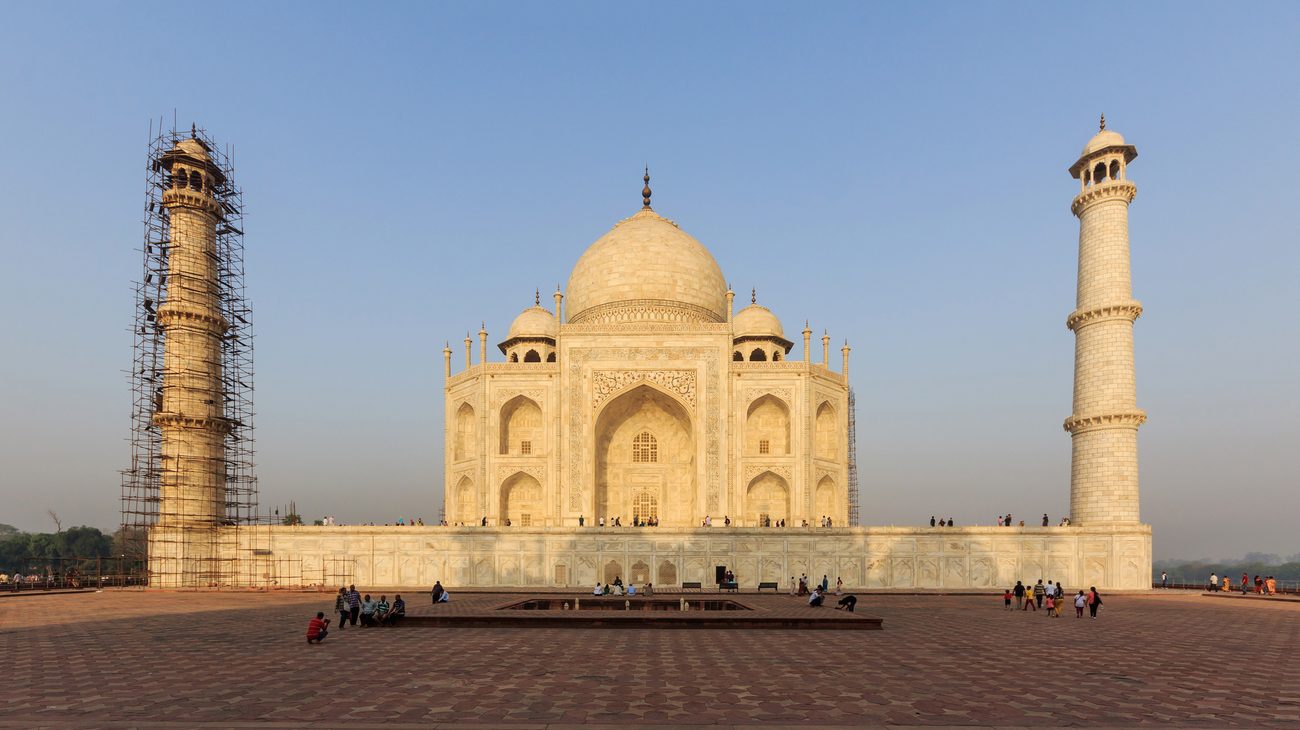
15 Best Places to Visit in India That International Travelers Should Know About
15 Best Places to Visit in Australia for an Unforgettable Holiday According to Quora