15 Most Beautiful Places in Switzerland That Travelers Recommend on Quora

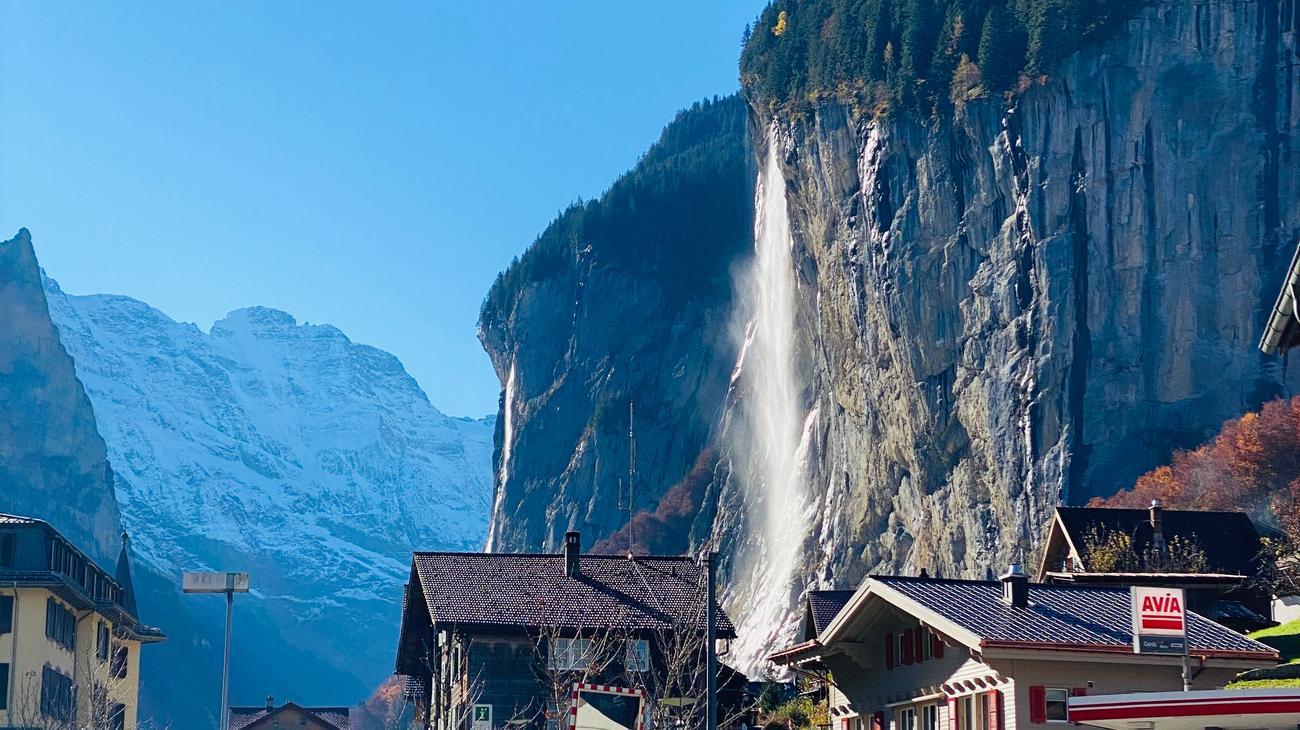
The iconic Staubbach Falls cascading 300 meters from sheer limestone cliffs above traditional wooden Swiss chalets in Lauterbrunnen.
There is a moment in Switzerland when reality feels like an impossibly perfect rendering. For me, it was pulling down the window of the cogwheel train winding out of Wengen at eight in the morning. Below us, the glacier-carved U-shaped trough of the Lauterbrunnen Valley opened up—limestone cliffs plunging vertically for a thousand feet, with seventy-two waterfalls throwing silver ribbons of glacial spray across emerald alpine pastures, while the snow-dusted pyramid of the Jungfrau dominated the southern horizon. The chime of bronze cowbells drifted up through the crisp mountain air like a gentle symphonic score.
When you browse Swiss travel threads on Quora—curated by Swiss residents, veteran alpine guides, and frequent international rail travelers—the advice carries a very specific, practical wisdom. Travelers who truly know Switzerland will tell you to skip the overcrowded souvenir shops of Zurich and Geneva and spend your days among car-free mountain hamlets, riding panoramic cogwheel railways, and swimming in glacial alpine lakes so clear you can count the pebbles thirty feet down.
Whether you are packing sturdy hiking boots or relying on the world's most punctual railway network, here are the 15 most beautiful places in Switzerland that Quora travelers consistently recommend.
1. Lauterbrunnen Valley: The Valley of 72 Waterfalls
Often cited as J.R.R. Tolkien’s real-world inspiration for the elven sanctuary of Rivendell, the Lauterbrunnen Valley is arguably the most dramatic glacial trough on the European continent. Flanked by vertical limestone walls rising nearly a thousand meters into the Bernese Oberland sky, the valley floor is dotted with traditional wooden chalets decorated with overflowing red geraniums.
The most iconic cascade is Staubbach Falls, which plunges nearly 300 meters in a continuous spray that dissolves into misty clouds before reaching the valley floor. Deeper into the canyon, you can take a subterranean funicular inside the mountain to witness the Trümmelbach Falls—ten glacier-fed cascades roaring through a carved limestone cavern carrying up to 20,000 liters of meltwater per second from the Eiger, Mönch, and Jungfrau glaciers.
- Quora Traveler Wisdom: Quora locals recommend staying overnight in Lauterbrunnen or taking the cable car up to the car-free cliffside village of Mürren. Once the daytime tour crowds head back to Interlaken around 5:00 PM, the valley becomes deeply tranquil, echoing only with falling water and distant cowbells.
2. Zermatt & The Matterhorn (Valais)
Rising alone on the Swiss-Italian border like a jagged tooth carved of gneiss and schist, the Matterhorn (4,478 meters) is the definitive symbol of alpine majesty. Below sits Zermatt, an enchanting, completely combustion-engine-free resort village where only quiet electric taxis and horse-drawn carriages are permitted on the cobblestone lanes.
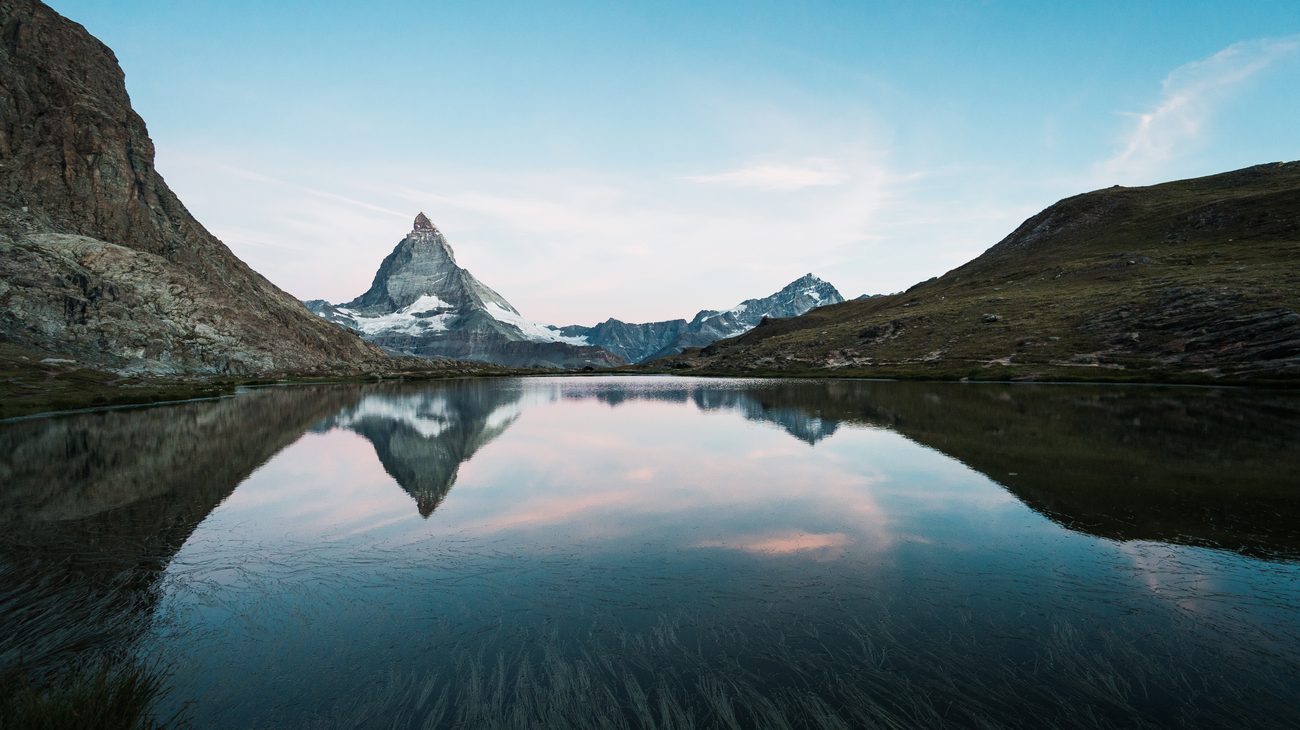
Board the historic Gornergrat Railway—Europe’s highest open-air cogwheel train running since 1898—climbing to a 3,089-meter observation ridge overlooking 29 four-thousand-meter peaks and the vast Gorner Glacier. On the way down, get off at Rotenboden for an easy 10-minute walk to Lake Riffelsee at dawn or sunset, when the mirror-smooth surface creates a flawless, world-famous reflection of the Matterhorn's eastern face.
- Quora Traveler Wisdom: Quora mountaineers remind travelers: "Do not pay full price for the Gornergrat ticket on overcast days. Check the live high-definition webcams at Zermatt train station before boarding. If the summit is blanketed in heavy clouds, hike the lower Five Lakes Trail (5-Seenweg) through larch forests instead."
- Alpine Food: Indulge in authentic Swiss raclette or cheese fondue paired with local crisp Valais Fendant white wine at Whymper-Stube.
3. Lake Oeschinen (Oeschinensee) & Kandersteg
Cradled within an amphitheater of sheer 3,000-meter cliffs in the mountains above Kandersteg, Oeschinensee is widely considered by Swiss hikers to be the single most stunning alpine lake in the country. Fed by glacial streams plunging off the Blüemlisalp massif, the water glows an unbelievable shade of deep turquoise-blue.
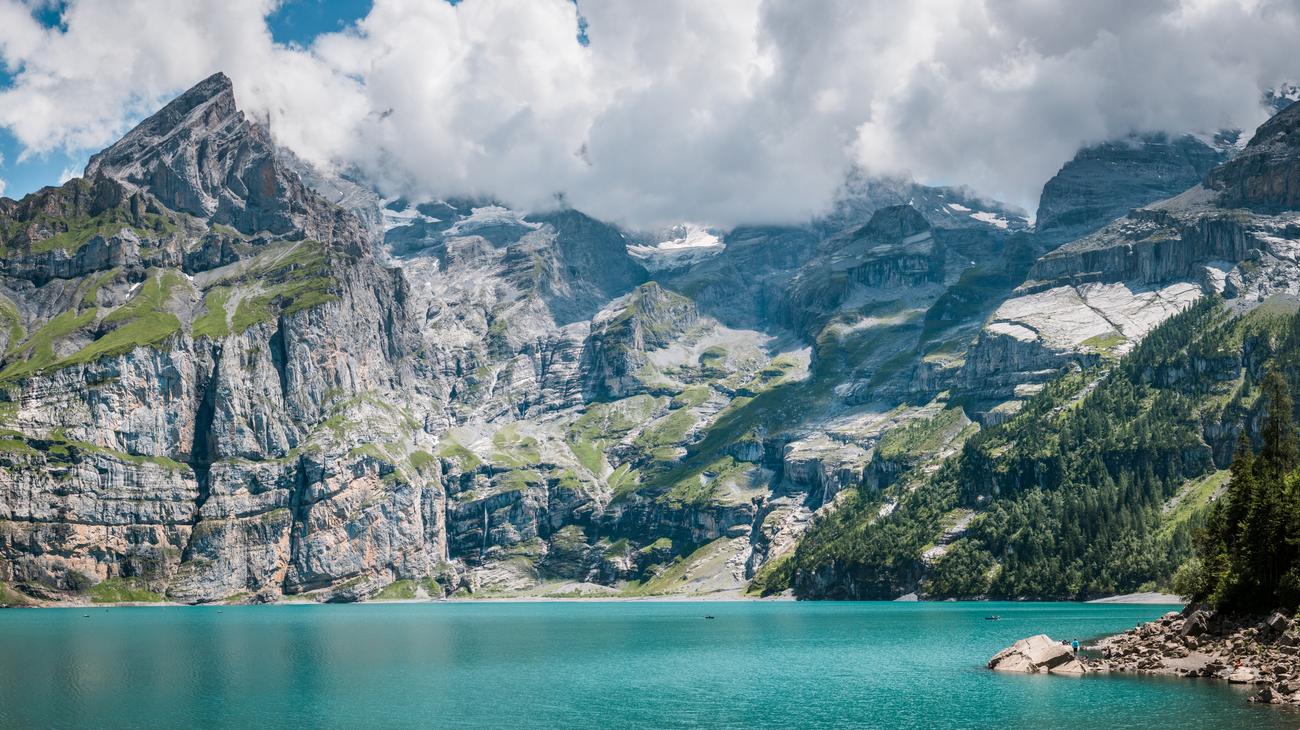
Take the eight-passenger gondola from Kandersteg, then walk through pine woods to the lakeshore where you can rent traditional wooden rowboats to glide beneath tumbling cliffside waterfalls. For experienced hikers, the Oeschinensee Panorama Trail climbs along the upper cliff ridge, offering dizzying, eagle-eye views straight down into the turquoise abyss.
- Quora Traveler Wisdom: Pack your swimming gear if visiting in July or August! While glacial, the surface water near the shallow pebble beaches warms to a refreshing 18°C–20°C (65°F–68°F). Next to the mountain gondola station, ride the 750-meter summer toboggan run (Rodelbahn) for pure alpine thrills.
4. Berggasthaus Äscher-Wildkirchli & Appenzell
Clinging precariously to the vertical limestone cliff face of the Ebenalp mountain in the Appenzell Alps, the Berggasthaus Äscher is one of the most astonishingly situated guesthouses on earth. Built directly into the rock face in 1860, the wooden inn sits immediately outside the prehistoric Wildkirchli caves, where Neanderthal tools and cave bear bones dating back 45,000 years were discovered.
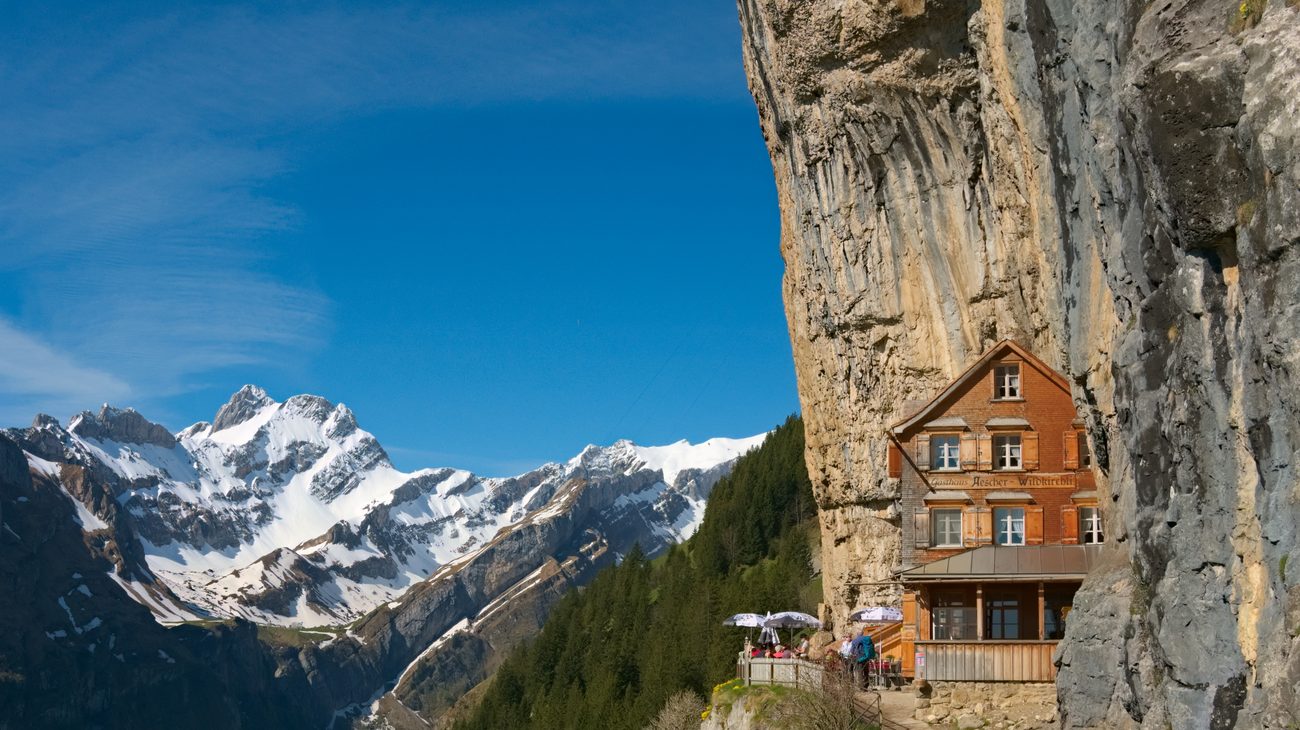
The journey to Äscher is half the enchantment: riding the cable car from Wasserauen up to Ebenalp, walking through dimly lit illuminated limestone caverns, passing a 400-year-old wooden hermit's chapel built under a rock overhang, and emerging onto the wooden terrace of the inn for a cold Quöllfrisch beer and crispy Swiss Rösti (grated potato pancake topped with melted Appenzeller cheese and fried eggs).
- Quora Traveler Wisdom: Because Äscher gained viral fame after being featured on the cover of National Geographic, the trail can get busy on midsummer weekends. Take the earliest cable car at 7:30 AM on a weekday, hike down past Äscher to the pristine, emerald waters of Seealpsee, and buy fresh mountain alpine cheese directly from local dairy farmers.
5. Lucerne & Mount Pilatus: The Heart of Switzerland
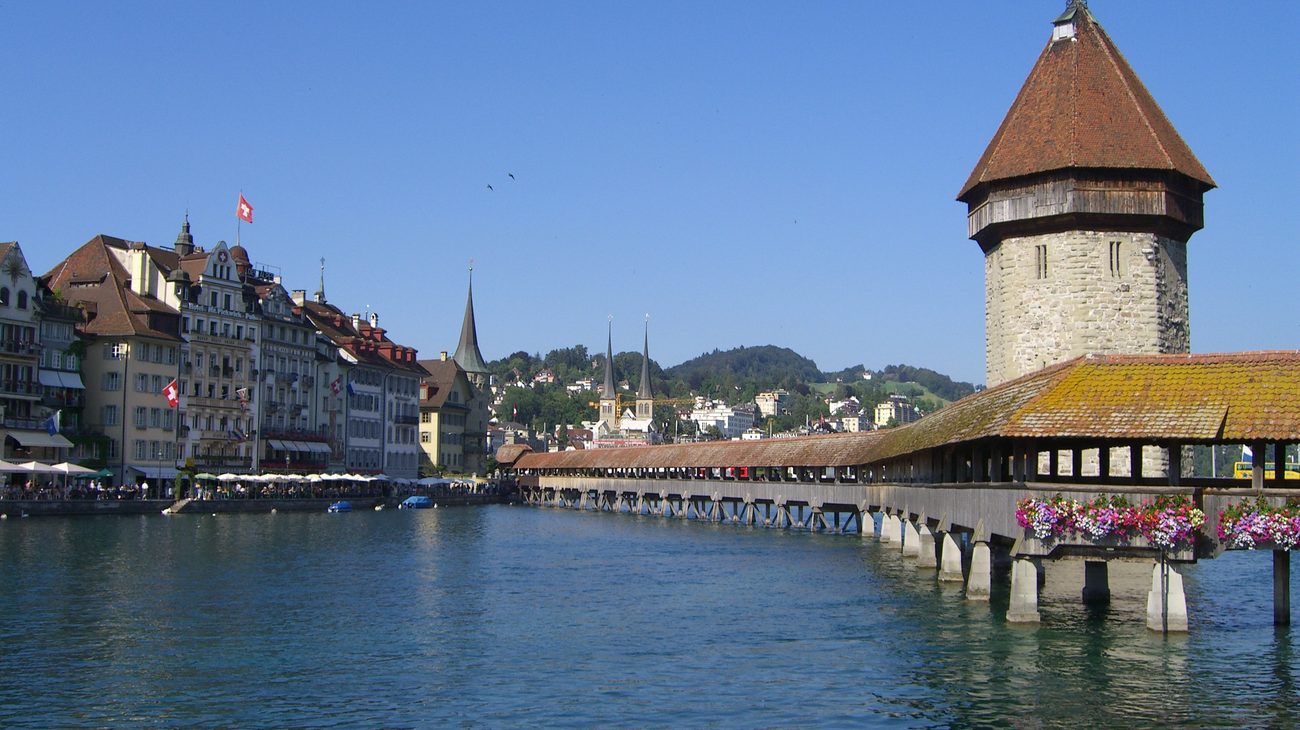
Straddling the Reuss River where it drains Lake Lucerne, the historic city of Lucerne is the cultural gateway to central Switzerland. Its defining icon is the Kapellbrücke (Chapel Bridge), a covered wooden footbridge built diagonally across the river in 1333, adorned with interior 17th-century triangular roof paintings depicting Swiss history, guarded by the octagonal stone Water Tower.
Towering above the city is Mount Pilatus (2,128 meters). Experience it via the legendary "Golden Round Trip": taking a vintage paddle steamer boat across Lake Lucerne to Alpnachstad, ascending on the steepest cogwheel railway in the world (reaching an astounding 48% gradient through alpine rock tunnels), and descending back to the city via the "Dragon Ride" aerial cableway.
- Quora Traveler Wisdom: Walk along the historic 14th-century Museggmauer stone rampart walls above Lucerne. Four of its nine watchtowers are open to the public for free, offering sweeping, unobstructed views over the city's red-tile roofs, the lake, and the snow-capped Alps.
6. Château de Chillon & The Lavaux Vineyards (Lake Geneva)
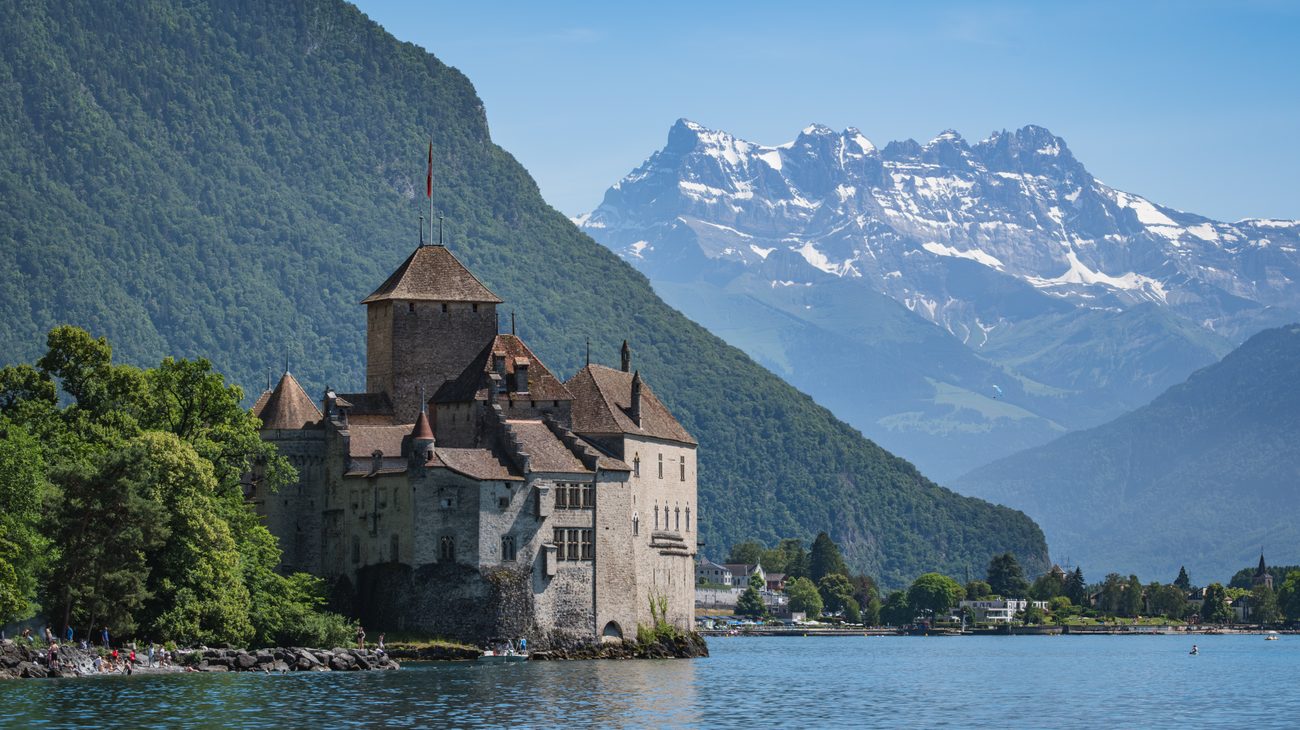
Perched on an oval limestone outcropping jutting directly into the deep blue waters of Lake Geneva (Lac Léman), the Château de Chillon is Switzerland's most celebrated medieval fortress. Occupied by the Counts of Savoy from the 12th century, its stone courtyards, Gothic subterranean dungeons (immortalized in Lord Byron’s poem The Prisoner of Chillon), and grand banquet halls look straight out across the lake to the snow-capped Dents du Midi.
Just northwest of the castle lie the Lavaux Vineyard Terraces, a UNESCO World Heritage cultural landscape where stone-walled vineyards cascade down steep hillsides into Lake Geneva. Monks built these terraces in the 11th century to capture "three suns": direct sunlight, heat radiating off the lake surface, and heat stored within the ancient stone retaining walls.
- Quora Traveler Wisdom: Skip the highway train. Take the scenic regional train from Lausanne to St-Saphorin, then hike the gentle 7-mile marked trail through the vineyards to Lutry, stopping at rustic family-owned wine cellars (caveaux) along the route to sample crisp, mineral-rich Chasselas wine.
7. Grindelwald & The First Cliff Walk (Jungfrau Region)
Nestled beneath the menacing, 1,800-meter sheer limestone rock wall of the Eiger North Face, Grindelwald is the vibrant adventure epicenter of the Jungfrau Region. Take the modern six-person gondola up to Grindelwald-First, where you can step onto the First Cliff Walk by Tissot—a suspended metal walkway bolted directly into the sheer cliffside ending in a glass-bottomed viewing bridge cantilevered 45 meters out into thin air above alpine meadows.
From First, embark on the scenic 50-minute alpine walk to Bachalpsee, a postcard-perfect twin alpine lake that reflects the snowy glaciers of the Schreckhorn and Wetterhorn in its crystal waters.
- Quora Traveler Wisdom: Return from First down to Grindelwald using the thrilling multi-stage adventure activities: flying down the 800-meter First Flyer zip line, speeding across gravel mountain roads on a three-wheeled First Mountain Cart, and coasting the final stretch on a stand-up Trottibike scooter.
8. Mürren & Gimmelwald: Car-Free Cliffside Chalets
Perched high above the Lauterbrunnen Valley on a sheer 800-meter rock terrace, Mürren and its tiny rustic neighbor Gimmelwald are two of the purest traditional alpine villages remaining in Europe. There are zero cars here; supplies arrive via cable car or small electric service tractors.
Walking between weather-blackened wooden barns with firewood stacked symmetrically under wide eaves, watching laundry flutter in the mountain breeze against the snowy backdrop of the Monch and Jungfrau, delivers an intoxicating sense of timeless peace. From Mürren, the Schilthorn cable car whisks you to the 2,970-meter summit of Piz Gloria, featuring the revolving panoramic restaurant made famous in the James Bond film On Her Majesty’s Secret Service.
- Quora Traveler Wisdom: Instead of taking the cable car between Mürren and Gimmelwald, walk the gentle, downhill paved trail (about 40 minutes). Stop at the famous "Honesty Shop" in Gimmelwald—an unmanned craft shop where you browse handmade souvenirs and leave cash in a wooden box, reflecting the deep honesty of Swiss alpine village culture.
9. St. Moritz & The Bernina Express (Graubünden)
Located in the sunny, high-altitude Engadin Valley at 1,800 meters, St. Moritz has long been the glamorous winter playground of royalty, celebrities, and Olympic athletes. Yet, what makes this corner of eastern Switzerland genuinely unmissable is the journey on the Bernina Express.
Recognized as a UNESCO World Heritage railway, this engineering marvel crosses the Alps from Chur or St. Moritz down to Tirano, Italy, without the use of cogwheels. Panoramic train cars traverse 55 tunnels, 196 bridges, climb past the glowing white tongue of the Morteratsch Glacier, crest the 2,253-meter summit at Ospizio Bernina, and snake down through the dizzying circular stone spirals of the Brusio Spiral Viaduct.
- Quora Traveler Wisdom: If traveling with a standard Swiss Travel Pass or Eurail Pass, you do not need to pay the extra seat-reservation fee for the official Bernina Express panoramic cars. Simply board the regular regional commuter trains that run on the exact same tracks every hour—you can pull down the train windows for clean, reflection-free photography!
10. Interlaken & Harder Kulm: The Adventure Crossroads
Flanked on either side by the emerald-green waters of Lake Brienz and the deep cobalt depths of Lake Thun, Interlaken is the historic base camp for the Bernese Oberland. On clear days, dozens of colorful paragliders drift through the sky, landing gently on the broad green lawn of Höhematte in the center of town.
Ride the historic funicular up to Harder Kulm (1,322 meters), where a triangular cantilevered viewing bridge extends over the mountain ledge, offering a jaw-dropping view straight down the valley between both lakes, backed by the snowy trifecta of the Eiger, Mönch, and Jungfrau.
- Quora Traveler Wisdom: Take a vintage steam boat cruise on Lake Brienz out to the grand historic Grandhotel Giessbach, where a series of 14 thundering waterfalls cascade through pristine pine forests directly into the lake.
11. Lugano & The Palm-Lined Shores of Ticino
Few international travelers realize that Switzerland has a sun-drenched southern flank where Italian is the native language, piazzas are shaded by lush palm trees, and outdoor espresso bars stay buzzing late into the evening. Located in the canton of Ticino, Lugano blends Swiss banking efficiency with relaxed Mediterranean joie de vivre.
Stroll the lakeside promenade through Parco Ciani, take a wooden funicular up to the summit of Monte San Salvatore (the "Sugarloaf of Switzerland") for a 360-degree panorama over Lake Lugano, and explore the pastel fishing village of Gandria, whose stone stairways cling to the water's edge beneath fig trees.
- Quora Traveler Wisdom: If visiting Ticino, don't miss a day trip into Valle Verzasca, an emerald-green canyon where crystal-clear mountain waters have polished giant granite river boulders into natural swimming pools beneath the double-arched 17th-century stone bridge Ponte dei Salti in Lavertezzo.
12. The Great Aletsch Glacier: The Ice Giant of the Alps
Encompassing over 30 square miles and containing four billion tons of ice, the Great Aletsch Glacier (Grosser Aletschgletscher) is the longest and most voluminous glacier in the Alps, stretching 23 kilometers down from the Jungfrau massif.
You can view this immense frozen superhighway from several car-free alpine resorts in the Valais, including Bettmeralp, Riederalp, and the Eggishorn viewpoint (2,927 meters). Standing at the viewpoint, watching the massive central medial moraine stripes curve like twin highway lanes across a 900-meter-thick sea of ancient ice, is a humbling encounter with the geological scale of the Alps.
- Quora Traveler Wisdom: Book a guided half-day glacier trek from Bettmeralp with a licensed Swiss mountain guide. Strapping on crampons and walking directly across the glacier ice, peering into bottomless glowing blue crevasses (moulins), is safe and unforgettable.
13. Bern Old Town: Medieval Arcades & The Aare River
The federal capital of Switzerland, Bern, is one of Europe's finest examples of preserved high-medieval urban architecture, recognized in its entirety as a UNESCO World Heritage site. Built within a tight horseshoe bend of the turquoise Aare River, the city features four miles of covered sandstone arcades (Lauben), elaborate 16th-century Renaissance public fountains, and the famous Zytglogge astronomical clock tower with mechanical moving figures.
During summer, Bernese locals engage in an iconic urban tradition: stripping down to swimwear, putting their clothes into waterproof drybags, and jumping into the fast-flowing, glacial turquoise Aare River to float effortlessly past the Parliament building for miles.
- Quora Traveler Wisdom: Walk up to the Rosengarten (Rose Garden) at dusk for the classic panoramic view looking down over the curve of the turquoise river and the historic spires of the Bern Minster.
14. Basel: Art, Architecture & The Rhine River Crossroads
Sitting at the tri-border point where Switzerland, France, and Germany meet, Basel is the undisputed cultural and art capital of the country. Home to nearly forty museums—including the world-class Kunstmuseum Basel and the Renzo Piano-designed Fondation Beyeler—the city seamlessly pairs cutting-edge contemporary architecture by Herzog & de Meuron with a historic Gothic cathedral (Basler Münster) built of red sandstone.
Like Bern, summer in Basel centers around the Rhine. Join thousands of locals swimming in the river with "Wickelfisch" fish-shaped drybags, or cross between Grossbasel and Kleinbasel aboard historic reaction ferries that glide across the water powered solely by the natural river current.
- Quora Traveler Wisdom: In June, Basel hosts Art Basel, the world’s premier modern art fair. If you are an architecture lover, take the short 15-minute cross-border bus to Weil am Rhein, Germany, to tour the world-renowned Vitra Design Museum campus.
15. The Glacier Express: The Slowest Express Train in the World
Connecting Zermatt and St. Moritz over an eight-hour journey, the Glacier Express is an eight-hour panoramic odyssey across the spine of the Swiss Alps. Known as "the slowest express train in the world," it crosses 291 bridges, negotiates 91 tunnels, and climbs over the 2,033-meter Oberalp Pass.
The train features floor-to-ceiling glass panoramic roofs, allowing you to gaze directly up at soaring peaks as servers deliver three-course hot meals and local wine right to your white-linen dining table. Highlights include passing through the dramatic sheer rock canyon of the Rhine Gorge (known as the "Swiss Grand Canyon") and crossing the dizzying 65-meter-high stone arches of the Landwasser Viaduct.
- Quora Traveler Wisdom: Quora train travelers advise: "Seat reservations are mandatory on the Glacier Express and book out months in advance for peak season. For the best photography, reserve seats in car 1 or 2, and keep a small lens-cloth handy to wipe away condensation."
Switzerland's Top 15 Destinations: Quora Quick-Reference Table
| Destination | Region / Canton | Main Appeal | Best Transit Option | Quora Traveler Pro-Tip |
|---|---|---|---|---|
| Lauterbrunnen | Bernese Oberland | 72 waterfalls, limestone canyon | Train to Lauterbrunnen | Stay in Mürren or Gimmelwald for car-free peace. |
| Zermatt & Matterhorn | Valais | Iconic pyramid peak, Gornergrat | Train (No cars allowed) | Check mountain webcams before paying for Gornergrat train. |
| Lake Oeschinen | Bernese Oberland | Glacial turquoise lake, cliffs | Gondola from Kandersteg | Rent wooden rowboats; swim at pebble beach in July/August. |
| Äscher-Wildkirchli | Appenzell | Cliffside guesthouse, caves | Cable car from Wasserauen | Arrive early morning; hike down past Seealpsee. |
| Lucerne & Pilatus | Central Switzerland | Chapel Bridge, steepest cogwheel | Train / Paddle steamer | Experience the Golden Round Trip (boat + cogwheel + cable). |
| Château de Chillon | Lake Geneva / Vaud | Medieval water castle, vineyards | SBB train to Montreux | Walk through Lavaux terraced vineyards and sample wine. |
| Grindelwald-First | Bernese Oberland | Cliff Walk, Bachalpsee hike | Cable car from Grindelwald | Hike to Bachalpsee and ride Mountain Carts back down. |
| Mürren & Gimmelwald | Bernese Oberland | Traditional wooden chalets | Cable car from Stechelberg | Walk downhill between Mürren and Gimmelwald; visit Honesty Shop. |
| St. Moritz & Bernina | Graubünden | Glacial railway, alpine valley | Bernina Express / Rhaetian | Ride regular regional trains to open windows for photos. |
| Interlaken | Bernese Oberland | Lakes Thun and Brienz, adventure | SBB Railway hub | Ride historic Lake Brienz steam boat to Giessbach Falls. |
| Lugano & Ticino | Ticino | Palm trees, Italian flair, lakes | SBB Gotthard Base Tunnel | Day trip to Valle Verzasca and swim at Ponte dei Salti. |
| Aletsch Glacier | Valais | Largest glacier in the Alps | Cable car to Eggishorn | Book a guided glacier crampon walk from Bettmeralp. |
| Bern Old Town | Bern | UNESCO medieval arcades, river | SBB Train to Bern | Float down the turquoise Aare River with a drybag in summer. |
| Basel | Basel-Stadt | World-class art, Rhine river | SBB Train / Trams | Cross the Rhine aboard current-powered reaction ferries. |
| Glacier Express | Valais to Graubünden | 8-hour luxury alpine railway | Glacier Express Train | Landwasser Viaduct crossing is the ultimate photo moment. |
4 Strategic Rules for Swiss Travel According to Quora Locals
- Always Buy a Swiss Travel Pass (Skip Car Rentals): Driving in Switzerland means paying expensive mountain tunnel tolls, paying steep parking fees, and being unable to access car-free wonderlands like Zermatt, Mürren, and Wengen. The all-in-one Swiss Travel Pass covers unlimited rides on trains, buses, lake steamers, urban transit, free entry into 500+ museums, and up to 50% off mountain cableways.
- Download the SBB Mobile App Immediately: The official Swiss Federal Railways (SBB Mobile) app is the finest transit application in the world. It provides real-time platform numbers, delay notices down to the exact second, train carriage occupancy levels, and instant ticket purchases.
- Save Money at Coop and Migros Supermarkets: Swiss restaurant dining is notoriously expensive ($35–$50 per person for basic lunches). Cut your daily food budget in half by picking up fresh crusty sourdough baguettes, local Gruyère or Appenzeller cheese, cured meats, and fresh fruit at Coop Pronto or Migros for mountain ridge picnics.
- Always Check High-Altitude Webcams Before Ascending: Weather in alpine valleys can be sunny while mountain summits are completely whiteout, or vice versa (temperature inversions often trap valleys in low clouds while summits enjoy warm sunshine). Check live webcams at the ticket counter or on the Roundshot app before purchasing expensive cableway tickets.
Frequently Asked Questions (FAQ)
What is the best month to visit Switzerland for hiking and wildflowers?
July and August offer the most reliable sunny weather, open high-altitude hiking passes (above 2,000 meters), blooming alpine wildflowers, and full operating hours for all mountain cableways. September is equally magnificent, offering crisp mountain air, golden autumn foliage, and noticeably smaller crowds.
Is Switzerland really as expensive as people say?
Yes, Switzerland consistently ranks among the world's most expensive travel destinations. However, you can manage costs effectively by utilizing the Swiss Travel Pass, preparing picnic meals from local supermarkets, staying in vacation apartments with kitchens, and drinking pure, crystal-clear water from hundreds of historic town fountains for free.
How many days are needed to experience the best of Switzerland?
A classic 7 to 10-day itinerary allows you to spend 4 days in the Jungfrau Region (Lauterbrunnen, Grindelwald, Mürren), 2 days in Zermatt (Matterhorn), and 2 days exploring Lucerne and Lake Geneva.
Do I need Swiss Francs (CHF) in cash?
Almost never. Switzerland is an overwhelmingly cashless society. Credit cards, debit cards, and contactless smartphone payments (Apple Pay / Google Pay) are accepted everywhere, from mountain gondola ticket booths to remote rustic cheese huts. Carrying 20 to 50 CHF in cash is sufficient for emergencies.
More Comprehensive Travel Guides & Road Trips:
- 15 Best Places to Visit in Alaska According to Quora: A Wilderness Guide
- 15 Best Places to Visit in Canada According to Quora: From Rockies to Secret Frontiers
- 15 Best Places to Visit in the USA for First-Time Travelers According to Quora
- 12 Most Beautiful Places to Visit in Iceland According to Quora: Fire, Ice & Beyond
This article is for informational purposes. Flight routes, passenger regulations, visa rules, and transit advisories are subject to change by airlines and aviation authorities. Readers are advised to verify schedules and travel documentation with relevant carriers and border agencies before departure.
Related Stories
15 Best Places to Visit in India That International Travelers Should Know About
15 Best Places to Visit in Australia for an Unforgettable Holiday According to Quora