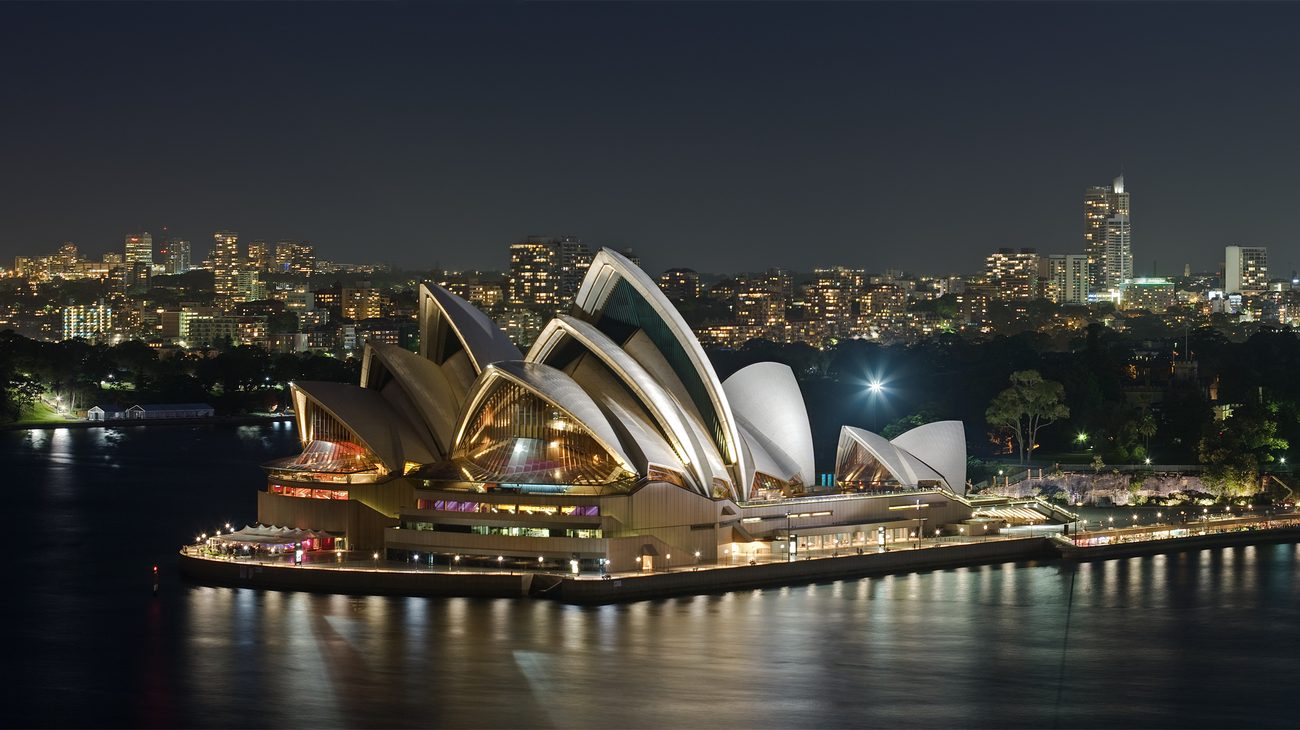
12 Best Places to Visit in Europe for First-Time Travelers According to Quora

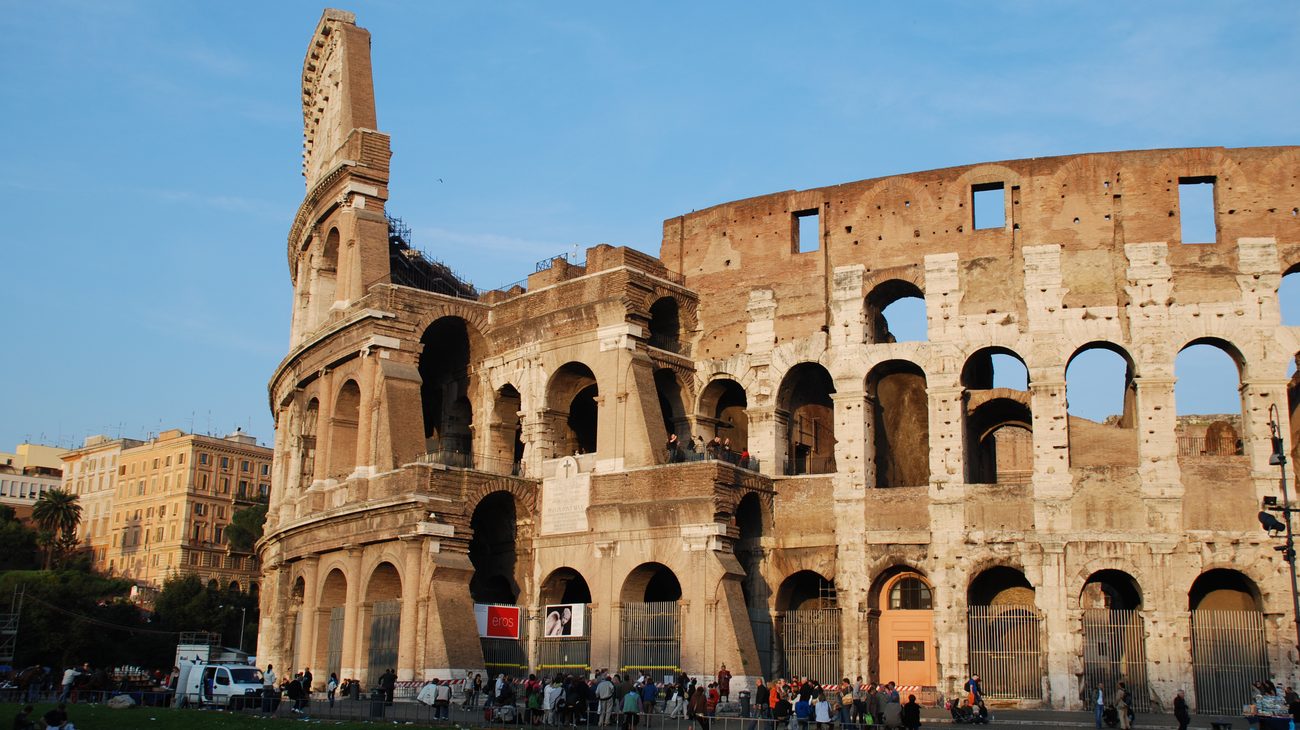
The ancient arches of Rome's Flavian Amphitheatre (The Colosseum), standing as a monument to two millennia of European civilization.
There is a moment on every first-time European journey when the weight of centuries suddenly stops being an abstract history textbook lesson and becomes physical reality under your feet. For me, it happened while crossing the Tiber River into Rome's Trastevere neighborhood at twilight. The bells of Santa Maria in Trastevere were tolling, the scent of crushed garlic, rosemary, and wood-fired pizza crust drifted from open alleyway trattorias, and I realized the weathered cobblestones I was walking on had been laid down before the Roman Empire fell.
When international travelers begin drafting their first European holiday on Quora, the most common trap is the "whirlwind blitz": trying to visit seven countries in ten days, spending more time in security lines at Charles de Gaulle or Heathrow than actually sipping espresso in a sunlit piazza.
The advice from Quora top contributors—seasoned expats, Eurail veterans, and cultural historians—is remarkably united: pick fewer destinations, connect them via Europe's magnificent high-speed rail lines, and give yourself time to wander.
If you are planning your first great European adventure, here are the 12 best places to visit in Europe that Quora travelers consistently recommend.
1. Rome & The Vatican: The Open-Air Museum of the World (Italy)
No city on earth layers human history quite like the Eternal City. In Rome, modern Vespas buzz past two-thousand-year-old temples, baroque marble fountains bubble in cobblestone piazzas, and ancient ruins serve as casual roundabout decorations.
Stand inside the Colosseum, imagining the roar of 50,000 spectators as gladiators fought on the sands below. Walk the paved basalt stones of the Roman Forum where Julius Caesar walked, throw a coin into the roaring waters of the Trevi Fountain to ensure your return to Rome, and marvel at the unreinforced concrete dome of the Pantheon, standing completely intact since 125 AD. Across the river lies Vatican City, housing the treasures of the Vatican Museums and Michelangelo’s transcendent frescoes inside the Sistine Chapel.
- Quora Traveler Wisdom: Rome is best explored early in the morning. Quora locals advise visiting the Trevi Fountain and Spanish Steps at 6:30 AM before the tour groups arrive. In the evening, cross the river to Trastevere for authentic Roman pasta—order classic Cacio e Pepe or Rigatoni all'Amatriciana at family-run joints like Da Enzo al 29.
- Hydration Tip: Don't waste money buying bottled water; drink from Rome's hundreds of nasoni (historic curved iron drinking fountains) flowing continuously with ice-cold alpine aquifer water for free.
2. Paris: The City of Light & Art (France)
Despite being one of the most visited cities on earth, Paris effortlessly lives up to its romantic reputation if you explore it with curiosity. The grand haussmannian boulevards, zinc rooftops, and iron balconies create an architectural harmony unmatched by any other metropolis.
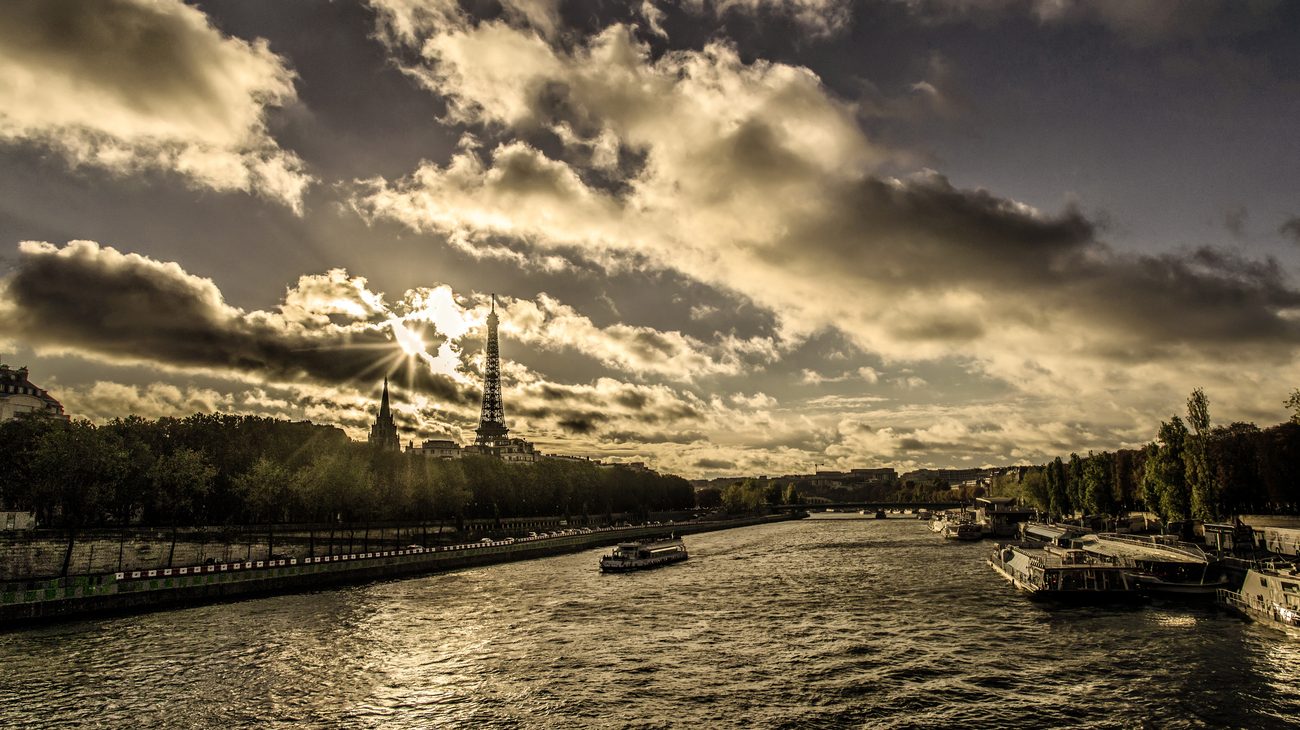
Picnic on crusty baguettes, aged Comté cheese, and strawberries on the grassy lawns of the Champ de Mars as the Eiffel Tower begins its hourly sparkling light display after dark. Spend a morning admiring the Mona Lisa and the Winged Victory of Samothrace in the colossal halls of the Louvre, or opt for the more intimate impressionist masterpieces of Monet and Van Gogh inside the former railway station of the Musée d’Orsay.
- Quora Traveler Wisdom: Skip the hour-long lines to climb the Eiffel Tower. For the finest panoramic view of Paris (which actually includes the Eiffel Tower in the frame), go to the open-air rooftop terrace of the Montparnasse Tower or the free rooftop deck of the Galeries Lafayette department store.
- Neighborhood Walk: Spend an afternoon getting lost in the narrow winding alleys of Le Marais or climbing the cobblestones of Montmartre to the white domes of the Sacré-Cœur basilica.
3. London: Royalty, The West End & World Museums (United Kingdom)
Bustling, diverse, and steeped in royal tradition, London is the most effortless European gateway for first-time travelers due to language and ease of navigation. Its juxtaposition of centuries-old royal landmarks and cutting-edge contemporary culture is endlessly thrilling.
Watch the Changing of the Guard outside Buckingham Palace, inspect the Crown Jewels inside the thousand-year-old stone walls of the Tower of London, and cross the iconic Victorian drawbridge of Tower Bridge. London's greatest gift to travelers is that its finest national museums—including the British Museum, the Victoria and Albert Museum, and the Tate Modern—are completely free to enter.
- Quora Traveler Wisdom: Download Citymapper or use your contactless bank card to tap directly into the London Underground ("The Tube"). Take the iconic red double-decker bus Route 11 or Route 24, which snake past Westminster Abbey, Trafalgar Square, and the Houses of Parliament for just £1.75!
- Evening Plan: Catch a world-class theatrical production in London's West End, followed by a pint of cask ale in a historic wooden pub like The Blackfriar or Ye Olde Cheshire Cheese.
4. Amsterdam: Canals, Art & Cycling Freedom (Netherlands)
With more than 100 kilometers of historic concentric canal rings, 1,500 bridges, and more bicycles than human residents, Amsterdam is one of the most relaxed, charming capitals in Europe. Its UNESCO-listed 17th-century canal ring is lined with leaning gabled brick merchant mansions that transport you straight into the Dutch Golden Age.
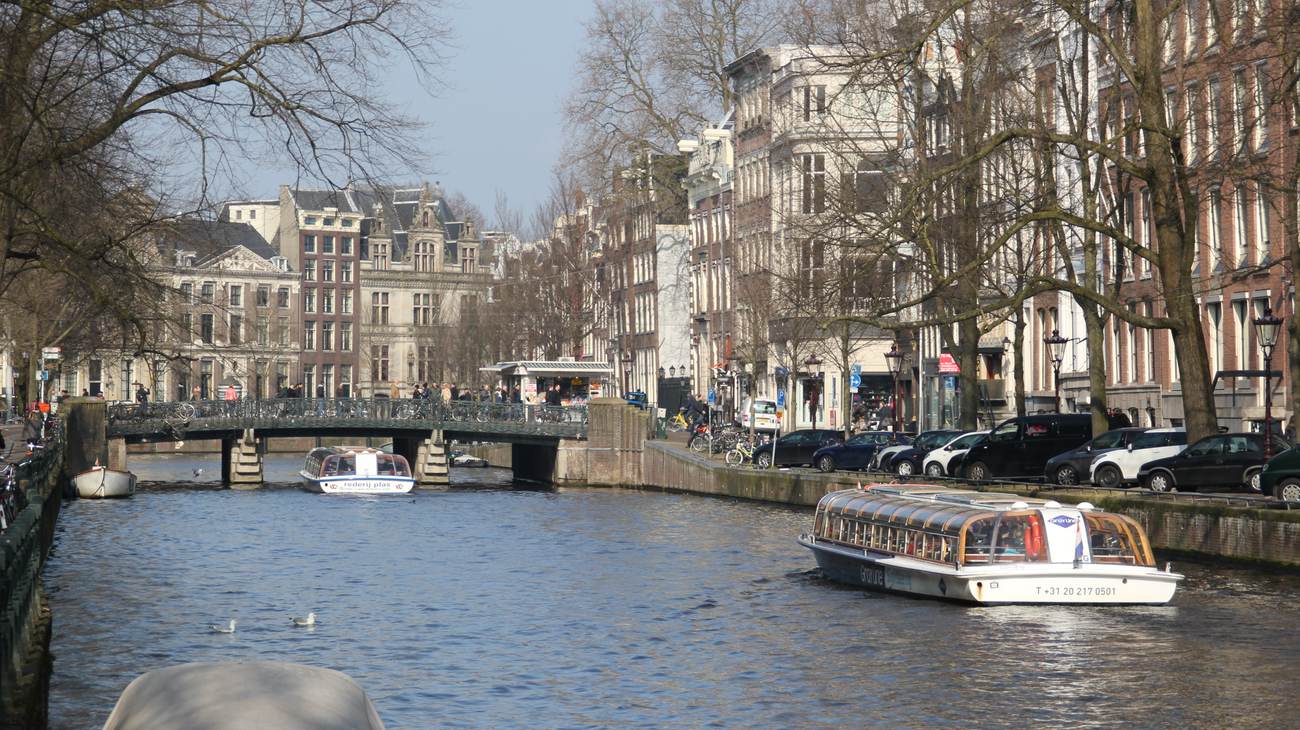
Hop aboard an open-top wooden electric boat to cruise the tranquil canals, then explore the Museumplein—home to the Rijksmuseum (showcasing Rembrandt’s colossal Night Watch) and the Van Gogh Museum. Walk quietly through the moving, preserved secret annex at the Anne Frank House, and spend your afternoons wandering through the picturesque boutique-filled lanes of the Jordaan district.
- Quora Traveler Wisdom: Watch out for bike lanes! In Amsterdam, cyclists have the de facto right-of-way and travel quickly; never step into red-paved lanes without looking both ways. If you rent a bicycle, practice in the peaceful expanses of Vondelpark before braving busy city street intersections.
- Snack Attack: Try hot Dutch stroopwafels freshly pressed with warm caramel syrup at the Albert Cuyp Market.
5. Barcelona: Gaudí’s Modernisme & Mediterranean Soul (Spain)
Perched on the sunny shores of the Mediterranean, Barcelona is a sensory festival of whimsical architecture, vibrant food markets, and late-night tapas culture. It is the showcase city of master architect Antoni Gaudí, whose nature-inspired Modernisme style transformed the city’s skyline.
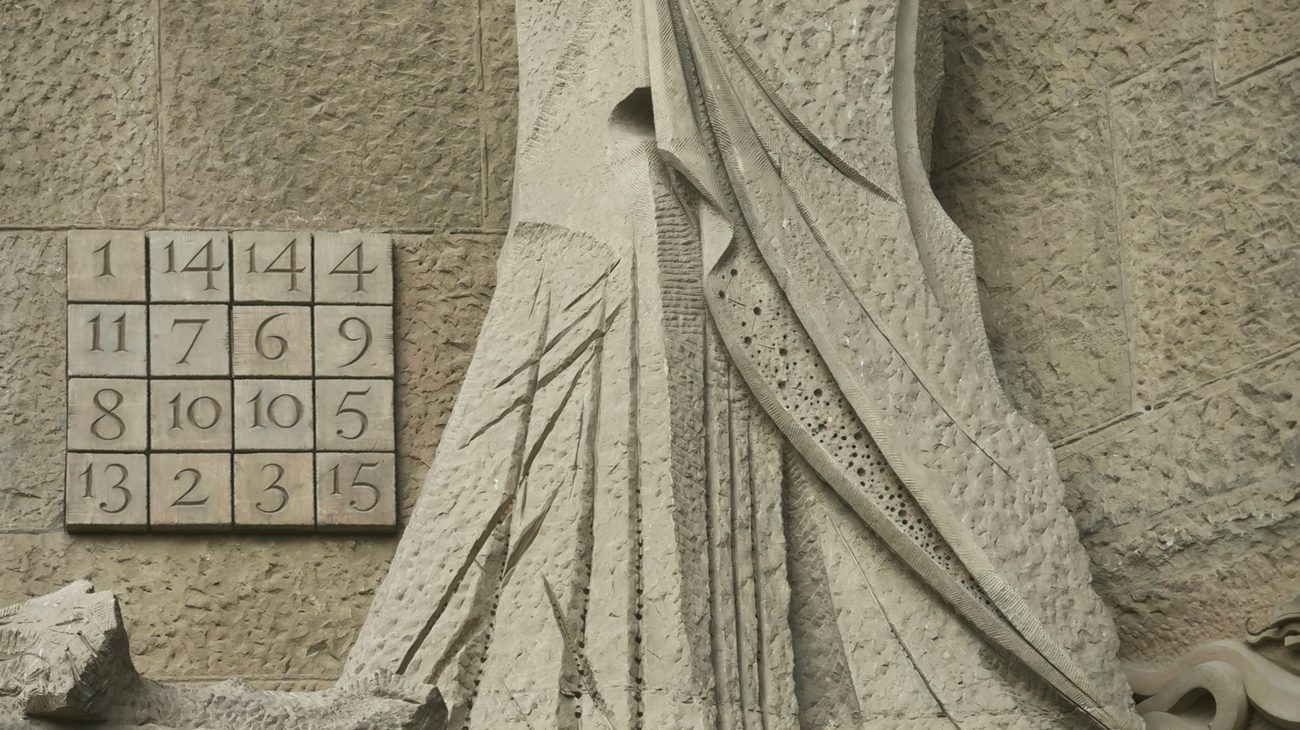
The defining highlight is the Basílica de la Sagrada Família, Gaudí’s unfinished masterpiece under construction since 1882. Stepping inside is like entering a psychedelic stone forest, where soaring fluted columns branch like trees beneath stained-glass windows that flood the nave with electric orange, azure, and crimson light. Stroll down the tree-lined pedestrian spine of La Rambla, graze on jamón ibérico and fresh seafood cones at the Mercat de la Boqueria, and wander the shadowy medieval alleys of the Gothic Quarter (Barri Gòtic).
- Quora Traveler Wisdom: Spain operates on a late clock. Lunch is eaten between 2:00 PM and 4:00 PM, and dinner rarely starts before 9:00 PM or 10:00 PM. If you show up at a reputable tapas bar at 6:30 PM, the kitchen will likely be closed.
- Safety Alert: Barcelona’s central tourist streets have high rates of non-violent pickpocketing. Keep your phone and wallet in zippered front pockets or a secure crossbody bag.
6. Prague: The Fairy-Tale City of a Hundred Spires (Czech Republic)
Because Prague escaped major destruction during the Second World War, its historic core remains an astonishingly intact architectural jewel box of Gothic, Renaissance, and Baroque grandeur. Wandering its winding cobbled streets feels like walking through the pages of a 19th-century storybook.
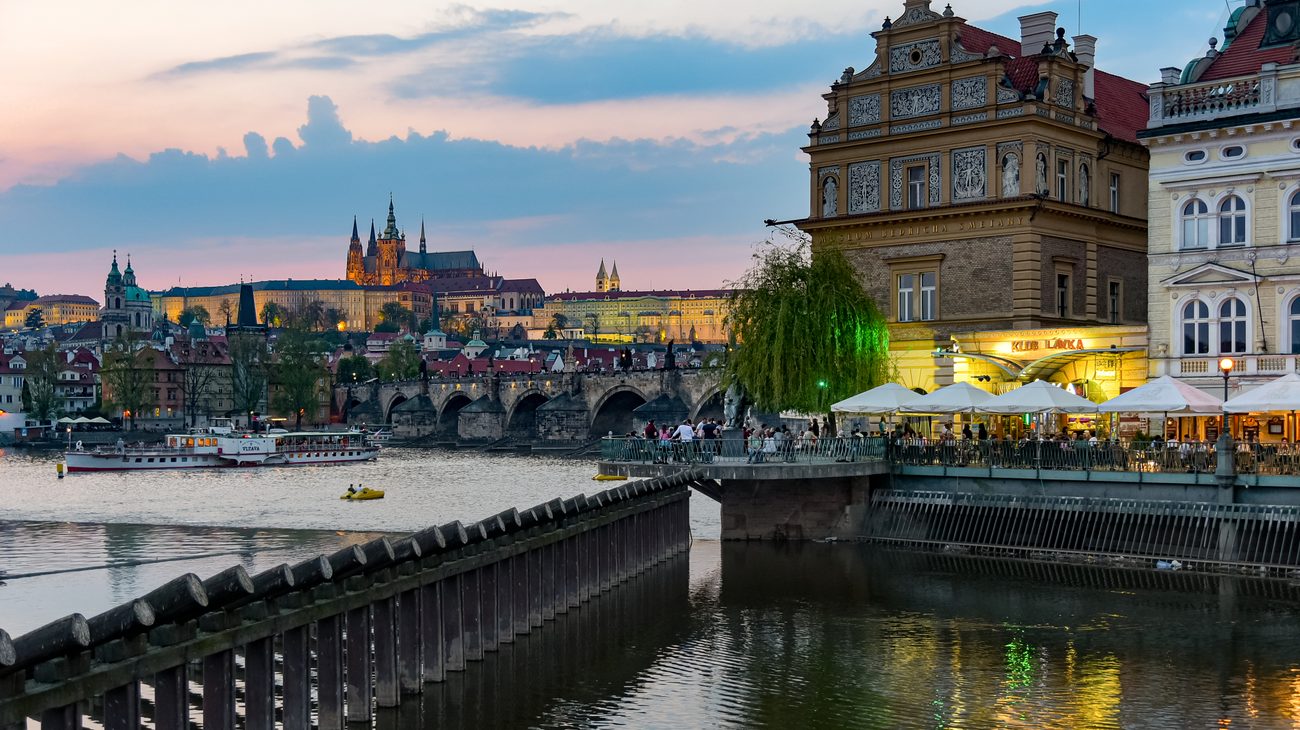
Walk across the 14th-century stone Charles Bridge at dawn, flanked by thirty blackened statues of Catholic saints, as morning mist rises off the Vltava River. Watch the mechanical procession of the Twelve Apostles on the 600-year-old Astronomical Clock in the Old Town Square, and climb the hill to the sprawling Prague Castle complex and the stained-glass splendor of St. Vitus Cathedral.
- Quora Traveler Wisdom: The Czech Republic is the beer capital of the world (consuming more beer per capita than any other nation). Order a fresh, cold draft mug of Pilsner Urquell or Kozel Černý in a traditional beer cellar like Lokál—it often costs less than bottled water!
- Timing Tip: Charles Bridge is mobbed with tourists and street portrait artists from 10:00 AM to 6:00 PM. Cross it at sunrise (6:00 AM) or late at night under the yellow gas lamps for unforgettable atmosphere.
7. Florence & The Rolling Hills of Tuscany (Italy)
As the birthplace of the Renaissance, Florence (Firenze) is a dense, walkable monument to human creativity. Under the patronage of the Medici dynasty in the 15th century, titans like Brunelleschi, Donatello, Leonardo da Vinci, and Michelangelo revolutionized art, science, and philosophy.
Gaze up at the sheer engineering brilliance of Brunelleschi’s terra-cotta dome atop the Duomo (Cathedral of Santa Maria del Fiore), view Michelangelo's flawless marble David at the Accademia Gallery, and stand before Botticelli’s Birth of Venus inside the Uffizi Gallery. Walk across the historic Ponte Vecchio, lined with glittering gold and jewelry shops, and hike up to Piazzale Michelangelo at sunset for the definitive panorama of Florence's terra-cotta rooftops.
- Quora Traveler Wisdom: Do not leave Florence without renting a car or booking a small-group day tour into the surrounding Chianti wine hills of Tuscany. Exploring medieval walled hill towns like San Gimignano (with its medieval stone skyscrapers) and sipping Chianti Classico at ancient stone farmsteads (agriturismi) is the soul of Italy.
- Food Must-Try: Split a massive, fire-grilled Bistecca alla Fiorentina (T-bone steak cooked rare over oak embers) at Trattoria Mario.
8. The Swiss Alps & Lauterbrunnen Valley (Switzerland)
For first-time travelers who want to experience the undisputed apex of alpine scenery, the Bernese Oberland in central Switzerland is unmatched. As covered in our Swiss guide, the Lauterbrunnen Valley features 72 waterfalls plunging from 1,000-meter sheer cliffs above car-free villages like Mürren and Wengen, framed by the snowy massifs of the Eiger, Mönch, and Jungfrau.
Boarding clean, panoramic Swiss trains that wind past emerald lakes and cogwheel railways that ascend into alpine glaciers offers an irreplaceable contrast to Europe's bustling metropolitan capitals.
- Quora Traveler Wisdom: If your European itinerary connects Paris and Italy, take the high-speed TGV train from Paris to Switzerland, spend three days in the Lauterbrunnen/Interlaken region, and then catch the direct EuroCity train through the Alps straight into Milan and Florence.
9. Vienna: Imperial Palaces & Coffeehouse Culture (Austria)
Once the capital of the Austro-Hungarian Empire, Vienna exalts an air of aristocratic elegance and musical genius. It is the city where Mozart, Beethoven, and Freud walked the streets, characterized by grand imperial palaces, manicured parks, and ornate baroque facades along the monumental Ringstraße boulevard.
Tour the lavish 1,441-room summer residence of the Habsburg monarchs at Schönbrunn Palace, attend a classical symphony performance at the golden Musikverein, and marvel at Gustav Klimt’s golden masterpiece The Kiss inside the Belvedere Palace.
- Quora Traveler Wisdom: Embrace the historic Viennese Coffeehouse Culture (recognized by UNESCO as intangible cultural heritage). In historic grand cafés like Café Central or Café Sperl, ordering a Melange (espresso with steamed milk and foam) and a slice of rich Sachertorte chocolate cake gives you the right to sit at a marble table reading newspapers for hours without waiters ever rushing you out.
10. Edinburgh & The Scottish Highlands (Scotland)
Dramatically divided into a medieval labyrinthine Old Town and an elegant Georgian New Town, Edinburgh is one of the most atmospheric capitals in the world. Perched atop an extinct volcanic crag in the center of the city sits the formidable Edinburgh Castle, casting its shadow over the historic cobblestones of the Royal Mile.
Climb to the summit of Arthur's Seat, an ancient volcanic hill that offers sweeping 360-degree vistas across the city and the Firth of Forth. Then, embark on a day trip or road trip into the Scottish Highlands, passing through the haunting, mist-draped mountain pass of Glen Coe and the dark waters of Loch Ness.
- Quora Traveler Wisdom: Spend an evening on a historic ghost and underground vault walking tour in the Old Town. Deep beneath Edinburgh's streets lie forgotten 18th-century subterranean stone chambers that once housed tradesmen, taverns, and body-snatchers.
11. Santorini & The Greek Islands (Greece)
Rising out of the Aegean Sea like a whitewashed dream, Santorini (Thira) is the remnants of one of the largest volcanic caldera eruptions in recorded human history. Its iconic cubic white houses, blue-domed Orthodox churches, and pink bougainvillea cling precariously to 1,000-foot volcanic cliffs overlooking an azure submerged caldera.
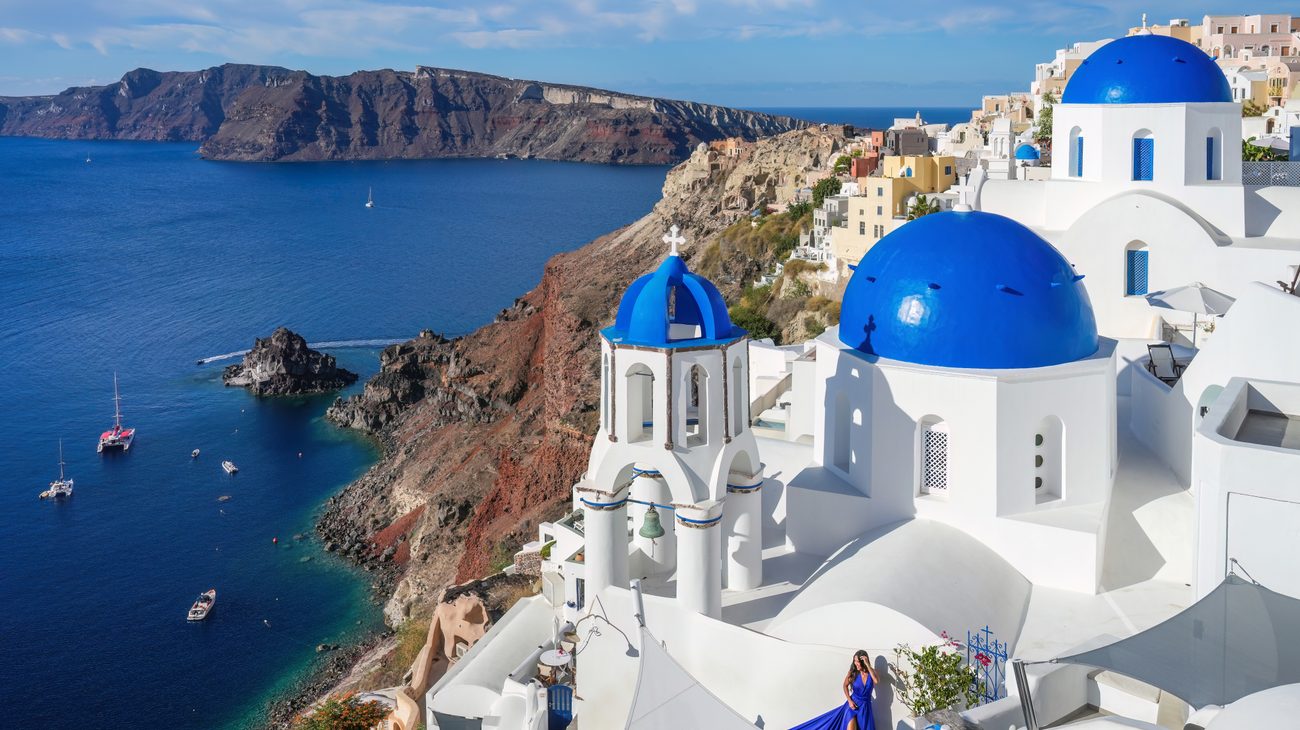
The northern village of Oia is world-renowned for its sunset, where hundreds gather along marble pathways to watch the sun melt into the Aegean Sea in shades of tangerine and violet. Hike the spectacular 6-mile coastal cliff trail from Fira to Oia, take a boat tour to swim in the volcanic sulfur hot springs of Nea Kameni, and dine on fresh grilled octopus and Greek salad at a waterside taverna in Ammoudi Bay.
- Quora Traveler Wisdom: Avoid visiting Santorini in July and August when intense heat, cruise ship crowds, and narrow alleys become stifling. Quora veterans recommend May–June or September–October, when the sea is warm, winds are pleasant, and hotel rates drop significantly.
12. Budapest: The Pearl of the Danube (Hungary)
Bisected by the mighty Danube River, Budapest is actually two distinct historic cities united into one: hilly, medieval Buda on the west bank, and flat, energetic Pest on the east. At night, when the colossal neo-Gothic Hungarian Parliament Building and the 19th-century Chain Bridge are illuminated against the dark water, it is arguably the most breathtaking river skyline in Europe.
Take the funicular up to the Fisherman's Bastion for fairy-tale turrets and sweeping Danube panoramas. During the afternoon, soak in the natural thermal mineral waters of the neo-baroque Széchenyi Thermal Baths, where locals play chess in steaming outdoor pools even in winter. In the evening, explore the city’s famous Ruin Bars (like Szimpla Kert) in the Jewish Quarter—abandoned pre-war tenement buildings transformed into eclectic, art-filled nightlife hubs.
- Quora Traveler Wisdom: Budapest is remarkably affordable compared to Western European capitals like Paris, London, or Amsterdam. You can enjoy five-star dining, historic opera performances, and boutique hotels for a fraction of the cost.
Europe First-Time Destinations: Quora Quick-Reference Table
| Destination | Country | Primary Appeal | Transit Tip | Quora Pro-Tip |
|---|---|---|---|---|
| Rome & Vatican | Italy | Colosseum, ancient history, food | Metro & Walking | Drink free cold water from street nasoni fountains. |
| Paris | France | Eiffel Tower, Louvre, romantic streets | Metro (Navigo Easy) | Rooftop of Montparnasse Tower offers best skyline views. |
| London | United Kingdom | Free world museums, West End theatre | Tube (Contactless tap) | Ride double-decker bus routes 11 or 24 for cheap sightseeing. |
| Amsterdam | Netherlands | Canals, Rijksmuseum, cycling | Tram, Walking & Boat | Watch out for red bike lanes; book Anne Frank House months ahead. |
| Barcelona | Spain | Gaudí architecture, tapas, beaches | Metro & Walking | Dinner begins after 9:00 PM; guard valuables against pickpockets. |
| Prague | Czech Republic | Charles Bridge, fairy-tale Gothic spires | Tram & Walking | Cross Charles Bridge at sunrise; try local draft Pilsner beer. |
| Florence & Tuscany | Italy | Renaissance art, Uffizi, Chianti wine | Walking | Combine with day trip to Chianti hills and San Gimignano. |
| Swiss Alps | Switzerland | Lauterbrunnen waterfalls, mountain rail | SBB Swiss Travel Pass | Connects seamlessly by high-speed train between Paris and Italy. |
| Vienna | Austria | Imperial palaces, classical music | U-Bahn & Trams | Spend unhurried hours in historic traditional coffeehouses. |
| Edinburgh | Scotland | Royal Mile castle, ghost vaults, Highlands | Walking & ScotRail | Hike Arthur's Seat for sweeping 360-degree city panoramas. |
| Santorini | Greece | Whitewashed caldera, blue domes, sunsets | Ferries / Flights | Visit in May–June or Sept–Oct to avoid brutal summer crowds. |
| Budapest | Hungary | Parliament, thermal baths, ruin bars | Tram 2 along Danube | Soak in Széchenyi Thermal Baths; explore Szimpla Kert ruin bar. |
4 Essential Rules for First-Time European Travel
- Travel by Train Between Cities (Skip Budget Airlines): While flights on Ryanair or EasyJet can look deceptively cheap (£25), when you factor in traveling 90 minutes to remote suburban airports, strict baggage fees, and security lines, high-speed trains (like Eurostar, TGV, Frecciarossa, or ICE) are faster, vastly more comfortable, drop you directly in city centers, and have zero luggage weight limits.
- Pre-Book Major Monuments Months in Advance: In 2027, spontaneous travel for major European landmarks no longer exists. Tickets for the Colosseum, Vatican Museums, Anne Frank House, Sagrada Família, and the Eiffel Tower routinely sell out 2 to 3 months ahead online.
- Carry Two Contactless Credit Cards with No Foreign Transaction Fees: Most European capitals are virtually cashless. Ensure your bank cards have zero foreign transaction fees, and when card terminals ask whether to charge you in your home currency or local currency (Euros/Pounds), always choose local currency to avoid predatory dynamic currency conversion (DCC) markups.
- Learn Basic Local Courtesies: A pleasant experience in Europe begins with small respect. Always greet shopkeepers when walking into a French store ("Bonjour Madame/Monsieur"), ask politely if someone speaks English before launching into rapid sentences, and dress modestly (shoulders and knees covered) when visiting churches and basilicas in Italy and Spain.
Frequently Asked Questions (FAQ)
What is the ideal length of time for a first trip to Europe?
A 10 to 14-day trip is the sweet spot for a first European journey. This allows you to explore two to three major cities (for example: London + Paris, or Rome + Florence + Venice, or Amsterdam + Paris) with 3 to 4 nights in each, avoiding burnout.
Should I buy a Eurail Global Pass or point-to-point train tickets?
If your itinerary is fixed and you book 2 to 3 months in advance, point-to-point tickets on national rail websites (like SNCF, Trenitalia, or SBB) are usually cheaper. If you want maximum flexibility to hop on trains spontaneously, or are traveling across multiple countries over a month, a Eurail Pass can provide convenience and savings.
When is the best season to visit Europe?
The shoulder seasons—May to early June and September to mid-October—offer the finest balance of warm, sunny weather, open attractions, and manageable crowds compared to the sweltering heat and massive cruise crowds of July and August.
How easy is it to get around if I only speak English?
Very easy! In almost all major European tourist hubs, transport hubs, hotels, and restaurants, English is widely spoken by staff. Using smartphone translation apps (like Google Translate with offline language packs) makes navigating foreign street signs and restaurant menus effortless.
Discover More Inspiring Global Travel Guides:
- 15 Most Beautiful Places in Switzerland That Travelers Recommend on Quora
- 12 Most Beautiful Places to Visit in Iceland According to Quora
- 15 Best Places to Visit in the USA for First-Time Travelers According to Quora
- 15 Best Places to Visit in Canada According to Quora
- 15 Best Places to Visit in Alaska According to Quora: A Wilderness Guide
This article is for informational purposes. Flight routes, passenger regulations, visa rules, and transit advisories are subject to change by airlines and aviation authorities. Readers are advised to verify schedules and travel documentation with relevant carriers and border agencies before departure.
Related Stories

15 Best Places to Visit in the USA for First-Time Travelers According to Quora
15 Best Places to Visit in India That International Travelers Should Know About