15 Best Places to Visit in India That International Travelers Should Know About

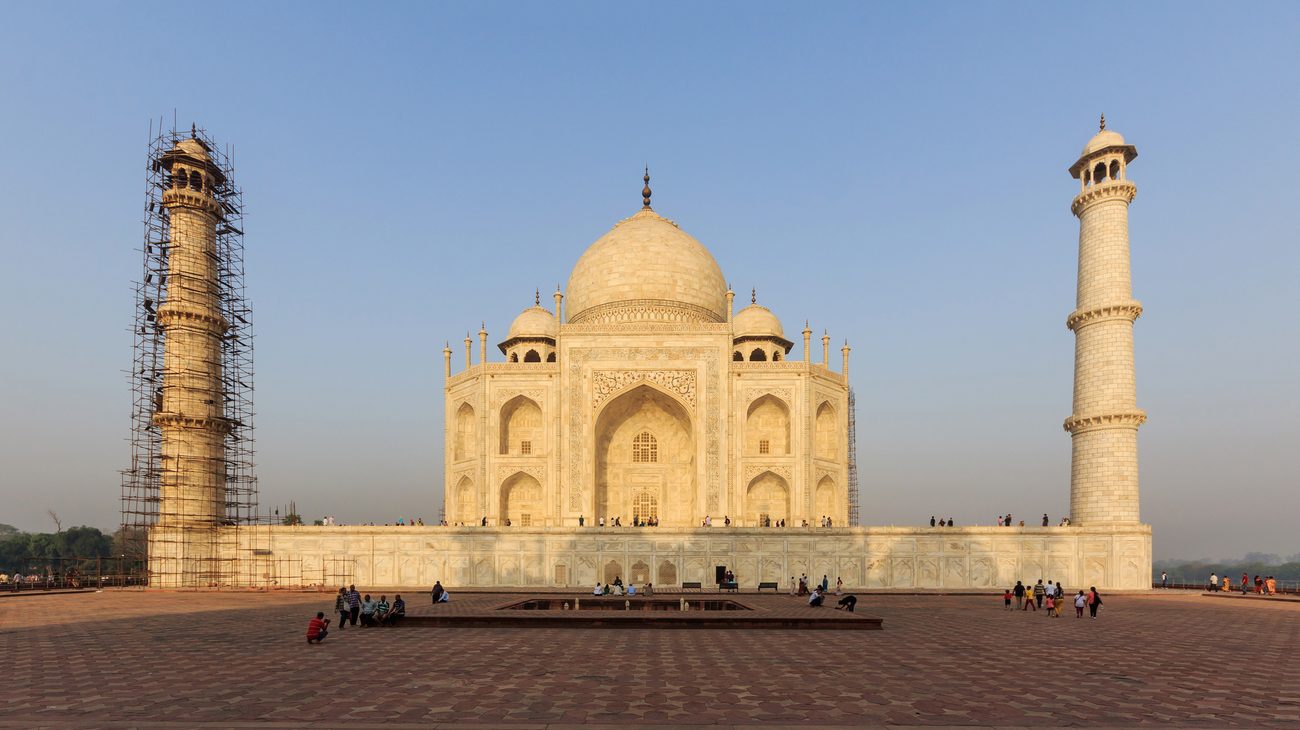
The pristine white Makrana marble of the Taj Mahal catching the soft golden morning light over the Yamuna River in Agra.
There is a famous proverb often quoted by seasoned globetrotters on Quora: "India will challenge every sensory preconception you have ever held, dismantle your internal timetable, and gift you moments of profound wonder that you will carry for the rest of your life."
I still remember my first evening arriving along the stone ghats of Varanasi. Stepping through a labyrinth of thousand-year-old cobblestone alleyways perfumed with ground cardamom, burning camphor, and blooming jasmine, I emerged at Dashashwamedh Ghat. The sun was dipping below the horizon, bathing the wide curve of Mother Ganga in liquid copper. Seven young Hindu priests in silk dhotis lifted multi-tiered brass oil lamps into the night sky, their synchronized movements accompanied by the thunderous cadence of bronze bells, blowing conch shells, and rhythmic Sanskrit chants. Little earthen oil lamps (diyas) nestled in marigold petals floated by the hundreds on the dark water, like fallen constellations drifting toward eternity.
When foreign travelers post on Quora asking "Is India overwhelming for first-timers?" or "Where should I go beyond the standard tour bus circuit?", the collective consensus is remarkably nuanced. India is not a country you casually tour; it is a kaleidoscopic subcontinent of 28 states, hundreds of dialects, ancient philosophical traditions, and staggering geographical contrasts—from snow-crowned Himalayan passes to palm-fringed tropical lagoons.
To help you navigate this exhilarating subcontinent with confidence, curiosity, and cultural sensitivity, here are the 15 best places to visit in India that international travelers should know about according to Quora.
1. The Taj Mahal & Agra, Uttar Pradesh
No matter how many postcards or glossy coffee-table books you have seen, nothing prepares you for the physical presence of the Taj Mahal. Commissioned in 1631 by Mughal Emperor Shah Jahan as a mausoleum for his beloved wife Mumtaz Mahal, it took 22 years and over 20,000 artisans to complete using luminous Makrana marble inlaid with semi-precious lapis lazuli, jade, turquoise, and mother-of-pearl.
- My Firsthand Experience: Arrive at the East Gate at 5:30 AM before the gates swing open. Walking through the imposing red sandstone Great Gate (Darwaza-i rauza), the pure white dome appears framed perfectly in the archway, glowing with a soft, ethereal lavender-pink hue in the dawn mist. As the morning sun warms the stone, the intricate floral pietra dura inlay catches the light like dew on flower petals.
- Quora Community Tip: Cross the Yamuna River in the late afternoon to the Mehtab Bagh (Moonlight Garden). Watching the rear facade of the monument reflect in the still river waters without crowds is transcendental. Remember that the Taj Mahal is closed to tourists every Friday.
- Best Time to Visit: October to March, when northern India enjoys crisp, pleasant daytime weather.
2. Jaipur: The Pink City & The Golden Triangle, Rajasthan
Jaipur, the capital of Rajasthan, was founded in 1727 by Maharaja Sawai Jai Singh II and painted terracotta pink in 1876 to welcome Prince Albert of Britain. Anchoring the classic "Golden Triangle" tourist circuit alongside Delhi and Agra, Jaipur is a riot of royal splendor, bustling artisan bazaars, and hilltop Rajput citadels.
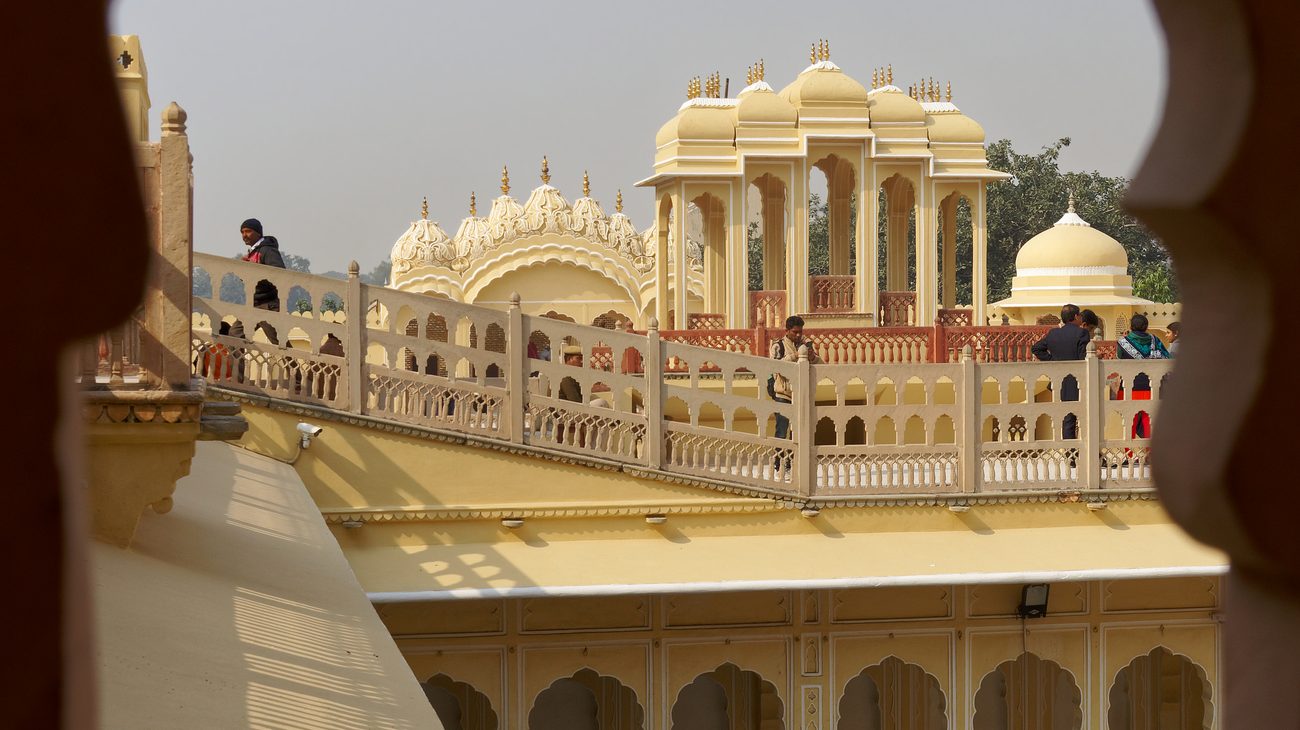
- My Firsthand Experience: Standing before the iconic Hawa Mahal (Palace of Winds), you gaze up at 953 delicately carved jharokhas (casements) designed so royal women could observe bustling street festivals below without violating the custom of purdah. Later, climbing up to the massive ramparts of Amber Fort (Amer), taking in the Sheesh Mahal (Mirror Palace) where a single candle reflects infinitely across tens of thousands of convex mirrors, you feel transported into the Arabian Nights.
- Quora Community Tip: Grab a seat on the rooftop terrace of Wind View Café directly across from Hawa Mahal for a mid-morning masala chai and unobstructed photography. Skip the controversial elephant rides up to Amber Fort and opt for the eco-friendly electric jeep or an exhilarating 15-minute uphill stone walk.
- Best Time to Visit: November to February for mild desert breezes and vibrant cultural festivals like the Jaipur Literature Festival.
3. Varanasi: The Spiritual Capital on the Ganges, Uttar Pradesh
Considered one of the oldest continually inhabited cities in the world (with over 3,000 years of recorded history), Varanasi (Kashi or Benares) is the spiritual epicenter of Hinduism. Situated along the crescent curve of the sacred River Ganges, it is a city where life, philosophy, ritual, and mortality exist side by side in total transparency.
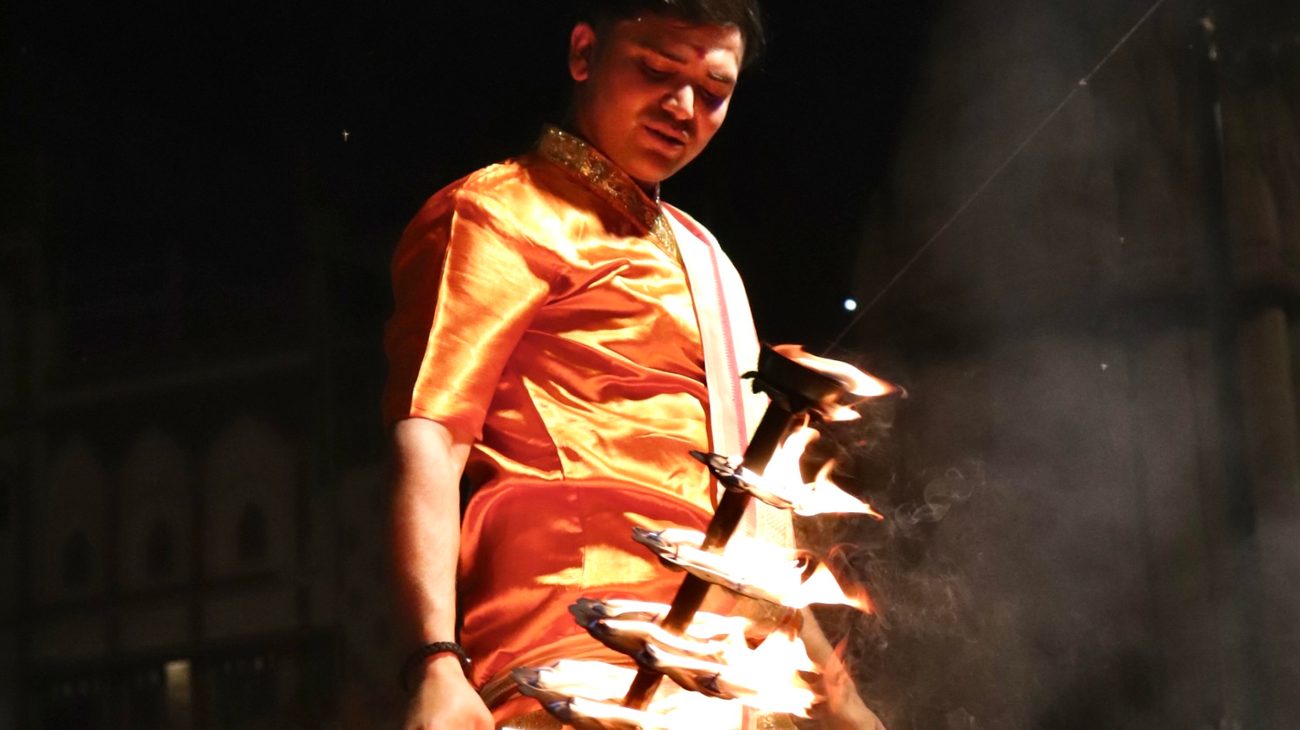
- My Firsthand Experience: Take a wooden rowing boat onto the Ganges at 5:30 AM before sunrise. Watching thousands of pilgrims perform morning ablutions (snana) and solar prayers at Assi and Dashashwamedh Ghats as smoke curls gently from the sacred cremation fires of Manikarnika Ghat is an unforgettable, humbling meditation on the cycle of life. In the evening, the Ganga Aarti ceremony fills the air with the resonance of cymbals, conch shells, and soaring chants.
- Quora Community Tip: Exercise utmost respect at Manikarnika and Harishchandra burning ghats—photography is strictly prohibited and disrespectful to grieving families. Book a local walking tour through the narrow galis (alleys) to taste authentic malaiyo (saffron milk foam available in winter) and thick Varanasi lassi served in traditional disposable terracotta clay cups (kulhad).
- Best Time to Visit: November to March for cool weather and clear morning skies.
4. The Kerala Backwaters & Alleppey / Munnar, Kerala
Down in southwestern India, "God's Own Country" offers the ultimate antidote to the frenetic pace of northern city life. The Kerala Backwaters are a tranquil labyrinth of over 900 kilometers of brackish lagoons, palm-shaded canals, and freshwater rivers fringed by emerald paddy fields and sleepy fishing villages.
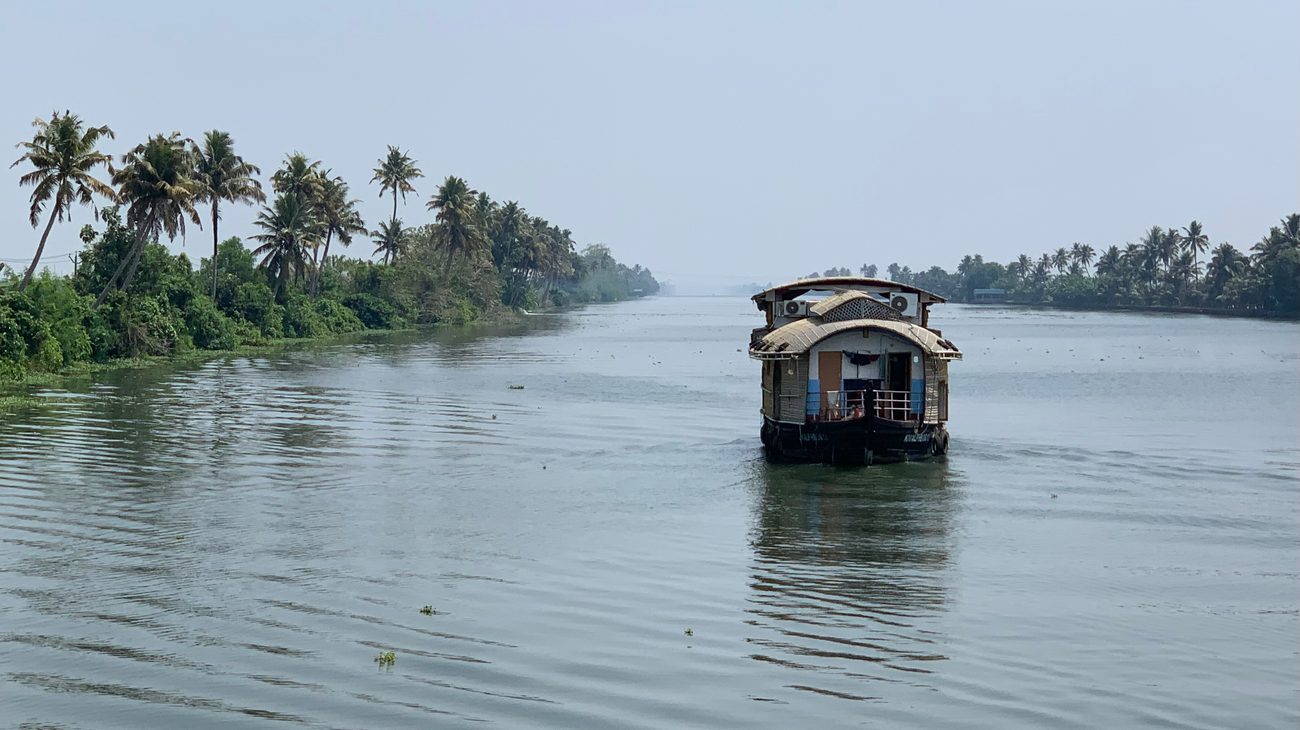
- My Firsthand Experience: Hiring a traditional wooden kettuvallam (a converted cargo boat crafted with anjili wood and thatched coir roof) for an overnight cruise out of Alleppey (Alappuzha) is pure bliss. Drifting silently past women washing clothes on stone steps, children paddling canoes to school, and kingfishers diving into hyacinth-carpeted water, you dine on freshly caught Pearl Spot fish (karimeen pollichathu) cooked in banana leaves with rich coconut milk.
- Quora Community Tip: Pair your backwater cruise with a 4-hour drive up into the Western Ghats to Munnar, where emerald green manicured tea estates blanket undulating misty hills at 1,600 meters elevation.
- Best Time to Visit: September to March for dry, balmy tropical weather.
5. Udaipur: The City of Lakes & White Marble Palaces, Rajasthan
Dubbed the "Venice of the East," Udaipur is widely regarded on Quora as India's most romantic destination. Cradled by the ancient Aravalli Hills and centered around the shimmering waters of Lake Pichola, Udaipur replaces defensive desert forts with whitewashed palaces, marble havelis, and tranquil lakeside ghats.
- My Firsthand Experience: Touring the colossal City Palace, the largest palace complex in Rajasthan, reveals courtyards adorned with brilliant peacock mosaics, colored glass stained windows, and sweeping views over Lake Pichola. Taking an evening boat ride around the floating white marble island of Jag Niwas (now the iconic Taj Lake Palace) as the sunset turns the lake gold and the palace walls illuminate with amber lanterns is unforgettable.
- Quora Community Tip: Have dinner at a rooftop lake-facing restaurant in the Chandpole or Lal Ghat neighborhood. Savoring traditional Rajasthani Dal Baati Churma with ghee while the illuminated City Palace reflects in the dark lake is pure magic.
- Best Time to Visit: October to March.
6. Ladakh: The High-Altitude Himalayan Desert, Jammu & Kashmir
Perched at elevations exceeding 3,500 meters between the Karakoram and Great Himalaya ranges, Ladakh ("Land of High Passes") feels culturally and geographically closer to Tibet. It is a surreal expanse of barren moonscapes, snow-capped peaks, high-altitude alpine lakes, and ancient Tibetan Buddhist gompas clinging precariously to sheer cliff walls.
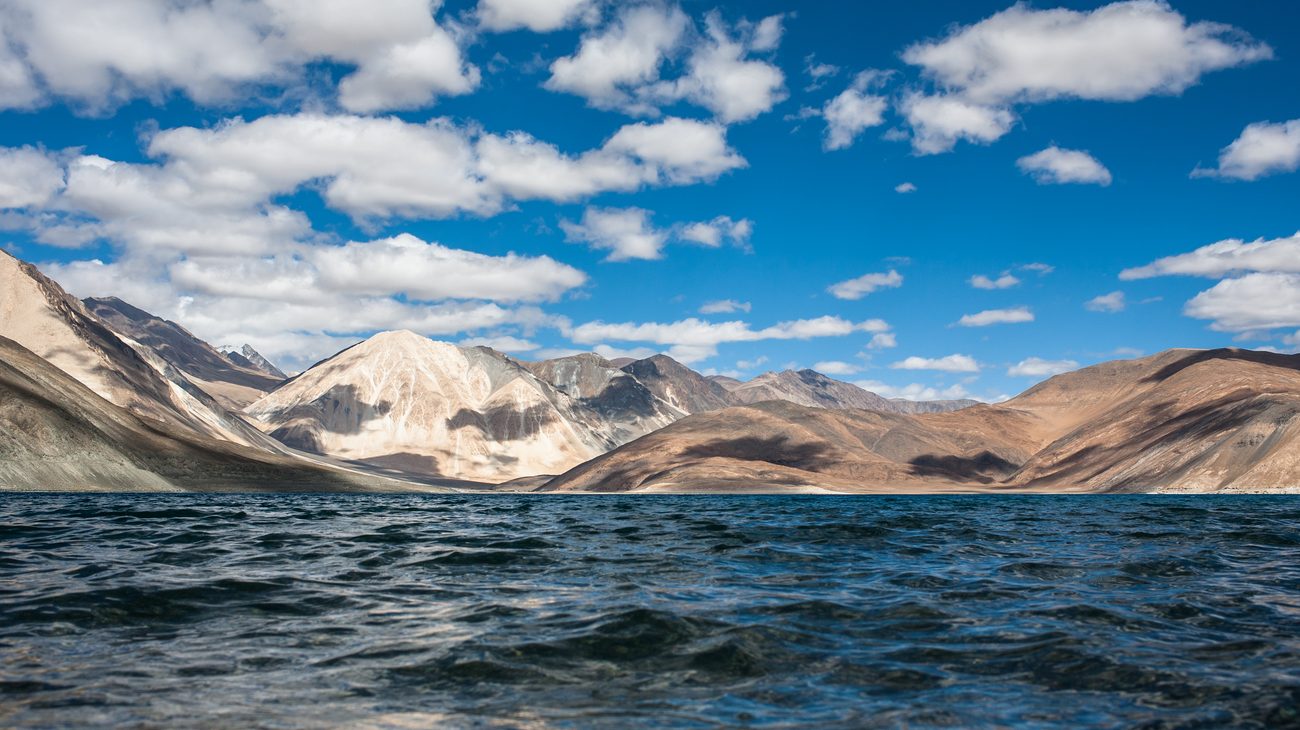
- My Firsthand Experience: Driving over Khardung La (one of the world's highest motorable passes at 5,359 meters) brings you into the sweeping Nubra Valley, where Bactrian double-humped camels roam white sand dunes framed by glaciated summits. But nothing matches your first glimpse of Pangong Tso—an endorheic lake stretching 134 kilometers across India into Tibet. The water shifts through seven distinct shades of electric sapphire, cobalt, and turquoise, framed by raw brown mountains under an impossibly pure sky.
- Quora Community Tip: Acute Mountain Sickness (AMS) is real. Fly into Leh (3,500m) and do absolutely nothing strenuous for your first 48 hours. Drink copious amounts of water, avoid alcohol, and consult your doctor about Diamox (acetazolamide). International tourists require an Inner Line Permit (ILP) to visit Nubra Valley, Pangong, and Tso Moriri.
- Best Time to Visit: June to September, when mountain passes are open, snow has cleared from roads, and monasteries host colorful masked Cham dance festivals.
7. Amritsar & The Golden Temple (Sri Harmandir Sahib), Punjab
Located near the Pakistani border in the agricultural heartland of Punjab, Amritsar is the spiritual and cultural capital of Sikhism. The city revolves around the magnificent Sri Harmandir Sahib, universally known as the Golden Temple—a radiant gilded sanctuary resting in the center of the sacred pool of nectar (Amrit Sarovar).
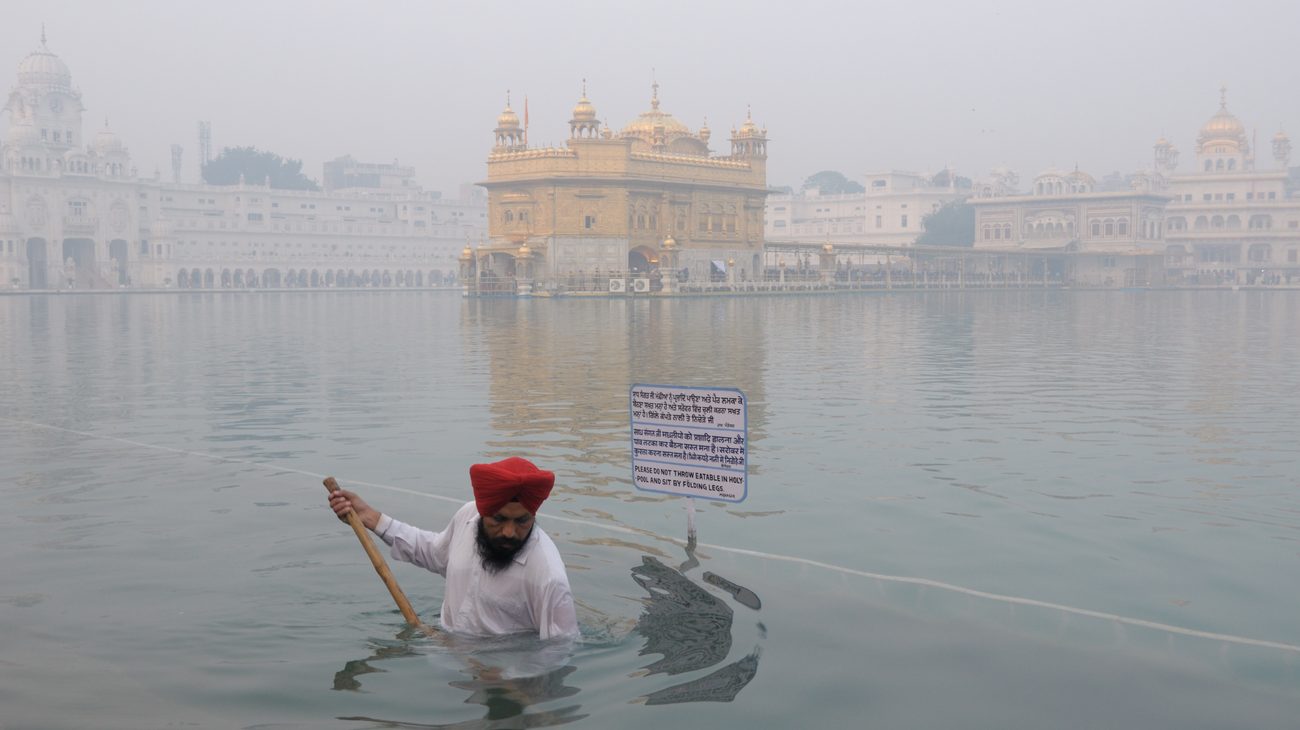
- My Firsthand Experience: The atmosphere inside the Golden Temple complex is one of profound, egalitarian welcome. Regardless of religion, caste, gender, or nationality, everyone covers their head, removes their shoes, washes their feet, and enters freely. Walking along the marble causeway beneath the 24-karat gold-plated dome while classical Sikh hymns (Gurbani Kirtan) resonate across the water at twilight is deeply moving.
- Quora Community Tip: Do not miss the Guru ka Langar—the world's largest community free kitchen. Run entirely by volunteers (sevadars), it serves over 100,000 hot, vegetarian meals (fresh rotis, dal, and kheer) every single day to all visitors who sit side by side on floor mats. You can volunteer to roll dough or wash dishes; it is a heartwarming experience in selfless service.
- Best Time to Visit: October to March. Pair your trip with an afternoon trip to the Wagah Border to watch the theatrical, high-kicking border closing ceremony.
8. Hampi: The Ruins of Vijayanagara, Karnataka
Hidden in the dry interior of Karnataka, Hampi is a surreal UNESCO World Heritage landscape where hundreds of 14th-century temple ruins, royal pavilions, and monolithic statues lie scattered across a bizarre landscape of giant rounded granite boulders, emerald banana plantations, and the lazy Tungabhadra River.
- My Firsthand Experience: At its peak in 1500 AD, Vijayanagara was the second-largest city in the medieval world after Beijing. Renting a bicycle or an electric scooter, you pedal past the monumental stone chariot inside the Vittala Temple complex, where delicately carved musical pillars ring with distinct melodic tones when gently tapped. Hiking up Matanga Hill for sunrise reveals a panoramic view of endless boulder-strewn hills and temple gopurams emerging from morning mist.
- Quora Community Tip: Take a tiny traditional circular basket boat (coracle) across the Tungabhadra River to the "hippie side" (Anegundi) for relaxed café culture, organic thalis, and bouldering retreats.
- Best Time to Visit: November to February when daytime heat is manageable.
9. Goa: Portuguese Heritage, Spice Plantations, & Peaceful South Coast
Far beyond its reputation as a party hub, Goa is a unique cultural crossroad shaped by 450 years of Portuguese colonial rule. It offers a laid-back lifestyle characterized by susegad—a Goan concept reflecting a relaxed, contented approach to life.
- My Firsthand Experience: In Old Goa (Velha Goa), the monumental Baroque facade of the Basilica of Bom Jesus houses the sacred relics of St. Francis Xavier, while the nearby Sé Cathedral displays soaring Portuguese-Manueline architecture. Escape the crowded tourist beaches of the north and head south to Palolem, Agonda, and Cola Beach, where curved golden sand coves are sheltered by coconut groves, and beachfront shacks serve fiery prawn balchão and freshly baked Goan poee bread.
- Quora Community Tip: Take a guided tour through an organic spice plantation in Ponda, walking through fragrant groves of black pepper, cardamom, vanilla, and nutmeg, finished with a traditional Goan buffet served on fresh banana leaves.
- Best Time to Visit: November to March for sunny beach weather, pleasant sea breezes, and open beach shacks.
10. Rishikesh & The Himalayan Foothills, Uttarakhand
Nestled where the emerald green waters of the Ganges rush out of the steep Himalayan foothills into the northern plains, Rishikesh is revered globally as the "Yoga Capital of the World." Made famous in the West when The Beatles visited Maharishi Mahesh Yogi's ashram in 1968, it remains a haven for spiritual seekers, meditators, and adventure travelers.
- My Firsthand Experience: Crossing the iconic suspension footbridges of Laxman Jhula and Ram Jhula, with mountain breezes blowing and temple bells echoing from multi-story riverside ashrams, there is an unmistakable serenity. In the evening at Parmarth Niketan, joining the sunset Ganga Aarti on the marble steps alongside international yogis singing bhajans creates an extraordinary sense of community.
- Quora Community Tip: Beyond meditation, Rishikesh is India's premier adventure sports capital. You can enjoy world-class white-water rafting through Class III and IV rapids on the Ganges, cliff jumping, and scenic day hikes to the Neer Garh waterfalls.
- Best Time to Visit: September to November and March to May.
11. Jodhpur: The Blue City & Mehrangarh Fort, Rajasthan
Rising abruptly from the edge of the Thar Desert, Jodhpur is celebrated for its dense sea of indigo-blue cubic houses stretching beneath one of India's most colossal and formidable military citadels: Mehrangarh Fort.
- My Firsthand Experience: Perched on a 125-meter perpendicular cliff, Mehrangarh Fort is breathtaking. Walking through its seven massive iron gates—where cannonball indentations from 19th-century battles are still visible—you enter palatial galleries housing royal palanquins, bejeweled weaponry, and intricate filigree sandstone lattice screens. Looking down from the ramparts at the sea of blue houses painted by Brahmin families to deflect desert heat and ward off mosquitoes is a photographer's dream.
- Quora Community Tip: For thrill-seekers, book the Flying Fox zipline tour inside the fort ramparts, gliding over desert lakes, defensive battlements, and chasm walls with sweeping city vistas.
- Best Time to Visit: October to March.
12. Ranthambore National Park, Rajasthan
For wildlife enthusiasts, seeing a wild Royal Bengal tiger prowling through the jungle is the ultimate dream. Ranthambore National Park, once the private hunting preserve of the Maharajas of Jaipur, is widely recognized by Quora wildlife travelers as one of the best and most accessible places in the world to observe tigers in their natural habitat.
- My Firsthand Experience: Cruising in an open-topped safari jeep (Gypsy) through dry deciduous forest at dawn, our guide suddenly halted the vehicle. Through the golden morning dust, a magnificent female Bengal tiger emerged silently from the teak brush, walking leisurely along the dirt track mere meters from our vehicle, before resting beneath the crumbling arches of an ancient 10th-century stone fortress. The juxtaposition of wild apex predators and ancient ruins is unique to Ranthambore.
- Quora Community Tip: Safari permits open months in advance via the official Rajasthan Forest Department portal and sell out instantly. Book at least 3 to 4 game drives across different zones (Zones 1 through 5 are historically favored) to maximize sighting probabilities.
- Best Time to Visit: October to April. The park is closed during the monsoon season (July through September).
13. Darjeeling & Sikkim: Himalayan Vistas & Tea Estates, Eastern Himalayas
Perched at 2,050 meters in the northern hills of West Bengal, Darjeeling is surrounded by manicured emerald tea plantations producing the world's most aromatic "Champagne of teas." Nearby Sikkim is India's first 100% certified organic state, characterized by pristine alpine valleys and Buddhist monasteries.
- My Firsthand Experience: Rising at 4:30 AM to ascend Tiger Hill, you wait in the crisp alpine chill as the horizon begins to blush. Suddenly, the dawn sun illuminates the colossal snow-covered wall of Kangchenjunga (8,586m), the world's third-highest peak, turning its glaciated flanks into blazing crimson and gold. Riding the historic UNESCO-listed Darjeeling Himalayan Railway ("Toy Train") as the vintage 19th-century steam engine chugs through winding mountain curves and rhododendron forests is an enduring joy.
- Quora Community Tip: Sample authentic Tibetan steamed momos and hot noodle broth (thukpa) in local family-run eateries near Chowrasta Mall. In Sikkim, visit the majestic Rumtek and Pemayangtse monasteries for deep Buddhist tranquility.
- Best Time to Visit: March to May (spring rhododendron blooms) and October to December (clearest mountain visibility).
14. Mumbai: The Cosmopolitan Gateway of India, Maharashtra
India's financial engine and Bollywood film capital, Mumbai (formerly Bombay) is a frenetic, fascinating coastal megalopolis. Built across what were once seven distinct islands, it blends grand British Victorian Gothic and Art Deco architecture with historic fishing colonies and world-class street cuisine.
- My Firsthand Experience: Standing before the basalt Gateway of India overlooking Mumbai Harbour, right beside the majestic heritage Taj Mahal Palace Hotel, the city's layered history comes alive. Strolling along the sweeping curve of Marine Drive (known as the "Queen's Necklace") at dusk as Arabian Sea waves crash against tetrapod breakwaters and families gather to eat spicy puffed-rice bhel puri reveals Mumbai's irresistible civic spirit.
- Quora Community Tip: Take an early morning walking tour of Sassoon Docks to witness the arrival of Koli fishermen unloading silver pomfret and tiger prawns, or visit the historic Chhatrapati Shivaji Maharaj Terminus (CST), a UNESCO-recognized masterpiece of Victorian Gothic Revival architecture.
- Best Time to Visit: November to February when coastal temperatures and humidity drop noticeably.
15. Meghalaya & The Living Root Bridges, Northeast India
Tucked away in India's remote Northeast, Meghalaya ("The Abode of Clouds") is one of the planet's greenest and wettest destinations. Home to the indigenous Khasi and Jaintia peoples, the region features limestone caves, thunderous jungle waterfalls, and remarkable bio-engineering marvels: Living Root Bridges.
- My Firsthand Experience: In the subtropical rainforest valleys below Cherrapunji (Sohra), the indigenous Khasi villagers have spent centuries training the aerial roots of the Ficus elastica (rubber fig tree) through hollowed betel nut trunks across raging river torrents. Trekking down 3,500 stone steps to the village of Nongriat to stand upon the legendary Double Decker Living Root Bridge is awe-inspiring. The living bridge grows stronger with age, thriving in conditions where timber or steel bridges would quickly rot.
- Quora Community Tip: Base yourself in the charming hill station of Shillong. Visit Dawki on the Bangladesh border, where the Umngot River is so crystalline in winter that wooden boats appear to float suspended in mid-air above pebble-strewn riverbeds.
- Best Time to Visit: October to April for clear hiking trails, pleasant weather, and swimming in turquoise natural river pools.
India Travel Route & Practical Planning Comparison
| Destination | Best For | Recommended Duration | Key Sights / Highlights | Insider Quora Tip |
|---|---|---|---|---|
| Agra & Taj Mahal | Mughal architecture, world wonders | 1–2 Days | Taj Mahal at sunrise, Agra Fort, Mehtab Bagh | Closed on Fridays; buy tickets online in advance to bypass queues. |
| Jaipur (Pink City) | Fortresses, palaces, artisan shopping | 2–3 Days | Amber Fort, Hawa Mahal, City Palace | Enjoy sunset tea across from Hawa Mahal; avoid elephant rides. |
| Varanasi | Spiritual culture, ancient rituals | 2–3 Days | Morning boat ride, evening Ganga Aarti, ghats | Respect burning ghat etiquette; hire a licensed heritage guide. |
| Kerala Backwaters | Relaxation, nature, culinary delights | 3–5 Days | Overnight kettuvallam cruise, Munnar tea hills | Book a private houseboat with a private chef; visit Munnar tea estates. |
| Ladakh | High-altitude adventure, monasteries | 5–7 Days | Pangong Tso Lake, Nubra Valley, Khardung La | Acclimatize in Leh for 48 hours; obtain Inner Line Permits. |
| Amritsar | Sikh culture, community service | 2 Days | Golden Temple, Guru ka Langar, Wagah Border | Cover your head; volunteer to serve in the community kitchen. |
| Hampi | Ancient history, boulder landscapes | 2–3 Days | Vittala Temple, stone chariot, Matanga Hill | Rent a bicycle or moped; take a coracle boat across the river. |
| Goa (South) | Coastal relaxation, Portuguese heritage | 3–5 Days | Old Goa churches, Palolem Beach, spice farms | Stay in South Goa for tranquil beaches and heritage villas. |
Essential Quora Advice for International Travelers Visiting India
- Get an Indian E-Visa Online: Most international travelers can apply for an Indian e-Visa (30-day, 1-year, or 5-year tourist visa) on the official government portal (
indianvisaonline.gov.in) at least 7 to 10 days before departure. Avoid third-party scam sites. - Food & Water Safety: Drink only filtered, purified, or sealed bottled water; avoid tap water and ice from unverified street stalls. Follow the golden rule: eat piping hot, freshly prepared food from bustling stalls and popular restaurants where high turnover guarantees freshness.
- Pacing Your Trip: India is vast. Trying to cram Delhi, Agra, Jaipur, Varanasi, Kerala, and Goa into a single 10-day trip results in travel exhaustion. Focus on one or two distinct regions (e.g., Rajasthan + Golden Triangle, or Southern India / Kerala + Tamil Nadu) to immerse yourself meaningfully.
- Embrace Digital Payments & Connectivity: Buy an Airtel or Jio local eSIM/SIM card upon landing at Delhi or Mumbai airports. UPI (Unified Payments Interface) is ubiquitous across India—even small roadside coconut vendors accept digital payments.
Frequently Asked Questions (FAQ)
Is India safe for solo international travelers?
Yes, millions of international travelers visit India safely every year. Like traveling anywhere, practical street smarts apply: dress modestly when visiting temples and historic towns, use verified ride-hailing apps like Uber or Ola for city transport, pre-book airport taxis, and avoid poorly lit rural areas late at night. Indians are famously hospitable, and asking locals or shopkeepers for assistance will usually be met with warm generosity.
When is the overall best time of year to visit India?
The peak travel window for most of India is October through March, when temperatures are mild, humidity is low, and skies are clear. If visiting Ladakh or the high Himalayas, the best window is June through September when mountain passes are free of snow.
How should I dress when visiting temples and religious sites in India?
Both men and women should dress respectfully by covering their shoulders and knees. Remove your shoes before entering Hindu temples, Buddhist gompas, Sikh gurdwaras, and mosques. At Sikh gurdwaras (like the Golden Temple), covering your head with a scarf or bandana is mandatory.
Related Travel Guides & International Recommendations
This article is for informational purposes. Flight routes, passenger regulations, visa rules, and transit advisories are subject to change by airlines and aviation authorities. Readers are advised to verify schedules and travel documentation with relevant carriers and border agencies before departure.
Related Stories
15 Best Places to Visit in Australia for an Unforgettable Holiday According to Quora
12 Best Places to Visit in New Zealand for Nature Lovers According to Quora