15 Best Places to Visit in Canada According to Quora: From Iconic Rockies to Secret Frontiers

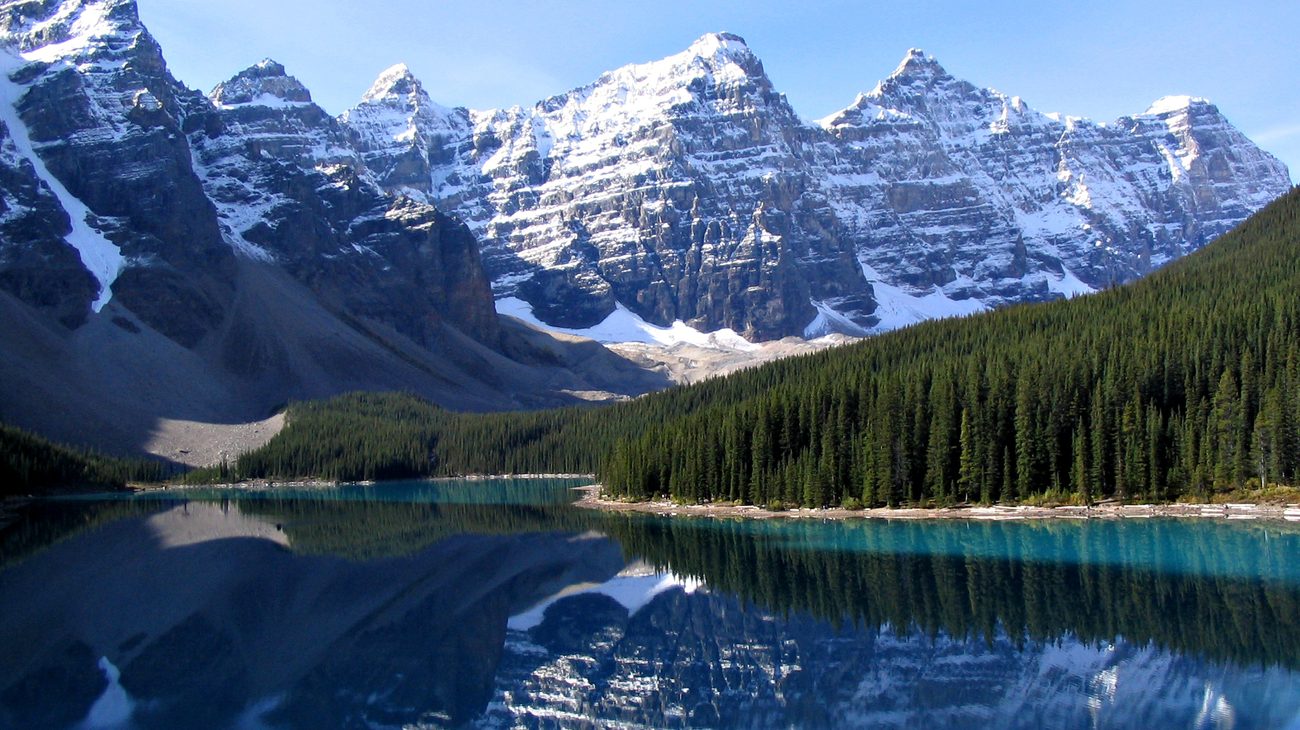
The surreal glacial turquoise waters of Moraine Lake cradled within the Valley of the Ten Peaks in Banff National Park.
There is a running inside joke across Canadian travel forums on Quora: foreign visitors regularly post itineraries asking if they can "drive from Toronto to Vancouver for a weekend road trip, stopping at Niagara Falls on the way." The response from Canadians is always a polite reality check: Canada is the second-largest nation on earth, spanning six time zones, two official languages, and ecosystems ranging from temperate rainforests on Vancouver Island to windswept subarctic tundras where polar bears roam free.
Having crisscrossed this immense country over three seasons—from sea kayaking beneath the dramatic vertical billion-year-old rock faces of Gros Morne to crunching through autumn leaves along the fortified ramparts of Old Québec—I know that the true magic of Canada lives in its wild contrasts.
When you scour Quora for genuine, non-sponsored advice on where to go, travelers who live here point out that the best itineraries blend international cultural powerhouses with vast, untamed wilderness.
Whether it is your maiden voyage north of the 49th parallel or a return expedition, here are the 15 best places to visit in Canada that Quora travelers consistently recommend.
1. Banff National Park & Lake Louise / Moraine Lake (Alberta)
As Canada’s oldest national park (established in 1885), Banff National Park is the crown jewel of the Canadian Rockies. Stretching across 2,564 square miles of soaring limestone peaks, dense lodgepole pine forests, and glacial lakes so vivid they look artificial, it is an essential bucket-list destination.
Standing on the Rockpile trail at Moraine Lake, looking out over the Valley of the Ten Peaks, the water glows an electric turquoise due to glacial rock flour suspended in the meltwater. Nearby, Lake Louise offers canoe rentals beneath the sheer ice wall of Mount Victoria. In the town of Banff, elk graze casually in roadside parks while steaming mineral waters bubble up at the historic Banff Upper Hot Springs.
- Quora Traveler Wisdom: Since 2023, private vehicles are strictly prohibited on Moraine Lake Road. Quora veterans advise: "Book your Parks Canada Park-and-Ride shuttle bus tickets the exact day they open in spring, or reserve an early morning sunrise commercial shuttle like Moraine Lake Bus Company. Arriving before dawn lets you watch the sun ignite the Ten Peaks into fiery alpine pink before the midday crowds arrive."
- Best Hike: The Plain of Six Glaciers Trail (9 miles round-trip), which ends at a rustic 1927 Swiss-style teahouse serving hot tea and fresh scones without electricity.
2. Jasper National Park & The Icefields Parkway (Alberta)
If Banff is the glamorous superstar, Jasper National Park is its wilder, more rugged northern sibling. Covering over 4,200 square miles, Jasper is the largest national park in the Canadian Rockies and one of the world's largest dark sky preserves.
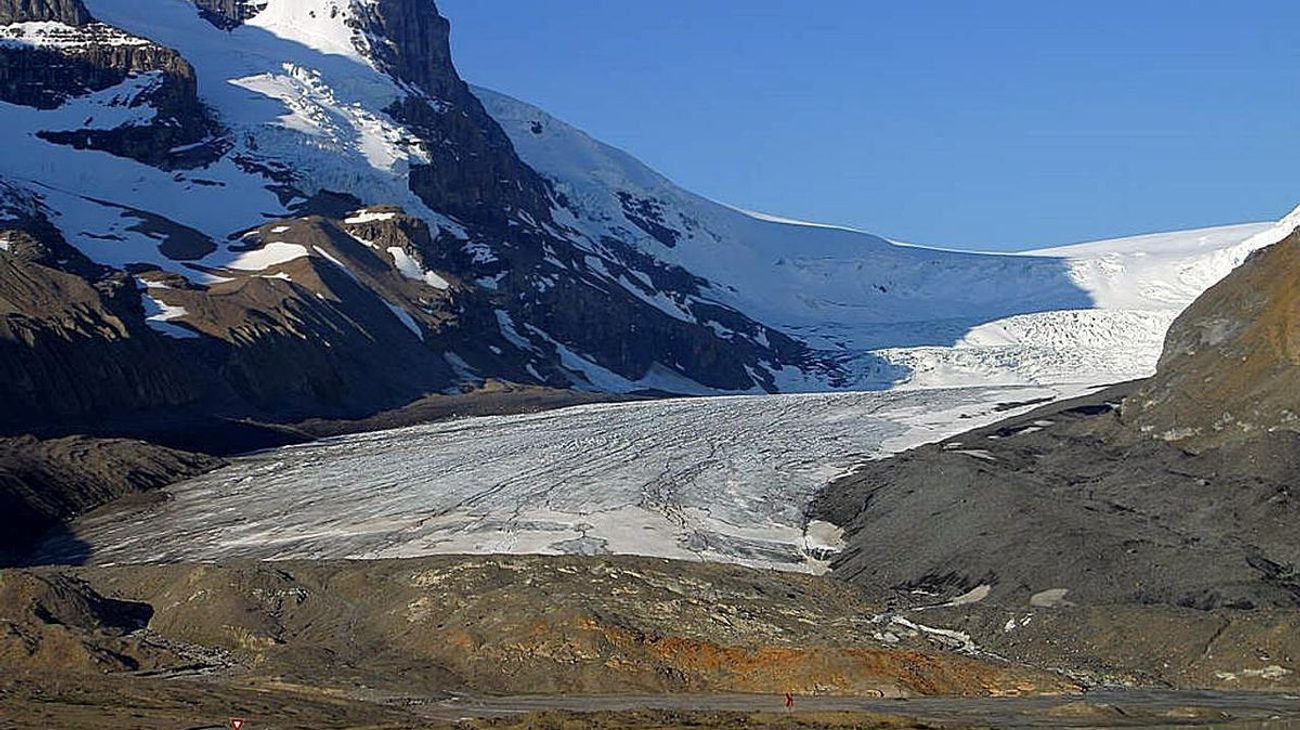
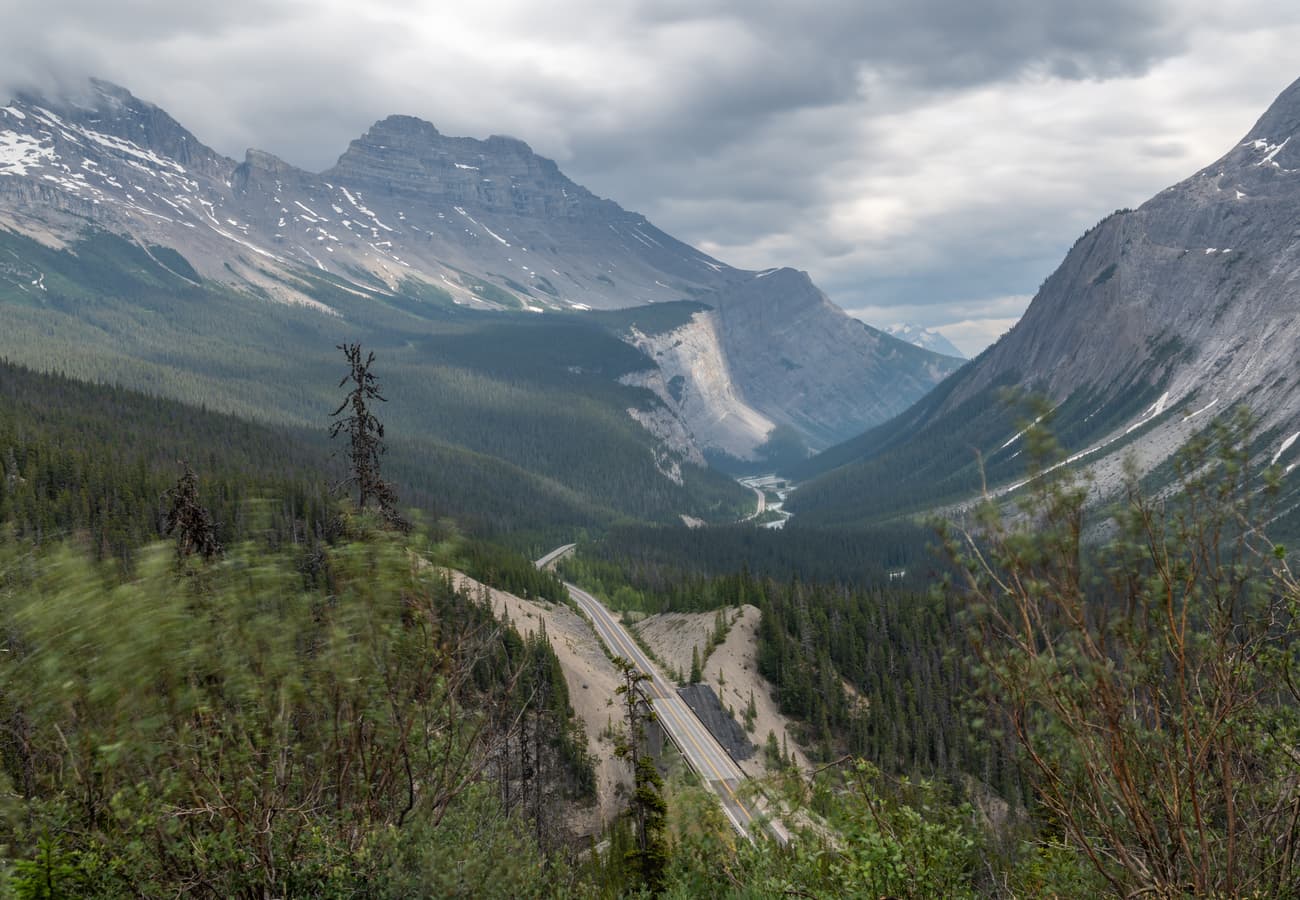
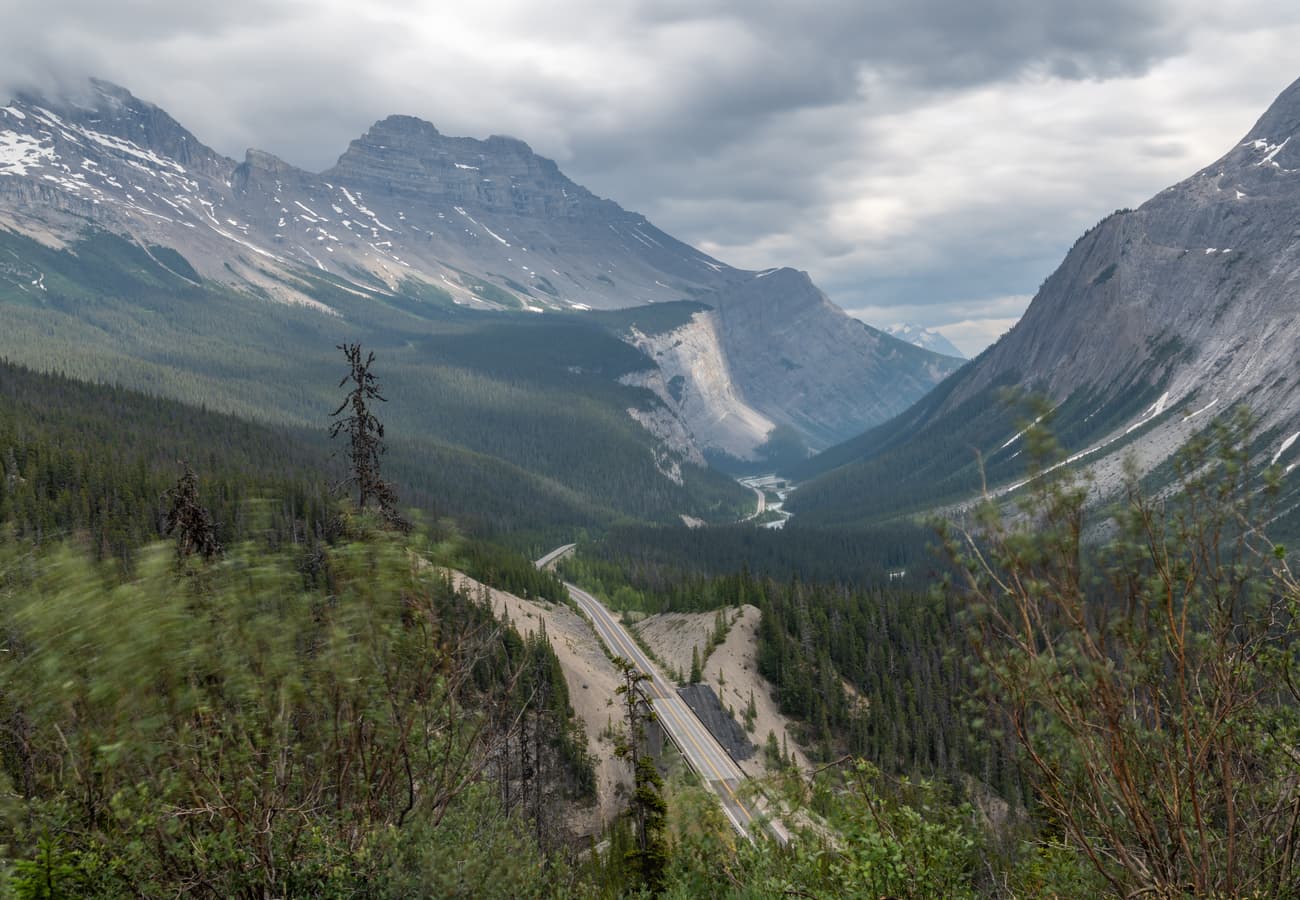
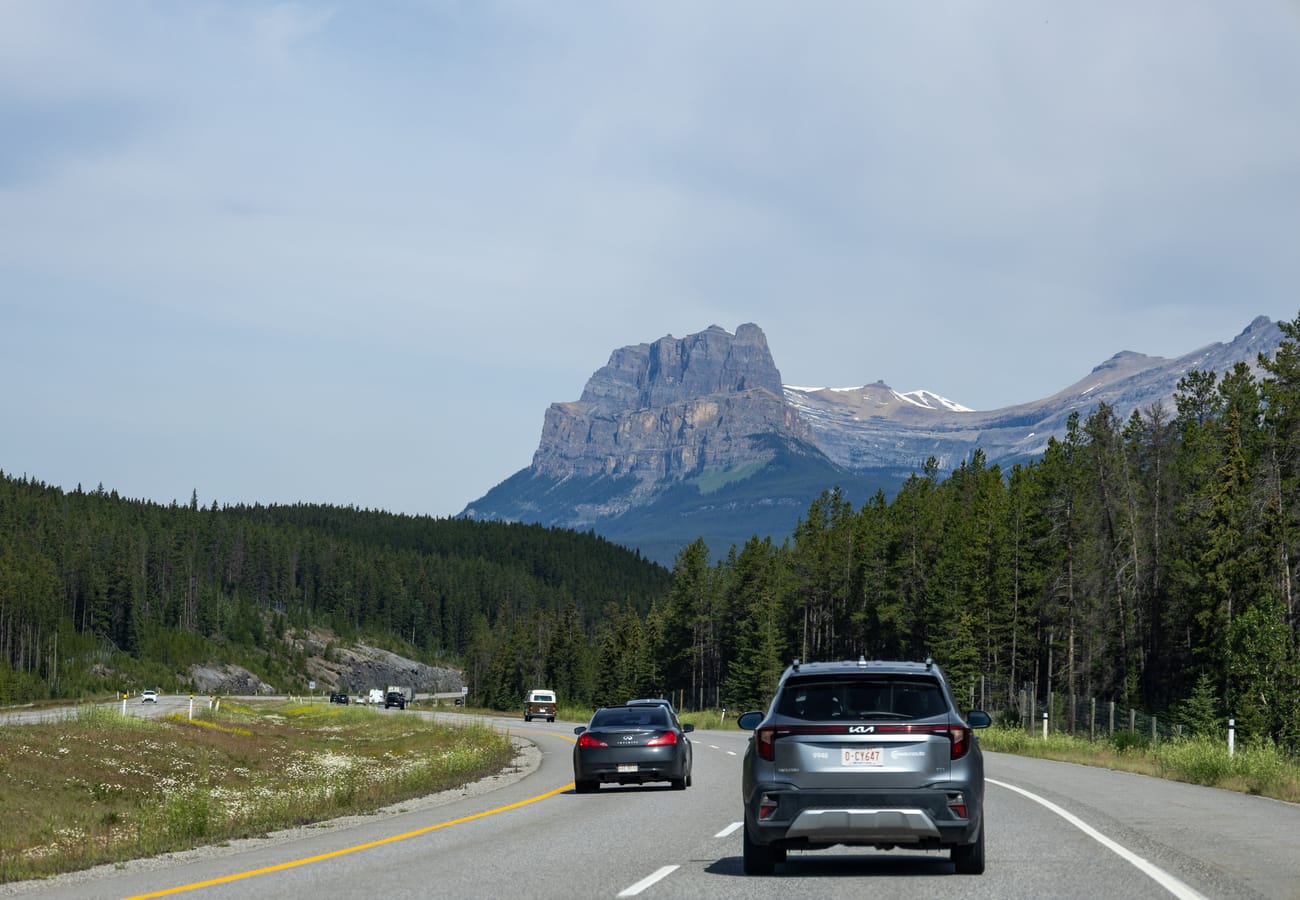
Connecting Lake Louise and Jasper is the Icefields Parkway (Highway 93), universally voted by Quora road-trippers as one of the three most spectacular scenic drives on earth. Over 144 miles, you parallel ancient glaciers, roaring waterfalls (like Athabasca Falls and Sunwapta Falls), and the colossal Columbia Icefield. Walking on the toe of the receding Athabasca Glacier puts the sheer geological power of the planet into immediate perspective.
- Quora Traveler Wisdom: Allocate a full 8 to 10 hours to drive the Icefields Parkway, even though the GPS says 3 hours. There is zero cellular reception along Highway 93; download offline maps and pack a picnic lunch from Banff or Jasper, as roadside food options are limited and overpriced.
- Wildlife Watch: Bighorn sheep and mountain goats frequently lick minerals off the highway pavement near the Stutfield Glacier viewpoint.
3. Old Québec City: 400 Years of Living European Heritage (Québec)
Perched atop the sheer granite bluffs of Cap Diamant overlooking the St. Lawrence River, Old Québec (Vieux-Québec) is the only fortified city north of Mexico whose ramparts still stand intact. Founded by Samuel de Champlain in 1608, walking its narrow cobblestone streets feels like stepping directly into historic Normandy or Brittany.
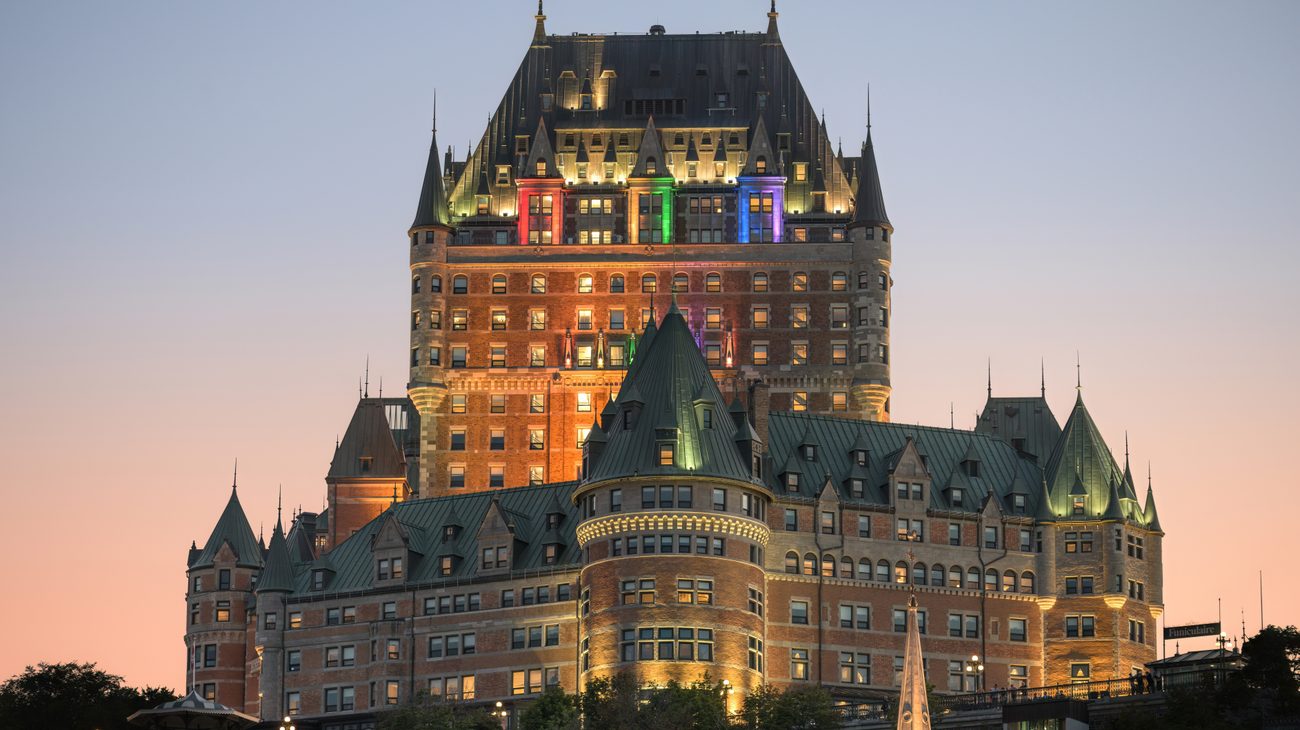
The skyline is dominated by the Fairmont Le Château Frontenac, certified by Guinness World Records as the most photographed hotel on earth. In the Lower Town (Petit-Champlain), 17th-century stone houses with steep tin roofs now shelter artisanal bakeries, bistros smelling of duck confit and French onion soup, and boutique art workshops.
- Quora Traveler Wisdom: While summer offers lively street buskers and open-air terraces, Quora contributors passionately champion visiting in December or during the winter Carnaval de Québec (February). Snow transforms the stone alleys into a fairy-tale Christmas village, complete with toboggan slides down Dufferin Terrace reaching 45 mph.
- Culinary Essential: Grab a table at Le Lapin Sauté in Petit-Champlain for slow-cooked duck legs and authentic Quebec maple cider.
4. Vancouver: Mountains, Ocean & Urban Sophistication (British Columbia)
Few metropolitan cities on the planet enjoy a more dramatic natural setting than Vancouver. Bounded by the Coast Mountains to the north and the Pacific Ocean to the west, you can literally go morning backcountry skiing on Grouse Mountain and spend your afternoon paddleboarding along English Bay.
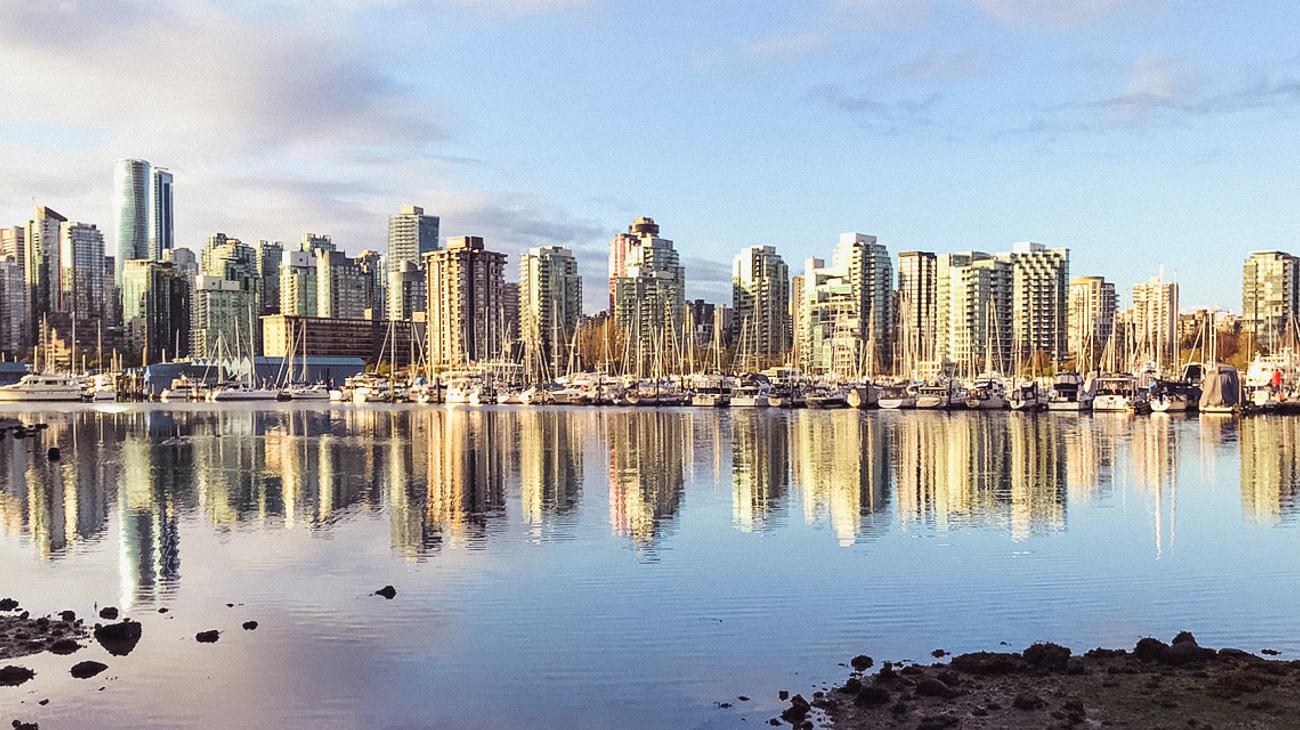
Rent a cruiser bicycle and pedal the 6-mile paved seawall circling Stanley Park, a 1,000-acre temperate rainforest peninsula filled with ancient western red cedars and ceremonial Indigenous totem poles. Take the tiny rainbow Aquabus ferry to Granville Island Public Market to graze on freshly baked artisan sourdough, wild Pacific smoked salmon, and Okanagan stone fruit.
- Quora Traveler Wisdom: Quora foodies note that Vancouver has arguably the finest, most authentic Asian culinary scene in North America. Take the SkyTrain to neighboring Richmond for late-night dim sum at Chef's Choice or browse the bustling Richmond Night Market in summer.
5. Tofino & Pacific Rim National Park (Vancouver Island, BC)
Perched on the rugged outer western edge of Vancouver Island, Tofino is Canada’s surf and wilderness sanctuary. Here, old-growth temperate rainforests cloaked in hanging mosses collide violently with the raw, untamed Pacific Ocean along endless sandy beaches like Chesterman Beach and Long Beach.
During winter, Tofino pioneered "storm watching," where travelers curl up beside roaring cedar fireplaces inside oceanfront lodges while 30-foot ocean swells batter the rocky headlands. In summer, it is an eco-adventurer's dream: sea kayaking through Clayoquot Sound, surfing chilly Pacific waves in 5mm wetsuits, and spotting black bears turning over tidal rocks to feast on crabs.
- Quora Traveler Wisdom: Drive the newly upgraded Highway 4 across Vancouver Island carefully—the pass through Cathedral Grove features 800-year-old Douglas fir trees with trunks wider than your car. Don't leave Tofino without ordering the wild lingcod tacos from the original Tacofino food truck tucked in the gravel lot off Pacific Rim Highway.
6. Gros Morne National Park: An Ancient Earth Fjord (Newfoundland)
Located on the rugged west coast of Newfoundland, Gros Morne National Park is a UNESCO World Heritage site of staggering geological significance. This is one of the rare places on the planet where tectonic collisions forced the Earth’s ancient mantle—the golden, toxic peridotite rock known as the Tablelands—directly to the surface, creating an eerie, barrens landscape where plant life struggles to survive.
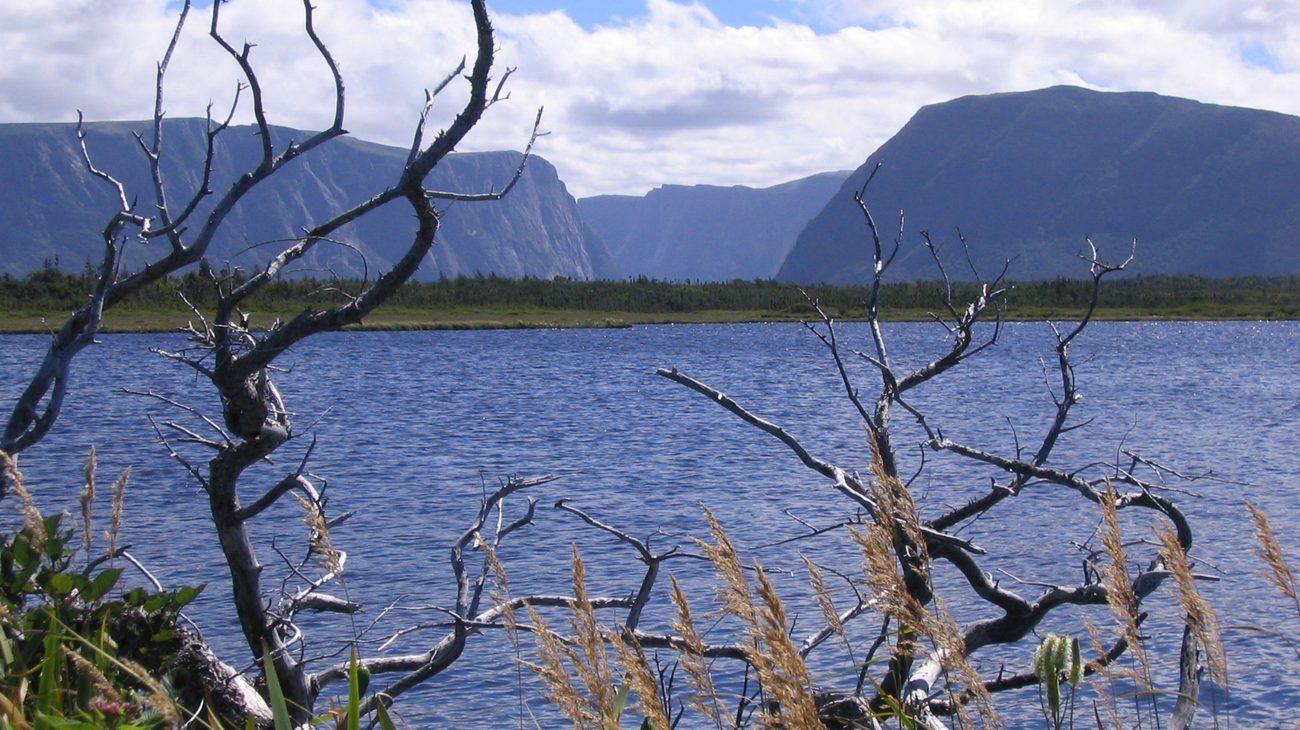
The crowning experience is Western Brook Pond. After a gentle 45-minute boardwalk hike across boglands, you board an open-top boat into a landlocked freshwater fjord flanked by sheer 2,000-foot granite cliffs, where ribbons of cascading waterfalls plunge from the alpine plateau into crystal-clear waters.
- Quora Traveler Wisdom: Quora adventurers agree: "Newfoundland is as much about the people as the landscapes. Stay in traditional fishing villages like Rocky Harbour or Woody Point, attend a local kitchen party, and get 'screeched-in' (a hilarious local ritual involving a shot of Jamaican rum, a recitation of Newfoundland dialect, and kissing a codfish)."
7. Cape Breton Island & The Cabot Trail (Nova Scotia)
Looping 185 miles around the northern tip of Cape Breton Island, the Cabot Trail is one of the world’s most celebrated coastal drives. The highway clings to emerald sea cliffs that plunge vertically into the Gulf of St. Lawrence, winding through vibrant Acadian fishing villages and Gaelic-speaking communities where Celtic fiddling traditions thrive in local community halls.
The signature trail is the Skyline Trail, a 4.6-mile headland loop in Cape Breton Highlands National Park that leads out onto a dramatic wooden boardwalk perched 1,000 feet above the crashing Atlantic surf. It is not uncommon to spot pilot whales breaching offshore while a family of moose browses on stunted spruce trees right beside the trail.
- Quora Traveler Wisdom: Drive the Cabot Trail in a counter-clockwise direction. This keeps your vehicle in the ocean-side lane against the scenic pullouts, giving the driver and passengers unobstructed panoramic coastal vistas without crossing oncoming traffic.
8. Haida Gwaii: The Galápagos of the North (British Columbia)
Located 60 miles off the northern coast of British Columbia, the archipelago of Haida Gwaii (formerly the Queen Charlotte Islands) is a mystical, mist-shrouded sanctuary of ancient cedar rainforests, bald eagles, and profound Indigenous culture.
In the southern half lies Gwaii Haanas National Park Reserve and Haida Heritage Site, accessible only by boat or seaplane. Here, ancient monumental cedar totem poles carved by Haida masters slowly return to the earth amidst moss-covered longhouse remains at SGang Gwaay (Anthony Island), guided respectfully by local Haida Watchmen.
- Quora Traveler Wisdom: Quora eco-travelers urge visitors to book tours with Indigenous-owned operators like Haida Style Expeditions well in advance. Haida Gwaii is not a casual weekend getaway—it requires intention, respect for sacred tribal customs, and a willingness to embrace slow, reflective wilderness travel.
9. Prince Edward Island & The Anne of Green Gables Coast
Canada’s smallest province is a pastoral wonderland of gently rolling emerald farmland, deep red sandstone cliffs, white sandy dunes, and historic Victorian lighthouses. For literature lovers, visiting the 19th-century farmstead at Green Gables Heritage Place in Cavendish brings Lucy Maud Montgomery’s timeless stories to vibrant life.
Beyond literature, PEI is Canada’s culinary garden. You can rent a bicycle and ride along the Confederation Trail, sample world-renowned Malpeque oysters freshly shucked at seaside docks, and dig into traditional lobster suppers served with hot butter and homemade potato rolls in church basements.
- Quora Traveler Wisdom: Skip the crowded tourist strip of Cavendish and head east to Greenwich in PEI National Park, where floating wooden boardwalks snake across immense parabolic sand dunes to an empty, wind-swept beach.
10. Montreal: Culture, Design & Gastronomy (Québec)
Bilingual, creative, and endlessly stylish, Montreal is the cultural capital of Canada. From the 17th-century stone mansions of Old Montreal to the vibrant, mural-splashed streets of the Plateau-Mont-Royal and Mile End, the city exudes effortless joie de vivre.
Hike to the summit of Mount Royal (designed by Frederick Law Olmsted, co-designer of New York's Central Park) for sweeping views across the downtown skyline and St. Lawrence River. Afterward, take part in the city’s eternal culinary debate: order hot, hand-carved smoked meat sandwiches on rye at Schwartz’s Deli, followed by freshly boiled wood-fired bagels at St-Viateur or Fairmount Bagel.
- Quora Traveler Wisdom: Quora contributors note that Montreal is one of the most bike-friendly cities in the world. Use the public BIXI bike-share system to cruise along the historic Lachine Canal to the bustling Atwater Market.
11. Yoho National Park: The Quiet Rockies Gem (British Columbia)
Situated immediately west of Banff across the Continental Divide, Yoho National Park takes its name from a Cree word expressing awe and wonder. Because Banff and Lake Louise capture the vast majority of international tour buses, Yoho remains a remarkably serene alpine refuge.
The park features Emerald Lake, whose electric-green waters reflect the towering President Range, and Takakkaw Falls, which plunges 1,260 feet in a roaring twin cascade fed by the Daly Glacier. Deep in the backcountry lies Lake O’Hara, a pristine wilderness area protected by a strict daily bus quota that preserves its pristine hiking trails from mass tourism.
- Quora Traveler Wisdom: While Lake O’Hara bus reservations are notoriously difficult to win via lottery, hikers can legally walk the 7-mile gravel access road on foot to access the high alpine trails. Arrive before 7:00 AM to tackle the Alpine Circuit.
12. Churchill, Manitoba: Polar Bear & Beluga Capital
Perched on the freezing shore of Hudson Bay in northern Manitoba, with zero road access, Churchill is one of the very few human settlements on earth where you can safely encounter wild polar bears in their natural habitat.
During October and November, hundreds of polar bears congregate along the coast waiting for Hudson Bay to freeze over so they can hunt ringed seals, allowing visitors to observe them from massive, heated Tundra Buggies. In July and August, the bay warms slightly, attracting over 60,000 beluga whales that enter the Churchill River estuary to feed and give birth, allowing travelers to kayak right alongside the friendly white sea mammals.
- Quora Traveler Wisdom: Churchill is an investment, but Quora travelers confirm it is genuinely life-changing. If traveling on a budget, take the 48-hour VIA Rail passenger train from Winnipeg instead of booking pricey charter flights.
13. The Bay of Fundy & The Hopewell Rocks (New Brunswick)
Nestled between New Brunswick and Nova Scotia, the Bay of Fundy produces the highest tidal range anywhere on earth. Every 12 hours, 160 billion tons of seawater roar in and out of the bay, causing water levels to rise and fall by up to 53 vertical feet (the height of a four-story building).
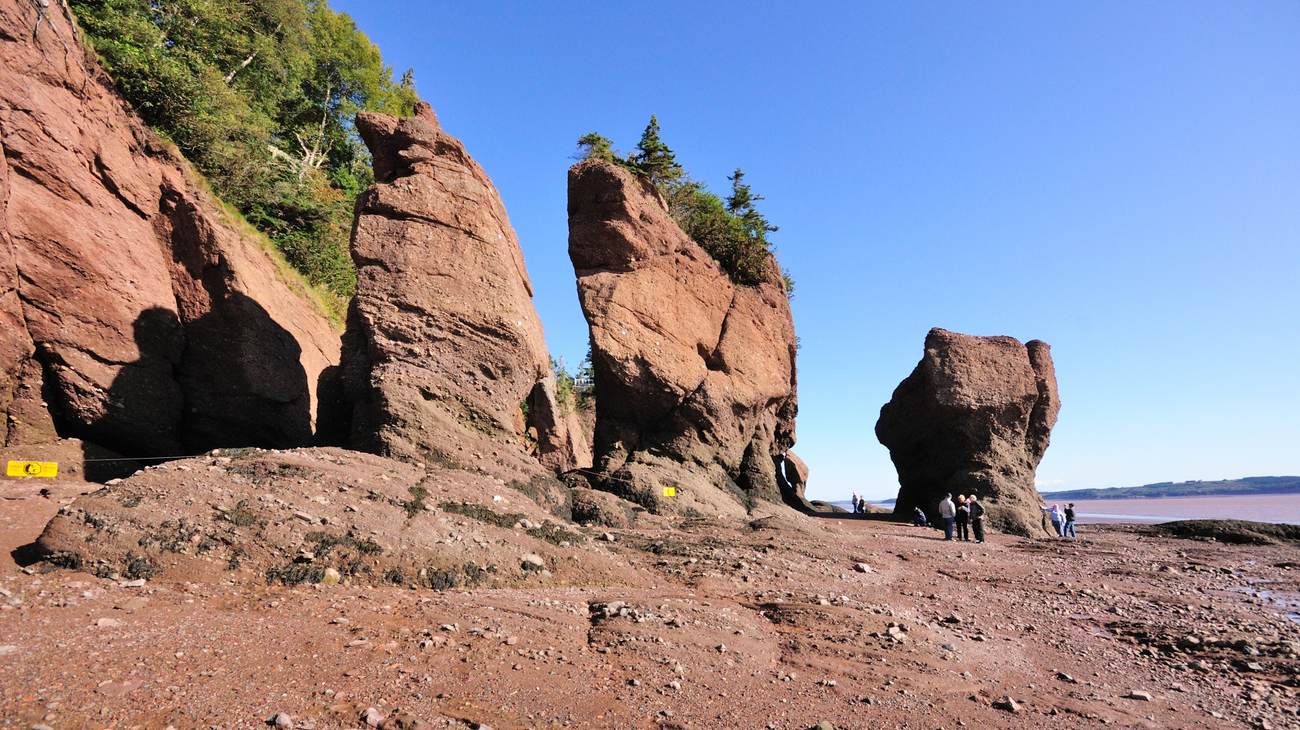
The best place to witness this phenomenon is The Hopewell Rocks (The Flowerpot Rocks). At low tide, you can walk across the ocean floor among towering, multi-story sandstone pillars topped with trees. Six hours later, you can kayak across those exact same spots, paddling between the upper branches of the sea stacks.
- Quora Traveler Wisdom: Always check the daily tide tables before visiting. Your entrance ticket is valid for two consecutive days specifically to allow you to experience both absolute low tide and peak high tide.
14. Yukon & Kluane National Park: The Last True Frontier
For travelers who feel that the Canadian Rockies have become too manicured, the Yukon Territory offers untamed wilderness on an incomprehensible scale. Kluane National Park and Reserve protects Mount Logan (Canada’s highest peak at 19,551 feet) and the world's largest non-polar icefield.
Driving the Alaska Highway through Kluane Lake reveals turquoise glacial waters fringed by towering mountain walls. In the historic gold rush town of Dawson City, wooden boardwalks and dirt roads still echo the frantic Jack London gold rush era of 1898.
- Quora Traveler Wisdom: Visit Whitehorse and Dawson City in late August or September to witness golden boreal birch canopies beneath blazing green displays of the Aurora Borealis, without the brutal -40°F temperatures of mid-winter.
15. Fogo Island: Contemporary Art on the Edge of the World (Newfoundland)
Perched in "Iceberg Alley" off the northeast coast of Newfoundland, Fogo Island is an 11-mile-long rocky outcropping inhabited by resilient fishing families for centuries. In recent years, it gained global architectural acclaim following the creation of the Fogo Island Inn, a starkly modern, stilt-supported luxury lodge designed by architect Todd Saunders.
Even if you aren't staying at the luxury inn, exploring Fogo's seven traditional communities (with names like Tilting and Seldom Come By), hiking across lichen-encrusted headlands, and watching thousand-year-old Arctic icebergs drift past the coastline in June is an unforgettable pilgrimage.
- Quora Traveler Wisdom: Tilting is designated as a National Historic Site of Canada—the only Irish settlement of its kind in North America where distinct 18th-century Irish dialects and traditional timber fishing stages (flakes) remain intact.
Canada Top Destinations: Quora Quick-Reference Table
| Destination | Province / Territory | Prime Attraction | Best Season | Quora Insider Tip |
|---|---|---|---|---|
| Banff & Moraine Lake | Alberta | Glacial turquoise alpine lakes | June – Sept | Book Parks Canada shuttles months ahead; private cars banned. |
| Jasper & Icefields | Alberta | Glaciers, Columbia Icefield, dark sky | July – Sept | Allocate 8+ hours to drive Highway 93; pack food and offline maps. |
| Old Québec City | Québec | 17th-century European ramparts | Feb or Dec – Aug | Walk Petit-Champlain at dusk; experience winter Carnaval. |
| Vancouver | British Columbia | Seawall, ocean-mountain skyline | May – Oct | Cycle Stanley Park Seawall; explore Richmond Night Market. |
| Tofino & Pacific Rim | British Columbia | Surf, old-growth rainforest, storms | Nov – March (Storms), June – Sept | Try lingcod tacos at the original Tacofino truck. |
| Gros Morne | Newfoundland | Tablelands mantle, landlocked fjord | July – August | Take Western Brook Pond boat tour and get screeched-in. |
| Cabot Trail | Nova Scotia | Ocean cliffs, Celtic music culture | July – October | Drive counter-clockwise for the best coastal views. |
| Haida Gwaii | British Columbia | Ancient cedar totem poles, old growth | June – August | Book Haida Watchmen cultural tours in advance. |
| PEI & Green Gables | Prince Edward Island | Red cliffs, literary lore, oysters | July – Sept | Detour to Greenwich dunes for empty, pristine boardwalks. |
| Montreal | Québec | Historic architecture, food, BIXI | May – Oct | Rent a BIXI bike along Lachine Canal; order Schwartz's smoked meat. |
| Yoho National Park | British Columbia | Emerald Lake, Takakkaw Falls | June – Sept | Less crowded alternative to Banff; visit early morning. |
| Churchill | Manitoba | Polar bears and wild beluga pods | Oct – Nov (Bears), July – Aug (Belugas) | Take the VIA Rail passenger train from Winnipeg to save money. |
| Bay of Fundy | New Brunswick | World's highest tides (50+ ft) | June – October | Walk the ocean floor at low tide, then kayak it at high tide. |
| Yukon & Kluane | Yukon | Mount Logan icefields, gold rush | June – Sept | Experience Dawson City saloons and view autumn auroras. |
| Fogo Island | Newfoundland | Iceberg Alley, modern architecture | May – July (Icebergs) | Explore traditional Irish fishing stages in Tilting. |
4 Strategic Advice Points for Canada Road Trips in 2027
- Never Underestimate Driving Distances: Driving from Calgary to Vancouver takes 11–12 hours without stops through steep mountain passes. Do not try to pack Toronto, Montreal, Banff, and Vancouver into a 10-day trip. Focus on one region (e.g., Western Canada Rockies, Maritime Provinces, or Québec/Ontario).
- Purchase a Parks Canada Discovery Pass: If visiting multiple national parks over 7 or more days, buy an annual Discovery Pass. It pays for itself within a week and grants rapid entrance lane access.
- Download ArriveCAN & Check Provincial Ferry Bookings: When traveling between Vancouver and Vancouver Island or heading to Newfoundland, vehicle reservations on BC Ferries and Marine Atlantic ferries sell out weeks in advance during summer.
- Embrace Shoulder Season (September & Early October): September brings crisp sunny days, blazing golden larch trees across the Rockies, zero mosquitoes, and significantly lower lodging prices compared to the frenetic July–August peak.
Frequently Asked Questions (FAQ)
What is the single best time of year to visit Canada?
Mid-June through late September is ideal for general sightseeing, hiking, and wildlife viewing across the country. If your priority is seeing the Canadian Rockies with unfrozen turquoise lakes, plan for July 1 to September 20 (high alpine lakes like Moraine Lake often remain frozen until early June).
How should I split my time between Banff and Jasper?
A classic rule recommended on Quora is 3 to 4 days in Banff/Lake Louise combined with 2 to 3 days in Jasper, with a full day dedicated to driving and hiking along the Icefields Parkway between them.
Can I travel across Canada without renting a car?
In major metropolitan hubs (Vancouver, Toronto, Montreal, Québec City), public transit and passenger trains (VIA Rail) are superb. However, exploring national parks like Banff, Jasper, Cape Breton, or Gros Morne requires a rental vehicle, camper van, or organized tour to reach trailheads and scenic viewpoints.
Is visiting Québec difficult if I don't speak French?
Not at all. In popular tourist districts of Montreal and Old Québec City, virtually all hospitality workers, shopkeepers, and restaurant staff are cheerfully bilingual. Learning a few polite phrases (Bonjour, s'il vous plaît, merci) is warmly appreciated by locals!
Continue Exploring More Inspiring Destinations:
- 15 Best Places to Visit in Alaska According to Quora: A Wilderness Guide
- 10 Best Great Lakes Circle Tour Stops Reddit Travelers Recommend in 2027
- 10 Best Michigan Upper Peninsula Waterfall Road Trip Stops Reddit Travelers Recommend in 2027
- 10 Best Keweenaw Peninsula Scenic Drives Reddit Travelers Recommend in 2027
This article is for informational purposes. Flight routes, passenger regulations, visa rules, and transit advisories are subject to change by airlines and aviation authorities. Readers are advised to verify schedules and travel documentation with relevant carriers and border agencies before departure.
Related Stories
10 Best Banff to Jasper Road Trip Stops Reddit Travelers Recommend in 2026
10 Best Vancouver to Banff Road Trip Routes Reddit Travelers Recommend in 2026