
10 Best Vancouver to Banff Road Trip Routes Reddit Travelers Recommend in 2026
From the classic Trans-Canada and Coquihalla to Duffey Lake, the Okanagan wine valley, and Highwood Pass, explore the 10 best Vancouver to Banff road trip routes Reddit travelers recommend in 2026.

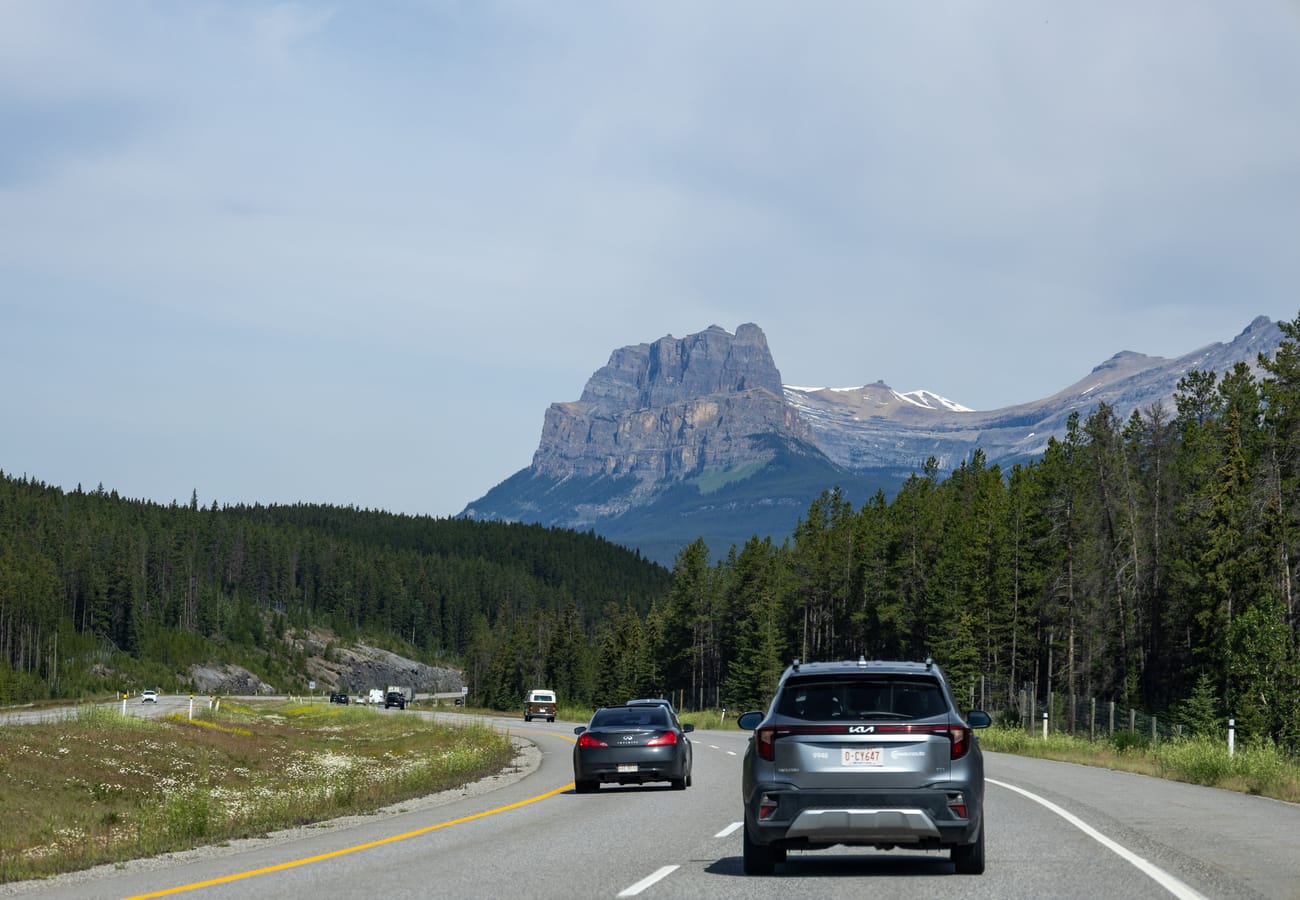
A scenic highway curving toward the towering glaciated peaks of the Canadian Rockies
Traversing the massive geographic barrier between the Pacific Ocean and the Continental Divide, the road trip from Vancouver to Banff is one of the world's premier mountain expeditions. Over approximately 530 to 650 miles depending on your chosen path, motorists climb through ancient coastal temperate rainforests, navigate towering granite river gorges, cruise across semi-arid desert wine plateaus, and ascend into the jagged, ice-draped cathedral peaks of the Canadian Rockies.
However, choosing the right route requires understanding key differences in driving character, travel duration, and seasonal mountain passes. While online routing tools often defaults to the fastest commercial freeway, seasoned road trippers on r/Vancouver, r/Banff, and r/roadtrip highlight diverse alternative byways offering vastly superior scenery, tranquil car ferry crossings, and pristine alpine lakes. Here are the 10 best Vancouver to Banff road trip routes Reddit travelers recommend in 2026.
1. The Classic Trans-Canada Highway Mainline (Highway 1 via Fraser Canyon)
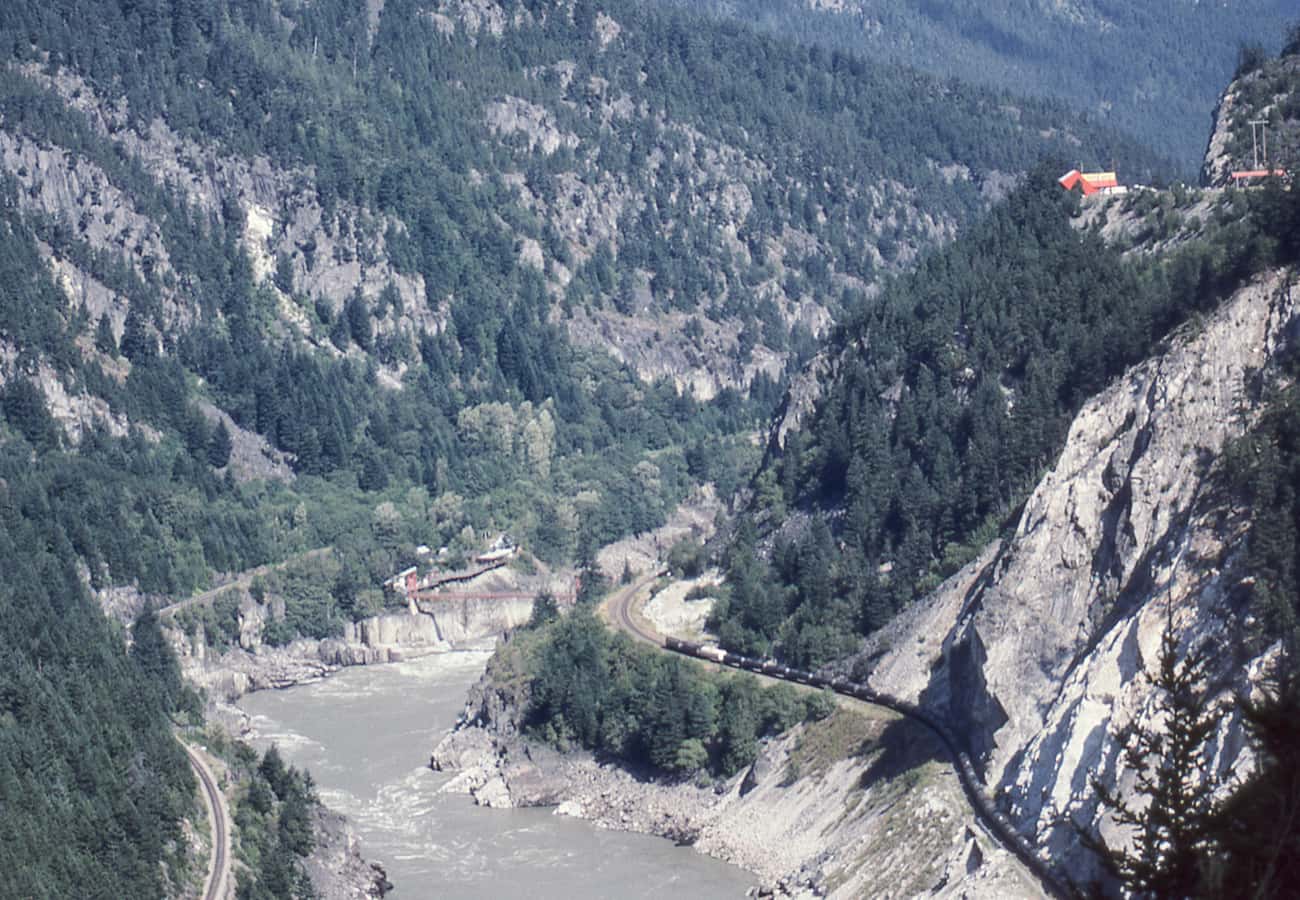 The Trans-Canada Highway winding through the steep rock cliffs and river narrows of Fraser Canyon.
The historic backbone of western Canadian road travel, this 540-mile route follows Highway 1 past the dramatic narrows of Fraser Canyon and through the heart of four national parks (Mount Revelstoke, Glacier, Yoho, and Banff).
From Hope, the road passes through seven rock-cut tunnels to Hell's Gate, where millions of gallons of churning river water thunder through a narrow gorge. Continue past the rolling benchlands of Kamloops and Shuswap Lake into Revelstoke. Scale the sheer glaciated pyramids of Rogers Pass (4,360 ft), navigate Kicking Horse Canyon into Golden, and cross the Continental Divide past Emerald Lake in Yoho before arriving in Banff.
Reddit drivers emphasize taking at least 3 to 4 days for this mainline route, noting that early morning drives past Shuswap Lake provide glassy reflections and minimal commercial truck traffic.
2. The Coquihalla High-Speed Mountain Expressway (Highway 5 via Merritt)
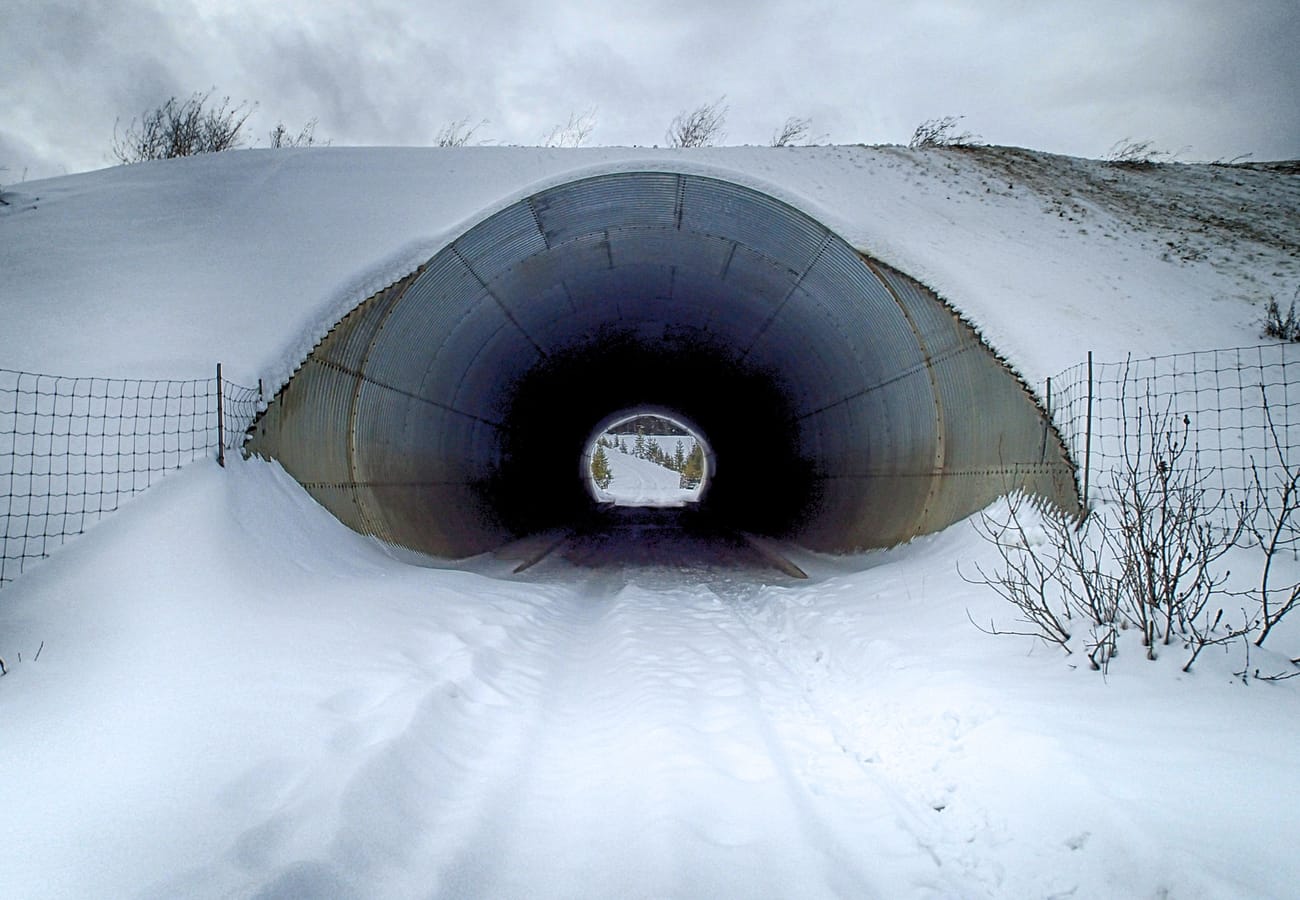 BC Highway 5 carving through the expansive mountain valleys of the interior plateau.
For road trippers looking to maximize their vacation days exploring Banff National Park, connecting Highway 1 to BC Highway 5 (The Coquihalla) is the fastest driving corridor.
Bypassing the slower, winding curves of Fraser Canyon, Highway 5 departs Hope as a modern multi-lane mountain expressway. It climbs through the dramatic Cascade Mountains to the 4,081-foot Coquihalla Summit before opening into the rolling cattle rangelands of Merritt and connecting with Highway 1 in Kamloops. From Kamloops, proceed east through Revelstoke, Golden, and Yoho directly to Banff.
Travelers on r/BritishColumbia note that the "Coq" shaves roughly 75 minutes off the journey compared to Fraser Canyon, but caution that mountain rain can turn to slick snow unexpectedly between October and May.
3. The Sea-to-Sky & Duffey Lake Alpine Route (Highway 99 via Whistler & Lillooet)
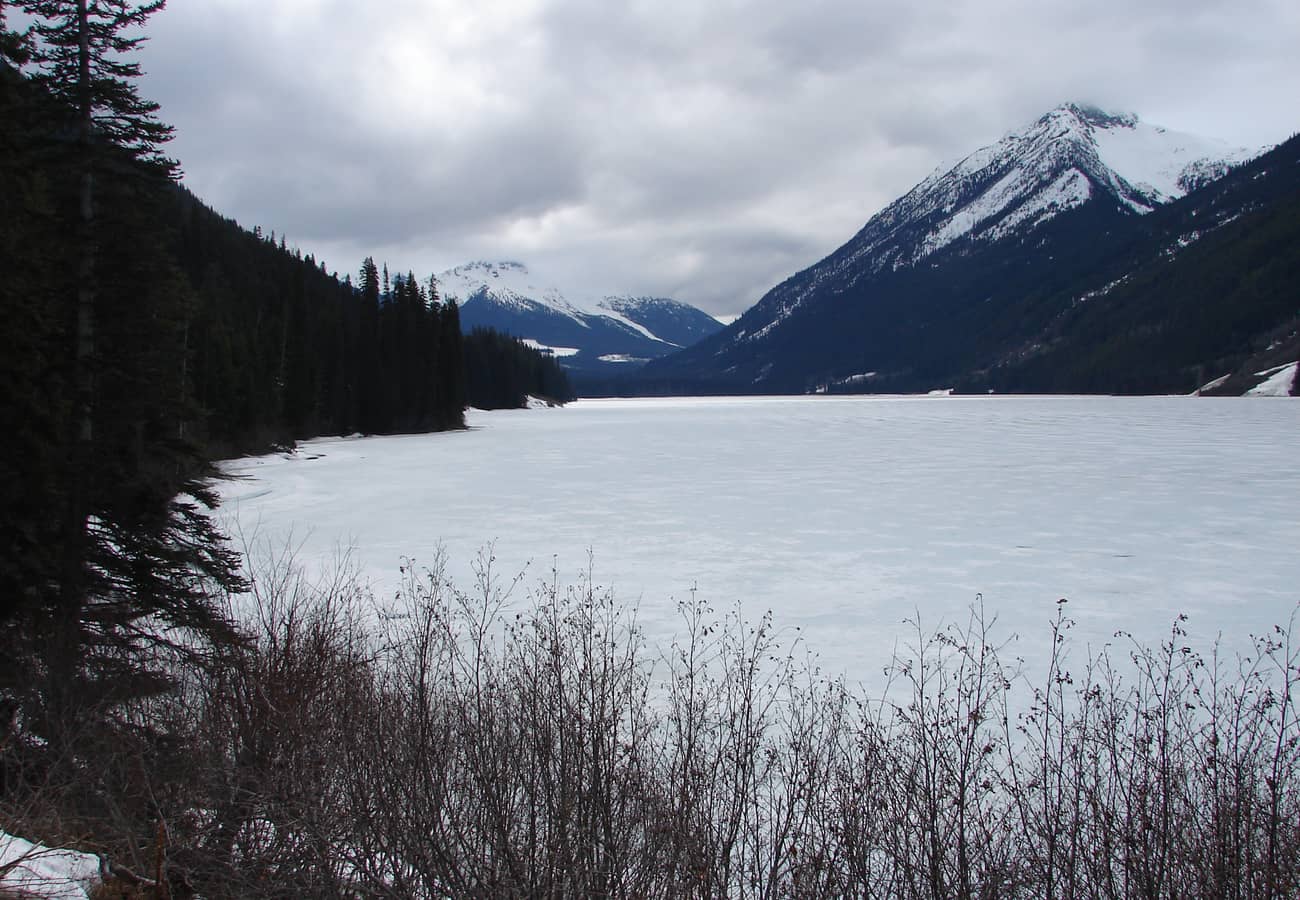 Duffey Lake reflecting alpine peaks along Highway 99 in British Columbia.
Universally praised by driving enthusiasts, this thrilling mountain route bypasses the Fraser Valley entirely by following BC Highway 99.
Leaving Vancouver, hug the granite fjord walls of Howe Sound along the Sea-to-Sky Highway past Squamish and Whistler Blackcomb into Pemberton. Tackle the thrilling switchbacks and steep 13% grades of the Duffey Lake Road, where the turquoise glacial waters of Duffey Lake reflect the glacier of Mount Rohr. Descend into the rugged Fraser River canyon at Lillooet and join Highway 1 at Cache Creek.
Community members on r/roadtrip highlight Duffey Lake as the most rewarding scenic route into the interior, advising drivers to check vehicle brake pads before tackling the steep descents.
4. The Okanagan Valley Wine Country Corridor (Highway 97 via Kelowna)
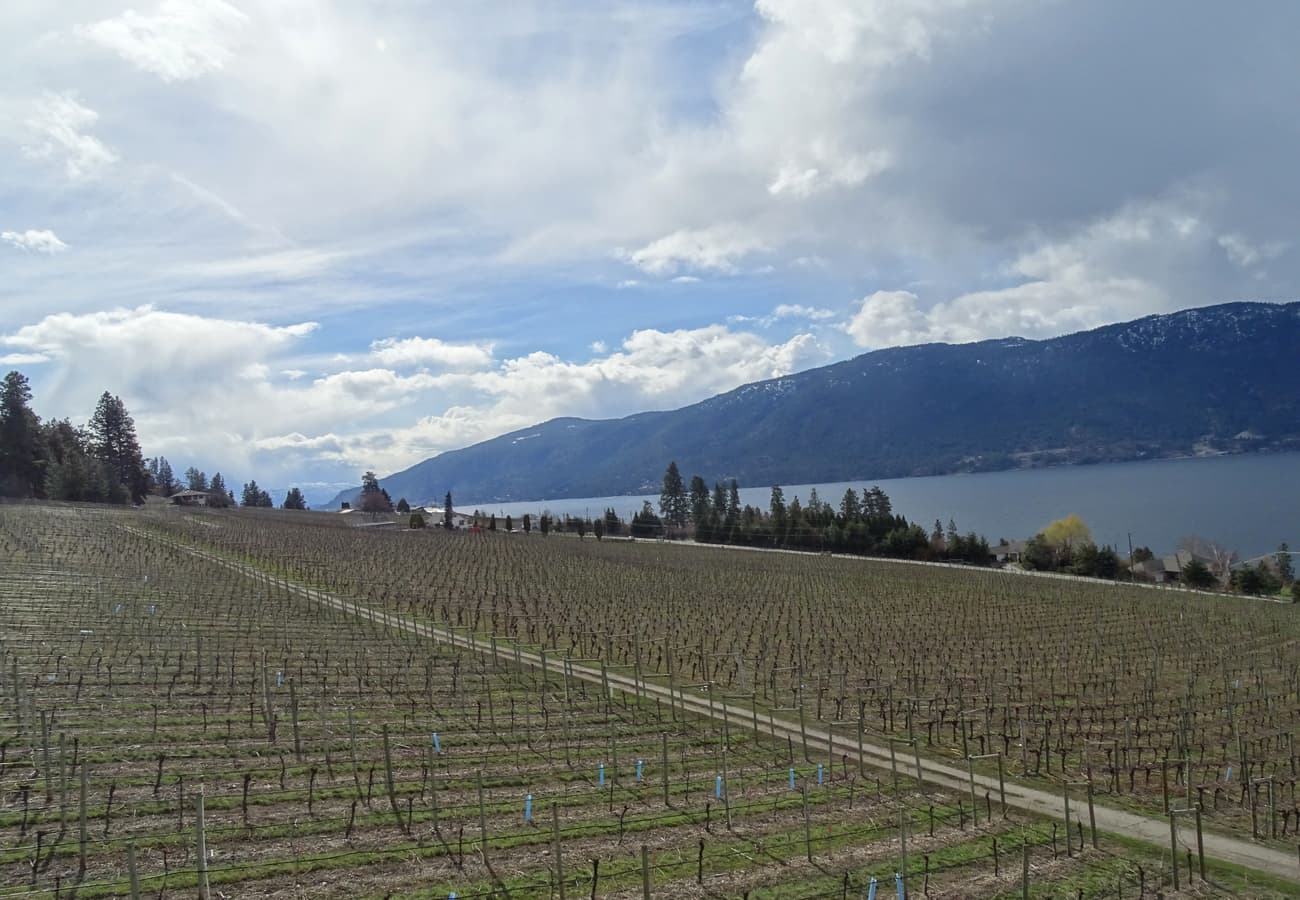 Grey Monk Winery lands overlooking Okanagan Lake in British Columbia.
Combining high alpine passes with sun-drenched vineyards, this culinary detour routes through British Columbia's premier wine-growing basin.
Take Highway 5 to Merritt, then cross the Pennask Summit along Highway 97C (The Okanagan Connector). Descend into the deep blue basin of Okanagan Lake, touring estate wineries and fruit orchards in Kelowna and Lake Country. Follow Highway 97 north through Vernon to rejoin the Trans-Canada Highway at Sicamous, heading east through Revelstoke and the Selkirks toward Banff.
Redditors recommend planning an overnight stay in Kelowna or Vernon to enjoy lakeside dining and pick up fresh seasonal cherries and peaches from roadside fruit stands.
5. The Crowsnest & Kootenay Rockies Route (Highway 3 to Highway 93/95)
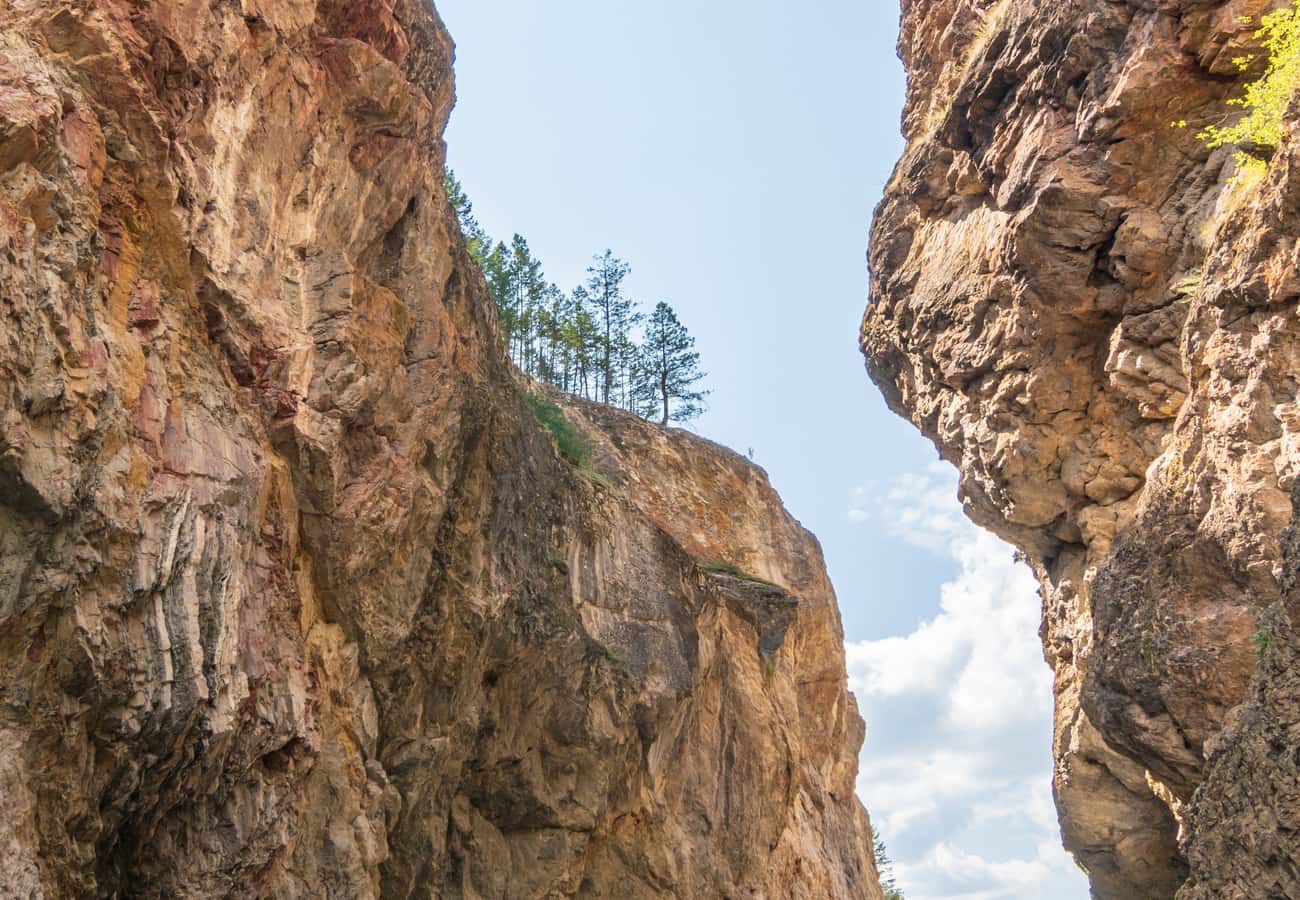 The sheer red cliffs of Sinclair Canyon at Radium Hot Springs.
Tracing British Columbia’s southern frontier, this 640-mile journey bypasses the Trans-Canada Highway in favor of pristine national parks and natural hot springs.
Travel along BC Highway 3 (The Crowsnest Highway) through Manning Provincial Park, the desert vineyards of Osoyoos, and the historic mining town of Castlegar. Turn north along Highway 95 through the Columbia Valley to Radium Hot Springs. Enter Kootenay National Park through the dramatic limestone portal of Sinclair Canyon, crossing the Continental Divide at Vermilion Pass directly into Banff.
Reddit travelers praise this route for offering therapeutic hot spring soaks, zero semi-truck congestion, and spectacular bighorn sheep sightings in Sinclair Canyon.
6. The Monashee & Arrow Lakes Cable Ferry Byway (Highway 6 via Nakusp)
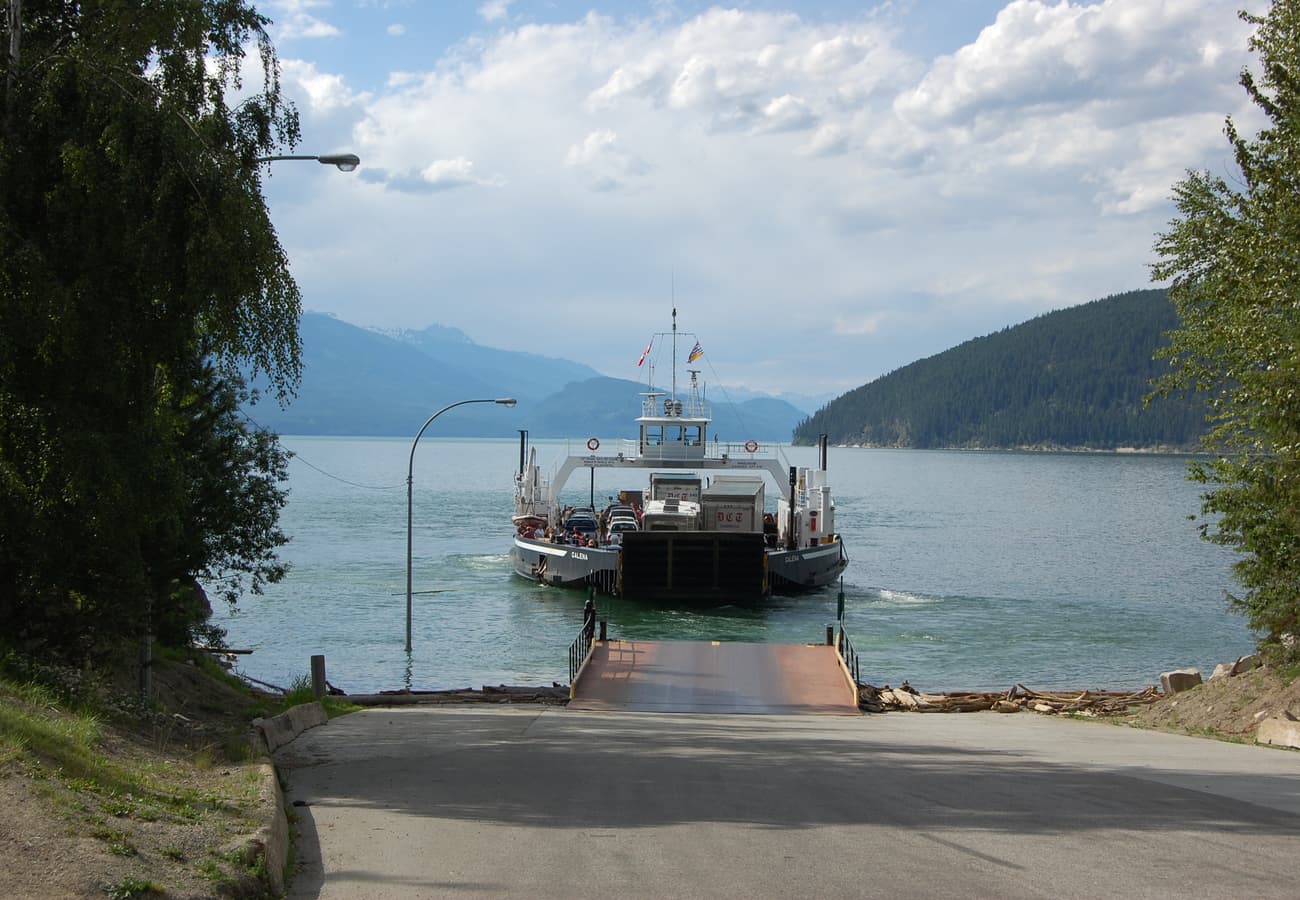 The Upper Arrow Lake scenic inland cable ferry gliding beneath forested mountains.
For road trippers seeking true wilderness solitude, this hidden-gem route connects the Okanagan with the Kootenays through pristine cedar rainforests and lake fjords.
From Vernon, drive east along BC Highway 6 across the Monashee Mountains. Ride the free, scenic 20-minute inland cable ferry from Needles to Fauquier across Upper Arrow Lake. Explore the therapeutic mineral pools at Halcyon Hot Springs and the lakeside town of Nakusp, board the Shelter Bay ferry to Revelstoke, and join Highway 1 toward Golden and Banff.
Redditors describe this drive as one of Canada's most tranquil driving experiences, free from tourist rush and framed by snow-crested peaks.
7. The Highwood Pass & Southern Foothills Approach (Highway 40 via Kananaskis)
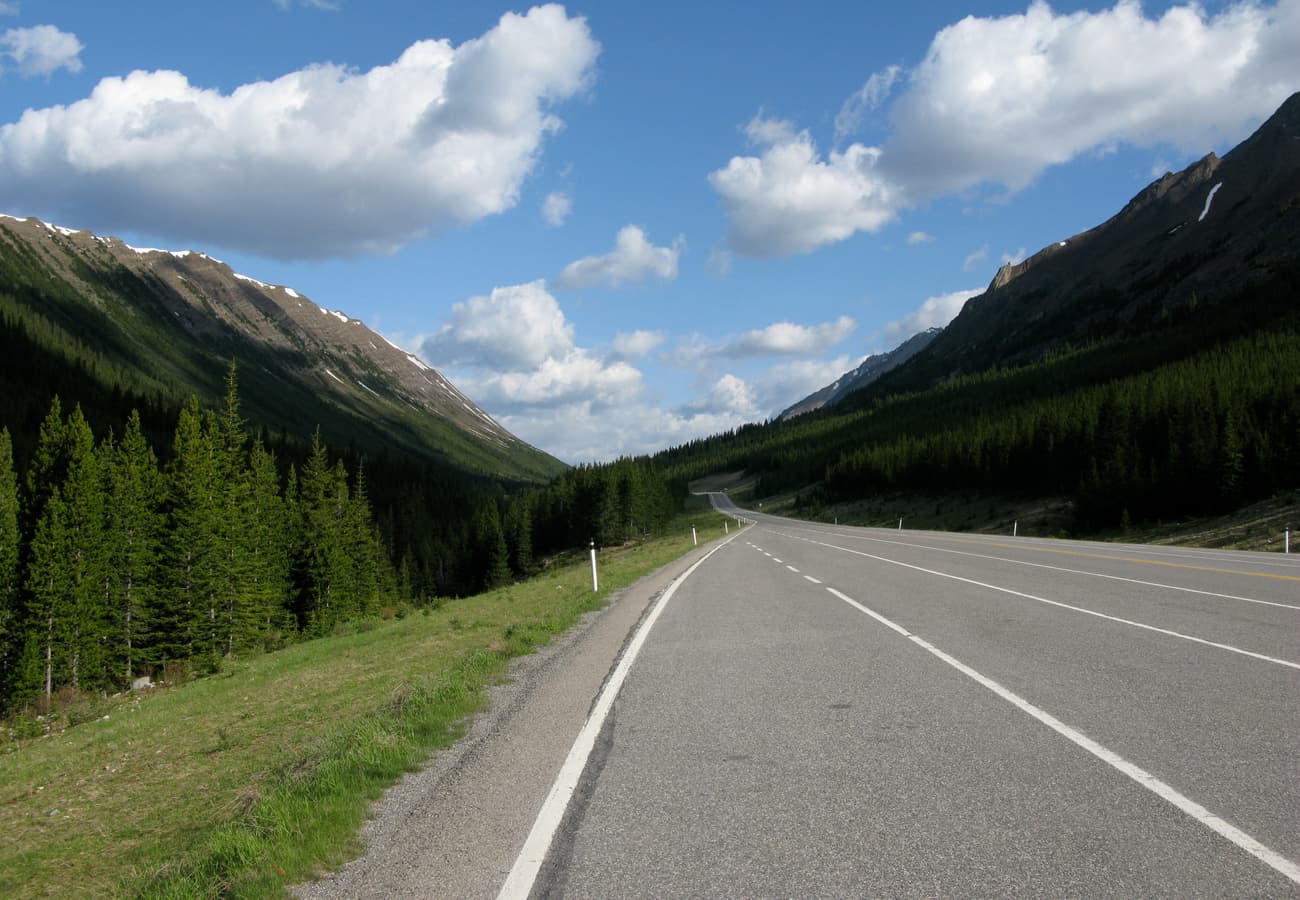 Highwood Pass alpine pass traversing Kananaskis Country.
This adventurous variation follows the Crowsnest Highway across into Alberta before entering Banff National Park from the south through Kananaskis Country.
From Crowsnest Pass, turn north onto Alberta Highway 40, cresting Highwood Pass at 7,273 feet (2,206 m)—the highest paved public road in Canada. Surrounded by golden subalpine larches in autumn and towering limestone amphitheaters in Peter Lougheed Provincial Park, the road drops into Canmore and the Bow Valley before concluding in Banff.
Important Note: Highwood Pass operates seasonally between June 15 and November 30. An Alberta Kananaskis Conservation Pass is required for vehicle parking.
8. The North Thompson & Yellowhead Mountain Loop (Highway 5 North & Icefields Parkway)
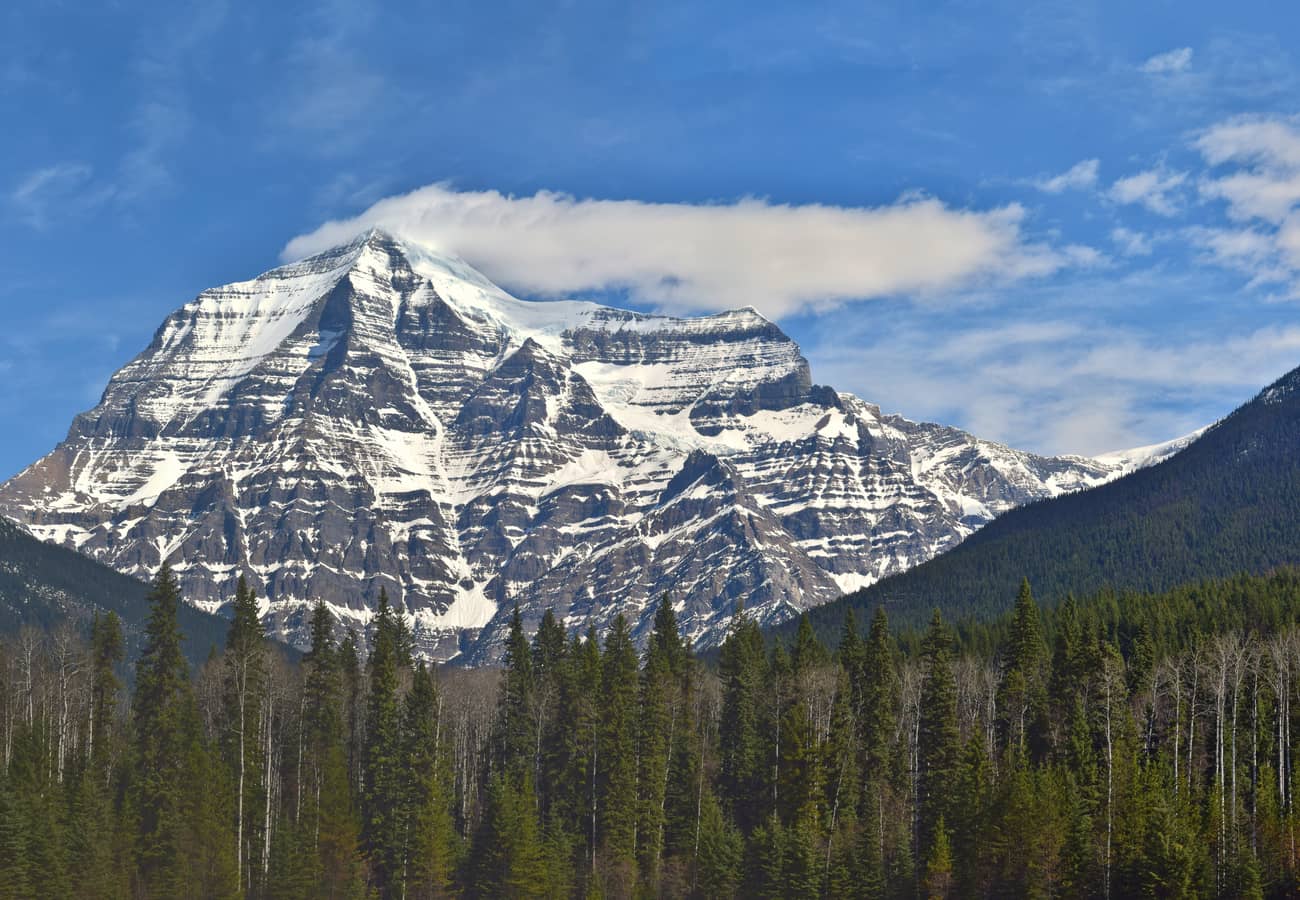 Mount Robson towering dramatically over the Yellowhead Highway.
For the ultimate grand circuit of western Canada, this northern loop combines British Columbia's tallest peak with the world-famous Icefields Parkway.
From Kamloops, follow Highway 5 North along the North Thompson River past Clearwater and Wells Gray Provincial Park to Valemount. Marvel at Mount Robson (12,972 ft), the highest peak in the Canadian Rockies, before crossing Yellowhead Pass into Jasper National Park. From Jasper, travel south along the incomparable Icefields Parkway (Highway 93 North) past Athabasca Glacier and Peyto Lake directly into Banff.
Reddit overland travelers highlight this route as the single most comprehensive Canadian Rockies road trip, recommending at least 5 to 7 days to complete it.
9. The Similkameen & Nicola Valley Country Route (Highway 3 to Highway 5A)
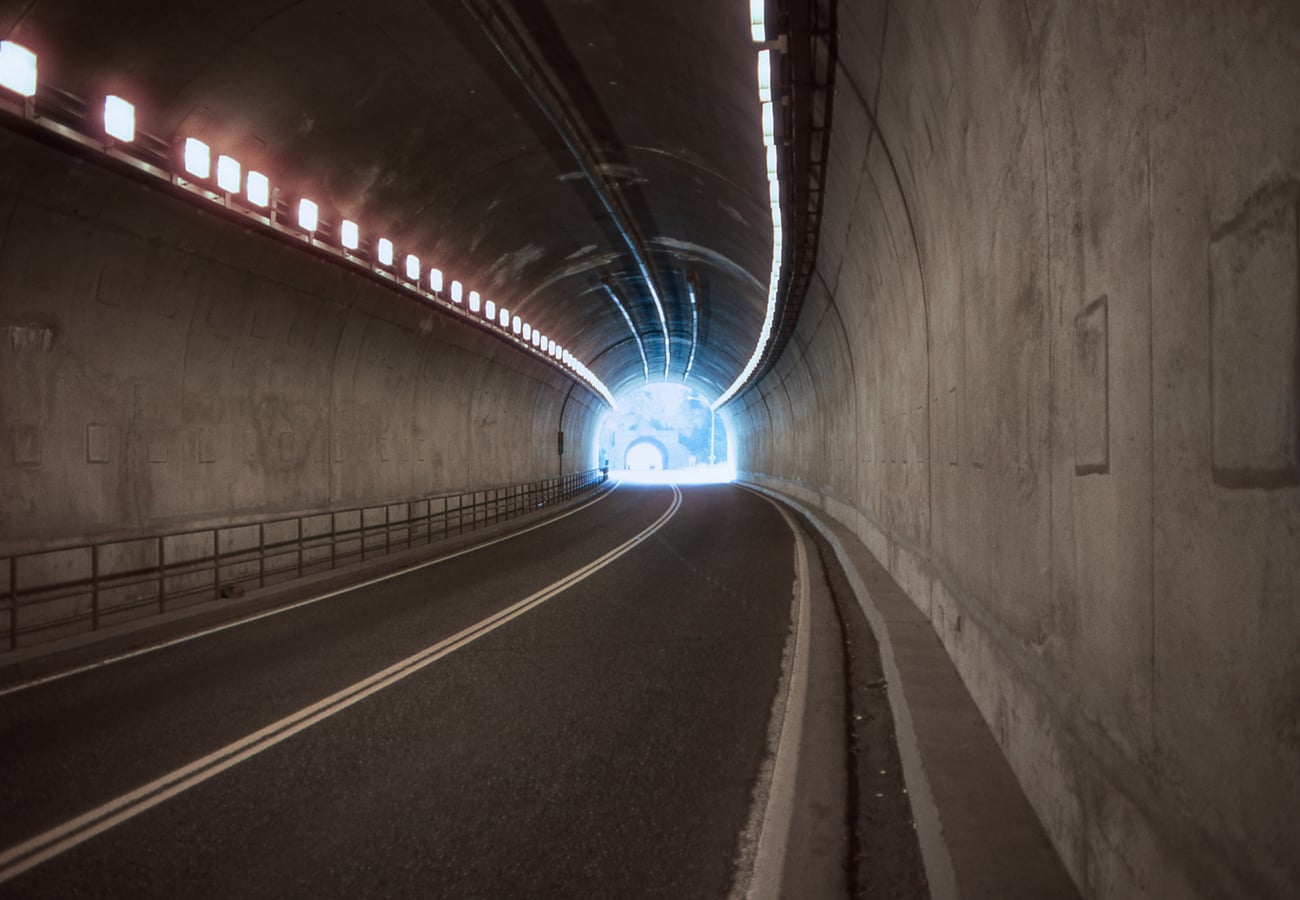 Scenic highway tunnels and river canyons in the interior mountain valleys.
Pairing historic open-range cattle country with red canyon bluffs, this relaxed two-lane alternative avoids major freeway corridors.
Departing Hope along Highway 3, drive through the alpine spruce groves of Manning Park and down into the historic red-clay bluffs of Princeton. Transition onto BC Highway 5A, which meanders through the pristine open rangelands of the Nicola Valley and past Nicola Lake to Kamloops. Rejoin Highway 1 east toward Revelstoke and Banff.
Community members on r/roadtrip praise Highway 5A for its vintage Western ranching character, rustic heritage hotels like Quilchena, and peaceful, unhurried driving conditions.
10. The Sunshine Coast & Sea-to-Sky Marine Link (Coastal Ferries to Highway 99)
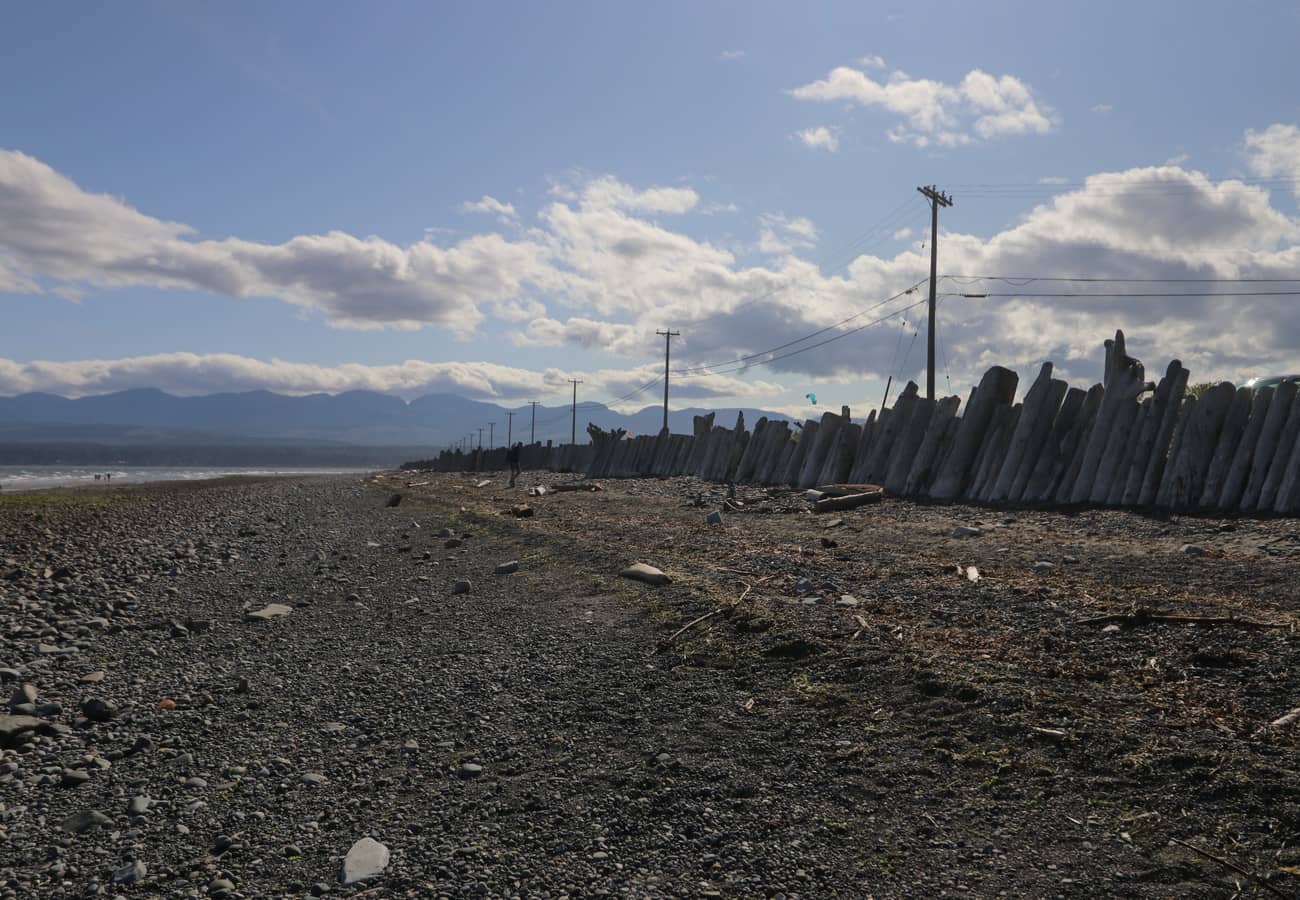 Coastal waters and forested inlets along the Sunshine Coast in British Columbia.
For motorists who wish to begin their mountain journey with maritime island scenery, this creative routing incorporates the BC Ferries coastal marine network.
From Horseshoe Bay in West Vancouver, board the ferry to Langdale on the lower Sunshine Coast. Drive scenic coastal roads past Gibsons and Sechelt to Earls Cove, board a second ferry to Saltery Bay, and explore the historic pulp and arts town of Powell River. Take the ferry across the Salish Sea to Comox on Vancouver Island, return to the mainland at Nanaimo/Horseshoe Bay, and join Highway 99/1 toward Banff.
Redditors recommend this route for travelers with flexible schedules seeking an immersive blend of coastal Pacific ocean culture and rugged Rocky Mountain heights.
Vancouver to Banff Routes: Comparison & Itinerary Matrix
| Route Option | Total Distance | Recommended Duration | Defining Mountain Highlight | Driving Character | Best Travel Window |
|---|---|---|---|---|---|
| 1. Trans-Canada Mainline | 540 miles | 3–4 days | Fraser Canyon, Rogers Pass, Yoho | Iconic national parks, historic passes | June – October |
| 2. Coquihalla Expressway | 530 miles | 1–2 days | Coquihalla summit (4,081 ft), Merritt | Modern multi-lane freeway, fast transit | May – October |
| 3. Duffey Lake & Whistler | 570 miles | 3–5 days | Duffey Lake, Whistler, Howe Sound | Steep 13% grades, thrilling switchbacks | June – October |
| 4. Okanagan Wine Corridor | 590 miles | 3–5 days | Okanagan Lake, estate vineyards | Lakeside cruising, culinary stops | May – October |
| 5. Crowsnest & Kootenay | 640 miles | 4–6 days | Sinclair Canyon, Radium Hot Springs | Peaceful two-lane, geothermal baths | Year-round |
| 6. Monashee Cable Ferry | 585 miles | 3–5 days | Upper Arrow Lake ferry, Nakusp | Remote, uncrowded, natural hot springs | June – October |
| 7. Highwood Pass Alpine | 650 miles | 4–6 days | 7,273-ft pass, Kananaskis larches | High mountain pass (closed winter) | June 15 – Oct |
| 8. Yellowhead & Icefields | 710 miles | 5–7 days | Mount Robson (12,972 ft), Icefields Pkwy | Ultimate Rockies grand circuit | June – September |
| 9. Nicola Valley Country | 550 miles | 2–4 days | Nicola Lake, historic cattle ranches | Pastoral two-lane byway | May – October |
| 10. Sunshine Coast Marine | 680 miles | 5–7 days | Coastal fjords, scenic car ferries | Relaxed ocean & mountain blend | May – September |
Essential Driver Advice for Vancouver to Banff in 2026
- Mandatory Winter Tire Laws: Between October 1 and April 30, British Columbia regulations require all passenger vehicles traveling on Highway 1, Highway 5, Highway 3, and Highway 99 to have designated winter tires marked with the Mountain Snowflake or M+S symbol (minimum 3.5mm tread depth).
- National Park Entry Pass: A valid Parks Canada Discovery Pass or daily park pass is legally required for all vehicles entering Mount Revelstoke, Glacier, Yoho, and Banff National Parks. Passes can be purchased online or at highway park gates.
- Time Zone Boundary: Traveling from Vancouver to Banff crosses from Pacific Daylight Time (PDT) to Mountain Daylight Time (MDT) at the Continental Divide, losing one hour. Factor this shift into dinner reservations and park shuttle check-in times.
- Book Lake Shuttles Early: Private personal vehicles are strictly banned on Moraine Lake Road. If you plan to visit Moraine Lake or Lake Louise during your trip, reserve official Parks Canada shuttles or Roam Transit seats well in advance.
Frequently Asked Questions
What is the most scenic route to drive from Vancouver to Banff?
The Sea-to-Sky and Duffey Lake Route (Highway 99) connecting into Highway 1 is widely regarded as the most visually stunning route, featuring dramatic ocean fjords, alpine turquoise lakes, and towering mountain passes.
How long does it take to drive from Vancouver to Banff?
The direct drive via Highway 1 or Highway 5 takes approximately 9.5 to 10.5 hours without stops. However, Reddit road trippers strongly recommend breaking the journey into at least 2 to 4 days with overnight stays in Revelstoke, Golden, or Kamloops.
Which route is best for avoiding heavy commercial traffic?
The Crowsnest Highway (Highway 3) and Highway 99 via Duffey Lake carry far fewer commercial transport trucks than the primary Trans-Canada Highway and Coquihalla freeway corridors.
Related Travel Guides
- 10 Best Vancouver to Calgary Road Trip Stops Reddit Travelers Recommend in 2026
- 10 Best Calgary to Vancouver Scenic Road Trips Reddit Travelers Recommend in 2026
- 10 Best Banff to Jasper Road Trip Stops Reddit Travelers Recommend in 2026
- 10 Best Icefields Parkway Stops Reddit Travelers Recommend in 2026
Disclaimer
This article is for informational and educational purposes only. It does not constitute legal, financial, or professional advice. While we strive to provide accurate and up-to-date information, travel policies, regulations, and conditions change rapidly. Always verify information with official sources before making travel decisions. Nomad Lawyer makes no representations about the accuracy, reliability, completeness, or suitability of the information provided. Readers should consult qualified professionals for advice specific to their circumstances. The views expressed in this article are those of the author and do not necessarily reflect the views of Nomad Lawyer.
Raushan Kumar
Founder & Lead Developer
Full-stack developer with 11+ years of experience and a passionate traveller. Raushan built Nomad Lawyer from the ground up with a vision to create the best travel and law experience on the web.
Learn more about our team →