
Zimbabwe Deploys Space Technology and EarthRanger for Wildlife Safety
Zimbabwe integrates space technology and EarthRanger data to protect wildlife, mitigate human-wildlife conflict, and secure safari tourism.

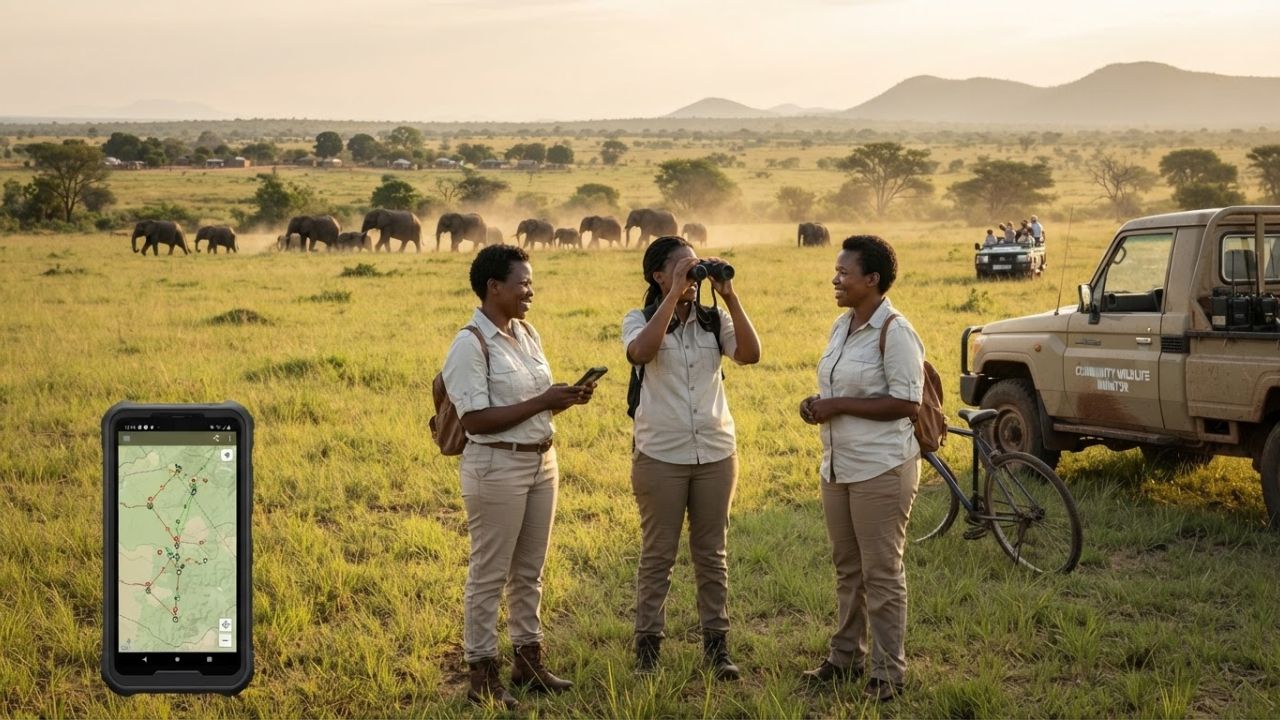
Image generated by AI
Zimbabwe has entered a digital era of wildlife conservation, integrating space technology, satellite mapping, and the EarthRanger platform to secure its wilderness corridors in real time. By linking remote sensors and GPS collars with mobile-equipped community scouts, the country is mitigating human-elephant conflict while protecting premium safari destinations like Hwange and Mana Pools.
The High-Tech Transition in Zimbabwe's Wildlife Corridors
The international safari tourism sector is experiencing a transition as destinations deploy technology to protect natural resources. Zimbabwe, globally recognized for its biodiversity, has positioned itself at the center of this shift by combining space technology, real-time data, and community-led conservation to secure its national parks.
By establishing these proactive monitoring networks, the country's tourism department aims to build traveler confidence and support the recovery of the hospitality industry. Safari lodges and tour operators are working directly with conservationists, integrating these technology demonstrations into their guest itineraries. This allows visitors to learn about conservation science firsthand, adding educational value to their travel experience while generating funding for regional projects.
Protecting wildlife across large territories has become increasingly complex. Expanding rural communities, climate-related water shortages, and severe seasonal droughts have led to more frequent encounters between humans and wild animals. In response, the Zimbabwean government and its conservation partners are moving away from purely reactive ranger patrols toward a connected, preventive digital network. This approach protects species like elephants and rhinos while ensuring the safety of international tourists visiting Hwange, Mana Pools, Gonarezhou, and Matusadona National Parks.
Space Technology and EarthRanger: Building a Connected Grid
The foundation of Zimbabwe's updated conservation strategy is the integration of the EarthRanger data platform. This system acts as a digital visualization center, collecting and analyzing information from different sources to monitor environmental changes in real time.
This integrated data system also allows managers to monitor climatic conditions, such as temperature anomalies and rainfall patterns, which are vital for predicting drought-related animal movements. By tracking these broader environmental changes, conservation teams can plan water-delivery projects, using solar-powered pumps to supply artificial pans in the deep bush. This proactive water management keeps animals inside the national parks, reducing pressure on surrounding rural communities.
The conservation network aggregates data from:
- GPS Animal Collars: Tracks the movement patterns of elephant herds and large carnivores.
- Mobile Reporting Applications: Allows field scouts and local villagers to log wildlife observations.
- Remote Sensors: Monitors water levels and environmental conditions at remote watering holes.
- Satellite Imagery: Evaluates vegetation changes, fire risks, and habitat degradation.
- Camera Traps: Records animal activity near corridors and national park boundaries.
By compiling these data points, conservation managers can identify risk areas before conflicts escalate. For example, if a collared elephant herd moves toward communal agricultural fields, the system generates early alerts. This allows local scouts to deploy non-lethal deterrents, preventing crop damage and reducing the risk of dangerous encounters.
Community-Based Monitoring: Bicycles and Mobile Phones
A vital component of Zimbabwe's conservation strategy is the direct involvement of local communities through natural resource management frameworks.
Villagers living in communal areas adjacent to national parks serve as active partners in wildlife protection. Equipped with mobile phones, community members can record wildlife sightings and submit information to regional databases. In many buffer zones, local scouts travel through the terrain on bicycles to monitor animal movements and report illegal activity. This community-based early warning system bridges the gap between rural residents and conservation experts.
These local scout networks are funded partly through conservation grants and tourism levies, providing a direct source of income for rural households. By creating green jobs in monitoring and anti-poaching, the program demonstrates that wildlife preservation can serve as a viable alternative to subsistence farming. This economic empowerment helps build community resilience, ensuring that local residents are active partners in protecting their natural heritage.
This model recognizes that long-term wildlife protection cannot succeed without the support of the people who live alongside these animals. By protecting crops and livestock from damage, the technology helps local communities see wildlife as an economic asset rather than a threat, supporting the local economy.
Species Recovery: Rhino Breeding and Combating the Illegal Trade
Zimbabwe is also utilizing technology to support the recovery of endangered species and combat wildlife crime. Special security measures and breeding programs are helping to protect black and white rhino populations in dedicated sanctuaries.
Anti-poaching operations utilize:
- Digital Patrol Tracking: Monitors ranger movements to ensure comprehensive coverage.
- Wildlife Movement Analysis: Identifies unusual animal behavior that may indicate the presence of poachers.
- Intelligence Sharing Platforms: Coordinates anti-poaching units across different regions.
- Remote Security Cameras: Secures sensitive breeding zones and boundary fences.
These tools allow the Zimbabwe Parks and Wildlife Management Authority (ZimParks) to allocate its resources efficiently, focusing patrols on high-risk areas. Additionally, specialized programs are active in protecting other vulnerable species, including lions, cheetahs, African wild dogs, and pangolins, strengthening the country's biodiversity.
Visitor Guide: Traditional Dining, Safari Etiquette, and Solar Charging
Visiting Zimbabwe's national parks involves understanding safari etiquette, preparing equipment for remote environments, and tasting regional culinary specialties. By preparing in advance, travelers can enjoy a comfortable safari.
Sample traditional Zimbabwean culinary specialties during your trip. Order Sadza, the national staple made from ground white maize meal cooked into a thick porridge, traditionally served with a relish of stewed beef or chicken and sautéed leafy greens. Try biltong, a traditional dried cured meat, and enjoy fresh trout sourced from the Nyanga Highlands.
Observe strict safari etiquette and local regulations. When packing, choose neutral-colored clothing in khaki, brown, or olive green. Do not pack or wear camouflage clothing, as it is illegal for civilians in Zimbabwe and reserved for military use. Avoid dark blue and black clothing, which can attract tsetse flies in low-lying river valleys.
Support community-led conservation by choosing accommodations that participate in the CAMPFIRE (Communal Areas Management Programme for Indigenous Resources) initiative. This program ensures that a portion of tourism revenues is returned to local district councils to fund community infrastructure projects like schools, clinics, and clean water wells.
Prepare your electronic devices for off-grid operations. While many premium lodges in Hwange and Mana Pools utilize solar power systems, carry a high-quality solar power bank or portable solar panel to charge cameras and phones during mobile camping trips. Use soft-sided duffel bags rather than hard suitcases, as they are required for weight and space limitations on light aircraft transfers.
Save emergency contact details before departing Harare. In the event of an emergency, contact the ZimParks Corporate Centre at +263 (242) 707625. If visiting the Hwange area, keep the ZRP Hwange police number (0281-32750) and the ZimParks Main Camp number (+263-772-177-262) saved in your device.
Future Outlook: Rebuilding Sustainable Safari Tourism
The future of tourism in Zimbabwe depends on maintaining a balance between conservation and community development. As international traveler demand for responsible tourism grows, ZimParks is expanding its partnership with technology providers and community groups.
Sustainable initiatives include establishing solar-powered communication grids in remote valleys, retrofitting patrol vehicles for reduced emissions, and expanding wildlife corridor protections. By utilizing space technology and real-time data to protect its natural resources, Zimbabwe ensures that its national parks remain secure and viable sanctuaries, preserving its wildlife for future generations of global travelers.
Related Travel Guides
Disclaimer
This article is for informational and educational purposes only. It does not constitute legal, financial, or professional advice. While we strive to provide accurate and up-to-date information, travel policies, regulations, and conditions change rapidly. Always verify information with official sources before making travel decisions. Nomad Lawyer makes no representations about the accuracy, reliability, completeness, or suitability of the information provided. Readers should consult qualified professionals for advice specific to their circumstances. The views expressed in this article are those of the author and do not necessarily reflect the views of Nomad Lawyer.
Kunal K Choudhary
Co-Founder & Contributor
A passionate traveller and tech enthusiast. Kunal contributes to the vision and growth of Nomad Lawyer, bringing fresh perspectives and driving the community forward.
Learn more about our team →