
Turkey Travel Warning: Fines for Breaking Passport Carrying Rules
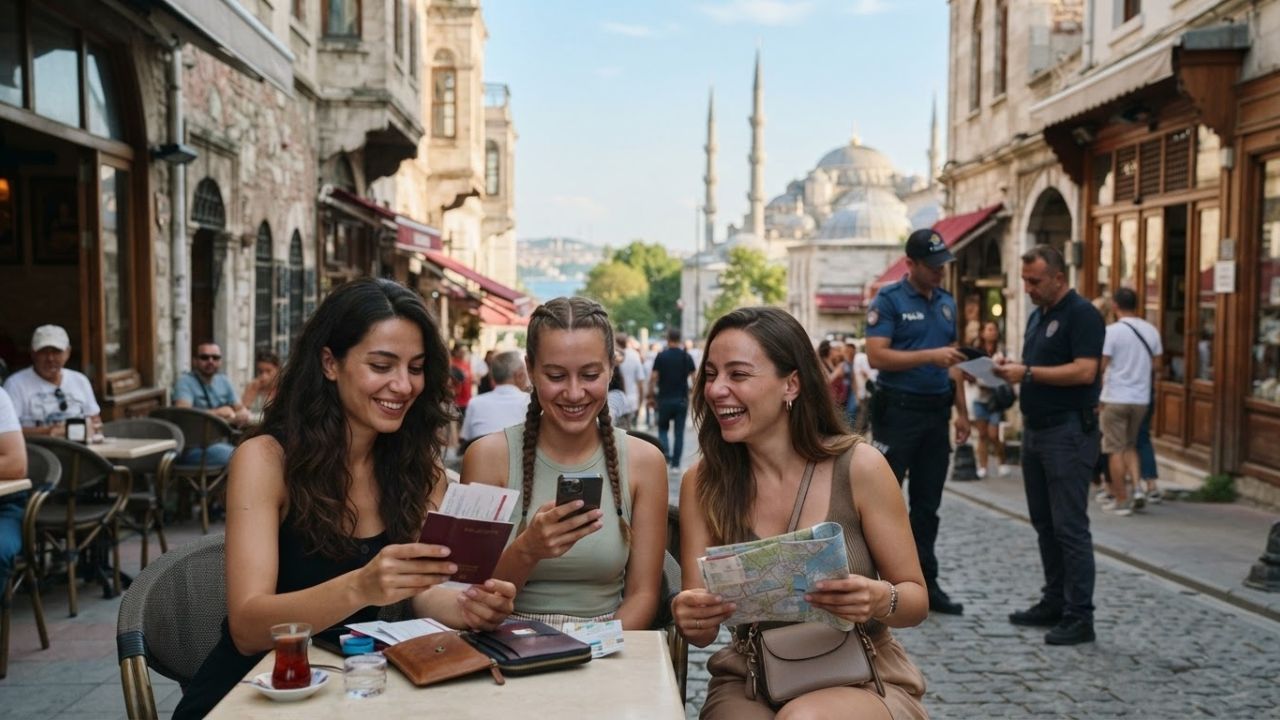
Image generated by AI
Foreigners visiting Turkey face administrative fines ranging from 900 to 3,000 Turkish Lira (approximately £25 to £100) and potential detention if stopped without their original passport. Under Turkish law, all foreign nationals must carry valid photographic identification at all times when outside their temporary accommodations.
Turkish authorities regularly conduct identity inspections in city centers, transport hubs, coastal resorts, and public spaces to maintain security. Possessing a photocopy of passport details or a digital image on a mobile device is not accepted during official checks. Consular advisories and local authorities warn that travelers unable to produce their original travel documents risk questioning at police stations and delays until their legal entry status can be verified.
The Local Trend: Routine Security Inspections Across Cities
Turkey continues to be a leading destination for international holidaymakers, welcoming millions of visitors annually. However, regional security challenges have led to an increase in routine identity checkpoints. Inspections can happen without prior warning in busy tourist zones throughout Istanbul, Antalya, Izmir, Bodrum, and the Aegean coast.
These checks are standard administrative procedures designed to monitor immigration status and detect visa overstayers. For travelers, this means keeping physical travel documents close at hand is no longer just a border control requirement, but a daily operational rule during their entire stay.
Road Checkpoints and Public Transportation Rules
The requirement to show original passports extends to transport networks across the country. Police check stations operate on major highways, intercity bus routes, and regional trains. For example, when using high-speed trains (YHT) between Istanbul, Ankara, or Konya, passengers must present their passports during ticket purchase and boarding. These rail terminals also implement airport-style security screenings, including baggage X-ray scans.
Similarly, travelers renting cars, booking private transfers, or taking intercity buses through Cappadocia or between coastal resorts must prepare for road inspections. Every member of a traveling group, including children, must carry their own original documents. Parents carrying only their own passports while leaving their children's passports at the hotel could face administrative delays if inspected.
Environmental Stewardship and Green Transit Choices
Travelers can support local environmental goals by utilizing Turkey's extensive public transit systems rather than relying on private rental vehicles. Using the Istanbulkart in Istanbul, or taking the YHT high-speed rail network, reduces traffic congestion and carbon footprints in fragile urban environments.
In addition, this model supports community conservation projects. Many budget travelers choose to participate in volunteer beach cleanups and environmental education programs run by local non-profit organizations. By choosing eco-tours and buying local goods, travelers contribute to the preservation of these unique coastal ecosystems and support local small business owners.
Respecting Local Customs and Cultural Heritage
When exploring historic and religious landmarks, understanding local rules and traditions is essential for a respectful trip:
- Active Mosque Etiquette: When visiting active places of worship, such as the Hagia Sophia or the Blue Mosque in Istanbul, visitors must dress modestly out of respect. Knees and shoulders must be covered for all guests. Women must cover their hair with a headscarf.
- Shoe Removal Rules: Visitors must remove their footwear before stepping onto the carpeted areas inside mosques. Plastic bags are provided to carry shoes, or they can be stored in the designated racks at the entrance.
- Supporting Local Craft Cooperatives: When shopping in the Grand Bazaar or regional markets, purchase handmade carpets, pottery, and textiles directly from certified artisan cooperatives. This direct purchasing ensures that tourist spending supports family-run workshops and preserves traditional weaving techniques.
Traditional Gastronomy: Regional Culinary Specialties
Explorations of Turkey's diverse cities allow travelers to experience traditional dishes prepared using fresh, regional ingredients:
- Traditional Kahvaltı (Turkish Breakfast): A social dining experience consisting of many small plates, including cheeses, green and black olives, fresh tomatoes, cucumbers, honey, kaymak (clotted cream), and eggs (menemen), served with hot Turkish tea (çay). It is an essential culinary experience.
- Menemen (Turkish Scrambled Eggs): A traditional breakfast dish made with scrambled eggs, fresh tomatoes, green peppers, onions, and local spices, slow-cooked in a copper pan and served with warm crusty bread. It is best enjoyed fresh in local cafes.
- Lahmacun (Turkish Flatbread): A thin, crispy round dough topped with minced beef or lamb, tomatoes, onions, garlic, and fresh parsley, baked in a stone oven and rolled up with a squeeze of fresh lemon juice, representing a staple of fast food.
- Adana Kebab (Spicy Minced Kebab): A long, hand-minced meat skewer mounted on a wide iron skewer and grilled over charcoal, seasoned with red pepper flakes and served with charred flatbread, onions, and sumac salad.
- Traditional Baklava (Pistachio Pastry): Layers of thin filo pastry filled with finely chopped pistachios from Gaziantep, sweetened with a light sugar syrup and served at room temperature, representing a classic Ottoman dessert.
- Balık Ekmek (Fish Sandwich): A popular street food dish in Istanbul featuring freshly grilled mackerel fillet served inside a crusty loaf of bread with onions, lettuce, and a squeeze of lemon juice, traditionally prepared on boats docked along the Golden Horn.
Visitor Insider Tips: Preparing for Passport Checks in Turkey
To ensure a safe, legal, and smooth trip across Turkey, follow these practical guidelines:
- Carry the Original Physical Passport: Never leave your hotel room without your original physical passport. Photocopies or images on your smartphone are not accepted as legal identification by the police. Keep it stored in a secure interior pocket or neck pouch.
- Verify the 150-Day Validity Rule: Your passport must be valid for at least 150 days (5 months) from your date of entry into Turkey. Ensure it has at least one blank page for entry and exit stamps, which is essential for verification checks.
- Maintain Digital Backups Safely: Store high-resolution scans of your passport and entry stamp in a secure cloud storage account or your email. This backup will simplify replacement procedures at the consulate if your physical passport is lost or stolen.
- Review Visa Limits: British citizens can enter Turkey visa-free for tourism or business stays of up to 90 days within any 180-day period. Do not exceed this limit to avoid heavy fines and entry bans.
- Observe Border Zone Warnings: Respect security zones. The UK Foreign, Commonwealth & Development Office (FCDO) advises against all travel to regions within 10 kilometers of the Syrian border due to ongoing conflict and security risks.
Outlook: Resilient and Secure Tourism Infrastructure
Turkey's emphasis on security and passport compliance represents a broader effort to build a resilient and secure tourism sector. By maintaining rigorous safety checks and upgrading public transit networks like the YHT high-speed rail, the country aims to protect visitors while preserving its historic and natural heritage.
Future developments will focus on the expansion of high-speed rail connections to eastern regions, the implementation of digital guest registration systems at hotels, and the development of eco-tourism programs in Cappadocia and the Aegean hills. By balancing security measures with warm hospitality, Turkish destinations aim to remain safe and welcoming for future generations of international travelers.
Related Travel Guides
Disclaimer
This article is for informational and educational purposes only. It does not constitute legal, financial, or professional advice. While we strive to provide accurate and up-to-date information, travel policies, regulations, and conditions change rapidly. Always verify information with official sources before making travel decisions. Nomad Lawyer makes no representations about the accuracy, reliability, completeness, or suitability of the information provided. Readers should consult qualified professionals for advice specific to their circumstances. The views expressed in this article are those of the author and do not necessarily reflect the views of Nomad Lawyer.