
Lithuania’s Užupis District Transforms Vilnius Into Creative Cultural Hub
The artistic district of Užupis in Vilnius, Lithuania, showcases a unique bohemian identity, symbolic constitution, and summer festivals in H2 2026.

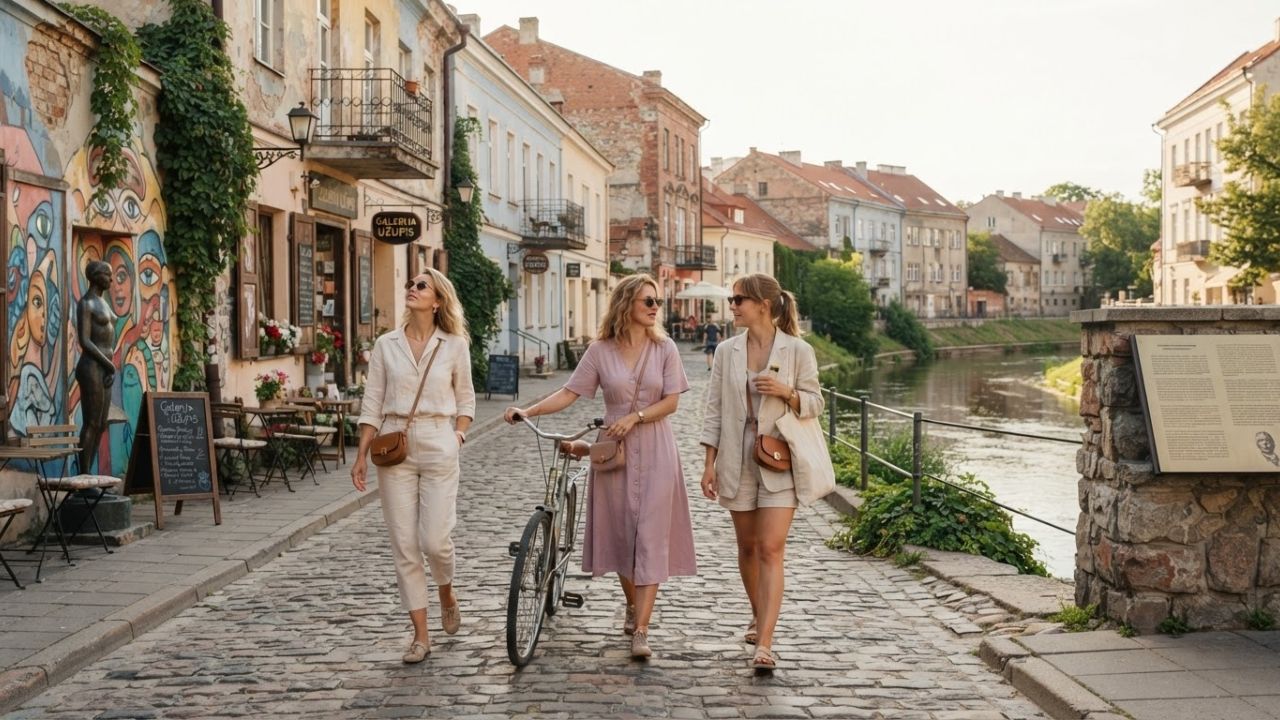
Image generated by AI
The historic district of Užupis in Vilnius has completed a remarkable urban transformation from a neglected quarter in the early 1990s into one of Europe's most unique artistic neighborhoods. Located along the Vilnelė River and celebrated for its symbolic self-declared republic status, the district is driving a cultural tourism boom in Lithuania's capital.
The tourism market in the Baltic states is observing a significant growth in creative tourism, with travelers increasingly seeking neighborhoods that offer a distinct personality, local community engagement, and living artistic traditions over standardized commercial landmarks. In Lithuania's capital, Vilnius, this trend is highlighted by the district of Užupis. Once a neglected industrial area with abandoned structures and limited traveler appeal, the neighborhood has evolved into a creative community filled with independent art studios, riverside cafes, street art, and public sculptures that encourage slow exploration.
For the traveler, the real impact of this cultural shift is the opportunity to explore a living art installation that preserves historic medieval and baroque structures while fostering modern creativity. Travelers can easily combine the bohemian atmosphere of Užupis with the neighboring UNESCO-listed historic center of Vilnius, experiencing the contrast between traditional Baltic heritage and contemporary urban culture.
The Rebirth of a Historic Industrial District
Užupis has undergone one of the most significant urban developments in Northern Europe. During the early 1990s, the district was viewed as a neglected pocket of Vilnius, suffering from urban decay and a lack of municipal investment. The transformation began when local artists, creative communities, and independent entrepreneurs started moving into the area, attracted by low rental costs and the historic character of the Vilnelė River valley.
This movement initiated a comprehensive cultural revival:
- Artistic Integration: Colorful murals, public sculptures, and open-air galleries were integrated into the historic cobblestone streets, converting the district into an interactive exhibition.
- Community Restoration: Abandoned buildings were repurposed into workshops, local cafés, and design boutiques, encouraging travelers to support local micro-economies directly.
- Decentralized Travel: Rather than funneling tourists toward crowded central monuments, the district spreads foot traffic across quiet side streets and riverside paths, reducing urban tourism pressures.
This urban model demonstrates how community-led initiatives can revitalize historic cities while protecting their architectural heritage.
The Symbolic Republic of Užupis and its Constitution
A defining feature of the district is its symbolic declaration as an independent republic. On 1 April 1997, resident artists and community leaders symbolically declared the Republic of Užupis, establishing a symbolic government, flag, national anthem, and a borders crossing post along the Vilnelė River bridge.
The republic identity operates as a celebration of imagination, community humor, and personal freedom:
- The Užupis Constitution: Displayed publicly on shiny metal plaques along Paupio Street, the constitution contains humorous and philosophical articles translated into dozens of international languages. The Constitution plaques are mounted on a wall along Paupio Street, attracting visitors who walk along the street to read the unique declarations. Initially displayed only in Lithuanian and English, the list of languages has expanded to include French, German, Spanish, Georgian, Ukrainian, and even regional dialects. This linguistic diversity highlights the neighborhood's welcoming character and its symbolic message of universal human rights, celebrating the creative spirit of the local community.
- Humorous Rights: The articles declare the right of everyone to be happy, the right to make mistakes, the right to love, and even the right of a dog to be a dog, celebrating individuality and acceptance.
- Annual Independence Day: On April Fools' Day (1 April), the community hosts its annual celebration, featuring street performances, local music, and symbolic passport stamping at the river crossing.
This playful identity has become a major cultural draw, demonstrating how creative storytelling can create a unique brand for historic neighborhoods.
Summer Festivals and Baltic Traditions
The tourism appeal of Vilnius is further enhanced by traditional Lithuanian celebrations that connect urban travelers with ancient seasonal customs. The Midsummer Festival, known locally as Joninės or Rasos, remains one of the country's most significant cultural celebrations:
- Rasos Rituals: Traditional activities include weaving flower wreaths, celebrating around large bonfires, and performing folk songs that connect modern communities with centuries-old agricultural customs.
- Folk Storytelling: Traditional music and dance groups perform in public parks and riverbanks, preserving regional folklore and regional history.
These seasonal events offer international visitors a deeper understanding of Baltic identity, showing that Lithuanian culture remains an active part of daily life in modern cities. Official tourism reports from Go Vilnius suggest that a two- to three-day visit allows travelers to experience both the historic Old Town and the creative district of Užupis comfortably.
Ecotourism and Direct Community Support in Vilnius
The growth of tourism in Vilnius is closely integrated with environmental protection and resource conservation. Vilnius is recognized as one of Europe's greenest capitals, featuring extensive parks, forest reserves, and clean river systems. For the traveler, the real impact is the availability of sustainable transit options, including electric trolleybuses, public bike-share schemes, and pedestrian-only zones that minimize transit emissions.
Travelers can directly support the local community by purchasing authentic Baltic amber jewelry, linen textiles, and handmade ceramics directly from independent artisan workshops in Užupis. Choosing locally owned guest houses and dining at family-run bistros that source ingredients from regional Lithuanian farms ensures that tourism spending directly benefits resident families and protects the local agricultural economy.
Destination Specialist Local Insider Tips
To help you explore Užupis and the historic Old Town of Vilnius safely and responsibly, regional specialists suggest the following local tips:
- Walk the Vilnelė River Path: Find the Užupis Mermaid sitting in a stone niche along the riverwall near the main bridge, then walk to the central square to see the bronze Užupis Angel statue, the symbol of the district's revival.
- Savor Šaltibarščiai and Cepelinai: Try traditional Lithuanian gastronomy. Sample Šaltibarščiai (a bright pink, cold beet soup prepared with kefir, cucumber, and dill, served with warm boiled potatoes) or Cepelinai (large grated potato dumplings stuffed with minced meat).
- Observe Local Threshold Etiquette: In traditional Lithuanian culture, shaking hands or passing items across a door threshold is believed to bring bad luck. Always step fully inside before greeting your hosts.
- Read the Constitution on Paupio Street: Spend time on Paupio Street to read the translated plaques of the Užupis Constitution, appreciating the district's unique sense of humor and philosophy.
- Explore the Bernardine Cemetery: Visit this peaceful, historic cemetery near Užupis. Dating back to the 19th century, it features historic headstones and tranquil forest settings, offering a quiet escape from the city.
Long-Term Outlook for Lithuanian Creative Tourism
The long-term outlook for tourism in Vilnius remains highly positive, supported by the integration of historic heritage preservation with community-led creative spaces. By maintaining a balance between tourism growth, environmental protection, and local business support, the capital is creating a resilient travel model.
As regional planners continue to expand green transit corridors and support local artisan cooperatives, the collaboration between municipal authorities and creative districts like Užupis will remain essential. This balanced approach protects the city's unique architectural character, supports local creators, and ensures that the welcoming spirit of Vilnius remains protected for future generations of global travelers.
Related Travel Guides
Disclaimer
This article is for informational and educational purposes only. It does not constitute legal, financial, or professional advice. While we strive to provide accurate and up-to-date information, travel policies, regulations, and conditions change rapidly. Always verify information with official sources before making travel decisions. Nomad Lawyer makes no representations about the accuracy, reliability, completeness, or suitability of the information provided. Readers should consult qualified professionals for advice specific to their circumstances. The views expressed in this article are those of the author and do not necessarily reflect the views of Nomad Lawyer.
Kunal K Choudhary
Co-Founder & Contributor
A passionate traveller and tech enthusiast. Kunal contributes to the vision and growth of Nomad Lawyer, bringing fresh perspectives and driving the community forward.
Learn more about our team →