
Rhine River Low Water Outage Disrupts Viking Idun Cruise Schedule
Viking Cruises adjusts the Viking Idun sailing on August 19, 2026, introducing ship swaps in Cochem and coach links to Strasbourg due to low water.

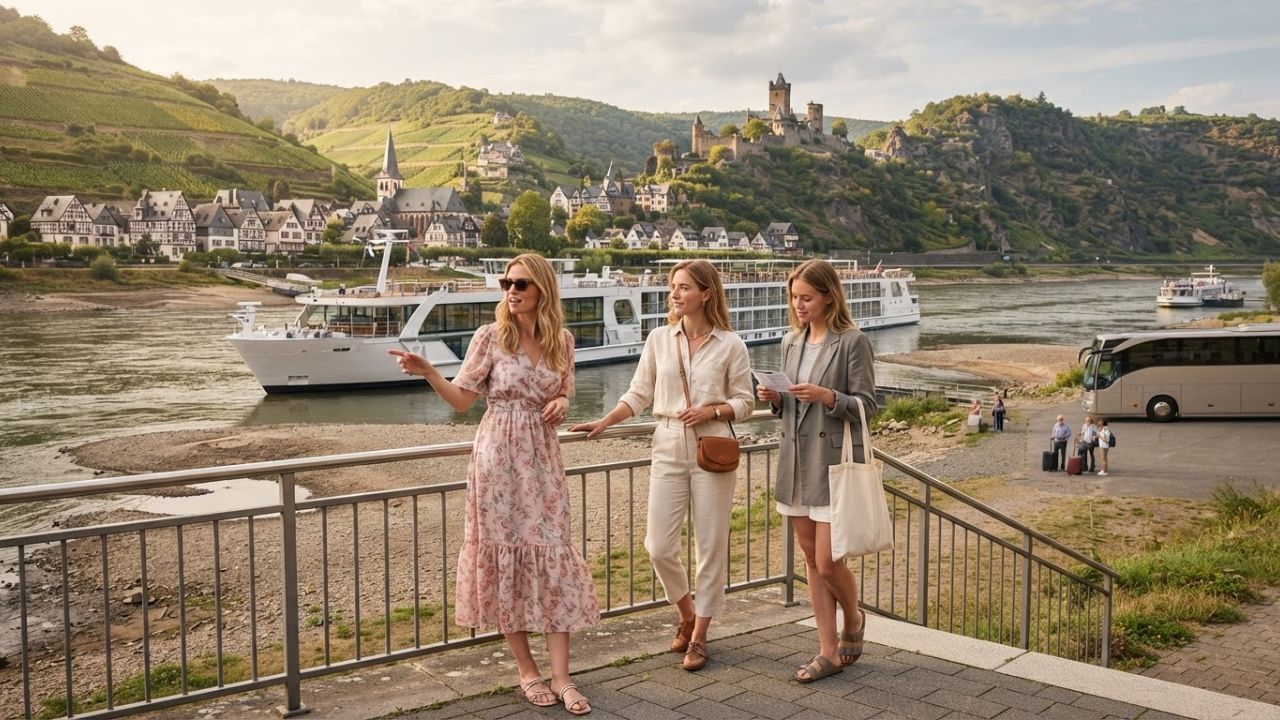
Image generated by AI
Viking Cruises has announced major route adjustments for the Viking Idun sailing on August 19, 2026, due to low water levels along the Rhine River, introducing a ship transfer in Cochem and coach links to Strasbourg.
Itinerary Disruptions: Falling Water Levels Near Maxau
The Rhine River cruise corridor is experiencing severe navigation bottlenecks due to low water levels. The Viking Idun sailing scheduled for August 19, 2026, has been adjusted because shallow sections of the river, particularly around the Maxau gauge, prevent safe navigation for larger passenger ships.
The voyage, which was designed to explore historic destinations across Germany, France, and Switzerland, has been restructured to bypass the dry sections. Low river levels are highly dependent on summer temperatures and rainfall, making daily navigation patterns unpredictable.
Multi-Modal Transit: Cochem Transfers and Strasbourg Coach Links
To maintain the journey, the operator has organized a structured ship swap. Passengers will leave the Viking Idun in Cochem, Germany, and transfer their luggage to a second river vessel waiting beyond the restricted Maxau section.
To link the transit gaps, a motorcoach transfer will carry passengers directly to Strasbourg, France, where the cruise program will resume. These adjustments mean that parts of the itinerary will involve coach transit rather than scenic river sailing.
In addition to these local changes, Viking Cruises must divert ships on various sections of the sailing itinerary through Portugal and Spain, extending the travel routes from Germany, France, and Switzerland. This diversion coordinates rail or flight links to transport passengers to alternative, navigable river systems in the Iberian peninsula.
Shore Excursions and Docking Adjustments
Because the low water prevents vessels from reaching specific piers, some scheduled docking locations may become unavailable. This can lead to revised arrival points and changes to the order of shore visits.
Shore excursions will face modified schedules or cancellations if travel times between the docks and historic towns become impractical. Travelers are advised to follow onboard announcements from the cruise director and remain flexible regarding excursion schedules.
River Ecosystems and Community Support
River cruise operations in Europe are highly sensitive to water extraction and vessel emissions. To promote sustainable travel, passengers are encouraged to practice water conservation onboard and use regional train links during land transits to reduce their carbon footprint.
The ship swap in Cochem offers travelers a direct way to support the regional economy. The Moselle Valley is famous for its steep, terraced vineyards. Purchasing wines directly from local family-owned estates and dining at independent taverns in Cochem and Strasbourg keeps tourism capital circulating within the communities affected by the route diversions.
Local Insider Travel Strategies
- Pack a Mobile Day Bag: Keep passports, travel insurance, essential medicines, and high-value belongings in your hand luggage. Checked luggage will be handled by staff during the ship swap in Cochem, but keeping essentials close prevents travel friction.
- Savor Regional Specialties: Try traditional Alsatian Tarte Flambée (thin-crust flatbread with crème fraîche, onions, and bacon) accompanied by a glass of dry Alsatian Riesling at a local Strasbourg winstub.
- Explore Cochem Castle Off-Peak: Take advantage of the Cochem transfer to visit the hilltop Reichsburg Cochem. Arrive early in the morning to enjoy panoramic views of the Moselle river loop before crowds assemble.
- Understand Dining Etiquette: Greet staff in Germany and France with a polite local greeting ("Guten Tag" or "Bonjour"). A tip of 5% to 10% is standard for table service.
- Flexible Mindset: Check onboard bulletin boards daily, as low water levels mean arrival times and docking locations can change with short notice.
Long-Term Outlook for European River Cruising
As dry summer weather patterns become more frequent in Central Europe, cruise operators are transitioning to more resilient operational models. This includes building shallow-draft vessels and establishing flexible land-based support networks. By collaborating with environmental protection bodies and local transport associations, the cruise industry aims to preserve safe travel along Europe's historic waterways while minimizing the carbon footprint of regional tourism.
Related Travel Guides
Disclaimer
This article is for informational and educational purposes only. It does not constitute legal, financial, or professional advice. While we strive to provide accurate and up-to-date information, travel policies, regulations, and conditions change rapidly. Always verify information with official sources before making travel decisions. Nomad Lawyer makes no representations about the accuracy, reliability, completeness, or suitability of the information provided. Readers should consult qualified professionals for advice specific to their circumstances. The views expressed in this article are those of the author and do not necessarily reflect the views of Nomad Lawyer.
Raushan Kumar
Founder & Lead Developer
Full-stack developer with 11+ years of experience and a passionate traveller. Raushan built Nomad Lawyer from the ground up with a vision to create the best travel and law experience on the web.
Learn more about our team →