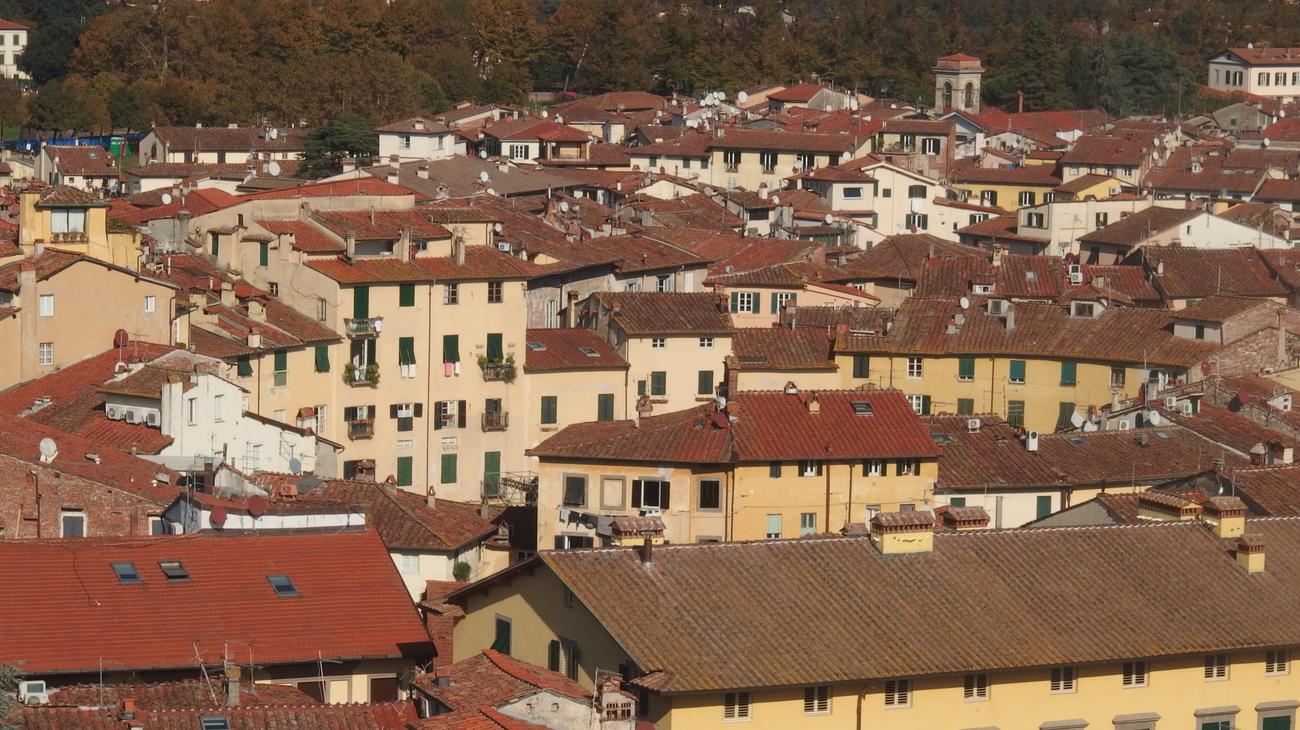
15 Forgotten Medieval Towns in Europe That Feel Like Stepping Back in Time

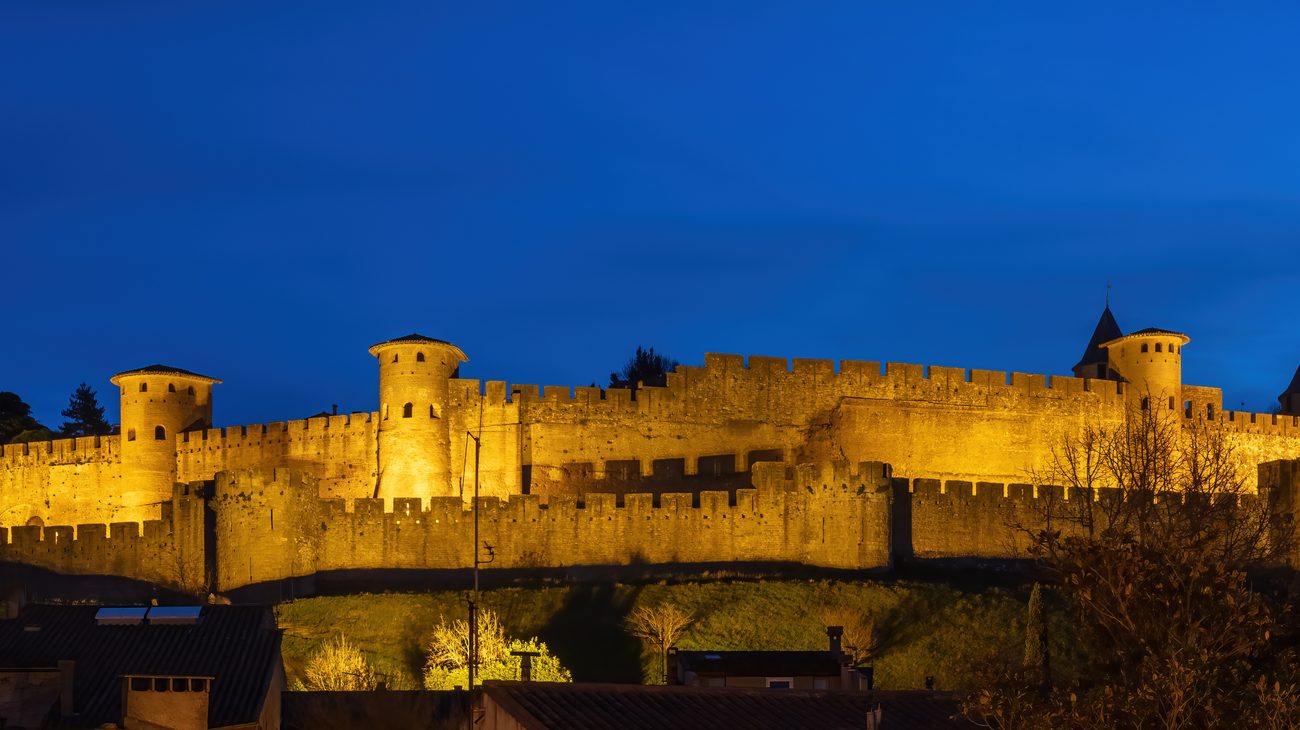
The fortified Cité de Carcassonne in southern France—with 3 kilometers of double ramparts and 52 watchtowers guarding 2,500 years of history.
There is a moment when historical travel stops being an academic exercise and becomes visceral. It happens when the rubber tires of cars are replaced by the rhythmic clatter of your footsteps echoing against uneven, rain-smoothed cobblestones laid in the 13th century. It happens when you look up through a narrow alleyway where half-timbered second stories lean so close together they nearly block out the sky, or when you pass under a portcullis where iron-studded oak gates still hang from rusted hinges.
Much of Europe modernized, expanded, or suffered catastrophic wartime destruction over the past two centuries. But nestled in dramatic river bends, perched atop sheer limestone cliffs, or shielded by stubborn geography, a handful of medieval towns managed to escape the modern bulldozer.
When travelers on Reddit's r/europetravel and r/travel ask for destinations where the medieval atmosphere is completely tangible—places that feel like stepping through an unscripted time portal—the community consensus points far beyond typical day-trip tourist traps.
From formidable crusader bastions and fairy-tale Bohemian castles to cliff-hanging pink stone villages, here are 15 forgotten medieval towns in Europe that feel like stepping back in time.
1. Carcassonne, France — The Ultimate Double-Walled Citadel
Rising high above the Aude river plains in southern France’s Languedoc region, the Cité de Carcassonne looks like an illustration lifted straight from a chivalric Arthurian romance. It is the largest and most complete fortified medieval citadel in Europe, boasting a double ring of stone defensive ramparts stretching nearly three kilometers, punctuated by 52 conical-roofed watchtowers.
- Firsthand Experience: Enter through the imposing Porte Narbonnaise, flanked by two massive stone towers. Walk the lices—the open space between the outer and inner defensive walls—where medieval knights trained. Inside the citadel, narrow stone lanes open into the Château Comtal (Count's Castle) and the Basilica of Saints Nazarius and Celsus, with Romanesque naves and 13th-century stained glass windows.
- The Cassoulet Ritual: After exploring the parapets, sit down at a rustic tavern to savor a piping-hot terracotta bowl of authentic Cassoulet, slow-baked with white Tarbais beans, duck confit, and Toulouse pork sausage.
- Reddit Traveler Consensus: "Visit in the late afternoon. Day tours clear out by 5:30 PM, and walking the deserted ramparts illuminated by golden floodlights at night is genuinely spine-tingling."
2. Český Krumlov, Czech Republic — The Bohemian River Loop
Tucked into southern Bohemia where the Vltava River loops in a tight, serpentine horseshoe, Český Krumlov is dominated by an enormous 13th-century Gothic, Renaissance, and Baroque castle complex that is the second largest in the country after Prague Castle.
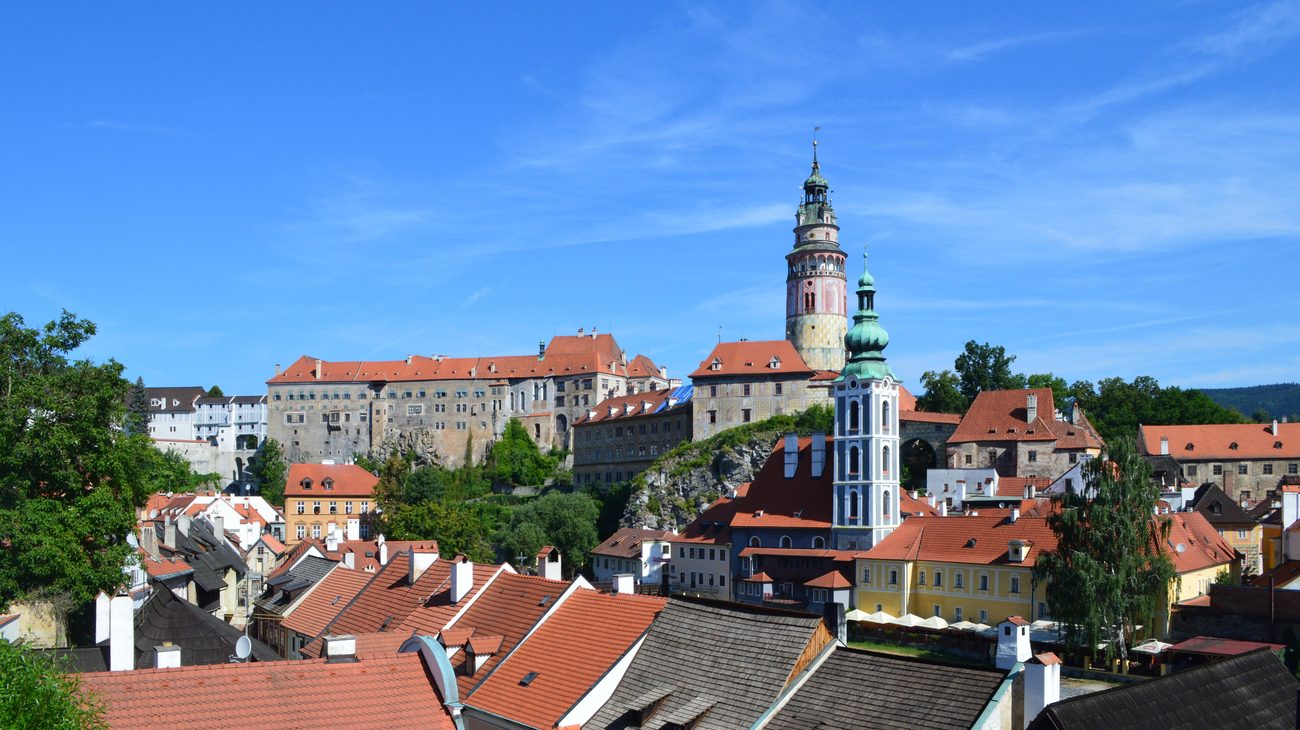
- Firsthand Experience: The entire town center within the river loop is pedestrian-only and virtually unchanged since the 17th century. Climb the pastel-painted Renaissance Castle Tower for a bird’s-eye perspective of red-tiled roofs mirrored in the water. Cross the arched stone Cloak Bridge, explore the exceptionally preserved Baroque Castle Theatre (where original wooden stage machinery and hand-painted backdrops still operate), and float down the river on an afternoon wooden raft.
- Reddit Traveler Consensus: While popular as a day trip from Prague, Redditors insist on staying at least one night in a timbered riverside pension to experience the quiet morning mist rising off the Vltava.
3. San Gimignano, Italy — The Medieval Manhattan of Tuscany
Rising above the rolling vineyards of Tuscany’s Val d'Elsa, San Gimignano presents one of the most unforgettable skylines in Italy. During the 12th and 13th centuries, wealthy rival merchant families competed for prestige by erecting towering stone skyscraper houses (case-torri). At its peak, the town bristled with 72 towers; today, 14 survive intact.
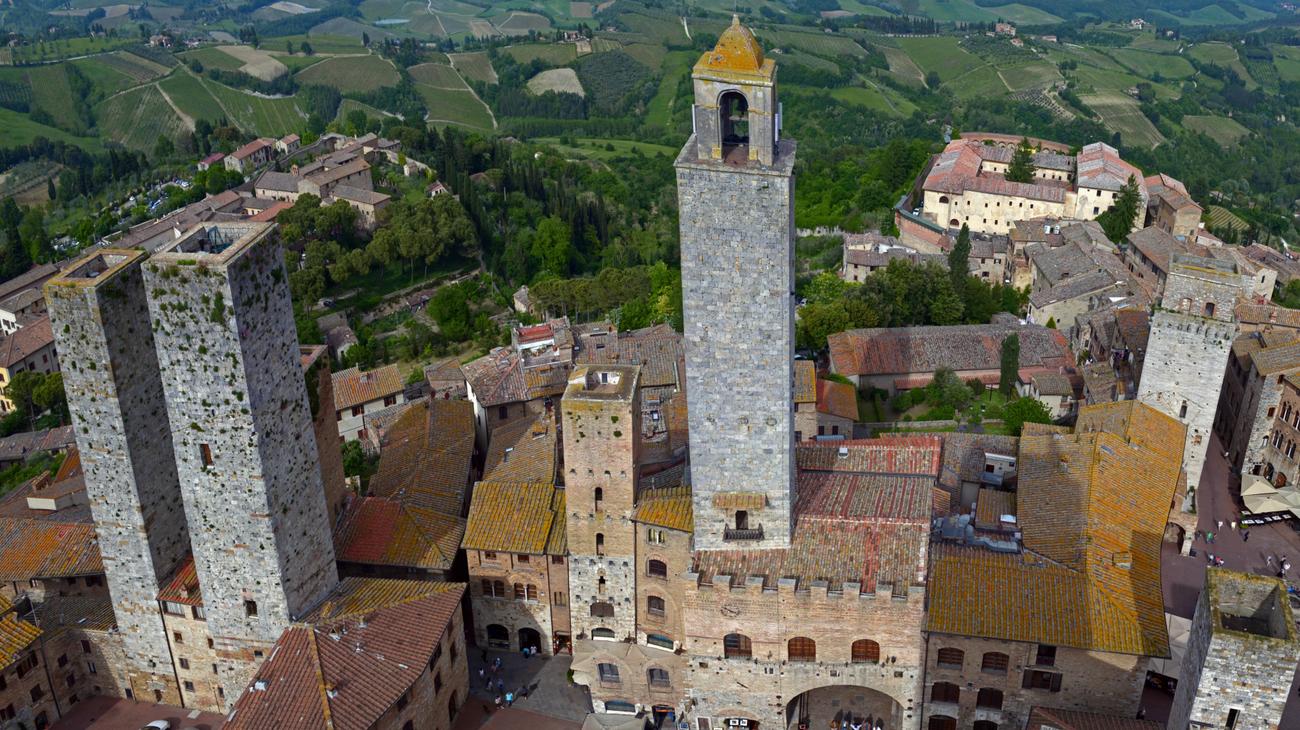
- Firsthand Experience: Climb the 218 steps of Torre Grossa, the tallest tower in town (54 meters), for an intoxicating 360-degree panorama across olive groves, cypress-lined drives, and Chianti hills. In the Piazza della Cisterna, join the queue for world champion gelato at Gelateria Dondoli (try their signature saffron and pine nut flavor, Crema di Santa Fina), and sip crisp Vernaccia di San Gimignano wine in sun-drenched stone courtyards.
- Reddit Traveler Consensus: Arrive before 9:30 AM or after 4:30 PM to bypass tour buses, allowing you to wander the quiet northern gate alleys in total solitude.
4. Rothenburg ob der Tauber, Germany — Bavaria’s Preserved Fairy Tale
Perched on a plateau overlooking the Tauber River in northern Bavaria, Rothenburg ob der Tauber is the crown jewel of Germany’s Romantic Road. Surrounded by intact stone defensive walls that you can walk along for 2.5 kilometers, Rothenburg escaped destruction during the Thirty Years' War and WWII, preserving an almost miraculous concentration of half-timbered medieval architecture.
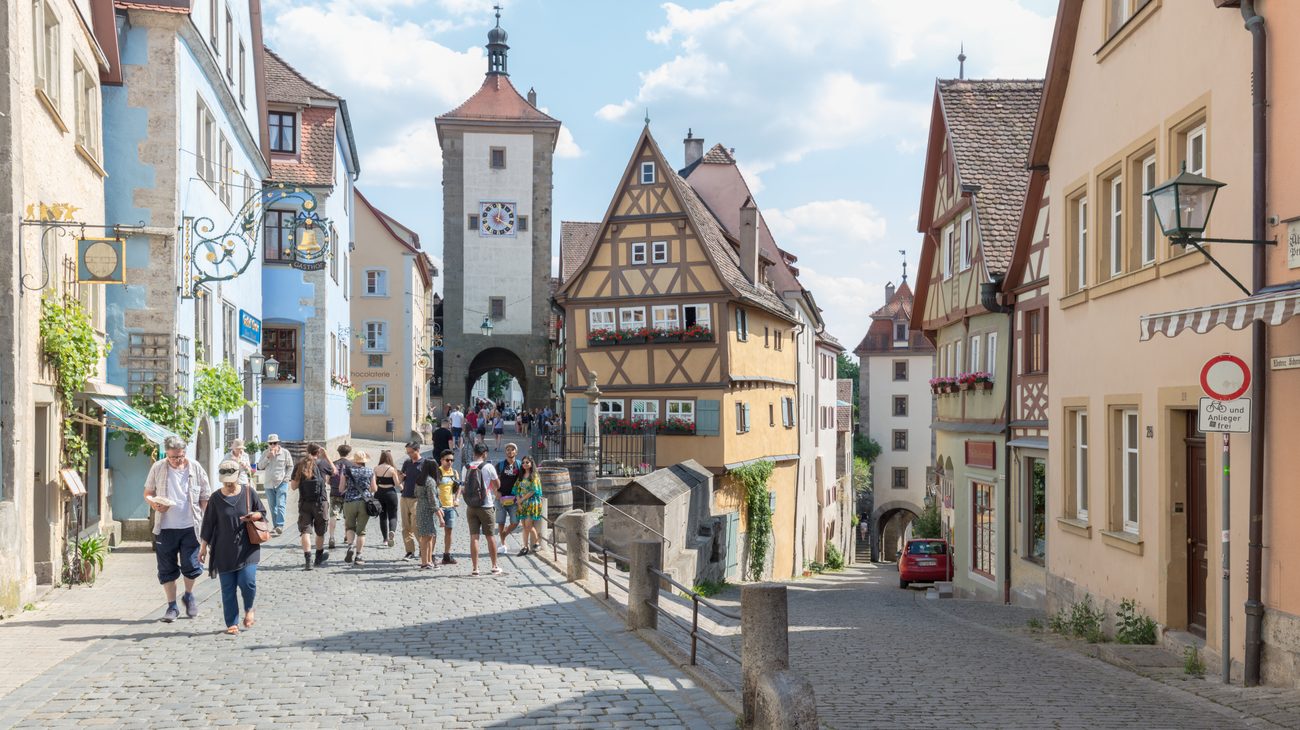
- Firsthand Experience: The quintessential image of Rothenburg is the Plönlein ("little square"), a fork in the cobbled street framed by a yellow timbered house, a fountain, and two medieval gate towers (the Kobolzeller and Siebers towers). At 8:00 PM every evening, join the famous Night Watchman's Tour, where a cloaked guide with a lantern and halberd leads travelers through dark alleyways sharing witty tales of medieval plagues, fires, and city defenses.
- Culinary Tradition: Pick up a traditional Schneeball ("Snowball")—strips of sweet fried shortcrust pastry rolled into a ball and dusted with powdered sugar, chocolate, or cinnamon.
- Reddit Traveler Consensus: Stay inside the old town walls rather than in modern hotels outside the gates to savor the silence after dusk.
5. Albarracín, Spain — The Pink Stone Cliffhanger of Aragon
Voted repeatedly by Spaniards as the most beautiful village in Spain, Albarracín is a dramatic medieval jewel hidden in the rugged Montes Universales of Teruel (Aragon). Built into a precipitous cliff ledge encircled by a deep gorge carved by the Guadalaviar River, it was once the independent Berber-Moorish kingdom of Taifa de Albarracín.
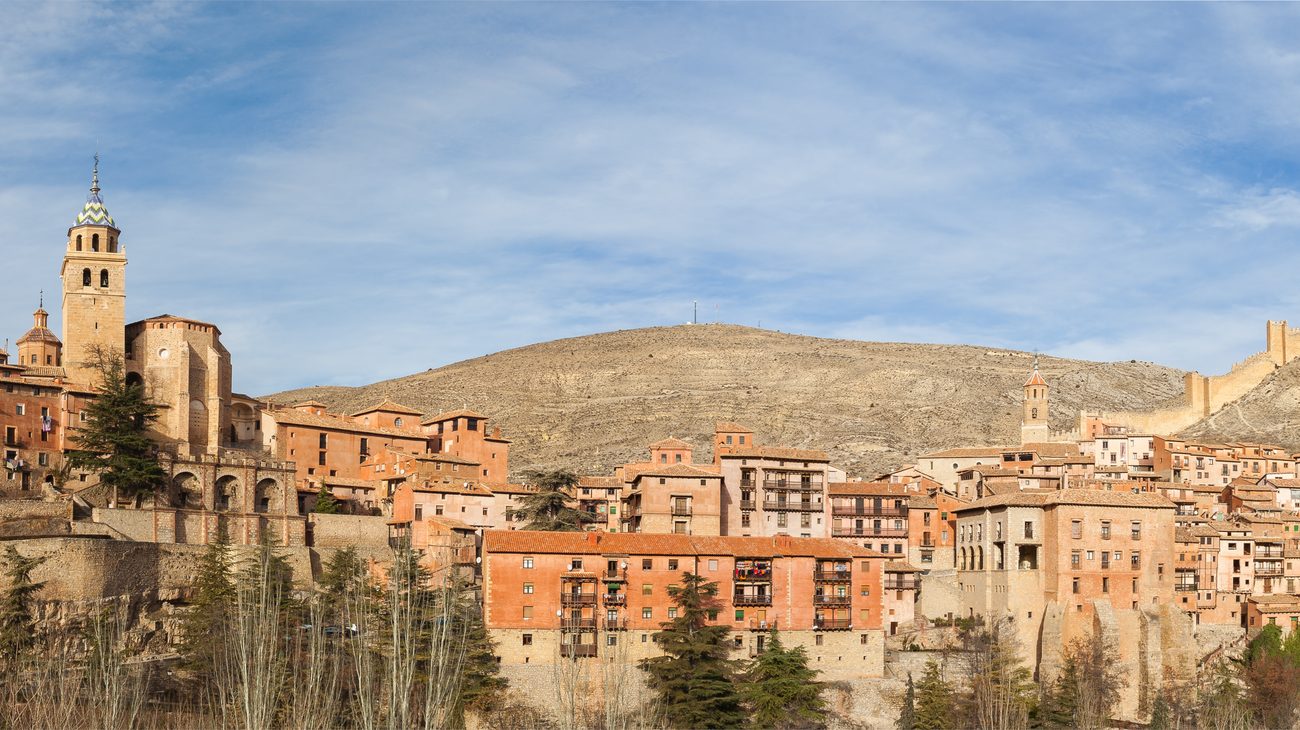
- Firsthand Experience: The town is built of unique, pinkish-ochre stone and plaster that glows with a fiery warmth at sunset. Streets are so narrow that the upper cantilevered stories of historic houses almost touch overhead. Hike the stone defensive wall (Murallas de Albarracín) snaking steeply up the surrounding arid mountain ridge for a dizzying panorama of medieval battlements and river chasms.
- Reddit Traveler Consensus: Because it is located two hours from Valencia and three hours from Madrid with no train station, it remains completely off the mass-tourism radar. A true hidden Spanish masterpiece.
6. Sighișoara, Romania — The Transylvanian Citadel of Legends
Perched on a hill in central Romania, Sighișoara is one of the very few inhabited medieval citadels remaining in Europe. Founded by Transylvanian Saxon settlers in the 12th century, it was designated a UNESCO World Heritage site for its intact fortifications, merchant guild defense towers, and cobbled staircases.
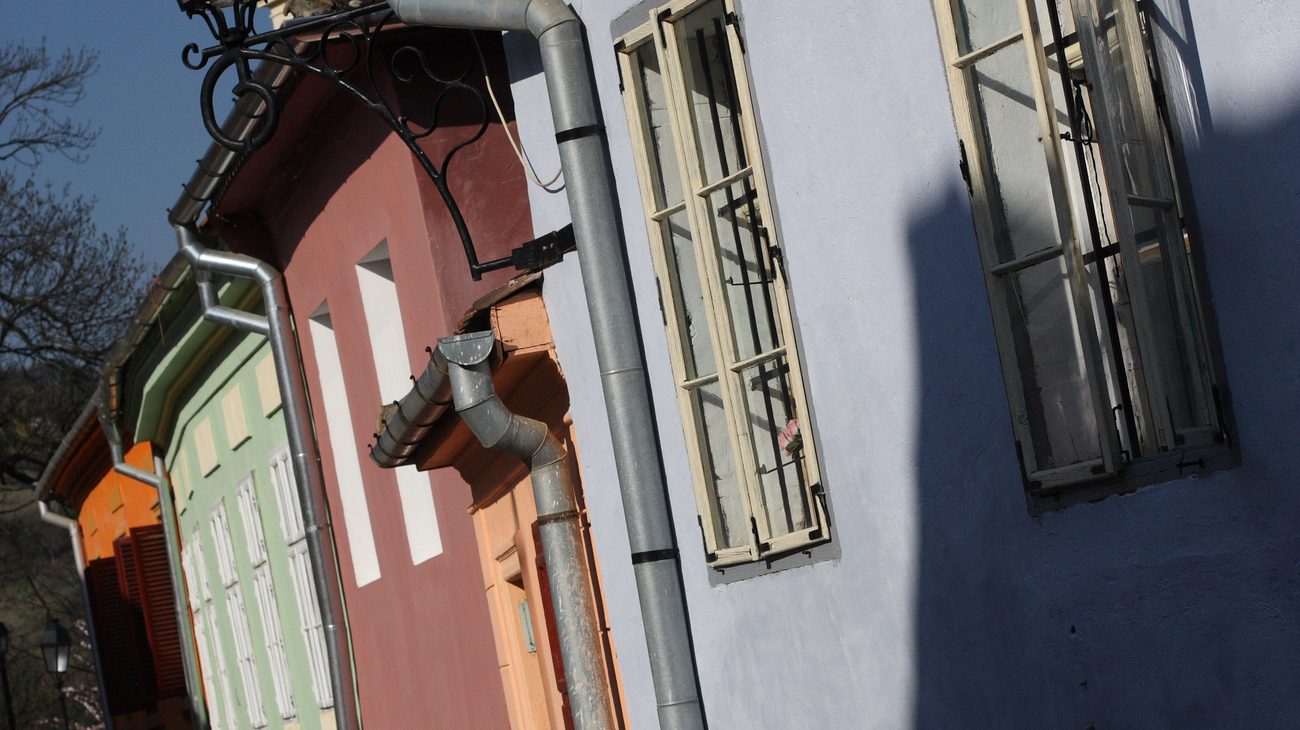
- Firsthand Experience: The citadel is guarded by nine surviving guild towers, each built and defended by a specific medieval craft guild (the Tinsmiths' Tower, Shoemakers' Tower, Blacksmiths' Tower). The centerpiece is the 64-meter-tall Clock Tower, dating from the 14th century, featuring carved wooden allegorical figures that rotate with the clockwork. A few paces away stands the yellow house where Vlad III the Impaler (Vlad Dracula) was born in 1431.
- The Covered Staircase: Climb the 175 wooden steps of the covered Scara Şcolarilor (Scholars' Stairs), built in 1642 to protect school children from winter blizzards as they walked up to the Church on the Hill.
- Reddit Traveler Consensus: Highly affordable and magical. A private apartment inside the 16th-century citadel walls costs €40–€60/night.
7. Monsaraz, Portugal — The Whitewashed Alentejo Eagle's Nest
Perched atop a 300-meter quartzite hill near the Spanish border, Monsaraz is one of Portugal’s oldest settlements. With origins dating to megalithic times, it was captured from the Moors by the Knights Templar in the 13th century.
- Firsthand Experience: Monsaraz is completely enclosed within heavy stone battlements, accessible only through four arched granite gates. Inside, the quiet streets are paved with slate and lined with pristine whitewashed cottages trimmed in terracotta and blooming bougainvillea. From the ancient castle ramparts, you look out across the vast olive plains of the Alentejo and the shimmering blue expanse of the Alqueva Lake (Europe's largest artificial reservoir).
- Dark Sky Reserve: Monsaraz sits in the heart of the Alqueva Dark Sky Reserve, one of the premier stargazing destinations in the world. At night, with zero light pollution, the Milky Way arches across the medieval battlements with breathtaking clarity.
- Reddit Traveler Consensus: Peaceful, romantic, and unhurried. Dine on Iberian black pork (porco preto) and local Alentejo red wine under the stars.
8. Dinant, Belgium — The Cliffside Fortress on the Meuse
Nestled in a narrow gorge between the steep, vertical limestone cliffs of the Ardennes and the flowing waters of the Meuse River, Dinant is one of the most dramatic towns in Western Europe.
- Firsthand Experience: The town's skyline is unmistakable: the bulbous pear-shaped bell tower of the 13th-century Gothic Collegiate Church of Our Lady, dwarfed directly by the sheer 100-meter limestone cliff face crowned by the imposing stone Citadel of Dinant. Take the cable car or climb the 408 stone steps to the citadel for commanding river valley vistas.
- Home of the Saxophone: Dinant was the birthplace of Adolphe Sax, inventor of the saxophone. Colorfully painted giant saxophone sculptures line the town's Charles de Gaulle Bridge, where river cruise boats dock.
- Reddit Traveler Consensus: An easy 1h 15m direct train ride from Brussels, making it one of the easiest medieval escapes in Belgium.
9. Rye, East Sussex, England — Smugglers' Inns & Cobblestones
Perched above the Romney Marsh in southern England, Rye was once a vital fortified coastal port and member of the historic medieval confederation of Cinque Ports. As the sea receded over centuries, Rye became stranded two miles inland, accidentally preserving its maze of medieval stone alleys and timbered houses from Victorian industrialization.
- Firsthand Experience: Walk down Mermaid Street, widely considered one of the prettiest streets in Britain, paved with rounded sea cobbles and lined with half-timbered medieval houses bearing whimsical names like The House with the Seat and The House with Two Front Doors. Grab a pint by the crackling fireplace at The Mermaid Inn, rebuilt in 1420 and once the notorious headquarters of the Hawkhurst Gang of smugglers, complete with hidden priest holes and secret escape tunnels.
- Climb St. Mary's Tower: Climb the stone tower of St. Mary's Church to see the oldest working church clock in England (circa 1561) and gaze out across the marsh toward the English Channel.
- Reddit Traveler Consensus: Just over an hour by high-speed train from London St Pancras (via Ashford International), making it the ultimate English country weekend escape.
10. Conwy, Wales — The Iron Ring of King Edward I
Set along the Conwy Estuary with the peaks of Eryri (Snowdonia) National Park rising behind it, Conwy is the premier fortified medieval walled town in Great Britain.
- Firsthand Experience: Built between 1283 and 1289 by King Edward I as part of his "Iron Ring" of Welsh castles, Conwy Castle is a colossal masterpiece of medieval military architecture featuring eight massive round towers. What makes Conwy truly extraordinary is its intact 1.3-kilometer town wall with 21 towers and three original gatehouses. You can walk along the top of the defensive walls for free, looking down into medieval residential lanes.
- Quirky Landmark: Visit the Quay to see the Smallest House in Great Britain, a bright red fisherman’s cottage measuring just 1.8 meters wide by 3.1 meters high, occupied continuously until 1900.
- Reddit Traveler Consensus: Easily combined with hiking in Snowdonia or taking the scenic North Wales Coastal rail line.
11. Gruyères, Switzerland — Alpine Meadows, Castles & Cheese
Cradled in the green foothills of the Fribourg Alps, Gruyères is a storybook Swiss hill town that looks like a live-action medieval diorama.
- Firsthand Experience: Walking through the stone town gate onto the wide cobblestone central street, there are no cars—only flower-decked stone fountains, hanging wrought-iron guild signs, and the aroma of bubbling Gruyère cheese fondue drifting from cozy alpine chalets. At the far end of the ridge stands Gruyères Castle, an 800-year-old fortress with sweeping views across rolling pastures and alpine peaks.
- The Surprising Alien Connection: In a wild contrast to its medieval surroundings, the town houses the official HR Giger Museum and Bar, created by the Swiss surrealist artist who designed the creature and sets for the movie Alien. Sipping a drink beneath an undulating vaulted ceiling of sculpted alien vertebrae inside a medieval stone building is unforgettable.
- Reddit Traveler Consensus: Take the panoramic Swiss railway to Montbovon and connect to Gruyères. Don’t miss touring the nearby La Maison du Gruyère cheese dairy.
12. Quedlinburg, Germany — The Half-Timbered Capital of Europe
Located at the northern foot of the Harz Mountains in Saxony-Anhalt, Quedlinburg was the cradle of the German nation, where King Henry the Fowler was crowned in 919 AD. Remarkably untouched by WWII air raids, Quedlinburg boasts more than 1,300 preserved half-timbered houses spanning six centuries.
- Firsthand Experience: Wandering through the cobbled lanes of the Ständerbau (the oldest timbered house in Germany, dating to 1346), you marvel at the timber-frame carpentry: intricate rosettes, carved sunbursts, and colorful Renaissance gables. Climb the sandstone Castle Hill to the Romanesque Collegiate Church of Saint Servatius, home to a legendary medieval cathedral treasury.
- Narrow-Gauge Steam Trains: Quedlinburg is the terminus of the Harz Narrow Gauge Railways (Harzer Schmalspurbahnen), where vintage steam locomotives still chug up into the misty forests of the Brocken mountain.
- Reddit Traveler Consensus: Deeply historic, affordable, and blissfully free of international crowds compared to Bavaria.
13. Kotor, Montenegro — The Walled Fortress of the Southern Fjord
Nestled along the deepest natural inlet of the Adriatic Sea—often called Europe’s southernmost fjord—Kotor is enclosed within formidable Venetian defensive walls that climb four kilometers up the sheer, rocky limestone cliffs of Mount Saint John.
- Firsthand Experience: Entering through the 16th-century Sea Gate, you find yourself inside a pedestrian maze of white marble plazas, Romanesque churches (like St. Tryphon's Cathedral, consecrated in 1166), and palazzo mansions built by wealthy Venetian sea captains. Hike the 1,350 steep stone steps climbing the city walls to the Fortress of San Giovanni (St. John) for an exhilarating view of the shimmering blue bay and red-tile roofs below.
- The Friendly Felines: Kotor is famously protected by hundreds of well-cared-for stray cats who lounge lazily on stone church steps and marble benches, complete with a quirky Cats Museum in the center.
- Reddit Traveler Consensus: Kotor gets busy around noon when cruise ship passengers arrive; explore early in the morning and late in the evening when the limestone alleys glow under warm streetlights.
14. Mostar, Bosnia & Herzegovina — Ottoman Arches & Emerald Waters
While geographically in the Balkans, Mostar preserves the most enchanting blend of medieval Slavic and Ottoman Turkish heritage in Europe. Divided by the deep emerald-green waters of the Neretva River, the historic core is paved with smooth river cobbles and dominated by the iconic Stari Most (Old Bridge).
- Firsthand Experience: Commissioned by Suleiman the Magnificent in 1557 and designed by Mimar Hayruddin (a student of legendary Ottoman architect Sinan), the single-arch stone bridge stood for 427 years before being destroyed during the Bosnian War in 1993. Rebuilt stone-by-stone using original medieval quarry methods, it stands today as a world-famous symbol of reconciliation. Watching members of the local Mostar Diving Club plunge 24 meters from the center of the arch into the freezing Neretva is an electrifying tradition dating back centuries.
- The Kujundžiluk Bazaar: Stroll through the cobblestone market stalls smelling of copperware, leather, and Turkish coffee, and dine on grilled ćevapi sausages with warm flatbread overlooking the river.
- Reddit Traveler Consensus: Very budget-friendly. Outstanding day trips nearby to the Blagaj Dervish monastery and the Kravice Waterfalls.
15. Visby, Sweden — The Baltic Walled Hanseatic Capital
Situated on the Swedish island of Gotland in the middle of the Baltic Sea, Visby is widely regarded as the best-preserved medieval commercial city in Scandinavia. During the 12th to 14th centuries, it was the chief trading center of the Hanseatic League in the Baltic.
- Firsthand Experience: Visby is completely encircled by the Visby Ringmuren, an intact 3.4-kilometer 13th-century limestone defensive wall featuring 36 towers and grand arched gates. Inside, known as the "City of Roses and Ruins," cobblestone lanes are blanketed in blooming wild climbing roses framing timbered merchant homes and the evocative, roofless stone ruins of eleven medieval churches.
- Medieval Week (Medeltidsveckan): Every August, Visby hosts the largest medieval festival in northern Europe, where thousands of locals and international travelers dress in historically accurate 14th-century garb for jousting tournaments, archery contests, and medieval banquets.
- Reddit Traveler Consensus: Take the overnight car ferry from Nynäshamn (near Stockholm) or a quick domestic flight. Late spring and early autumn offer quiet, sunny coastal charm.
15 Medieval Towns: Quick Travel & Transport Comparison
| Town & Country | Region | Best For | Transport From Nearest Major Hub |
|---|---|---|---|
| Carcassonne, France | Languedoc / South | Complete double walls, castle, cassoulet | Direct train from Toulouse (45 mins) |
| Český Krumlov, Czech Rep. | South Bohemia | River loop, Renaissance castle | 2h 45m bus/shuttle from Prague |
| San Gimignano, Italy | Tuscany | Surviving stone towers, gelato, Vernaccia | Bus from Siena (40m) or Florence (1h 15m) |
| Rothenburg ob der Tauber, Germany | Bavaria | Half-timbered Plönlein, night watchman | Regional train from Nuremberg (1h 15m) |
| Albarracín, Spain | Aragon | Pink stone cliffs, river gorge, silence | 2h drive from Valencia / 3h from Madrid |
| Sighișoara, Romania | Transylvania | Inhabited citadel, Clock Tower, Dracula lore | Direct trains from Brașov / Cluj-Napoca |
| Monsaraz, Portugal | Alentejo | Templar castle, whitewashed lanes, stargazing | 45m drive from Évora / 2h from Lisbon |
| Dinant, Belgium | Wallonia / Ardennes | Cliffside church, citadel, saxophone history | Direct train from Brussels (1h 15m) |
| Rye, England | East Sussex | Mermaid Street, smugglers' taverns, marsh | 1h 10m high-speed rail from London St Pancras |
| Conwy, Wales | North Wales | Edwardian castle, town walls, Snowdonia | Direct train from Chester / Manchester |
| Gruyères, Switzerland | Fribourg Alps | Medieval castle, alpine cheese fondue, Giger bar | Regional train via Montbovon |
| Quedlinburg, Germany | Harz Mountains | 1,300 timbered houses, steam trains | 1h train from Magdeburg / 2h from Leipzig |
| Kotor, Montenegro | Adriatic Coast | Venetian fjord walls, fortress hike, cats | 20m drive from Tivat Airport / 1h 45m from Dubrovnik |
| Mostar, Bosnia & Herz. | Herzegovina | Stari Most bridge, Ottoman bazaar | 2h scenic train from Sarajevo / bus from Dubrovnik |
| Visby, Sweden | Gotland (Baltic) | Hanseatic limestone wall, church ruins, roses | Ferry from Nynäshamn / flight from Stockholm |
Frequently Asked Questions (FAQ)
Which of these medieval towns is the least crowded?
Albarracín in Spain, Quedlinburg in Germany, and Monsaraz in Portugal receive very little mass international tourism due to their rural locations, making them the quietest and most authentic retreats on the list.
What is the single best tip for visiting popular medieval towns?
Always stay overnight inside the historic core. Towns like Carcassonne, Český Krumlov, San Gimignano, and Rothenburg get inundated with daytime tour bus crowds between 10:30 AM and 4:00 PM. Sleeping inside the walls allows you to experience the morning mist and evening lantern-lit silence in near total peace.
Are these towns suitable for travelers with mobility challenges?
Because these towns have preserved their authentic medieval character, many feature steep inclines, uneven stone cobbles, and narrow staircases with limited vehicle access. Towns like Lucca (flat, paved ramparts) and Rothenburg (smooth pedestrian paths) are much easier to navigate than hillside towns like Matera, Albarracín, or Sighișoara.
Related Travel Guides & Europe Recommendations
This article is for informational purposes. Flight routes, passenger regulations, visa rules, and transit advisories are subject to change by airlines and aviation authorities. Readers are advised to verify schedules and travel documentation with relevant carriers and border agencies before departure.
Related Stories
12 Underrated Cities in China That International Travelers Are Starting to Discover
10 Affordable Cities in Central Europe Where Reddit Travelers Say You Can Live Like a Local