Albania Tourism Surge: Coastal Escapes and UNESCO Cities Drive European Growth

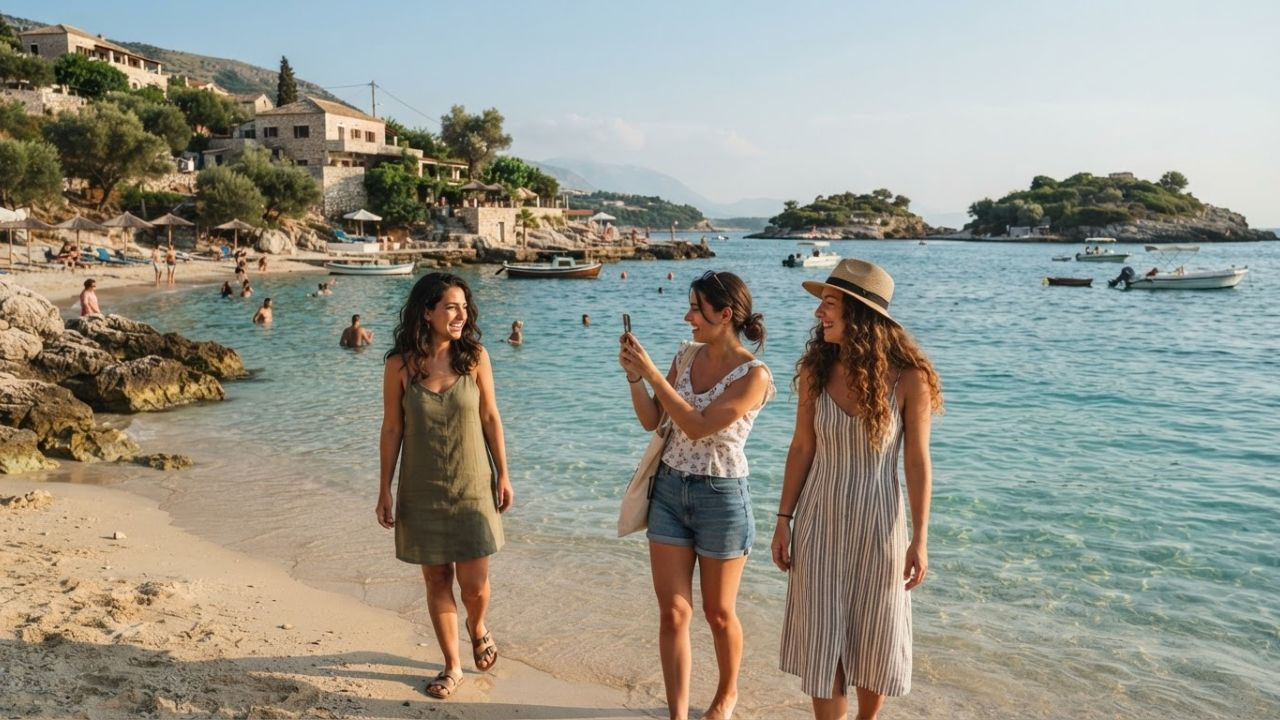
Image generated by AI
Albania's summer holiday bookings have increased by nearly three times compared to last year, establishing the Balkan nation as Europe's fastest-growing value destination for Ionian beaches and ancient historic towns.
Urban Exploration: Tirana's Sunny and Relaxing Capital
Albania's capital, Tirana, offers a different experience from other European capitals, remaining relatively relaxed and uncrowded. The city averages more than 2,500 hours of sunshine annually, with summer temperatures regularly reaching around 35°C, making it one of the sunniest capitals on the continent.
Skanderbeg Square, the central public space, is surrounded by a mix of traditional Albanian buildings and Soviet-era structures that reflect the nation's complex history. A major landmark is the Pyramid of Tirana, a former communist monument that has been converted into a public cultural center with panoramic views of the surrounding mountains. The city's concrete bunkers, built during the communist period, have also been repurposed as cafes, art galleries, and cultural spaces.
Southern Coastline: Ksamil and the Ionian Beaches
The coastal village of Ksamil, located along the Ionian Sea in southern Albania, has gained a reputation as a premier beach destination. Famous for its clear turquoise waters and small offshore islands, Ksamil offers a Mediterranean atmosphere at a lower cost than traditional resorts.
Popular spots include Ksamil Beach, featuring the "Hand of Ksamil" scenic platform, as well as Lori Beach and Paradise Beach. The local town offers a variety of seafood restaurants, cafes, and bars where travelers can enjoy fresh regional cuisine.
UNESCO Heritage: Berat and Gjirokastra
Beyond the coastline, Albania's ancient heritage is preserved in its historic towns. Berat, known as the "City of a Thousand Windows," dates back more than two millennia and features white Ottoman-era stone houses built along the hillside, historic churches, and mosques.
Gjirokastra, situated in the Drinos River Valley, is known as the "City of Stone." It is recognized for its preserved Ottoman architecture, cobblestone streets, and a medieval fortress that overlooks the valley.
Family-Friendly Resorts: Durres and Golem
Located less than an hour from the capital, Durres combines historical landmarks with sandy beaches. The city is home to the Durres Amphitheatre, one of the largest Roman-era amphitheatres in the Balkan region. Durres Beach is popular with families due to its shallow waters.
Further south, Golem is a resort town on the Adriatic coast with a long sandy beach, a lively promenade, and various water sports. Its proximity to Tirana's international airport makes it highly accessible for short summer holidays.
Sustainable Tourism and Wetland Conservation
To protect the delicate marine biomes of the Ionian and Adriatic seas, travelers are encouraged to choose eco-certified boat tours and use reef-safe sunscreens. Supporting local family-run guesthouses (kullas) in Gjirokastra and dining at traditional farm-to-table restaurants in Berat keeps tourism capital within the community.
The National Tourism Agency of Albania (AKT) and the Ministry of Tourism and Environment work to balance rapid tourism growth with environmental protection. By focusing on sustainable upgrades, regional planners aim to preserve the natural ecosystems that attract visitors to the Balkan peninsula.
Local Insider Travel Strategies
- Optimal Travel Windows: Plan your trip during the shoulder seasons of May to June or September to October. The weather remains warm (between 20°C and 28°C), and you will avoid the peak summer crowds of July and August.
- Local Specialties: Try traditional dishes like Tavë Kosi (baked lamb with rice and garlic yogurt) or fresh Byrek (flaky pastry filled with spinach or cheese) from local bakeries.
- Understanding Gestures: In traditional rural regions of the Balkans, a head shake can mean "yes" and a nod can mean "no." It is best to confirm directions or agreements verbally.
- Religious Etiquette: When visiting religious sites, such as Tirana's historic Et'hem Bey Mosque, dress modestly with shoulders and knees covered, and remove shoes before entering the prayer areas.
- Under-the-Radar Spot: Visit the Blue Eye (Syri i Kaltër), a stunning natural spring near Sarandë, early in the morning to beat the tour buses.
Long-Term Outlook for Balkan Tourism
The rapid growth of Albania's tourism industry marks a permanent shift in European travel trends. By offering affordable pricing, rich cultural heritage, and diverse terrains, the country is establishing itself as a premier alternative to the crowded destinations of the western Mediterranean.
Related Travel Guides
This article is for informational purposes. Flight routes, passenger regulations, visa rules, and transit advisories are subject to change by airlines and aviation authorities. Readers are advised to verify schedules and travel documentation with relevant carriers and border agencies before departure.
Related Stories
Albania and Southern Europe Face Tourism Strains as Inflation Pressures and Anti-Overtourism Protests Reshape Travel Economics
Zen Awakening Festival 2026: Florida's Transformational Music, Mindfulness, and Arts Gathering in Fruitland Park