
US Issues Level 2 Travel Advisory for The Bahamas in 2026: Safety Guide for Nassau and Freeport
The US Department of State has issued a Level 2 travel advisory for The Bahamas, urging visitors to exercise increased caution due to crime risks in major hubs like Nassau and Freeport.

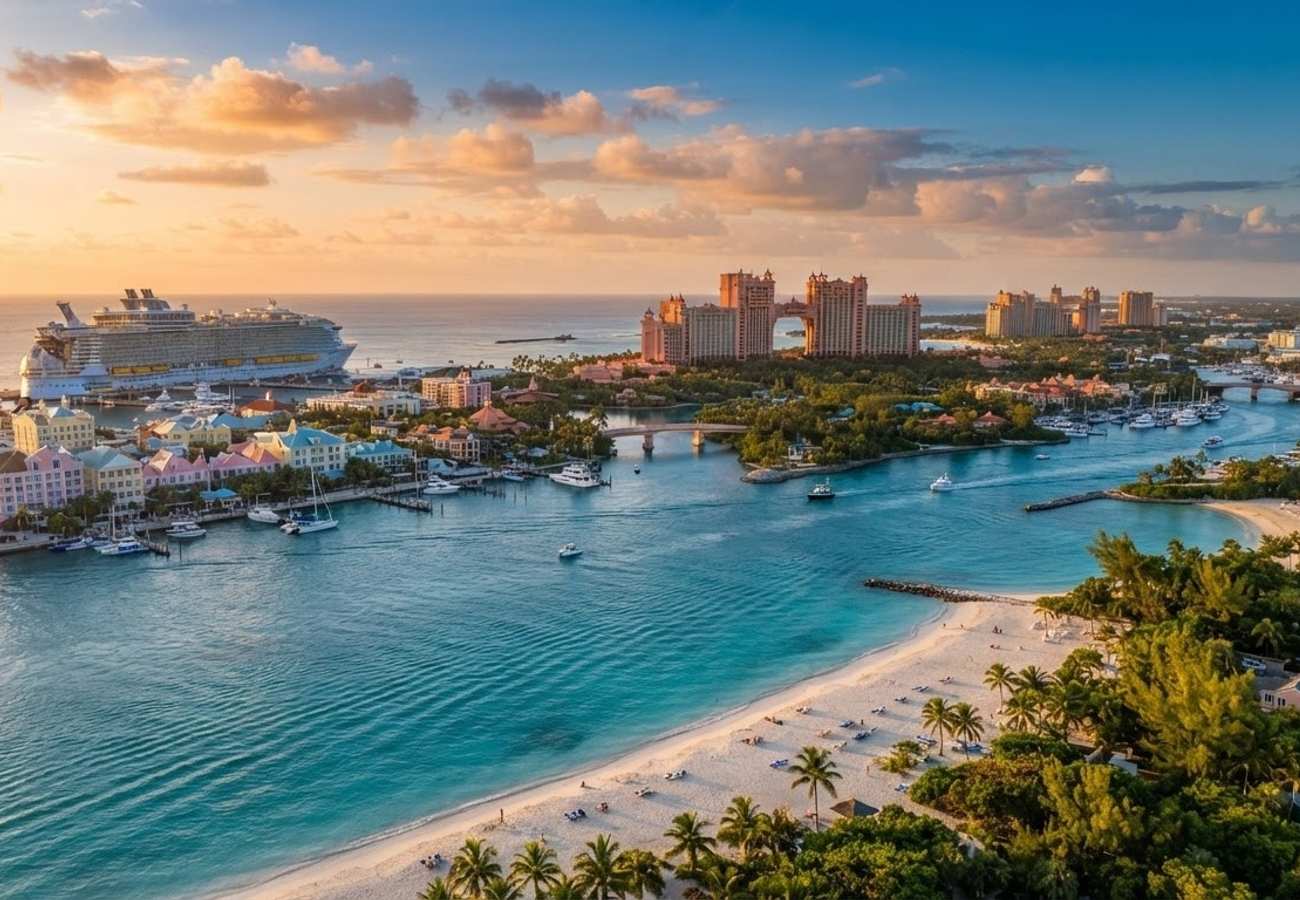
Image generated by AI
The US Department of State has designated The Bahamas as Level 2: Exercise Increased Caution, citing risks of violent crime and theft in key population centers. While the islands remain open and welcoming, this shift in advisory status means travelers must prioritize situational awareness over complacency.
The advisory does not suggest avoiding the country entirely. Instead, it serves as a strategic reminder for the millions of annual visitors—ranging from luxury resort guests to cruise passengers—that responsible decision-making is essential when navigating the archipelago.
Analyzing the Security Risks in Major Hubs
The current Level 2 designation is primarily driven by crime statistics in high-density areas. The US Department of State highlights specific concerns regarding armed robbery, burglary, sexual assault, and violent crime.
These incidents are often categorized into two types: local disputes involving criminal activity and opportunistic crimes targeting visitors. The risk is most pronounced in the following regions:
- Nassau (New Providence Island): As the capital and primary tourism engine, Nassau is a high-traffic zone. While major attractions like Atlantis Paradise Island and Cable Beach remain primary hubs, the advisory warns against entering unfamiliar neighborhoods, particularly after dark.
- Freeport (Grand Bahama Island): Known for the Lucayan National Park and Port Lucaya Marketplace, Freeport remains a top destination, though visitors are urged to follow local safety protocols and maintain awareness of their surroundings.
Economic Impact and the Tourism Backbone
Tourism is the primary driver of the Bahamian economy, fueling international investment and providing thousands of jobs. The Bahamas Ministry of Tourism, Investments & Aviation continues to promote the nation as a premier destination for diving, fishing, and luxury beach holidays.
Because the economy relies so heavily on visitor confidence, the government is focused on balancing the promotion of its "tropical paradise" image with the reality of urban security challenges. The most visited areas continue to include:
| Primary Destination | Key Attractions | Risk Profile |
|---|---|---|
| Nassau | Atlantis, Queen's Staircase, National Art Gallery | High traffic; caution advised in non-tourist zones |
| Freeport | Gold Rock Beach, Lucayan National Park | Generally safe; maintain standard awareness |
| Exuma | Marine adventures, secluded beaches | Lower urban crime risk |
| Harbour Island | Luxury boutiques, pink sands | Low urban crime risk |
| Eleuthera | Natural springs, coastal vistas | Low urban crime risk |
Strategic Guidance for Different Traveler Profiles
The impact of a Level 2 advisory varies depending on how a traveler interacts with the destination.
Cruise Passengers
Given that Nassau is one of the busiest cruise ports in the Caribbean, millions of passengers are affected. The risk for cruisers is minimal provided they:
- Stick to cruise-approved shore excursions.
- Avoid isolated areas far from the port.
- Follow the specific guidance provided by ship security.
Resort Guests and Airbnb Users
Those staying in established luxury resorts benefit from integrated security systems. However, travelers opting for private rentals should conduct deeper research into the specific neighborhood and check recent guest reviews regarding safety and location.
Adventure and Water Sports Enthusiasts
The advisory also touches upon recreational safety. For those engaging in jet skiing, diving, or boat tours, the priority should be verifying that operators use certified safety equipment and adhere to recognized industry standards.
Practical Safety Protocols for 2026
To mitigate risks while enjoying the islands, visitors should implement the following measures:
- Asset Management: Avoid wearing expensive jewelry or carrying large sums of cash and high-end electronics in public.
- Transport Security: Use only licensed taxis and recognized tour operators. Avoid unofficial transportation services.
- Digital Enrollment: The US Department of State recommends enrolling in the Smart Traveler Enrollment Program (STEP) to receive real-time security updates.
- Night-time Navigation: Limit exploration of residential areas after sunset; stick to well-lit, populated tourist districts.
Smart planning ensures that the beauty of the Caribbean remains the focus of the trip, not the security risks.
Related Travel Guides
Disclaimer
This article is for informational and educational purposes only. It does not constitute legal, financial, or professional advice. While we strive to provide accurate and up-to-date information, travel policies, regulations, and conditions change rapidly. Always verify information with official sources before making travel decisions. Nomad Lawyer makes no representations about the accuracy, reliability, completeness, or suitability of the information provided. Readers should consult qualified professionals for advice specific to their circumstances. The views expressed in this article are those of the author and do not necessarily reflect the views of Nomad Lawyer.
Raushan Kumar
Founder & Lead Developer
Full-stack developer with 11+ years of experience and a passionate traveller. Raushan built Nomad Lawyer from the ground up with a vision to create the best travel and law experience on the web.
Learn more about our team →