
US Leads Mexico and More Markets as Bogotá Expands Its Powerful 2026 Tourism and Aviation Network: All Details
US Leads Mexico and More Markets as Bogotá Expands Its Powerful 2026 Tourism and Aviation Network: All Details

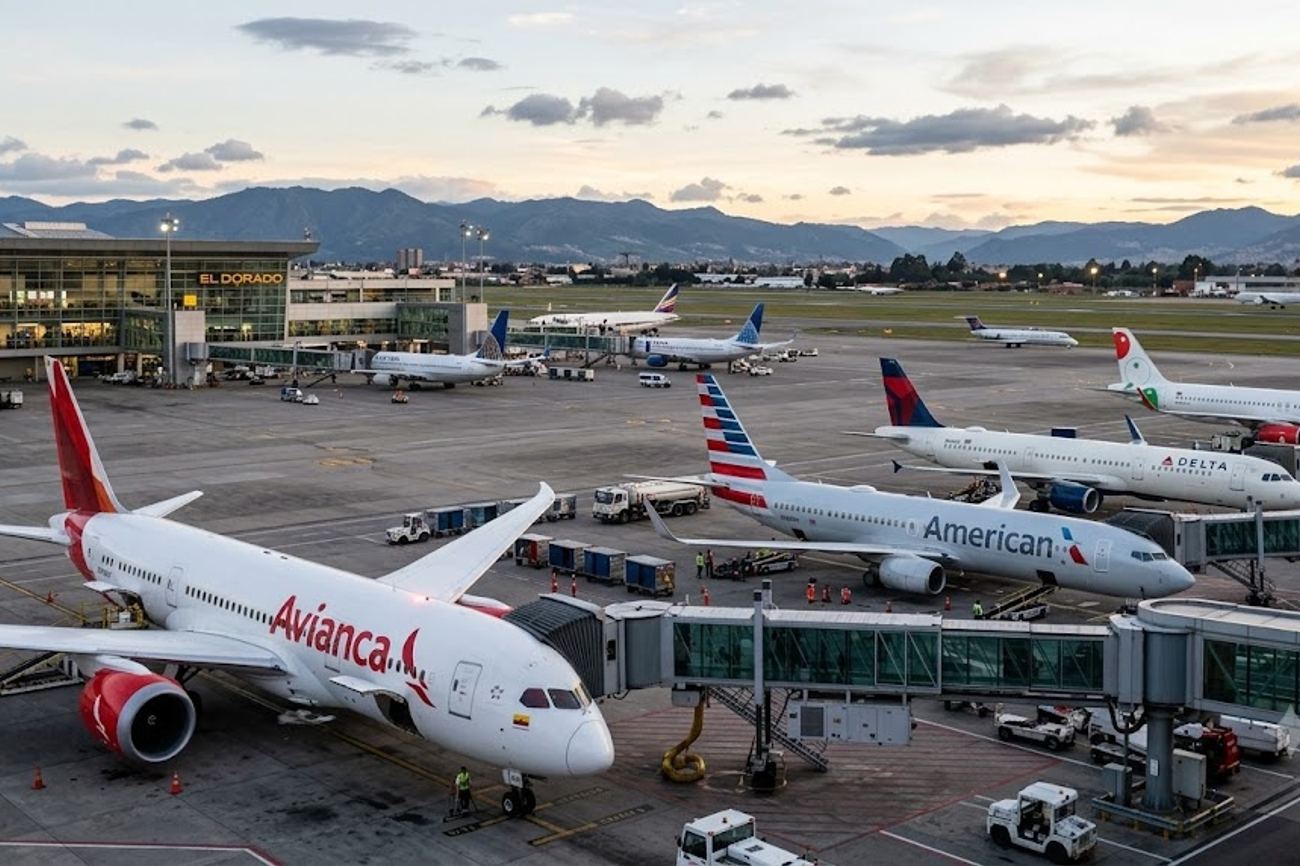
Image generated by AI
title: Bogotá 2026: Beyond the Clouds of the Andes description: An insider's guide to Bogotá's evolving tourism scene, aviation growth, and cultural shifts in 2026. date: 2026-05-20 tags: [Bogota-Travel-2026, El-Dorado-Airport, Colombia-City-Guide, Andean-Urbanism]
While most visitors view Bogotá as a mere transit point to the coast, the city is currently engineering a massive shift toward becoming a primary destination, projecting a total of more than 15.3 million tourists by 2026. This growth represents an 8.7% increase over 2024 figures and a 4.5% climb from 2025, signaling a move away from the "stopover" mentality toward a dedicated urban exploration model.
The Andean Pivot: Bogotá's 2026 Evolution
Bogotá is currently rewriting its identity. For years, the capital served as the gateway to the Coffee Triangle or the Caribbean coast, but the city is now diversifying its appeal to ensure it isn't reliant on a single season or a specific type of traveler. The current strategy integrates high-end gastronomy, music, and nature with a robust business travel infrastructure.
The numbers tell a story of a city in transition. Between January and July 2026, the city welcomed 1,039,025 foreign travellers. While this is a 5.1% dip compared to the same window in 2025, the intent of the visitors has shifted. A significant 54% of these international arrivals cited tourism as their primary reason for visiting, proving that the city's cultural pull is outweighing traditional business or family-visit motivations.
This shift is supported by a massive influx of connectivity. The city's aviation hub is operating at a high clip; from January to June 2026, Bogotá handled 89,707 flights, a 5.5% year-on-year increase. This network moved 11.2 million air passengers during that six-month window, with an average aircraft occupancy of 79.3%. For those planning a trip in the latter half of the year, the capacity is staggering: from July to September, the city projected 43,507 scheduled flights and more than 7.3 million available seats.
What Makes Bogotá Different
Unlike the colonial predictability of Cartagena or the mountain-village charm of Salento, Bogotá is a sprawling, high-altitude metropolis that feels like several cities stitched together. It is a place where the brutalist architecture of the government district clashes with the cobblestone nostalgia of La Candelaria.
The city's strength lies in its geographic and market diversity. It doesn't rely on one source of income. Between January and May 2026, the visitor breakdown showed a healthy spread: Venezuela led the pack with 16.9% of foreign visitors, followed by the United States at 14% and Mexico at 10%. European influence remains strong with Spain at 5.8% and France at 3.4%, while regional neighbors like Brazil (5.3%), Ecuador (5.2%), Peru (4%), Argentina (3.2%), and Panama (3.2%) round out the top ten.
This international mix creates a unique urban energy. You will find a world-class dining scene that blends indigenous Andean ingredients with global techniques, and a museum culture—anchored by the gold collections—that is among the most significant in the Southern Hemisphere. To truly understand the city, one must navigate the altitude and the erratic weather, which often shifts from a bright Andean sun to a torrential downpour in a matter of minutes.
Visitor Insider Tips
To experience Bogotá through a local lens rather than a tour bus window, you have to understand the rhythm of the Rolo (a Bogotá local).
Timing and Crowds Avoid the main tourist plazas of La Candelaria during the midday rush. Instead, head to the neighborhood of Chapinero in the late afternoon. This is where the city's creative class gathers. For those visiting between July and September, utilize the increased flight capacity to time your trip with the city's various arts festivals, but book your boutique hotels at least three months in advance.
Local Etiquette and Navigation The altitude (over 2,600 meters) is no joke. Spend your first 24 hours hydrating aggressively and avoiding heavy alcohol. When using transport, while ride-sharing apps are common, the TransMilenio is the city's circulatory system. It is efficient but can be overwhelming; always keep your belongings in front of you during peak hours.
Culinary Must-Tries Skip the generic "tourist menus." Seek out an authentic Ajiaco—a thick potato and corn soup—in a traditional eatery. For a modern twist, explore the gastronomic corridors of the Zona G, where the city's most ambitious chefs are redefining Colombian cuisine.
Neighborhood Base For first-timers, the Parque 93 or Usaquén areas offer safety and high-end dining. However, for those seeking a more authentic, bohemian vibe, look for rentals in Quinta Camacho, where historic houses have been converted into galleries and cafes.
Cultural and Environmental Context
The surge toward 15.3 million tourists brings a complex set of challenges. Bogotá is a city of extreme contrasts, and the influx of wealth from the US and European markets often highlights the socio-economic divide. Local communities are increasingly pushing for "conscious tourism" that benefits the residents of the periphery, not just the hotel owners in the north.
Environmental preservation is also at the forefront. The city is working to balance its aviation growth—exemplified by the millions of seats available at El Dorado—with the need to protect the surrounding páramos (high-altitude wetlands). These ecosystems are critical for the city's water supply and are among the most biodiverse places on earth. Visitors are encouraged to support initiatives that protect these highlands, as urban sprawl continues to press against the mountain borders.
Furthermore, the city's commitment to heritage preservation is evident in the restoration of the historic center. However, the challenge remains to keep these areas living neighborhoods rather than sanitized open-air museums. By visiting local artisans and eating at family-run fondas, travelers can help ensure that tourism revenue filters down to the people who actually maintain the city's soul. For those interested in the broader regional heritage, exploring the UNESCO World Heritage sites across Colombia provides a necessary context for Bogotá's role as the political and cultural heart of the nation.
FAQ: Visiting Bogotá 2026
What is the best time to visit? The "dry" seasons are typically December to March and July to August. However, Bogotá's weather is famously unpredictable; always carry a compact umbrella and dress in layers regardless of the month.
Do I need a visa? Requirements vary by nationality. US, EU, and most Latin American citizens typically enter for tourism without a visa for short stays. Always check the official Colombia Tourism portal for current entry requirements.
How do I get there from major hubs? Bogotá is served by El Dorado International Airport. With over 89,707 flights handled in the first half of 2026, it is one of the most connected hubs in Latin America, offering direct flights from most major US and European cities.
Is it safe for solo travelers? Yes, provided you follow the local rule of "no dar papaya" (don't put yourself in a position to be taken advantage of). Stick to registered transport, avoid flashing expensive jewelry, and stay in well-lit, populated areas at night.
Bogotá doesn't ask for your attention; it commands it with the sheer scale of its ambition and the thin, crisp air of the Andes.
#Bogota-Travel-2026 #El-Dorado-Airport #Colombia-City-Guide #Andean-Urbanism
Related Travel Guides
Disclaimer
This article is for informational and educational purposes only. It does not constitute legal, financial, or professional advice. While we strive to provide accurate and up-to-date information, travel policies, regulations, and conditions change rapidly. Always verify information with official sources before making travel decisions. Nomad Lawyer makes no representations about the accuracy, reliability, completeness, or suitability of the information provided. Readers should consult qualified professionals for advice specific to their circumstances. The views expressed in this article are those of the author and do not necessarily reflect the views of Nomad Lawyer.
Kunal K Choudhary
Co-Founder & Contributor
A passionate traveller and tech enthusiast. Kunal contributes to the vision and growth of Nomad Lawyer, bringing fresh perspectives and driving the community forward.
Learn more about our team →