
Colombia Travel Experiences Are Captivating Modern Travelers Worldwide With Soul-Stirring Biodiversity And Unmatched Cultural Warmth
Colombia Travel Experiences Are Captivating Modern Travelers Worldwide With Soul-Stirring Biodiversity And Unmatched Cultural Warmth

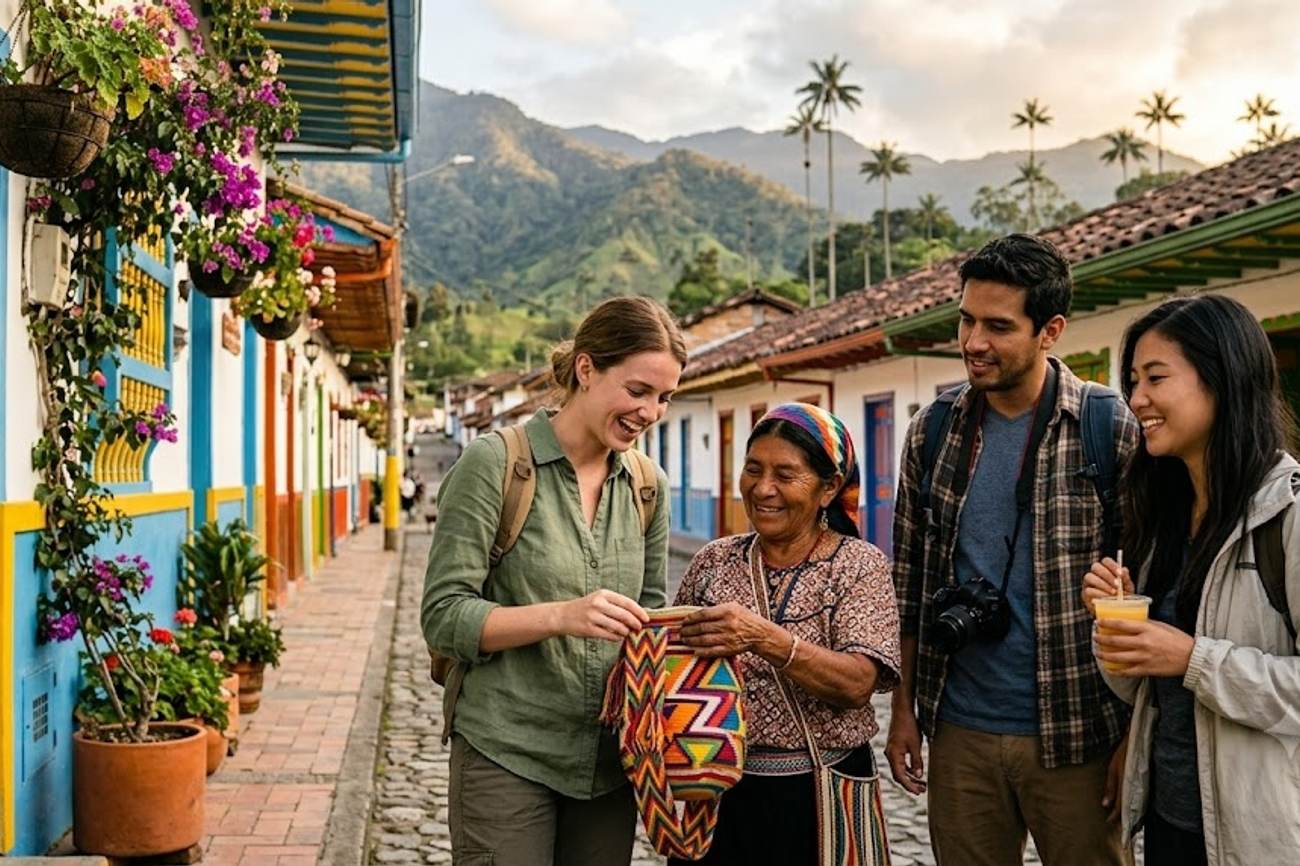
Image generated by AI
[Bogotá, September 14, 2026] — Colombia has seen international visitor spending surge past $13.4 billion, with the tourism sector now contributing more than 2.3% to the national GDP. This financial growth is supporting over 870,000 regional jobs as the country pivots toward a high-growth model based on biodiversity and authentic cultural immersion.
The surge in arrivals is driven by a global shift in traveler behavior, where tourists are abandoning traditional single-resort stays in favor of multi-dimensional itineraries. Colombia is capturing this market by offering rapid transitions between the Andes mountains, Caribbean coastlines, and major urban centers within short travel windows. This trend is prompting global hotel brands and airline networks to increase capital deployment across the region to meet the demand for multi-stop exploration.
The Shift to Multi-Dimensional Itineraries
The catalyst for this growth is a fundamental change in how modern travelers curate overseas journeys. There is a documented move away from "cruise ship tourism" and rigid, pre-packaged group tours toward flexible, unscripted discovery. Travelers are now prioritizing "compressed environmental variety," seeking destinations where they can experience vastly different climates and topographies in a single trip.
Colombia's geography allows for seamless movement between high-altitude ranges and tropical shores, which has forced global tour operators to restructure their business models. To remain competitive, these operators are moving away from static packages and toward tailored rhythms that cater to eco-tourists and cultural enthusiasts.
This atmospheric variety is supported by the Ministry of Commerce, Industry and Tourism of Colombia, which oversees the strategic positioning of the country as a premier global destination. The integration of untouched natural reserves and regional gastronomy into these itineraries has made the destination a primary target for international financial stakeholders.
Markets and Demographics Impacted
The expansion of the Colombian travel ecosystem is affecting several key sectors and traveler profiles:
- International Airline Networks: Carriers are expanding flight frequencies and route maps to support multi-city hops rather than simple point-to-point arrivals.
- Global Hotel Brands: There is a strategic increase in investment for boutique hospitality and sustainable eco-lodges to accommodate the shift toward authentic immersion.
- Eco-Tourists: This segment is seeing a rise in access to previously remote natural reserves and sustainable tourism initiatives.
- Local Entrepreneurs: Small-scale business owners in rural and urban communities are leveraging increased foreign expenditure to build sustainable hospitality enterprises.
- Cultural Enthusiasts: Travelers seeking "human-centric" experiences over transactional service are reporting higher satisfaction rates due to the authentic hospitality of local resident communities.
What This Means for Travelers
For the individual booking a trip to Colombia right now, the "corporate" shift toward multi-dimensional travel translates into several practical changes:
1. More Flexible Booking Options You will find fewer "all-inclusive" rigid packages and more modular itinerary options. Travelers can now more easily mix high-altitude Andean treks with Caribbean beach stays without needing separate, disconnected tour operators.
2. Higher Standards of Local Engagement The industry is moving away from "transactional" tourism. Expect more opportunities for direct interaction with local communities, home-stays, and unscripted cultural exchanges rather than scripted sightseeing tours.
3. Increased Infrastructure Quality The influx of $13.4 billion in spending is being funneled into regional infrastructure. This means better road access to rural areas and an increase in high-quality boutique hotels in regions that previously only offered basic lodging.
4. Diversified Entry Points With airline networks expanding, travelers may find more options to enter and exit the country through different cities (e.g., arriving in Bogotá and departing from Cartagena), reducing the need for redundant domestic backtracking.
Future Investment and Economic Resilience
The long-term trajectory of Colombia's tourism sector is being anchored by "local resilience." Institutional investors are viewing the grassroots commitment to economic optimism as a reliable foundation for long-term infrastructure projects. This is particularly evident in the rise of sustainable eco-tourism initiatives that provide a blueprint for other emerging markets.
As international financial stakeholders gain confidence, the focus is shifting toward long-term stability rather than short-term seasonal spikes. This is being managed in alignment with global aviation and travel standards, often involving coordination with bodies like the International Civil Aviation Organization (ICAO) to ensure that the increase in flight traffic is handled safely and sustainably.
The goal is to dismantle legacy global misconceptions about the region by replacing them with organic, word-of-mouth advocacy from discerning travelers. By harmonizing environmental diversity with human warmth, the region is positioning itself as a leader in the future of global travel.
FAQ: Colombia Travel 2026
How much is international tourism contributing to Colombia's economy? International visitor spending has exceeded $13.4 billion. This represents more than 2.3% of the national GDP and supports over 870,000 jobs across urban and rural sectors.
What is the "multi-dimensional" travel trend? It is a shift where travelers prefer itineraries that offer rapid changes in landscape—such as moving from mountains to beaches—within a single, compact trip, rather than staying at one resort.
Are there more flight options available for multi-stop trips? Yes. International airline networks are expanding their investments and route structures specifically to accommodate travelers who want to visit multiple Colombian cities and regions in one journey.
Is the tourism growth sustainable? The growth is being driven by a combination of institutional investment and grassroots sustainable eco-tourism initiatives, focusing on long-term infrastructure rather than short-term gains.
Colombia is redefining the global travel standard by trading scripted luxury for authentic human connection.
#ColombiaTourism2026 #BOG #CTG #SouthAmericaTravel #SustainableTourism #EcoTravelColombia
Related Travel Guides
- Guam Travel Entry Rules Put Mandatory EDF in Focus Ahead of Tumon Fair and Sinajaña Festival Activities
- Japan Rises With Finland And More As UAE Travellers Embrace A New Era Of Winter Ski Travel Holidays
- Netherlands Stands Alongside France And More As Germany Issues New Travel Advisory Due To Identification, Security And Entry Risks
Disclaimer
This article is for informational and educational purposes only. It does not constitute legal, financial, or professional advice. While we strive to provide accurate and up-to-date information, travel policies, regulations, and conditions change rapidly. Always verify information with official sources before making travel decisions. Nomad Lawyer makes no representations about the accuracy, reliability, completeness, or suitability of the information provided. Readers should consult qualified professionals for advice specific to their circumstances. The views expressed in this article are those of the author and do not necessarily reflect the views of Nomad Lawyer.
Preeti Gunjan
Contributor & Community Manager
A passionate traveller and community builder. Preeti helps grow the Nomad Lawyer community, fostering engagement and bringing the reader experience to life.
Learn more about our team →