
Colombia's Sustainable Heritage Cities 2026: Bogotá and Cartagena Lead Cultural Tourism Shift
Colombia is redefining heritage tourism in 2026, with Bogotá and Cartagena de Indias implementing sustainable urban models to protect colonial architecture and Indigenous traditions.

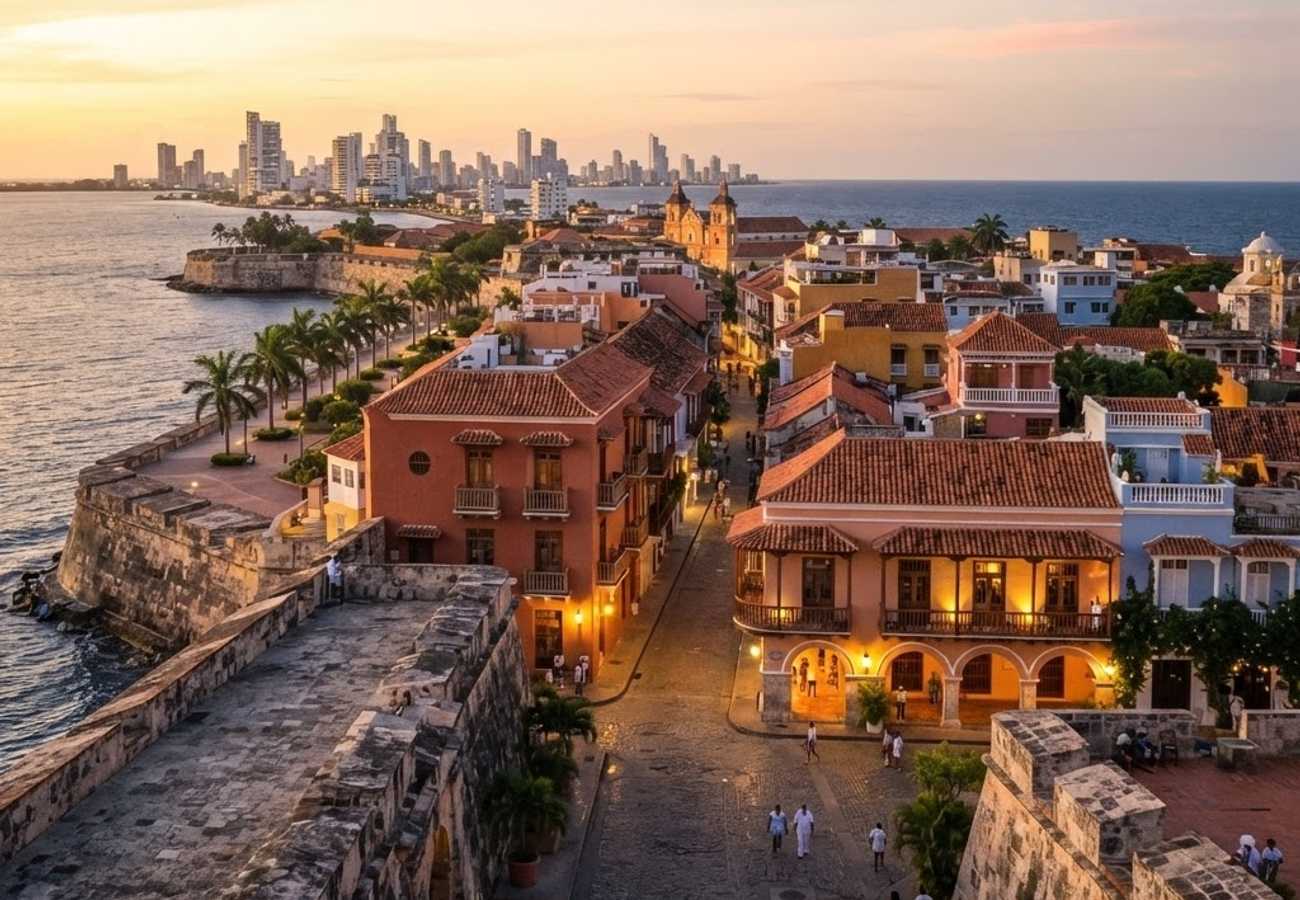
Image generated by AI
Colombia is transitioning toward a tourism model where cultural preservation and environmental responsibility supersede raw visitor volume. In 2026, cities like Bogotá and Cartagena de Indias are setting the global standard for integrating historic identity with sustainable urban growth.
The shift in Colombian tourism reflects a broader global movement, aligned with the UNESCO Sustainable Tourism Programme, to ensure that the economic benefits of travel reach local communities without compromising natural or cultural assets. From the Caribbean coast to the Andean highlands, Colombia is deploying a network of destinations that prioritize low-impact tourism and the preservation of traditional crafts.
Sustainable Heritage Destinations and Route Specifications
The following table outlines the primary heritage hubs in Colombia for 2026, categorized by their sustainability strengths and UNESCO status.
| City / Destination | Region | Sustainability Strength (2026) | Key Sustainable Experience | UNESCO / Heritage Status | Best For |
|---|---|---|---|---|---|
| Cartagena de Indias | Bolívar | Pedestrian-centric historic center | Afro-Caribbean cultural routes | World Heritage Site (1984) | Luxury & Culture |
| Bogotá | Cundinamarca | Sustainable mobility & cycling | Urban nature & bicycle tours | UNESCO Culture Indicators | Urban Explorers |
| Santa Cruz de Mompox | Bolívar | Low-impact community tourism | Traditional goldsmith workshops | World Heritage Site (1995) | Slow Travel |
| Barichara | Santander | Low-density tourism model | Camino Real hiking trail | Pueblo Patrimonio | Sustainable Luxury |
| Villa de Leyva | Boyacá | Rural sustainability initiatives | Ecological reserves & astronomy | Pueblo Patrimonio | Families & History |
| Salento | Quindío | Biodiversity conservation | Coffee farm-based tourism | Coffee Cultural Landscape | Nature & Coffee |
| Manizales | Caldas | Green mountain-city planning | Ecological parks & coffee routes | Coffee Cultural Landscape | Adventure |
| Popayán | Cauca | Gastronomy & craft protection | Holy Week cultural walks | UNESCO Recognized Tradition | Cultural Heritage |
| Medellín | Antioquia | Social urbanism & green corridors | Metro tours & botanical gardens | Urban Innovation Model | Sustainable Urbanism |
| Santa Marta | Magdalena | Indigenous-led tourism | Tayrona National Park routes | Sierra Nevada Biosphere | Nature & Adventure |
| Guatapé | Antioquia | Reservoir environmental protection | Community-led walking tours | National Heritage | Short Escapes |
| San Agustín | Huila | Archaeological conservation | Community-guided park visits | World Heritage Site (1995) | Archaeology |
| Tierradentro | Cauca | Controlled visitor management | Pre-Hispanic tomb exploration | World Heritage Site (1995) | Archaeology |
Traveler Logistics Guide: Navigating Colombia Sustainably
From a ground-level perspective, navigating Colombia's heritage sites requires a shift from traditional "checklist" tourism to a slower, more intentional pace. To maximize the experience while adhering to sustainable policies, consider the following logistics:
Optimal Connection Strategies For those visiting the "Coffee Triangle" (Salento and Manizales), avoid multiple short-haul flights. Instead, utilize regional shuttle services or sustainable transport hubs to reduce your carbon footprint. When transitioning from Bogotá to the coast, prioritize airlines utilizing newer, fuel-efficient fleets to mitigate the impact of regional aviation.
Urban Mobility in Bogotá Bogotá has become a model for sustainable urban travel. The best way to navigate the city is via its expanded cycling infrastructure. Travelers should utilize the Ciclovía (where possible) and opt for bicycle tours through the La Candelaria district to avoid the city's notorious traffic congestion.
Customs and Digital Transit Ensure all travel documents are digitized. While Colombia continues to streamline entry, utilizing official government portals for tourism registration helps authorities manage visitor density in fragile sites like San Agustín and Tierradentro.
Sustainable Booking Tips
- Accommodation: Prioritize "Pueblo Patrimonio" certified lodges in Barichara and Villa de Leyva.
- Layover Times: If connecting through Bogotá (El Dorado), allow at least 3-4 hours for international-to-domestic transfers, as sustainable urban planning has shifted some airport access routes.
Infrastructure Impact Assessment
The move toward sustainable heritage tourism is fundamentally altering Colombia's regional connectivity. By diversifying the "tourist map" beyond Cartagena and Bogotá, the government is distributing economic wealth to rural areas like Huila (San Agustín) and Cauca (Tierradentro).
In Cartagena, the focus has shifted toward managing "visitor pressure." By promoting neighborhood-based tourism and artisan markets over mass-market cruises, the city is attempting to preserve the structural integrity of its 1984 UNESCO-listed fortifications. Similarly, Medellín's investment in "social urbanism"—using public transport to connect marginalized communities to the city center—serves as a blueprint for other Latin American metropolises.
This strategic pivot ensures that Colombia remains competitive in a 2026 market where travelers increasingly demand that their spending supports local businesses and conservation projects rather than international conglomerates.
Colombia is no longer just a destination for sightseeing; it is a living laboratory for sustainable cultural preservation.
Related Travel Guides
Disclaimer
This article is for informational and educational purposes only. It does not constitute legal, financial, or professional advice. While we strive to provide accurate and up-to-date information, travel policies, regulations, and conditions change rapidly. Always verify information with official sources before making travel decisions. Nomad Lawyer makes no representations about the accuracy, reliability, completeness, or suitability of the information provided. Readers should consult qualified professionals for advice specific to their circumstances. The views expressed in this article are those of the author and do not necessarily reflect the views of Nomad Lawyer.
Raushan Kumar
Founder & Lead Developer
Full-stack developer with 11+ years of experience and a passionate traveller. Raushan built Nomad Lawyer from the ground up with a vision to create the best travel and law experience on the web.
Learn more about our team →