
Canada Travel Rebounds as US Trips Rise for Fifth Month With Cross-Border Tourism Recovery
Canada Travel Rebounds as US Trips Rise for Fifth Month With Cross-Border Tourism Recovery

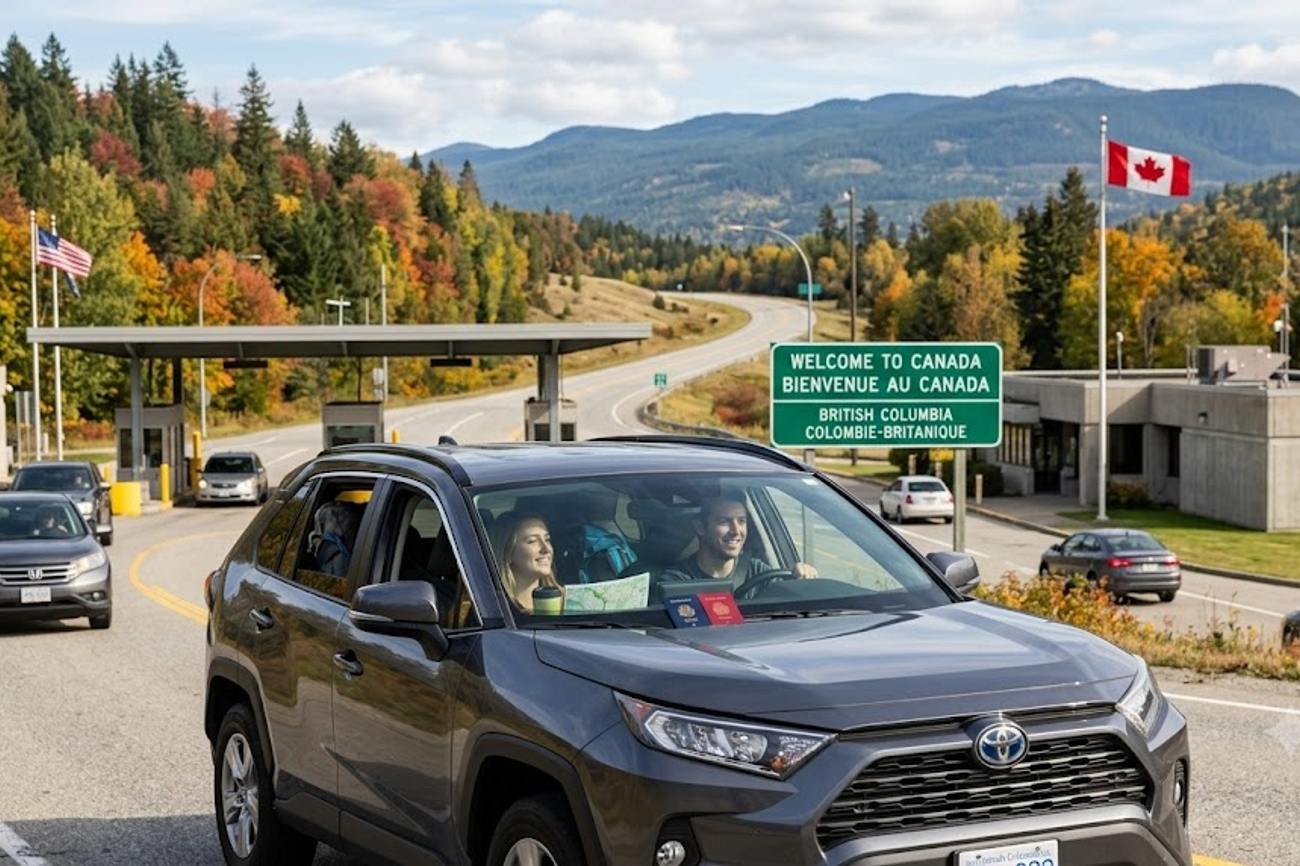
Image generated by AI
title: Canada-US Travel Recovery Analysis August 2026 date: 2026-09-15 author: Aviation Disruption Analyst category: Passenger Rights
A family from Toronto preparing for a late-summer getaway to Orlando found themselves navigating a complex web of fluctuating flight availability and pricing as Canadian demand for US travel surged in August. This scenario is becoming common as the cross-border corridor experiences a significant resurgence, leading to tighter seat capacity and increased pressure on airport infrastructure.
The August 2026 Canada-US Travel Surge
Recent data from Statistics Canada indicates a sustained recovery in travel patterns between Canada and the United States. In August 2026, Canadian resident return trips from the US reached 2,574,637, marking the fifth consecutive month of growth. This represents an 8.8% increase compared to August 2025.
The recovery is bifurcated between transport modes. Automobile returns saw a more aggressive climb, increasing by 9.9% year-over-year. Air travel followed a more modest trajectory, with a 3.6% increase in return trips. While these figures signal renewed confidence, the recovery is not yet absolute. When compared to the benchmarks of August 2024, automobile returns remain 27.4% lower and air returns are still 22.7% below those peak levels.
This volatility in demand follows a rocky start to the year. In the first quarter of 2026, Canadian trips to the US actually plummeted by 10.6% year-over-year, with associated spending dropping by 13.6% as travelers pivoted toward Europe, Asia, and the Caribbean. The August rebound suggests a return to traditional short-haul preferences, driven by geographic proximity and established tourism infrastructure.
Affected Routes and High-Demand Corridors
The surge in travel is concentrated in specific high-traffic corridors. Passengers utilizing these routes should expect higher congestion and a greater likelihood of overbooking or operational delays.
- The Sunshine Corridor: High-volume flights from major Canadian hubs (YYZ, YVR, YUL) to Florida (MCO, MIA, TPA), Arizona, and California.
- The Northeast Gateway: Heavy automobile and rail traffic between Ontario/Quebec and New York state.
- The Pacific Link: Increased movement between British Columbia and Washington state or California.
- Long-Haul Leisure: Steady air traffic connecting Canada to Hawaii and Texas.
Travelers can monitor real-time congestion and flight delays via FlightAware to anticipate potential disruptions before arriving at the airport.
Your Rights as a Passenger
As travel volumes increase, so does the risk of flight cancellations and delays. Because these trips involve the US and Canada, passengers are governed by two different sets of regulations. It is vital to know which applies to your specific ticket.
For Flights Departing from the US or Canada: Neither the US nor Canada has a direct equivalent to the EU's EC 261/2004 for mandatory cash compensation for delays. However, the US Department of Transportation (DOT) has recently tightened rules regarding refunds. Under current US DOT guidelines, if your flight is canceled or significantly changed and you choose not to travel, you are entitled to a full refund to the original form of payment, regardless of whether the ticket was "non-refundable."
For Flights Departing from the EU/UK to North America: If your journey began in the EU or UK (e.g., a multi-city trip from London to New York then Toronto), you are protected by EU261/2004 or UK CAA regulations. For flights exceeding 3,500 km, a cancellation with less than 14 days' notice or a delay of over 3 hours can entitle you to €600 (£520) in compensation, provided the disruption was not caused by "extraordinary circumstances." You can verify your specific eligibility through the UK CAA.
Right to Care: Regardless of the jurisdiction, most airlines operate under a "Contract of Carriage." If a disruption occurs, you should request vouchers for meals and communication. If an overnight stay is required due to a carrier-controllable delay, the airline is typically responsible for providing hotel accommodation and transport.
Rebooking Strategy and Alternatives
With air travel returns still 22.7% below 2024 levels but rising, airlines are in a phase of "capacity calibration." This means schedules can change abruptly. If your flight is disrupted, follow this strategic hierarchy:
1. The Digital First Approach Do not wait in line at the airport service desk. Immediately use the airline's mobile app or check the British Airways flight status (or the equivalent for your carrier) to see if the system has already generated a rebooking option.
2. The "Interline" Request If your airline cannot get you to your destination within a reasonable timeframe, ask the agent to "interline" your ticket. This means they book you on a competitor airline. While agents are hesitant to do this because it costs them money, it is a valid request during major disruptions.
3. The Automobile Pivot Given that automobile travel grew by 9.9% in August, it remains the most reliable alternative for those in the Northeast or Pacific Northwest. If a flight from Toronto to New York is canceled, renting a vehicle or utilizing regional bus services can often be faster than waiting for the next available flight.
4. Refund vs. Voucher Airlines will often offer travel vouchers as a first resort. Be aware that under US DOT rules, you are entitled to cash refunds for canceled flights. Only accept a voucher if the value is significantly higher than the original ticket price (e.g., 120% of the fare).
FAQ: Canada-US Travel Recovery 2026
Am I entitled to cash compensation for a delayed flight to the US? If departing from Canada or the US, there is no federal law mandating cash payments for delays. However, if your flight originated in the EU or UK, you may be eligible for up to €600 under EU261/2004.
Can I get a full refund if my flight is canceled? Yes. According to US DOT regulations, passengers are entitled to a full refund if the airline cancels a flight and the passenger chooses not to be rebooked on an alternative flight.
Why is automobile travel growing faster than air travel? Automobile returns rose 9.9% compared to 3.6% for air. This is due to the flexibility, cost-effectiveness for families, and the high number of Canadians living within driving distance of US border states.
Which US states are seeing the most Canadian visitors? Florida, California, Arizona, and New York remain the top destinations, particularly for those seeking warm-weather escapes, theme parks, and urban cultural attractions.
Stay vigilant with your booking confirmations as airlines adjust capacity to meet this growing cross-border demand.
#CanadaUSTravel #YYZ #MCO #DOTRefunds #TravelRecovery2026 #CrossBorderRights
Related Travel Guides
Disclaimer
This article is for informational and educational purposes only. It does not constitute legal, financial, or professional advice. While we strive to provide accurate and up-to-date information, travel policies, regulations, and conditions change rapidly. Always verify information with official sources before making travel decisions. Nomad Lawyer makes no representations about the accuracy, reliability, completeness, or suitability of the information provided. Readers should consult qualified professionals for advice specific to their circumstances. The views expressed in this article are those of the author and do not necessarily reflect the views of Nomad Lawyer.
Naina Thakur
Contributor & Travel Specialist
Travel enthusiast and legal writer covering visa regulations, responsible tourism, and cultural journeys across global destinations.
Learn more about our team →